


No products in the cart.

Explore the year's most opulent and sought-after luxury timepiece collections.
A profound shift is underway in the high-end watch industry, where traditional materials like stainless steel and precious metals are being complemented—and sometimes superseded—by organic and artisanal elements. Watchmakers are increasingly sourcing unique materials that tell a story of sustainability and artistry. This includes dials crafted from wood, stone mosaics, or even sustainable, lab-grown materials. The emphasis is on texture, depth, and a one-of-a-kind aesthetic that cannot be mass-produced. This trend moves beyond mere function, transforming the watch dial into a canvas for micro-art and natural beauty, appealing to collectors who value uniqueness and a tangible connection to craftsmanship and the natural world.
Paradoxically, one of the most significant trends is the pursuit of mechanical purity and simplicity, often achieved through highly complex engineering. While smartwatches dominate the consumer market, luxury mechanical watchmakers are doubling down on their core identity. The focus is on refining classic complications—like the tourbillon, perpetual calendar, or minute repeater—to new levels of precision and reliability, often making them more compact and efficient. Furthermore, there is a strong movement towards improved legibility and user-friendly adjustments. Brands are innovating with new alloys for mainsprings and escapements to enhance power reserve and accuracy, demonstrating that true luxury lies not in added digital features, but in perfecting the fundamental mechanics of timekeeping.
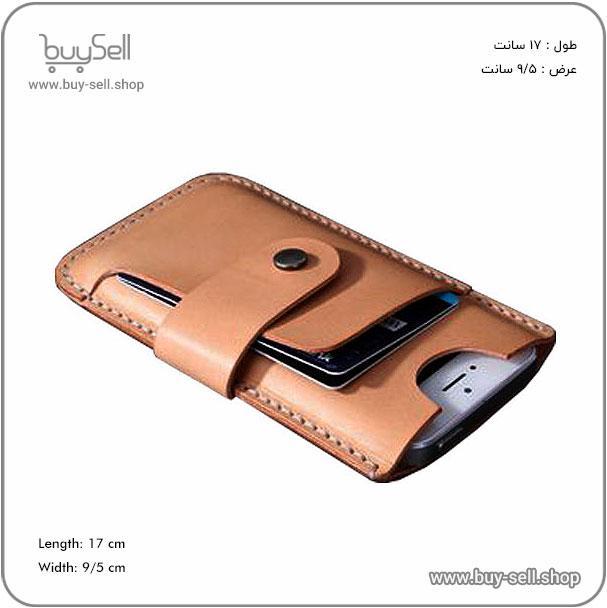
Product purchase offer: Leather Phone Case Pattern
The iconic integrated bracelet sports watch, a genre defined by models from the 1970s, is experiencing a renaissance with a modern twist. The contemporary trend is not about mere re-issues but rather re-interpretations that focus on wearability, material innovation, and subtle design evolution. Key developments in this area include:
This trend caters to a lifestyle where a single, versatile timepiece can transition from active environments to formal settings, demanding both robustness and elegance.
Exclusivity is being redefined through personalization. Leading brands are offering increasingly sophisticated bespoke programs, allowing clients to commission truly unique pieces. This goes beyond engraving a case back. Clients can now select specific dial materials, hand styles, case metals, and strap or bracelet options from an extensive, often proprietary, portfolio. Some manufacturers offer "à la carte" services where the movement decoration, gem-setting, and even specific complications can be tailored. This trend speaks to a desire for individuality and ownership in the high-end market, where the watch becomes a deeply personal signature rather than just a display of brand affiliation. It represents the pinnacle of luxury: a product crafted not just for an elite market, but for a single individual's exact specifications.
In the world of leather goods, the term "premium model" signifies far more than a higher price tag. It represents the culmination of a brand's heritage, its most advanced material science, and its pinnacle of craftsmanship. These pieces are distinct from a brand's standard offerings. They are characterized by an uncompromising selection of raw materials, often utilizing full-grain or top-grain leathers from specific, renowned tanneries. The construction moves beyond mass production techniques, incorporating hand-stitching, reinforced stress points, and meticulous edge finishing. Furthermore, premium models frequently serve as showcases for innovative features, proprietary hardware, and refined designs that prioritize both aesthetic longevity and functional superiority. They are built not just for use, but for a lifetime of ownership and patina development.
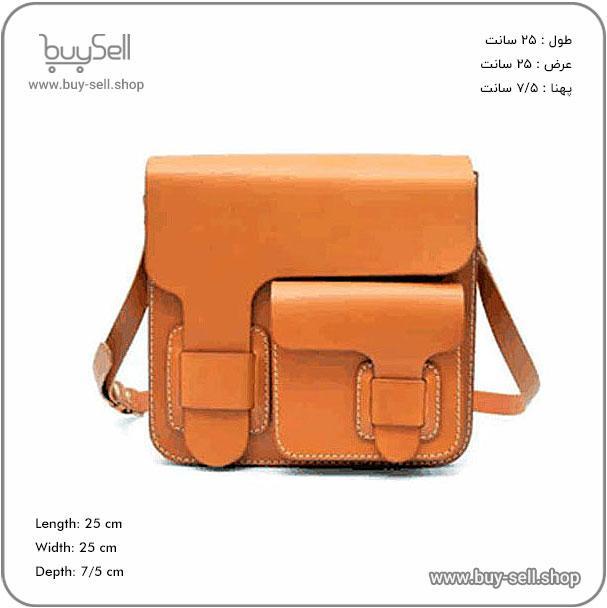
Product purchase offer: leather briefcase pattern
The superiority of a premium leather model is most evident in its construction. Leading brands employ techniques that ensure durability and beauty. Hand-stitching, for instance, is a critical differentiator. Unlike machine stitching, which uses a single continuous thread, hand-stitching with two needles and waxed thread creates a stronger, more flexible seam that can be easily repaired. Another hallmark is edge painting or burnishing. This process of finishing the raw cut edges of the leather prevents fraying and gives a polished, cohesive look. Premium models often feature multiple layers of paint, sanding, and sealing for a glass-like finish. The choice of hardware is equally deliberate, with solid brass, stainless steel, or proprietary alloys that are designed to age gracefully without corroding. These meticulous details, though time-consuming, are the non-negotiable foundations of a true premium product.
Premium models span various leather goods categories, each with attributes that justify their status. In briefcases and luggage, look for features like a structured frame, internally tanned vegetable-tanned leather linings, and secure, smooth-gliding locking mechanisms. For wallets and small leather goods, premium models offer incredibly fine stitching (measured by stitches per inch), integrated RFID-blocking materials without bulk, and clever, functional layouts for cards and cash. In footwear, premium models from leading brands are often Goodyear welted or Blake stitched, allowing for sole replacement and extending the shoe's life for decades. Jackets and outerwear in this tier utilize heavyweight, aniline-dyed hides that mold to the wearer's body and develop a unique character with age. Across all categories, the unifying principle is a design philosophy that balances immediate elegance with proven, long-term resilience.
When evaluating premium leather models, it is easy to be misled by common misconceptions. A high price alone does not guarantee premium quality; some brands levy a significant cost for the logo rather than the craftsmanship. Conversely, a high stitch count is not always better; excessively tight stitching can cut into the leather and weaken it. The term "genuine leather" is a broad classification that includes lower-quality splits and is not an indicator of a premium product. Savvy buyers should focus on specific leather types (e.g., full-grain, vegetable-tanned) and construction methods. Another mistake is prioritizing a pristine, uniform look over character. Premium leathers, especially full-grain, will have natural markings and will develop a patina—a change in color and texture due to use, oils, and light. This evolution is not a flaw but a celebrated feature, proving the leather's authenticity and telling the story of its use.
The ultimate justification for investing in a premium model from a leading brand lies in its long-term value. This value is both financial and experiential. A well-crafted leather good, maintained properly, can outlive its owner, transforming from a simple accessory into a heritage piece. The cost-per-use over 30 years is remarkably low compared to replacing a cheaper item every few years. Beyond economics, there is an intangible value in daily interaction with an object of quality. The feel of sturdy brass zippers, the smell of quality leather, and the confidence from a secure stitch all contribute to a superior user experience. These models are designed with repair in mind, supporting a "buy it for life" mentality that stands in direct opposition to disposable consumer culture. Choosing a premium model is, therefore, a conscious decision to invest in sustainability, artistry, and a legacy of craftsmanship that appreciates with time.
The most profound innovation in modern leather-strap watches transcends mere material choice, residing in a fundamental rethinking of construction. Traditional watches treat the strap as an accessory, a replaceable component attached via spring bars to a separate metal case. The new vanguard employs a fused or integrated design where the leather strap is engineered as a seamless extension of the watch's case. This isn't just a different aesthetic; it's a holistic design philosophy. The leather is often precision-cut to fit into a proprietary lug system or is molded and bonded to form a continuous, flowing profile from case to wrist. This fusion eliminates visual breaks, creating a singular, sculptural object that offers superior ergonomics and a striking, modern silhouette that stands apart from conventional two-piece designs.
The innovation continues at the microscopic level with advanced leather treatments. Beyond standard vegetable or chrome tanning, watchmakers now specify leathers subjected to specialized surface engineering. This includes techniques like thermo-fusion, where a protective polymer layer is thermally bonded to the leather's surface, creating a barrier against moisture, UV damage, and everyday scuffs without the plastic feel of a traditional coating. Another method involves compressed leather laminates, where ultra-thin layers of leather are fused under high pressure, resulting in a strap that is remarkably durable, consistent in thickness, and resistant to stretching or deformation over time. These processes transform a natural material into a high-performance component, ensuring the strap maintains its integrity and beauty alongside the precise mechanical movement it houses.
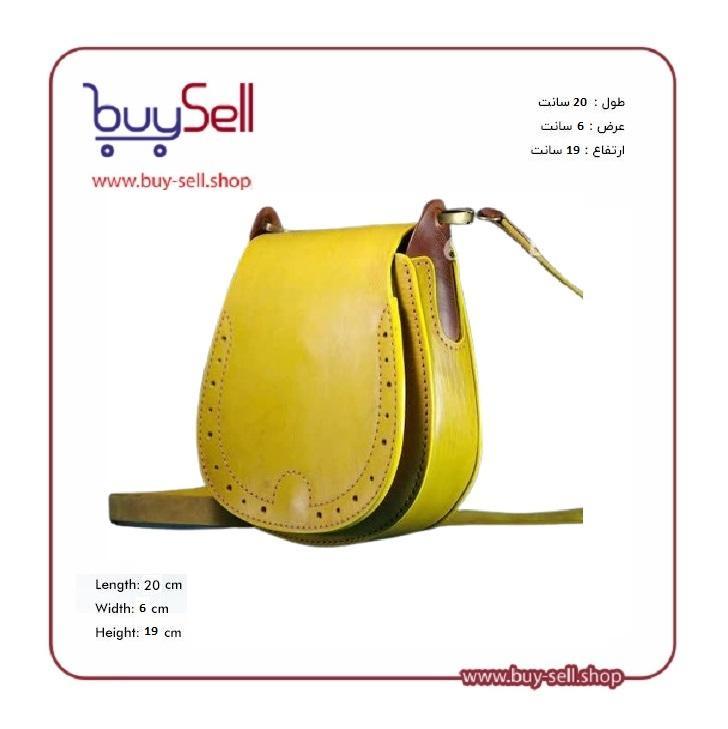
Product purchase offer: leather bag pattern
In a delightful contrast to the permanent fusion mentioned earlier, another pioneering feature is intelligent modularity. This innovation focuses on user empowerment through tool-free, quick-change strap systems. The innovation lies not in the existence of interchangeable straps, but in the engineering of the mechanism itself. We see systems utilizing hidden, integrated buttons, secure slide-and-lock rails, or proprietary twist-and-release clasps built directly into the case. These allow the wearer to swap between a suite of compatible leather straps—from a formal grained calf to a rugged oil-tanned hide—in seconds, without any risk of scratching the case. This transforms a single watch into a versatile collection, adapting to any occasion. It represents a shift from the watch as a static artifact to a dynamic, personal toolkit for expression.
Finally, innovation shines in the functional integration of leather with the watch's metal components, particularly the buckle and clasp. The classic tang buckle is being reimagined. One can find designs where the leather strap tongue slots into a recessed channel within a folding deployant clasp, creating a perfectly flat and secure fit on the wrist. Another example is the use of flexible, leather-lined butterfly clasps that provide the security of a metal clasp with the soft interior comfort of leather. Some avant-garde designs even embed magnetic closure systems within leather-tipped ends, allowing for infinitely adjustable micro-sizing with a clean, seamless look. These are not merely closures; they are ergonomic interfaces where leather and metal collaborate to enhance comfort, security, and the overall wearing experience, setting these timepieces distinctly apart from their conventional counterparts.
In the leather goods market, collector demand is a primary driver that often transcends the item's functional purpose. While any well-made leather bag serves to carry items, collector demand is fueled by factors like rarity, craftsmanship, brand heritage, and story. A limited-edition release from a prestigious tannery, a vintage piece from a defunct atelier, or an item handcrafted by a renowned artisan gains value not merely from its material but from its perceived place in the cultural and historical narrative of leatherworking. This transforms the object from an accessory into a collectible asset, where its market price is heavily influenced by its desirability within a niche community of enthusiasts and connoisseurs.
Several specific factors catalyze and sustain high demand among leather collectors. Understanding these drivers is key to analyzing market impact.
The intense focus of collectors creates a significant ripple effect throughout the leather industry. High-end, collectible segments set trends that trickle down to mass-market producers, influencing styles, material choices, and marketing narratives. Furthermore, the robust secondary market for vintage and used luxury leather goods validates the long-term value proposition of quality craftsmanship, encouraging mainstream consumers to invest in better-made items. This collector-driven emphasis on heritage and durability stands in contrast to fast fashion, promoting a more sustainable view of consumption where goods are bought to last for decades, not seasons.
While rewarding, engaging with the collectible leather market requires discernment. A common mistake is conflating high retail price with inherent collectibility; not every expensive bag will appreciate. True collectibility is tied to the factors of rarity, craftsmanship, and brand legacy mentioned earlier. Another pitfall is improper care—using harsh conditioners that degrade leather or storing items in poor conditions can destroy the very qualities collectors prize. Finally, chasing trends can be risky. What is highly sought-after today may not hold its value if it lacks timeless design and construction. The most stable collector items are typically those grounded in classic aesthetics and proven, traditional leatherworking techniques.
The interplay between market impact and collector demand in the leather world underscores a fundamental principle: value is multifaceted. While the primary market responds to new designs and branding, the enduring collector market is a testament to permanence. It rewards the stories embedded in the hide, the skill in the stitching, and the legacy of the maker. This demand cycle not only preserves traditional artisan skills but also elevates the entire industry's standards, reminding both producers and consumers that the greatest luxury in leather is not just in owning it, but in preserving a piece of tangible, evolving history.
The future of luxury horology, or watchmaking, is being profoundly shaped by the discreet integration of digital technology. Unlike mass-market smartwatches, the exclusive sector focuses on enhancing the traditional mechanical masterpiece with subtle digital layers. This often involves hybrid movements that pair a self-winding mechanical caliber with connected features like activity tracking or notification discreetly accessible via a companion app. More forward-looking is the concept of blockchain-based digital certificates of authenticity and ownership. Each watch is issued a unique digital twin, secured by a seed phrase—a secret list of words that recovers access to the digital asset—creating an unforgeable provenance record. This integration addresses collector concerns about counterfeiting and establishes a verifiable history, adding a new dimension of exclusivity and security to physical ownership.
Exclusivity in 2024 is increasingly defined by innovation in materials, with a strong emphasis on sustainability and origin stories. Beyond traditional precious metals, houses are pioneering the use of lab-grown gemstones, recycled precious metals, and novel alloys derived from aerospace or automotive industries. Materials like ceramic, Carbon TPT, and sapphire crystal cases are becoming more refined, offering extreme lightness, scratch resistance, and unique aesthetics. The narrative is shifting from mere rarity to responsible rarity, where the story of a watch's composition—such as titanium recycled from aircraft or gold traceable to a specific ethical mine—adds significant value. This trend caters to a new generation of collectors who seek luxury with a conscience, where the craftsmanship extends to the ethical sourcing and innovative development of the very substances that form the timepiece.
The future points towards an era of hyper-personalization, moving beyond custom dials to deeply bespoke creations. Advances in additive manufacturing (3D printing) allow for the economic production of unique case components, enabling clients to co-design elements of their watch. This extends to personalized movement engravings, custom-developed complications tailored to a client's lifestyle, and even the integration of personal biometric data into the watch's functions. The ownership experience is also becoming exclusive, augmented by immersive digital experiences using augmented reality to view a commissioned piece before production or accessing exclusive content through secure digital keys. Security for such high-value digital interactions is paramount, often relying on robust protocols like Two-Factor Authentication (2FA), which requires two different forms of verification to access an account, ensuring that a client's digital profile and data remain protected.
follow us in telegram & instagram
The relationship between brands, watches, and collectors is transforming into a dynamic ecosystem. Tokenization—representing physical ownership with a digital token on a blockchain—is a key concept. This could allow for fractional ownership of ultra-rare pieces or facilitate secure, transparent resale on dedicated platforms. The underlying technology may involve standards like EIP-7702, a technical proposal for improving how user accounts interact with blockchains, making these processes more seamless and secure for non-technical users. Furthermore, brands are cultivating communities where ownership grants access to real-world and digital experiences, from private factory visits to virtual forums. The future luxury watch is not just a timekeeping instrument but a key to an exclusive, evolving world, blending physical artistry with a secure, personalized digital legacy that ensures its story and value endure for generations.

 Saeede Bayat
May 04, 2025

 Buy Sell
Apr 20, 2025
 Saeede Bayat
Apr 28, 2025
 Saeede Bayat
Apr 23, 2025
 Buy Sell
Oct 25, 2025
Subscribe to the Buy Sell newsletter and enjoy its benefits.