


No products in the cart.

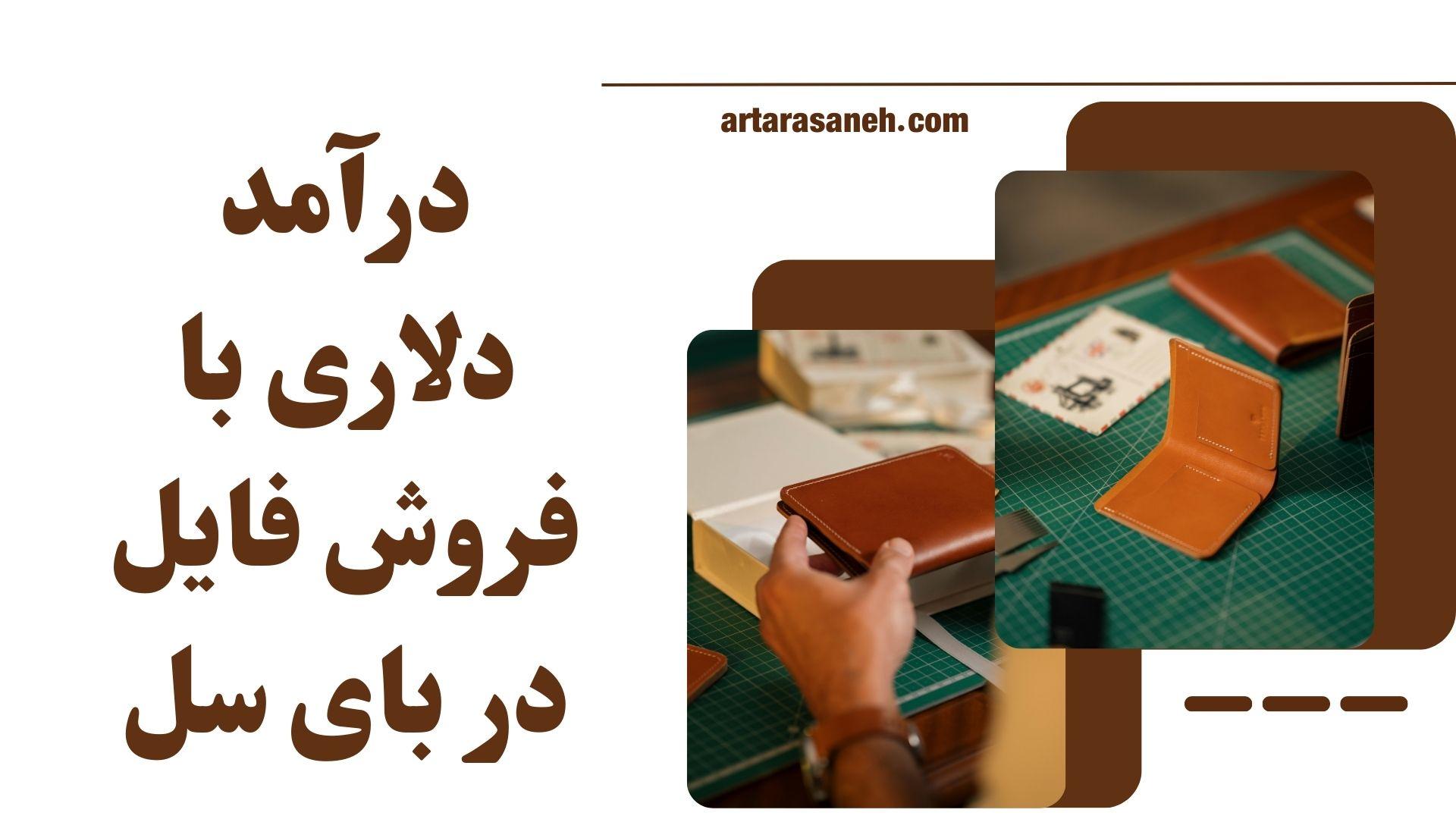
This article discusses the art of handmade leather bag making as a popular home-based business, especially among women. It highlights the importance of proper training and choosing the right tools and materials for success.
This article discusses the art of handmade leather bag making as a popular home-based business, especially among women. It highlights the importance of proper training and choosing the right tools and materials for success. The article aims to introduce the necessary tools and materials for beginners and provide practical tips for selecting them. Using leather patterns is also mentioned as a way to improve the quality and speed of cutting and stitching.
Learning the art of handmade leather bag making offers valuable opportunities for people interested in arts and crafts. A significant advantage of this skill is the ability to earn an income from home. Without needing a large investment or a physical store, one can make a good income by producing and selling handmade leather bags. Today, the demand for handmade leather products is increasing in both domestic and international markets. This has allowed many people in this field to earn a dollar income through online sales. Creativity in design and precision in stitching and selecting the right materials are crucial for success. Products made with high craftsmanship and taste are more likely to enter the market and attract more customers.
To start making leather bags, choosing high-quality materials is essential. Each material has a direct impact on the final quality, functionality, and appearance of the bag. Here are the most important materials needed for this craft:
Leather is the first and most fundamental material for making leather bags. It is divided into two categories: natural leather and synthetic leather.
Natural Leather Natural leather is made from the hides of animals like cows, sheep, or goats. Due to its unique properties such as high durability, flexibility, and appealing look, it is a popular choice for making luxury, high-quality leather bags. Over time, natural leather develops a beautiful patina and texture, which adds to its value.
Synthetic Leather Synthetic leather is made from man-made materials and is generally more affordable than natural leather. This type of leather comes in a variety of designs and colors. Since it does not use animal hides, it is a good option for people seeking vegan or ethical alternatives. Synthetic leather is cheaper and is mostly used for more budget-friendly and beginner-level bag models.
The lining is another important material in leather bag making. It is used as the inner layer of the bag and, in addition to providing aesthetics, adds to the bag's strength and durability. Various types of linings are available:
Suede Lining: Suede is a soft and smooth fabric that, due to its chic and soft texture, is very suitable for luxury and handmade bags. This lining gives the bag a unique and beautiful look, increasing its perceived value.
Needle Punch Lining: This is a medium-weight fabric mostly used for small or medium-sized bags. Needle punch lining provides a sturdy structure to the bag without adding much weight.
Oilcloth Lining: Oilcloth lining is typically used for bags that require more resistance. It is waterproof, making it an ideal choice for bags meant to carry special items or to withstand tough environmental conditions.
Plain or Satin Lining: This type of lining is used for formal and evening bags that have a soft and elegant appearance. Plain or satin lining gives the bag a glossy and luxurious look and is usually used for small and light bags.
While fabric isn't used in all leather bag models, it can be used as a complementary component in certain designs. Fabric is used in parts of the bag that require more flexibility or variety in texture and color. These fabrics are usually used inside the bag or for decorative sections, creating an attractive contrast and diversity in the bag's appearance. In some models, the combination of fabric and leather transforms the bag into a unique and distinctive style.
Thread is a crucial material in leather bag making. A quality thread not only strengthens the seams but also affects the final appearance of the bag. Nylon thread is used for leather seams, and polyester thread is used for fabric seams. Additionally, waxed, half-waxed, and unwaxed threads each have specific applications.
Threads Used in Leatherworking In leather bag making, choosing the right thread is very important. Threads not only increase the strength of the work but also have a significant impact on the final appearance of the stitching. There are various types of threads for leatherworking, which are chosen based on the type of work and leather. Here are the different types of threads and their uses:
Waxed Thread: These threads have a wax coating, giving them high strength and making them suitable for precise and strong stitching. The wax helps the stitches stay in place better and provides more resistance. They are typically used for luxury and detailed leather bags.
Half-Waxed Thread: These threads are slightly less sticky than waxed threads and are more suitable for stitching that doesn't require extreme strength. If you are looking for stitching with moderate resistance and easier correction, half-waxed thread is a good option.
Unwaxed Thread: Unwaxed threads are mostly used for light and simple stitching. They have less tackiness compared to waxed threads and are used for industrial and quick stitching.
Threads Suitable for Fabric and Leather
Polyester Thread: This is one of the most widely used threads in leatherworking. Due to its high strength and moisture resistance, polyester is excellent for everyday leather bags. This thread also holds color well, making the stitches look beautiful and neat.
Nylon Thread: Nylon thread is very strong and is suitable for stitching that must withstand a lot of pressure, such as heavy leather bags. This thread is highly resistant to tension and abrasion and has great durability.
Silk Thread: Silk thread is used for delicate and decorative stitching. It gives the stitches a shiny and attractive appearance and is very suitable for luxury leather bags and decorative work.
Zippers are an essential component of leather bag making that not only add to the bag's beauty but are also crucial for its functionality and durability. Choosing the right zipper for a leather bag has a significant impact on the final product's quality. This section covers the types of zippers and tips for choosing the right size for different leather bags:
Metal Zippers: Metal zippers are suitable for luxury and durable leather bags. They are made of metal and are usually used for larger bags or those that require more durability. Due to their beauty and high strength, metal zippers give a leather bag a stylish and professional look.
Plastic Zippers: Plastic zippers are mostly used for small or everyday bags. These zippers are lighter than metal ones and can be easily used in various designs. Plastic zippers are typically used in more affordable or lighter-weight leather bags.
Tips for Choosing Zipper Size Based on Bag Type
For small or compact leather bags, size 3 zippers are used. These zippers are suitable for wallets, cosmetic bags, and other small, handheld bags.
For medium-sized shoulder or handbags, size 5 zippers are commonly used. This zipper size is the best choice for standard-sized leather bags.
For larger bags like office bags, laptop bags, or travel bags, size 8 zippers or larger are used. These zippers can withstand more weight and tension and perform well in bulkier bags.
Choosing the right zipper, depending on the size and type of the bag, can make a big difference in the final quality of the product. Therefore, paying attention to these tips during leather bag making is very important.
Adhesives are one of the essential tools in leather bag making. They help you temporarily bond different parts of the bag before stitching or secure parts that don't need to be sewn. There are different types of adhesives, each with its specific use.
Tape adhesive is a very common type, usually used for temporarily holding different parts of a bag together before stitching. It's good for delicate and sensitive areas and sometimes serves as an auxiliary adhesive alongside the main stitching.
Tube adhesive is used for bonding larger surfaces or parts that require a strong bond. It's primarily used for gluing leather to leather or leather to other materials and has a high bonding strength.
Iron adhesive is used to connect metal to leather or leather to leather. It's typically used in bags that require metal components like zippers or clasps.
Wood glue is used for gluing leather to wood or wooden layers in specific types of bags and has high durability.
Shoemaker's glue is one of the most important adhesives in leather bag making. This glue is used to connect different leather pieces to each other. Shoemaker's glue has a very high bonding strength and is very useful in leather bag making because of its flexibility.
Serish glue is used for gluing fabric strips or other soft materials to leather. This glue has a relatively weak bond but is a suitable option for decorative work or when a strong bond isn't needed.
Tips for Choosing the Right Adhesive
The adhesive should be chosen based on the type and purpose of the bag. For example, for leather bags that need a lot of resistance, you should use adhesives with high bonding strength like shoemaker's or tube glue.
For bonding the main parts of the bag that need to be very strong, use strong and durable adhesives. Tube and shoemaker's glues are usually suitable for this purpose.
If you need certain parts of the bag to remain flexible, you should use adhesives that have flexibility. Shoemaker's glue performs well in this regard.
Note that for each type of leather, the right adhesive must be chosen. Some glues work better on natural leather, while others are more suitable for synthetic leather.
For a high-quality leather bag, proper care and maintenance are as important as correct stitching. Using oils and care products can extend the life of the leather and keep its appearance fresh and beautiful. If you are making delicate products like a leather card holder pattern, proper care of the leather becomes even more important, as the delicacy of such items requires more meticulous maintenance. Here are various products used for softening and caring for leather and thread:
Leather and Thread Conditioners
Linseed Oil: Linseed oil is one of the best choices for softening leather. It is easily absorbed by the leather and makes it softer and more flexible. Additionally, linseed oil prevents the leather from drying out and cracking.
Neatsfoot Oil: This oil is typically used for dry and thick leathers. Neatsfoot oil has a very high absorption rate and can deeply condition the leather. It also helps the leather gain more resistance to water and external damage.
Wax: Leather wax is another common product for leather care. Wax gives the leather a shiny and beautiful appearance and protects it from dust and moisture. Wax also helps the leather become more resistant to wear and other damage.
Leather Polish: Leather polish gives the leather a shiny and clean look and increases its resistance to moisture and dust. Polish also helps extend the life of the leather and prevents it from cracking.
Regular use of oils and care products keeps the leather soft and supple and prevents it from cracking or drying out. These products also help maintain the leather's color and appearance and prevent discoloration over time. Additionally, care products like wax and polish protect the leather from external factors such as water, dirt, and stains. Caring for leather can significantly impact the longevity of a leather bag and preserve its beauty. With the right oils and products, you can use your leather bag for years and be confident in its durability.
To make a professional leather bag, having stitching skills alone is not enough. We need specific tools to take our work to the next level. Also, using patterns like a leather wallet pattern or other ready-made patterns can significantly increase the accuracy and quality of the work. Here are some of the essential tools for leather bag making:
Crepe: A crepe is a simple tool used to remove excess glue from the leather. When glue is accidentally spilled on the leather or too much is used, you can easily clean it with a crepe, keeping the leather neat and tidy.
Gusset: A gusset is used to strengthen the bag's body. This tool is typically used for parts that need more rigidity, such as edges or the main body of the bag. With a gusset, your bag will be more durable and sturdy.
Stitching Roulette: A stitching roulette is used to mark the stitching location. When we want to do precise and clean stitches, we use a roulette to draw straight and accurate lines on the leather. This helps us make the stitches neat and uniform.
Hole Punch: A hole punch is a tool we use for making holes in the leather. This tool is very suitable for punching holes for stitching or installing rivets and clasps. There are different types of hole punches that we can use depending on the work.
Mallet: A mallet is a special hammer used to strike tools like a hole punch. When we work on leather with a hole punch, we hit it with a mallet to easily push the punch through the leather. This tool helps us correctly install holes or rivets without damaging the leather.
Hand Press/Riveter: A hand press or riveter is a tool used for precise hole punching and installing rivets and clasps on leather. This tool helps ensure that the rivets are properly and securely installed on the leather, preventing them from coming off.
If you want to make a leather bag with higher accuracy and speed, using laser-cut patterns is one of the best choices for you. These patterns can help you work more easily and professionally. With laser-cut patterns, you no longer need complex and time-consuming measurements. These patterns allow you to cut leather pieces with incredible precision and without any errors. Also, because you don't spend a lot of time on design and measurement, you can dedicate more time to stitching and other details
By purchasing ready-made patterns, such as a women's leather bag pattern, you no longer need to manually design. You just need to place the pattern on the leather and cut it. These patterns usually come with visual guides that help you follow the different stitching steps. These guides allow you to work with more confidence and produce your leather bag with exceptional quality. If you intend to make a leather bag with high accuracy and professionally, using laser-cut patterns can make a big difference in your work.
Choosing the right materials and tools for leather bag making plays a very important role in the final quality of your work. The more carefully you choose the leather, thread, zippers, and other materials, the more durable and beautiful your leather bag will be. Using ready-made patterns, such as a Corel file, can also help you have more precise cuts and stitches, making the final result look more professional. Learning and creativity are also key factors for success in this profession. Therefore, you should always be learning and improving your skills. Given the growing market for handmade leather products and the high demand for this type of product, if the quality of your work is high, you can progress well in this field. Now that you are familiar with the various tips for leather bag making, why wait? Start, improve your skills, and earn an income from this art.

 Saeede Bayat
May 04, 2025

 Buy Sell
Apr 20, 2025
Saeede BayatApr 28, 2025
 Saeede Bayat
Apr 23, 2025
 Buy Sell
Oct 25, 2025
Subscribe to the Buy Sell newsletter and enjoy its benefits.