Your Cart
×
Explore key factors in selecting authentic natural leather, from quality checks to care tips, helping you make informed purchases for durable, stylish items.
Natural leather refers to a durable material derived directly from the hides or skins of animals, such as cows, sheep, goats, or pigs. Unlike synthetic alternatives, it undergoes a transformation process that preserves its organic structure while enhancing its usability. The core of natural leather is the animal's dermis layer, which consists of collagen fibers that provide strength and flexibility. This makes it a byproduct of the meat and dairy industries, where hides would otherwise be discarded as waste. The term "natural" emphasizes its biological origin and minimal synthetic intervention during initial production stages, resulting in a material that breathes, ages gracefully, and develops a unique patina over time.
At its essence, natural leather is not a fabric but a processed animal tissue. It starts as raw hides that are cleaned, preserved, and treated to prevent decay. The final product retains natural variations like grain patterns, scars, and textures, which testify to its authenticity. These imperfections are not flaws but hallmarks of a living source material, distinguishing it from uniform man-made options. Understanding this definition helps consumers appreciate why natural leather commands respect in industries ranging from fashion to upholstery, where quality and longevity matter most.
The journey from raw hide to finished natural leather involves several key stages, primarily centered around tanning, which stabilizes the collagen and makes the material resistant to water and rot. Traditional vegetable tanning uses natural tannins from tree barks and leaves, such as oak or chestnut, to slowly penetrate the hide over weeks or months. This method yields a supple, eco-friendly leather prized for its warm tones and ability to age beautifully, often used in high-end belts and wallets.
In contrast, modern chrome tanning employs mineral salts like chromium sulfate for a faster process, typically completed in a day. This results in a softer, more pliable leather suitable for garments and gloves, though it requires careful wastewater management due to chemical involvement. Other methods include aldehyde tanning for specialized applications needing heat resistance, or oil tanning for waterproof qualities seen in work boots. Each approach alters the leather's properties—full-grain preserves the top surface for maximum durability, while top-grain is lightly sanded for smoothness. These methods ensure natural leather adapts to diverse needs without losing its inherent organic qualities.
Post-tanning, the leather undergoes splitting to create layers, dyeing for color, and finishing with wax or oils to enhance protection. Artisanal techniques, like hand-stitching or embossing, further customize it. Overall, production balances tradition with innovation, ensuring the material remains true to its natural roots while meeting contemporary demands.
One of the standout characteristics of natural leather is its breathability, allowing air and moisture to pass through the porous structure, which keeps it comfortable against the skin even in varying climates. This natural ventilation reduces sweat buildup compared to plastic-based materials. Additionally, its tensile strength from interwoven collagen fibers makes it exceptionally tough, capable of withstanding daily wear without cracking or peeling prematurely.
Benefits extend beyond durability to sustainability; as a renewable resource, natural leather utilizes animal byproducts, reducing overall waste in agriculture. It biodegrades over time, unlike synthetics that linger in landfills. The material's versatility shines in its ability to mold to the body or object it's on, developing a personalized fit in shoes or saddles. Over years, exposure to light and use creates a rich patina, enhancing aesthetic appeal rather than fading. These traits make natural leather a smart choice for long-term investments, like furniture or accessories, where replacement costs add up with lesser materials.
A frequent misconception is that all leather is identical, but natural leather varies widely by type and quality. Some confuse bonded leather—made from scraps glued together—with genuine versions, leading to disappointment in performance. Another myth holds that natural leather requires no care, yet it benefits from regular conditioning to prevent drying. Identifying true natural leather involves simple checks: it smells earthy, not chemical; feels warm and supple, not stiff; and shows natural irregularities under light. Pressing it should reveal a slight give without creasing permanently.
Avoid common mistakes like over-cleaning with harsh chemicals, which strip natural oils, or storing in humid areas that promote mold. By debunking these ideas and using basic tests, buyers can confidently select authentic pieces that last.
Product purchase offer: Leather wallet pattern
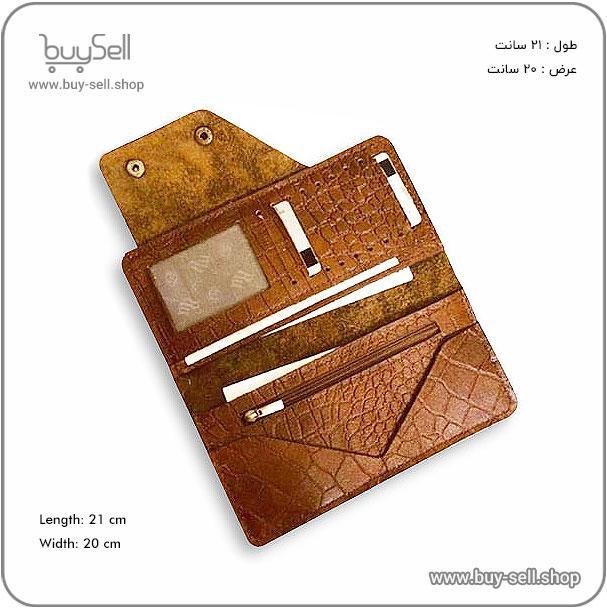
Natural leather finds applications across everyday and luxury sectors, from handbags and jackets in fashion to car seats and book covers in functional design. Its hypoallergenic properties suit sensitive skin, while antimicrobial qualities from tannins resist bacteria. In outdoor gear like boots or bags, it repels minor water exposure when treated, proving ideal for active lifestyles.
Proper care extends its life: Clean spills promptly with a damp cloth, avoiding soaking. Condition every few months with leather-specific balms to replenish oils, preventing cracks. Store in cool, dry places away from direct sun to avoid fading. For deeper cleans, use mild soap solutions sparingly. A maintenance checklist includes rotating use for items like belts, brushing off dust regularly, and professional restoration for heirlooms. With these practices, natural leather not only endures but evolves, becoming a cherished companion.
In conclusion, natural leather embodies a harmony of nature and craftsmanship, offering unmatched quality for those who value authenticity and sustainability. Its definition as animal-derived, tanned hide underpins methods that yield versatile, beneficial products, free from the pitfalls of imitation materials.
Natural leather derives from the hides of animals, primarily cows, sheep, goats, and occasionally exotic species, processed through tanning to create durable, flexible materials. Unlike synthetic alternatives, natural leather retains organic properties, including natural grain patterns and textures that develop over time with use. This material has been valued for centuries in crafting items like bags, shoes, and upholstery due to its strength and breathability. The process begins with raw hides, which are cleaned, treated with tannins from vegetable sources or chemicals, and finished to enhance qualities like water resistance. Key to its appeal is the preservation of the hide's natural fibers, which contribute to its longevity and unique character. When selecting natural leather products, understanding its origins helps in appreciating variations in quality and appearance across different types.
The distinction between natural and faux leather lies in authenticity; natural versions age gracefully, developing a patina that reflects personal history. This organic evolution makes it a preferred choice for premium goods. Production methods influence the final product, with traditional vegetable tanning being slower but more eco-friendly, imparting a rich, earthy tone. In contrast, chrome tanning speeds up the process for a softer feel. Regardless of the method, natural leather's versatility allows it to adapt to various applications, from rugged outdoor gear to elegant fashion accessories.
Full-grain leather represents the highest quality type of natural leather, consisting of the entire outer layer of the hide without any sanding or buffing. This preserves the natural grain, including imperfections like scars or insect bites, which add to its authentic charm. Often sourced from cowhides, it offers unmatched durability, resisting wear better than other varieties because the full thickness of the skin remains intact. Crafters favor it for items requiring long-term resilience, such as briefcases or watch straps, where the material can withstand daily handling without cracking.
One advantage of full-grain leather is its ability to breathe, allowing air circulation that prevents moisture buildup. Over time, it molds to the user's shape, enhancing comfort in products like belts or wallets. Maintenance involves simple conditioning with natural oils to keep it supple, avoiding harsh chemicals that could alter its surface. While more expensive due to minimal processing, investing in full-grain pieces ensures value retention, as they often improve in appearance with age rather than deteriorating.
In practical scenarios, full-grain leather excels in environments demanding toughness, such as work boots exposed to rough terrain. Its natural oils provide some water repellency, though it benefits from protective treatments for heavy exposure. This type embodies the essence of natural leather, celebrating the hide's story through visible textures that no machine can replicate.
Top-grain leather is another prominent type of natural leather, created by lightly buffing the surface of full-grain hides to remove minor imperfections while retaining much of the natural grain. This process results in a smoother finish, making it ideal for applications where a polished look is desired without sacrificing too much durability. Commonly used in furniture and high-end shoes, it strikes a balance between aesthetics and functionality, offering a refined appearance at a more accessible price point than full-grain.
The buffing enhances uniformity, allowing for consistent dyeing and finishing that appeals to manufacturers producing large quantities. Despite the surface alteration, top-grain leather maintains the hide's core strength, with fibers intact below the treated layer. It responds well to coloring agents, achieving vibrant hues that hold color longer under sunlight exposure. For consumers, this type provides everyday usability, as seen in handbags that retain shape and softness after prolonged use.
Common scenarios include upholstery for sofas, where the smooth texture resists dirt accumulation compared to rougher full-grain. Care routines mirror those for full-grain, emphasizing regular cleaning to prevent stains on the treated surface. Top-grain leather's popularity stems from its adaptability, serving both casual and professional needs while highlighting natural leather's diverse expressions.
Split leather, derived from the lower layers of the hide after the top-grain portion is removed, offers a budget-friendly entry into natural leather products. This type undergoes more processing, often including embossing to mimic grain patterns, which compensates for the lack of natural surface texture. Primarily used in linings, book covers, or affordable accessories, it prioritizes cost-effectiveness over premium aesthetics, yet still benefits from the inherent toughness of animal hides.
Because it comes from thinner sections, split leather is lighter and more flexible, suiting applications like jacket interiors or shoe soles where full thickness isn't necessary. The tanning process strengthens its fibers, enabling it to endure moderate wear, though it may not develop the same patina as upper layers. Manufacturers often apply finishes like polyurethane coatings to enhance durability and appearance, making it suitable for mass-market items.
In everyday use, split leather performs well in low-abrasion settings, such as wallet interiors that protect contents without drawing attention. Maintenance is straightforward, focusing on avoiding excessive moisture to prevent delamination of coatings. While it may wear faster under heavy stress, split leather democratizes access to natural materials, providing a practical alternative for those new to genuine leather goods.
Vegetable-tanned leather stands out among types of natural leather for its use of plant-based tannins, such as bark and leaves, in the tanning process. This method avoids synthetic chemicals, resulting in a material that ages to a warm, honeyed patina and remains fully biodegradable. Ideal for artisanal products like journals or belts, it appeals to those seeking eco-conscious options with a historical touch, as it mirrors techniques used for millennia.
The slower tanning yields a firm yet pliable leather, rich in natural oils that nourish the surface over time. It excels in scenarios requiring subtle elegance, such as custom saddlery where flexibility and strength intersect. Without heavy dyes, color variations occur naturally, offering unique pieces that evolve with exposure to light and handling.
For care, vegetable-tanned leather thrives with minimal intervention, benefiting from beeswax applications to maintain hydration. Its environmental profile makes it a forward-thinking choice in sustainable fashion, underscoring natural leather's potential for responsible production across all types.
Genuine leather quality starts with understanding its origin and composition. True leather is derived from animal hides, primarily cow, sheep, or goat, processed through tanning to preserve and soften the material. This natural product retains the hide's unique grain patterns, imperfections, and flexibility, distinguishing it from synthetic alternatives. High-quality leather undergoes meticulous tanning, often using vegetable or chrome methods, to ensure durability without compromising suppleness. The surface should exhibit a natural texture, with subtle variations in color and pore structure that reflect the animal's skin. Inferior quality arises from poor processing, where hides are overly thinned or chemically treated to mimic luxury without substance. Recognizing these foundational elements helps consumers appreciate why genuine leather ages gracefully, developing a patina over time that enhances its appeal. By focusing on the material's authenticity, buyers can avoid products that prioritize cost over longevity.
Inspecting leather requires hands-on evaluation using sensory cues and simple tests. Begin by touching the surface: genuine leather feels soft and pliable, warming to body heat, unlike the plastic-like stiffness of faux materials. Examine the grain closely under good lighting; authentic leather shows irregular pores and natural creases, while synthetics often display uniform patterns or embossed imitations. A subtle, earthy scent is another indicator—real leather has a mild, natural odor from tanning, not a chemical sharpness. For deeper verification, gently fold the material; high-quality leather creases without cracking, and any edge should reveal fibrous layers rather than a fabric backing. If possible, check stitching and hardware: premium leather products feature reinforced seams and solid metal accents that don't tarnish easily. These methods, applied systematically, allow even novice buyers to discern quality without specialized tools. Consistency across the item, from panels to linings, further confirms genuineness.
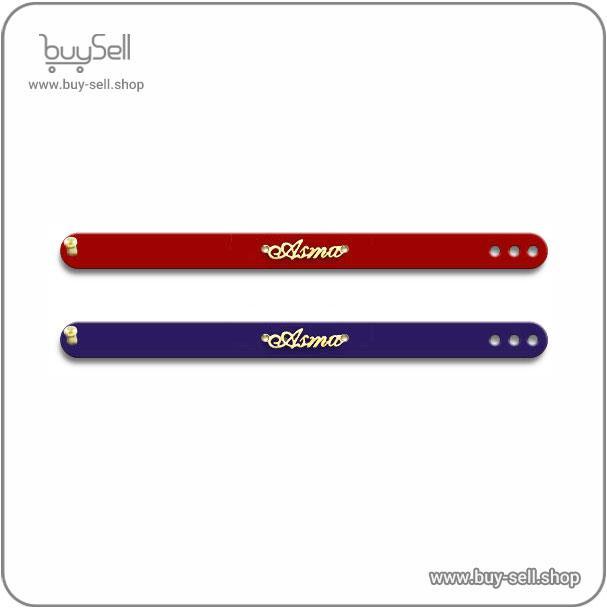
Product purchase offer: Bracelet and accessory pattern
Consider shopping for a leather jacket in a retail store. You notice the jacket's buttery texture and faint animal-like smell, with visible hair follicles on the surface—clear signs of genuine quality. In contrast, a suspiciously cheap alternative feels cool and slick, with a uniform texture that screams synthetic. Another scenario involves belts: a high-end option bends smoothly without resistance, its edges showing natural suede-like underlayers, while a low-quality one cracks at the flex points, revealing bonded scraps. Handbags present similar challenges; authentic ones have supple straps that mold to the hand, and interiors lined with matching leather, whereas fakes often use vinyl that peels over time. In online purchases, scrutinize product photos for close-ups of textures and read descriptions for terms like "full-grain" or "top-grain," which denote superior hides. These real-world examples illustrate how applying inspection methods leads to informed decisions, ensuring items withstand daily use.
Buyers often overlook key indicators, leading to disappointing purchases. One frequent error is relying solely on price; while bargains tempt, genuine leather commands a premium due to labor-intensive production, so ultra-low costs signal compromises like split hides or heavy finishes masking flaws. Another pitfall is ignoring labels—terms like "bonded leather" indicate ground scraps glued together, far from pure quality. Shoppers sometimes mistake corrected-grain leather, where surface imperfections are sanded and reprinted, for top-tier full-grain, which preserves the original hide. Testing in poor lighting can deceive, as synthetics mimic leather better in dim conditions. Additionally, neglecting care instructions post-purchase accelerates wear; improper cleaning strips natural oils, causing cracking. By steering clear of these oversights—always verify in natural light, question vague descriptions, and prioritize reputable sources—consumers safeguard against subpar investments.
To prevent acquiring low-quality leather, follow this straightforward checklist. First, source from trusted artisans or brands known for ethical tanning practices. Second, request certifications or origin details, ensuring the product specifies "genuine leather" without qualifiers. Third, perform tactile and visual checks as outlined earlier, prioritizing items with full-grain designations for unmatched durability. For maintenance, condition regularly with leather-specific balms to retain moisture, avoiding water exposure that warps fibers. Store in cool, dry places away from direct sunlight to prevent fading. If damage appears, consult professionals rather than DIY fixes that could worsen issues. This proactive approach not only identifies quality upfront but sustains it, turning a leather piece into a lasting heirloom.
In conclusion, mastering the identification of genuine leather quality empowers informed choices, blending tradition with practicality for enduring satisfaction.
When buying leather items, the first step is to grasp what makes quality leather stand out. Genuine leather comes from animal hides and varies in type, from full-grain, which retains the natural surface and is the highest quality, to top-grain, which is sanded and finished for a smoother look but still durable. Avoid anything labeled as "bonded leather," as it is made from scraps glued together and lacks longevity. To assess quality, touch the material—it should feel soft yet sturdy, with a natural grain pattern that doesn't look uniform or plastic-like. Check the edges; real leather shows a fibrous texture, not a clean cut. Smell is another indicator: high-quality leather has a rich, earthy scent, while synthetics often smell chemical. Understanding these basics helps you differentiate premium pieces from imitations, ensuring your purchase lasts for years.
Factors like tanning process influence quality too. Vegetable-tanned leather uses natural plant extracts, resulting in an eco-friendlier option that ages beautifully with patina over time. Chrome-tanned leather, processed with chemicals, is more water-resistant and common in everyday items like bags and belts. Consider the intended use: for outdoor gear, opt for treated leather that repels water, but for fashion accessories, untreated varieties develop character. By prioritizing these elements, you invest in items that not only look good but also perform well under daily wear.
Choosing the right place to buy leather goods can make a significant difference in value and satisfaction. Start with reputable retailers or artisans who specialize in leatherwork, such as local tanneries or established brands known for ethical sourcing. Online shopping offers convenience, but always verify the seller's return policy and customer reviews to gauge authenticity. In physical stores, interact with multiple pieces to compare textures and weights—lighter leather suits clothing, while heavier does for upholstery. Look for certifications like those indicating sustainable practices, which assure the leather is responsibly produced without harming the environment.
Timing your purchase can yield better deals. Seasonal sales, like end-of-year clearances, often feature discounts on leather apparel and accessories. Building relationships with sellers allows access to insider tips, such as upcoming restocks or custom orders. For unique finds, explore flea markets or craft fairs where handmade items prevail, but always negotiate politely and inspect closely for defects. Methods like these ensure you source leather that aligns with your budget and style preferences without compromising on craftsmanship.
A structured checklist streamlines the buying process and prevents oversights. First, evaluate the item's construction: seams should be even and reinforced, with hardware like zippers and buckles made of solid metal, not flimsy plastic. Test functionality—open and close fastenings multiple times to ensure smoothness. Next, consider sizing; leather can stretch slightly over time, so choose a fit that allows minor give without being too loose initially. For colored leather, check for even dyeing to avoid fading spots.
Following this checklist turns buying into a confident decision, helping you select leather goods that meet practical and aesthetic needs.
Buyers often fall into traps that lead to regret. One frequent error is prioritizing low price over quality, resulting in items that wear out quickly—fake leather might mimic the look but peels after minimal use. Another mistake is ignoring the source; mass-produced goods from unknown origins may use harmful dyes, causing skin irritation. Don't assume all leather is versatile; shoe leather, for instance, differs from jacket material in thickness and treatment, so match it to your purpose.
Overlooking maintenance is common too—neglecting to protect new leather from direct sunlight or moisture can cause cracking. In sample scenarios, a shopper might buy a bag during a flash sale without checking stitching, only to have it unravel soon after. Or, selecting a vibrant color without testing for colorfastness leads to bleeding during rain. To prevent these, research beforehand and trust your senses during inspection. By sidestepping such pitfalls, you enhance the longevity and enjoyment of your leather purchases.
Mastering buying tips for leather involves a blend of knowledge, caution, and intuition. From discerning quality markers to using a practical checklist, these strategies empower you to make informed choices. Whether acquiring a timeless wallet or a rugged jacket, focus on durability and personal fit. Over time, well-chosen leather items become heirlooms, rewarding your diligence with enduring style and functionality. Embrace the process, and your collection will reflect both sophistication and savvy.
Natural leather, derived from animal hides, is a durable and versatile material prized for its beauty and longevity when properly cared for. Unlike synthetic alternatives, genuine leather breathes and ages gracefully, developing a unique patina over time. However, it requires regular attention to prevent drying, cracking, or discoloration. The key to maintaining its supple texture lies in consistent, gentle care routines that respect the material's organic nature. Start by always checking the care instructions provided by the manufacturer, as different tanning processes can affect sensitivity to treatments. For instance, vegetable-tanned leather, which uses natural plant extracts, may respond differently to conditioners than chrome-tanned varieties. By understanding these basics, you ensure your leather investments remain in excellent condition for years, enhancing both functionality and aesthetic appeal.
To keep natural leather items like bags, jackets, or furniture looking pristine, incorporate simple daily cleaning habits. Begin with a soft, dry cloth or brush to remove surface dust and debris, which can accumulate and cause abrasion over time. Avoid using water or harsh chemicals initially, as moisture can lead to warping or staining if not handled correctly. For light dirt, a damp microfiber cloth wiped gently in the direction of the grain works wonders, followed by immediate drying with a clean towel. This method preserves the leather's natural oils without stripping them away. It's advisable to clean items weekly, especially those exposed to environments like offices or outdoors where pollutants might settle. Remember, over-cleaning can diminish the leather's protective finish, so moderation is essential. By adopting these techniques, you prevent minor issues from escalating, maintaining the item's value and appearance effortlessly.
Conditioning is a cornerstone of leather care, as it replenishes the natural oils that deplete through regular use and environmental exposure. Apply a high-quality leather conditioner every three to six months, depending on usage frequency. Choose products specifically formulated for natural leather, free from waxes or silicones that might alter the texture. Test the conditioner on a hidden area first to ensure compatibility, then use a clean applicator cloth to rub it in circular motions, allowing it to absorb fully before buffing off excess. This process not only prevents cracking but also restores softness and shine. For heavily used items like shoes or belts, more frequent conditioning might be necessary, particularly in dry climates where humidity levels are low. Proper moisturizing not only extends the lifespan of leather goods but also enhances their tactile appeal, making them feel luxurious to the touch. Neglecting this step can lead to brittle material that is prone to tears, underscoring the importance of proactive care.
How you store natural leather when not in use significantly impacts its condition. Always keep items in a cool, dry place away from direct sunlight, which can cause fading and drying. Use breathable dust bags or padded hangers for clothing and accessories to maintain shape without creasing. Avoid plastic bags or tightly sealed containers that trap moisture and promote mildew growth. For furniture, ensure adequate air circulation around pieces to prevent mustiness. If storing for extended periods, such as seasonal items, apply a light conditioner beforehand and check periodically for any signs of deterioration. Humidity control is crucial; aim for levels between 40-60 percent to mimic the leather's natural environment. Poor storage, like folding items awkwardly or exposing them to heat sources, can result in permanent creases or discoloration. By following these practices, you protect your leather from environmental stressors, ensuring it remains supple and ready for use whenever needed.
Stains on natural leather demand prompt, careful attention to avoid permanent damage. For water-based spills, blot immediately with a dry cloth without rubbing, then let it air dry naturally. Oil stains require a bit more strategy: sprinkle talcum powder or cornstarch to absorb the grease, leave it for several hours, and brush away the residue. For tougher spots, a mild soap solution applied with a soft cloth can help, but rinse sparingly and dry thoroughly. Avoid commercial cleaners unless specified for leather, as they might contain solvents that degrade the material. If repairs are needed, such as mending small tears or reattaching hardware, seek professional services to preserve integrity. DIY attempts with adhesives can often worsen the issue. Regular inspections for wear, like loose stitching, allow for early intervention. Mastering these repair basics empowers you to handle mishaps confidently, keeping natural leather looking its best without costly replacements.
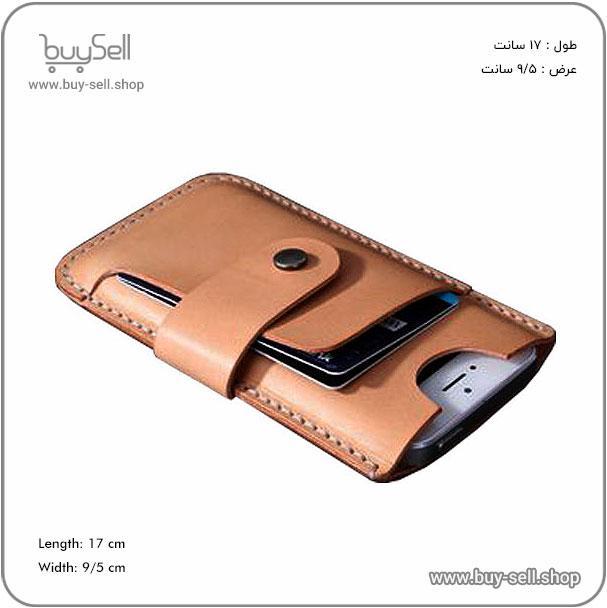
Product purchase offer: Leather Phone Case Pattern
Even with good intentions, certain care mistakes can harm natural leather irreversibly. One frequent error is overexposing items to extreme temperatures, whether freezing cold or scorching heat, which causes the fibers to contract or expand unnaturally. Another is using household cleaners like vinegar or bleach, whose acidity can etch the surface and strip protective layers. Skipping conditioning in favor of polishing only addresses appearance, not the underlying dryness that leads to cracking. Additionally, storing damp leather invites bacterial growth and odors. Heat drying after wetting, such as with a hairdryer, warps the shape and accelerates aging. To sidestep these pitfalls, educate yourself on product-specific needs and invest in appropriate tools. Awareness of these common errors fosters better habits, transforming leather care from a chore into a rewarding practice that sustains the material's timeless elegance and durability.

 Saeede Bayat
May 04, 2025
 Saeede Bayat
Apr 28, 2025

 Buy Sell
Apr 20, 2025
 Saeede Bayat
Apr 23, 2025
 Buy Sell
Oct 29, 2025

Subscribe to the Buy Sell newsletter and enjoy its benefits.