


No products in the cart.

Discover the 25 most frequent errors digital product sellers make. Learn how to avoid these pitfalls to boost your online sales and achieve greater success.
The inherent appeal of leather lies in its durability, unique texture, and timeless aesthetic. However, when a leather product falls short of expected quality standards, its shortcomings can manifest in various discernible ways, eroding its value and diminishing consumer satisfaction. These pitfalls often stem from issues in raw material selection, tanning processes, or manufacturing techniques. Common visual indicators of poor quality include inconsistent grain patterns, where sections of the leather appear unnaturally smooth or excessively rough, indicating uneven processing or inferior hide selection. Discoloration, streaking, or fading can point to inadequate dyeing methods or exposure to harsh conditions during production. Tactile defects might include an overly stiff or flimsy feel, suggesting improper tanning or a lack of natural oils. Furthermore, structural weaknesses such as loose stitching, fraying edges, weak seams, or poorly aligned components are direct consequences of substandard craftsmanship. Even subtle details like inadequate edge finishing or the presence of unpleasant chemical odors can signal underlying quality control failures, ultimately compromising the product's integrity and perceived value.
The consequences of poor product quality in the leather industry extend far beyond the immediate disappointment of a single purchase; they ripple through a brand's reputation and significantly impact consumer trust. For brands, consistently delivering subpar leather goods can lead to a rapid decline in credibility, tarnishing years of effort in building a strong market presence. The financial implications are substantial, including increased rates of returns, warranty claims, and customer service costs, all of which eat into profit margins. More critically, negative word-of-mouth and scathing online reviews can deter potential new customers, leading to reduced sales and a shrinking market share. In severe cases, a brand might face legal repercussions for misrepresentation or failure to meet advertised quality standards. From the consumer's perspective, receiving a low-quality leather product translates into wasted money and a frustrating experience. A wallet that tears prematurely, a bag with a faulty zipper, or shoes that quickly fall apart represent not just a financial loss but also a breach of trust. This dissatisfaction can lead to a permanent shift in purchasing habits, as consumers actively seek alternatives and share their negative experiences, thereby amplifying the damage to the original brand.
Product purchase offer: Bracelet and accessory pattern

Preventing poor product quality in leather goods requires a rigorous, multi-faceted approach to quality assurance that spans the entire production chain. The foundation of any high-quality leather product begins with the meticulous selection of raw hides. Brands must establish stringent criteria for sourcing, prioritizing hides free from excessive natural defects, scars, or branding marks, and ensuring they originate from reputable suppliers with ethical practices. The tanning process is equally critical; consistent adherence to precise chemical formulations, temperature controls, and drum rotation schedules is essential to achieve the desired suppleness, durability, and color fastness. Any deviation here can result in uneven texture, excessive stiffness, or premature cracking. During the cutting and manufacturing phases, precision is paramount. Skilled artisans and advanced machinery must ensure accurate cutting of patterns to minimize waste and ensure perfect alignment during assembly. High-quality threads, reinforced stitching at stress points, and durable hardware are non-negotiable components. Furthermore, implementing robust quality control checkpoints at every stage—from initial hide inspection and post-tanning evaluation to final product assembly and finishing—allows for early detection and rectification of defects. Comprehensive final inspections, covering aesthetics, functionality, and structural integrity, are the last line of defense against substandard products reaching the market. By embedding quality at every juncture, brands can consistently deliver leather goods that meet and exceed consumer expectations, safeguarding their reputation and fostering lasting loyalty.
Beyond initial production quality, a commitment to continuous improvement is vital for enhancing the longevity of leather products and sustaining customer satisfaction. This involves an ongoing analysis of customer feedback, return data, and warranty claims to identify recurring issues or areas for enhancement in materials or manufacturing processes. For instance, if a specific stitching style consistently fails, research into alternative thread types or reinforcement techniques should be undertaken. If certain leathers exhibit premature wear, exploring different tanning methods or protective finishes becomes necessary. Brands should also invest in researching and adopting innovative technologies that can improve efficiency, precision, and consistency in production, such as advanced cutting systems or specialized finishing treatments that enhance water resistance or scratch durability. Training and upskilling staff in new techniques, material science, and quality control protocols are equally important, ensuring that human expertise evolves alongside technological advancements. Ultimately, a proactive approach to understanding material science, embracing ethical sourcing, refining manufacturing processes, and actively listening to the voice of the customer creates a virtuous cycle. This commitment not only mitigates the pitfalls of poor product quality but also builds a resilient brand reputation, ensures product longevity, and cultivates a loyal customer base that values enduring quality over transient trends.
The landscape of digital products is vast and dynamic, encompassing everything from software subscriptions and online courses to digital art and premium content. While the marginal cost of distribution for digital goods is often near zero, the process of arriving at a sustainable, profitable, and market-appropriate price point is fraught with potential pitfalls. Many creators and businesses make fundamental errors that undermine their product's potential, affecting perceived value, market penetration, and ultimately, revenue streams. Understanding these common mistakes is the first step toward developing a robust and effective pricing strategy.
A prevalent mistake is to fixate solely on the idea that digital products have "zero marginal cost" once created, leading to an undervaluation of the offering. While reproducing a digital file incurs minimal cost, the significant upfront investment in research, development, design, content creation, and technical infrastructure is often overlooked. This oversight can result in pricing that fails to cover the true costs of creation and ongoing maintenance, making the business model unsustainable in the long run. Furthermore, an excessively low price can inadvertently signal low quality to potential customers, diminishing the perceived value of the product even if its utility is high.
Beyond initial development, digital products frequently demand continuous updates, feature enhancements, customer support, and server maintenance. Neglecting to factor these ongoing operational expenses into the pricing model is a critical error. A price that seems attractive initially might prove insufficient to support the necessary post-launch efforts, leading to a decline in product quality or customer satisfaction over time. A comprehensive understanding of both creation costs and long-term support obligations is essential for setting a price that reflects true value and ensures sustained viability.
Pricing a digital product in isolation, without thorough market research, is a recipe for missed opportunities or outright failure. Many businesses make the mistake of assuming their product's value in a vacuum, without understanding what competitors are charging, what the target audience is willing to pay, or how similar products are positioned. This can lead to prices that are either too high, deterring potential buyers, or too low, leaving significant revenue on the table and potentially signaling inferiority in a crowded market.
Effective market research involves analyzing competitor pricing strategies, identifying market gaps, and understanding customer demographics and purchasing power. It's not merely about matching the lowest price but about understanding the value proposition relative to alternatives. Ignoring these external benchmarks means missing crucial data points that could inform a more competitive and profitable pricing structure. A deep dive into the competitive landscape provides insights into industry norms and customer expectations, which are vital for strategic pricing decisions.
Setting a price and never revisiting it is another common mistake that can cripple a digital product's potential. The digital market is characterized by rapid change, evolving customer expectations, and emerging technologies. A static pricing strategy fails to adapt to these shifts, preventing businesses from optimizing revenue or responding effectively to market feedback. What was an appropriate price point at launch might become outdated or inefficient as the product matures, features are added, or market conditions change.
Successful digital product pricing requires an iterative approach. This involves continuous monitoring of sales data, conversion rates, customer feedback, and competitor movements. Businesses should be prepared to A/B test different price points, explore various pricing models (e.g., subscription, freemium, one-time purchase, tiered plans), and adjust their strategy based on performance metrics. Rigidity in pricing can lead to missed opportunities for growth and optimization, whereas an adaptable strategy allows for continuous improvement and maximization of market potential.
A significant error in digital product pricing is the failure to align the price with the specific needs and perceived value of different target audience segments. A "one-size-fits-all" pricing model often alienates a portion of the potential customer base. Some users may be willing to pay a premium for advanced features or dedicated support, while others might prioritize affordability for basic functionality. Overlooking these distinct segments means either under-serving high-value customers or overpricing for budget-conscious ones.
To avoid this, businesses should clearly articulate their product's unique value proposition and understand how different features resonate with various user groups. Implementing tiered pricing, offering different versions (e.g., basic, professional, enterprise), or bundling services can effectively address the diverse needs and willingness to pay across segments. When the price point accurately reflects the value delivered to a specific audience, conversion rates improve, and customer satisfaction is enhanced, leading to greater long-term success.
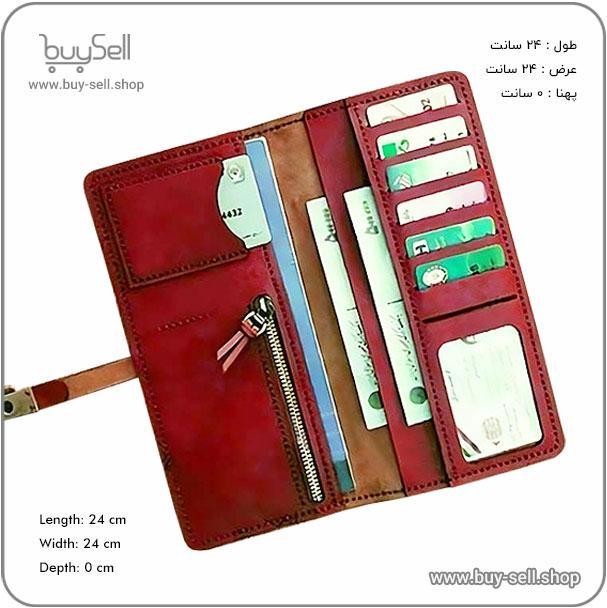
Product purchase offer: Leather pattern
Digital product pricing often neglects the psychological aspects that influence consumer buying decisions. Simply setting a round number like $100 can be less effective than a price like $99.99, which creates the perception of a lower cost. This strategy, known as "charm pricing," subtly influences how consumers perceive the value and affordability of a product. Furthermore, anchoring, where a higher price is shown first to make subsequent lower prices seem more attractive, is a powerful psychological tool often underutilized.
Ignoring these psychological tactics means missing opportunities to subtly guide customer perception and encourage conversions. Other elements like pricing product bundles (e.g., "buy two, get one free"), offering limited-time discounts to create urgency, or providing different payment plans can significantly impact purchasing behavior. Businesses that fail to integrate psychological pricing principles into their strategy might leave sales opportunities on the table, irrespective of the intrinsic value of their digital offering.
In the discerning world of leather goods, where tradition meets modern demand, marketing is not merely about promotion but about conveying quality, craftsmanship, and a compelling narrative. Despite the intrinsic appeal of leather, many brands fall victim to preventable marketing blunders that can undermine their efforts, dilute their brand identity, and ultimately impact their bottom line. Understanding and avoiding these pitfalls is crucial for establishing a strong market presence and fostering lasting customer loyalty. From misinterpreting consumer desires to failing to leverage digital platforms effectively, a strategic approach is paramount to success in this competitive industry.
One of the most frequent and debilitating marketing blunders in the leather industry is a failure to accurately define and understand the target audience. Without a clear picture of who you are trying to reach, marketing efforts become scattered and ineffective. Are you catering to the luxury segment, seeking bespoke, handcrafted items with a premium price tag? Or is your focus on durable, functional everyday leather goods for a more budget-conscious consumer? Perhaps your niche lies in sustainable, ethically sourced leather for environmentally aware buyers. Each segment requires a distinct messaging strategy, pricing approach, and distribution channel.
When brands fail to segment their audience properly, they risk creating generic campaigns that resonate with no one. An advertisement highlighting the ruggedness of a leather bag might alienate a luxury buyer interested in exquisite finish and delicate details, just as an emphasis on affordability could deter someone seeking artisanal quality. This misstep leads to wasted advertising spend, low conversion rates, and a diluted brand message that struggles to stand out in a crowded market. Effective audience understanding involves demographic analysis, psychographic profiling, and a deep dive into consumer behavior and purchasing motivations specific to leather products.
In an age where consumers seek genuine connections with the products they purchase, neglecting brand authenticity and storytelling is a significant marketing blunder. Leather, by its very nature, carries a rich history of craftsmanship, durability, and natural beauty. Brands that fail to weave this narrative into their marketing miss a powerful opportunity to differentiate themselves and build emotional resonance with customers. Generic descriptions and uninspired messaging make a brand indistinguishable from competitors, reducing its products to mere commodities rather than cherished items.
Authenticity extends beyond mere words; it encompasses transparency in sourcing, tanning processes, and the ethical practices employed. Consumers are increasingly scrutinizing the origins of their products, and vague claims about "genuine leather" without further detail can breed mistrust. Brands that openly share the journey of their leather – from the hides themselves, through the traditional vegetable-tanning methods, to the skilled hands of their artisans – create a compelling story that justifies their price point and fosters a deeper appreciation for their products. This narrative builds trust and loyalty, transforming casual buyers into passionate advocates for the brand's ethos.
In today's digital-first landscape, a lack of robust online presence and active engagement constitutes a critical marketing blunder. Many leather brands, particularly those with a focus on traditional craftsmanship, sometimes underestimate the importance of a strong digital footprint. This includes an outdated or non-mobile-responsive website, poor search engine optimization (SEO), and an inactive or inconsistent social media presence. Potential customers are increasingly discovering and researching products online, and if a brand is not easily found or presented professionally, it effectively ceases to exist for a significant portion of the market.
Neglecting SEO means that when consumers search for terms like "full-grain leather wallet," "vegetable-tanned briefcase," or "hand-stitched leather bag," your brand's website will not appear prominently in search results. This directly translates to lost organic traffic and missed sales opportunities. Similarly, an inconsistent or non-existent social media strategy prevents brands from engaging directly with their audience, showcasing new products, and building community. Furthermore, ignoring online reviews or failing to provide timely customer service via digital channels can quickly damage a brand's reputation, as negative feedback can spread rapidly and deter prospective buyers.
Leather products are inherently tactile and visually rich, making high-quality photography and detailed descriptions indispensable marketing tools. Underestimating their importance is a common blunder that can significantly impede sales, especially in e-commerce. Low-resolution images, poor lighting, or a lack of multiple angles fail to convey the texture, grain, stitching, and overall craftsmanship that define a quality leather item. Since customers cannot physically touch the product online, visuals must work harder to communicate its material integrity and aesthetic appeal.
Equally detrimental are sparse or generic product descriptions. It's not enough to simply state "leather bag." Consumers want to know the type of leather (e.g., full-grain, top-grain, corrected-grain), the tanning process (e.g., vegetable-tanned, chrome-tanned), the hardware materials, the lining, the dimensions, and the unique features that make the product special. Explaining the nuances, such as how full-grain leather develops a rich patina over time or the durability benefits of specific stitching methods, adds immense value. When brands skimp on these details, they leave customers with unanswered questions and an inability to fully appreciate the product's value, often leading to hesitation or abandonment of purchase.
Maintaining a consistent brand message and a clear value proposition across all marketing channels is fundamental; deviations from this principle represent a significant marketing blunder. Inconsistency can manifest in various ways: a luxury brand suddenly engaging in aggressive discounting, a handcrafted brand promoting mass-produced items, or different social media platforms conveying contradictory brand values. Such discrepancies confuse consumers, erode trust, and dilute the brand's carefully cultivated image. Customers become uncertain about what the brand stands for, making it difficult for them to form a lasting connection or understand the true worth of its products.
This blunder also extends to pricing strategies. While promotions can be effective, haphazard or frequent discounting of premium leather goods can cheapen the brand's perceived value and attract customers who are primarily motivated by price rather than quality or craftsmanship. Once a brand is perceived as "always on sale," it becomes challenging to command full price and difficult to position future high-value offerings. A clear, consistent value proposition, whether it's about unparalleled durability, timeless design, ethical production, or exclusive artistry, must be communicated uniformly through every customer touchpoint, from website copy to in-store experience, reinforcing the brand's promise and fostering unwavering loyalty.
In the discerning world of leather goods, where craftsmanship, quality, and heritage often define a brand's appeal, customer support is not merely an afterthought—it is an integral component of the product itself. Neglecting customer support, whether through delayed responses, inadequate information, or an overall lack of empathy, can rapidly erode customer trust and significantly undermine a brand's reputation. For businesses dealing with products that are often investments, like high-quality leather bags, jackets, or accessories, customers expect a level of service commensurate with the product's value. When this expectation is unmet, the repercussions can be far-reaching, transforming a potential brand advocate into a vocal detractor and severely impacting long-term viability in a competitive market.
The immediate consequences of neglecting customer support translate directly into tangible financial and reputational costs for leather businesses. Perhaps the most obvious impact is lost sales. A potential customer encountering unresponsiveness or unhelpful staff during their pre-purchase inquiry is highly likely to take their business elsewhere, often to a competitor perceived as more attentive. Beyond immediate transactions, poor service significantly diminishes customer lifetime value. Loyal customers, who repeatedly purchase and recommend products, are built on positive experiences that extend beyond the initial sale. When support falters, this loyalty evaporates, leading to a reduction in repeat business and a shrinking customer base.
Furthermore, the digital age amplifies the negative effects of poor customer service. Dissatisfied customers are quick to share their experiences on review platforms, social media, and forums. A single negative review or viral complaint can inflict substantial damage on a brand's image, a particularly critical concern for luxury or artisanal leather brands that rely heavily on their reputation for quality and integrity. Rebuilding a tarnished reputation requires considerable investment in marketing and public relations, often far exceeding the cost of providing excellent initial support. Internally, a constant stream of unresolved complaints can also demoralize customer-facing employees, leading to higher turnover and a decline in overall service quality, creating a vicious cycle that further entrenches poor service as the norm.
In the specific context of leather goods, several common pitfalls often lead to neglected customer support. One pervasive issue is slow or inconsistent response times to inquiries. Customers may have questions about leather types (e.g., full-grain vs. top-grain), care instructions, repair options, or the natural aging process (patina). Delayed or generic responses leave customers feeling unheard and undervalued. Another critical pitfall is a lack of deep product knowledge among support staff. When customers invest in premium leather, they expect knowledgeable answers regarding sourcing, tanning methods, durability, and specific product features. Inability to provide this detailed information erodes confidence in both the product and the brand.
Moreover, unclear or overly rigid return and exchange policies can create significant friction. Leather products, particularly those that are handcrafted or personalized, can sometimes present unique challenges post-purchase. Businesses that make the return or warranty claim process overly cumbersome or unclear risk alienating customers who feel their legitimate concerns are being dismissed. Impersonal communication, relying solely on automated systems without a human touch, also contributes to neglect. While automation has its place, the tactile and personal nature of leather often calls for a more nuanced and empathetic interaction. Lastly, failing to manage customer expectations regarding the natural variations in leather, such as unique grain patterns or initial stiffness, without proper education, can lead to dissatisfaction that excellent support could otherwise preemptively address.
Preventing customer neglect and fostering strong loyalty in the leather industry requires a proactive and customer-centric approach. A foundational strategy is to invest heavily in comprehensive staff training. Every customer service representative should possess an in-depth understanding of all leather types, product lines, manufacturing processes, and care guidelines. This expertise enables them to provide accurate, confident, and helpful responses, instilling trust in the customer. Establishing clear and efficient communication channels is also vital, offering multiple accessible options such as email, phone, live chat, and even dedicated social media support, with defined service level agreements for response times.
Furthermore, transparency and fairness in policies are paramount. Clearly articulated return, exchange, and warranty policies, designed with the customer in mind, reduce ambiguity and potential disputes. Businesses should also embrace proactive communication; rather than waiting for issues to arise, provide customers with detailed care instructions, break-in guides, and information about the unique characteristics of their leather product at the point of sale or shortly thereafter. Personalized follow-ups, such as post-purchase check-ins or exclusive offers for returning customers, demonstrate appreciation and encourage repeat business. Actively soliciting and genuinely responding to customer feedback, whether through surveys, review platforms, or direct engagement, provides invaluable insights and shows customers their opinions matter, transforming potential complaints into opportunities for improvement and solidifying long-term relationships.
A significant pitfall for online digital product sellers is neglecting the complex landscape of data privacy regulations. Laws like the GDPR in Europe and the CCPA in California impose strict requirements on how customer data is collected, stored, processed, and protected. Failure to comply can result in substantial fines, reputational damage, and loss of trust. It is crucial to implement clear privacy policies and terms of service that explicitly inform users about data practices, consent mechanisms, and their rights regarding personal information. Beyond mere compliance, building a robust data protection framework demonstrates a commitment to customer privacy, acting as a key differentiator. Ensuring your platform and any third-party tools used are also compliant is an ongoing responsibility, vital for continuous business integrity.
The digital realm poses constant security threats, making an online seller's platform a prime target. Inadequate cybersecurity exposes sensitive customer information, payment details, and digital products to unauthorized access. Implementing strong security protocols, such as SSL certificates for website encryption, robust firewalls, and regular security audits, is essential. Crucially, enforcing Two-Factor Authentication (2FA) for both administrative access and, where applicable, for customers, adds a vital layer of security. 2FA requires users to verify identity via two distinct methods, like a password plus a phone code, drastically reducing unauthorized access risks even if a password is compromised. Regular software updates, strong password policies, and employee training against phishing are also critical components of a comprehensive cybersecurity strategy, protecting both your business and your clientele.
Digital products inherently represent intellectual property, encompassing e-books, software, templates, or digital art. A common mistake is either failing to adequately protect one's own creations or inadvertently infringing on others' rights. Before launching, sellers must understand copyright laws and, where suitable, consider trademarking their brand or unique product features. Clear licensing terms, outlining how customers can use your digital products, are vital to prevent unauthorized distribution or modification. Conversely, meticulously ensure all components—images, fonts, code, content—are original, properly licensed, or fall under fair use. Ignorance offers no defense; infringement claims lead to costly legal battles and reputational harm. Proactive intellectual property management is fundamental for sustainable digital commerce success.
Product purchase offer: leather bag pattern

As digital products increasingly integrate with decentralized technologies, understanding blockchain and digital asset security becomes crucial, especially for unique collectibles or tokenized items. A pivotal concept is the "Seed Phrase," a series of 12 or 24 words serving as a master key to a cryptocurrency wallet or digital asset account. Loss or compromise of this Seed Phrase means permanent, irreversible loss of access to assets, as no central recovery mechanism exists. Similarly, comprehending an "Externally Owned Account" (EOA) is vital; this is a basic blockchain account controlled by a private key, typically owned by an individual for transaction sending. Unlike smart contract accounts, EOAs are directly managed by cryptographic keys. Securing these private keys and Seed Phrases is foundational for managing digital assets, underscoring the necessity for careful education and robust self-custody practices to prevent irreparable losses.
The terms governing the sale and licensing of a digital product form a legally binding contract. Many sellers err by having vague, incomplete, or absent terms of service and licensing agreements, leading to disputes over usage rights, refunds, or support. For instance, clearly define if a buyer can resell a digital template or modify it for commercial purposes. These specifics require transparent communication. Emerging standards, such as "EIP-7702" (Ethereum Improvement Proposal 7702), aim to enhance flexibility and security for blockchain account interactions, potentially enabling more sophisticated and secure digital contracts and payment flows for Web3 products. While complex, EIP-7702 facilitates adaptable account control, impacting how decentralized digital product licensing might be structured. Clear, legally sound, and accessible contracts are paramount for protecting both seller and buyer, fostering trust, and preventing future legal entanglements.
Beyond legal and security considerations, technical infrastructure presents common pitfalls. Many digital product sellers underestimate the demands of scaling operations or fail to foresee system failures. Inadequate hosting can cause slow loading times, downtime, and a poor user experience, directly affecting sales and customer satisfaction. The absence of robust backup and recovery strategies for digital products and customer data is a critical oversight; a system crash or breach could erase years of work. Investing in reliable hosting, content delivery networks (CDNs) for global reach, and regular performance testing under various loads is imperative. Furthermore, a clear technical support plan, including FAQs, troubleshooting guides, and responsive customer service, is crucial for swift issue resolution. Proactive monitoring and maintenance are significantly more cost-effective than reactive crisis management, ensuring a smooth and dependable experience for your digital product customers.

 Saeede Bayat
May 04, 2025

 Buy Sell
Apr 20, 2025
 Saeede Bayat
Apr 28, 2025
 Saeede Bayat
Apr 23, 2025
 Buy Sell
Oct 25, 2025

Subscribe to the Buy Sell newsletter and enjoy its benefits.