Your Cart
×
Discover 30 top-selling leather file designs known for their timeless appeal and consistent demand. Find the perfect style for organization and elegance.
In an increasingly digital world, where paper documents are often relegated to virtual clouds, the enduring appeal of physical leather files might seem anachronistic. Yet, the demand for these tactile, luxurious items persists, transcending mere utility to embody a statement of quality, professionalism, and timeless style. Leather files, whether they are sleek document folders, expansive portfolios, or robust briefcases, continue to hold a significant place in the professional and personal lives of discerning individuals. Their allure is multifaceted, stemming from a unique combination of material properties, aesthetic charm, and the inherent value of craftsmanship that synthetic alternatives simply cannot replicate. They are not merely containers for papers; they are guardians of important work, symbols of dedication, and elegant extensions of one's personal brand.
At the core of leather files' enduring desirability is their unparalleled durability and the superior protection they offer. Genuine leather, known for its robust strength and resilience, naturally withstands the rigors of daily use far better than plastic, fabric, or faux leather materials. Its dense, interwoven fibers provide an inherent resistance to tears, punctures, and abrasions, ensuring that valuable documents, contracts, and presentations remain pristine and secure. This physical fortitude means a well-made leather file isn't just a temporary solution but a long-term asset, capable of safeguarding critical information for years, even decades.
Beyond its structural integrity, leather also offers a degree of natural resistance to moisture and minor spills, acting as a reliable barrier against common accidents that could otherwise compromise important papers. The material's flexibility allows it to conform without cracking, while its inherent thickness provides a protective cushion, shielding contents from bumps and impacts. Unlike flimsier options that quickly show signs of wear and tear, a quality leather file maintains its form and protective capabilities, making it an indispensable tool for anyone who values the physical integrity of their documents, from legal professionals to creative artists.
The aesthetic impact of a leather file is undeniable, playing a crucial role in its continued high regard. The rich textures, varying grains, and natural sheen of genuine leather exude an air of sophistication and professionalism that instantly elevates one's image. Carrying a finely crafted leather file is a subtle yet powerful statement, signaling an appreciation for quality, attention to detail, and a commitment to excellence. In business environments, where first impressions are paramount, such an accessory can significantly contribute to perceptions of competence and reliability, distinguishing the bearer from those who opt for less refined options.
The visual and tactile qualities of leather are inherently pleasing. Its smooth, supple feel in the hand, the subtle aroma, and the deep, varied color palettes contribute to an overall luxurious experience. This sensory engagement transforms a simple act of carrying documents into a more refined interaction. A leather file effortlessly complements professional attire and seamlessly integrates into executive settings, boardrooms, and client meetings. It's not merely functional; it's a fashion accessory that enhances one's professional presence, projecting confidence and a polished demeanor that synthetic materials, regardless of their design, often struggle to achieve.
A significant part of leather files' enduring appeal lies in the craftsmanship invested in their creation and the unique character they develop over time. High-quality leather files are often the product of skilled artisans who employ traditional techniques, from precise cutting and meticulous stitching to careful edge finishing. This dedication to craftsmanship ensures not only structural integrity but also an exquisite level of detail and finish that machine-made, mass-produced items cannot replicate. Each stitch, each edge burnished to perfection, speaks volumes about the care and expertise poured into its making, distinguishing it as a piece of functional art.
Furthermore, unlike many materials that degrade or look worn with age, genuine leather famously develops a unique "patina." This natural process involves the leather darkening, softening, and acquiring a rich sheen in areas that are frequently touched or exposed. The patina is not a flaw but a desirable characteristic, a visual testament to the file's journey and use, telling a story of its owner and the important work it has witnessed. This evolving beauty ensures that a leather file becomes more personal and unique over time, acquiring a charm and depth that makes it increasingly cherished, solidifying its status as a timeless and individualistic possession.
Product purchase offer: Leather pattern
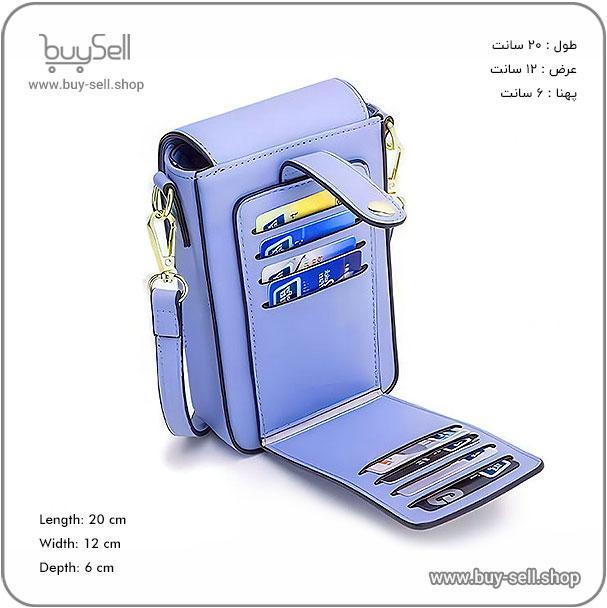
Beyond aesthetics and durability, leather files represent a sustainable choice and a wise long-term investment. As a natural material, leather is a byproduct of the meat industry, utilizing hides that would otherwise be discarded. When processed responsibly, it is biodegradable, contrasting sharply with synthetic materials derived from fossil fuels which contribute to plastic waste. The exceptional longevity of a leather file means it rarely needs replacing, thus reducing consumption and minimizing environmental impact associated with frequent purchases of less durable alternatives. This inherent sustainability aligns with a growing global awareness of eco-conscious choices.
While the initial cost of a high-quality leather file may be greater than its synthetic counterparts, its extended lifespan and enduring style make it an incredibly cost-effective investment over decades. It avoids the cycle of repeated purchases, ultimately saving money and resources in the long run. Moreover, a well-maintained leather file often retains significant value, becoming an heirloom piece that can be passed down through generations. This combination of ecological responsibility, economic prudence, and lasting value ensures that leather files will continue to be coveted items, cherished for their intrinsic qualities and their meaningful contribution to a more sustainable and sophisticated way of life.
In the intricate world of leather crafting, precision and finish are paramount. While often associated with cutting and stitching, the role of abrasive tools, colloquially referred to here as diverse "file styles," is equally critical in achieving professional results. These specialized implements are not merely for shaping rigid materials; they are essential for refining edges, preparing surfaces for bonding or finishing, and even sculpting complex three-dimensional forms from robust leather. Understanding the various types of these abrasive tools and their specific applications empowers artisans to elevate the quality, durability, and aesthetic appeal of their leather goods. This exploration delves into the nuanced world of leather abrasion, highlighting how the right 'file style' can transform a raw edge into a masterpiece of craftsmanship.
At its core, working with leather, especially heavier vegetable-tanned varieties, often necessitates the removal of material or the creation of a refined contour. This is where abrasive tools, akin to files used in woodworking or metalworking, come into play. For the leather artisan, "file styles" encompass a range of hand and power tools designed to abrade, smooth, and shape leather fibers. Their primary function is to prepare edges for burnishing or painting, to reduce thickness in specific areas for seamless joins (skiving preparation), or to sculpt the overall form of a piece, such as a belt blank or a molded case. Without these tools, achieving crisp lines, smooth transitions, and uniform thickness would be significantly more challenging, if not impossible. The judicious selection and application of these abrasive implements directly impact the final look and longevity of any leather item, making them indispensable in both bespoke and production environments.
The spectrum of tools used for abrasive tasks in leather working is broad, each designed for specific purposes and leather types. Navigating these "file styles" requires an understanding of their construction and intended use. Primarily, these can be categorized by their aggression, form factor, and method of application:
The selection of the appropriate abrasive implement is contingent upon the leather's temper, thickness, the desired outcome (e.g., aggressive shaping versus fine finishing), and the specific stage of the crafting process.
Mastering the use of diverse "file styles" in leather crafting goes beyond merely owning the tools; it requires an understanding of effective techniques and their practical applications. The primary goal is always to achieve a cleaner, more refined, and durable finish without damaging the integrity of the leather. For edge work, the process often begins with a coarser abrasive to remove irregularities left by cutting, followed by progressively finer grits to smooth the surface. This creates a uniform foundation essential for effective burnishing or the smooth application of edge paint. When shaping thicker materials, such as forming the curve of a belt or the contours of a holster, rasps are used to remove bulk efficiently, followed by files and then sanding blocks to refine the form and achieve a smooth transition.
Precision is key; applying even pressure and working with controlled, consistent strokes prevents uneven wear or undesirable divots. For instance, when using a sanding block on an edge, moving the block parallel to the edge in a back-and-forth motion ensures a flat, even surface. When working with curves, gently rotating the leather or using a contoured sanding stick helps maintain the desired radius. Furthermore, abrasive tools are sometimes employed subtly to create specific textures or to slightly distress a surface, adding character and depth to the leather. This technique, however, requires a delicate touch to avoid irreversible damage. Regardless of the specific application, understanding the properties of the leather—its density, fiber structure, and reaction to abrasion—is crucial for successful and controlled manipulation, ensuring that each piece benefits from meticulous attention to its 'file style' requirements.
To consistently achieve superior results with abrasive tools in leather crafting, adhering to best practices is essential. Firstly, always begin with the appropriate grit or cut. Starting too fine on rough material will be inefficient, while starting too coarse on delicate leather can cause irreparable damage. A progressive approach, moving from coarser to finer abrasives, is almost always recommended to gradually refine the surface without aggressive material removal at the final stages. Secondly, maintain your tools. Clean rasps and files regularly to prevent leather dust and fibers from clogging their teeth, which reduces their effectiveness. Replace worn-out sanding papers and blocks promptly, as dull abrasives can scratch rather than smooth. Thirdly, work on a stable surface, securing your leather workpiece to prevent movement, which can lead to uneven results or accidental slips.
Another critical practice involves understanding the nuances of different leather types. Vegetable-tanned leather, with its dense fiber structure, responds well to aggressive shaping and holds a smooth finish beautifully. Chrome-tanned leathers, being softer and more pliable, require a much lighter touch with finer grits to avoid tearing or marring the surface. Always test your abrasive tool and technique on a scrap piece of the same leather before working on your main project. This allows you to gauge the aggression and observe how the material reacts. Finally, proper ventilation is crucial, as the abrasion of leather can release fine dust particles. By integrating these best practices, artisans can harness the full potential of diverse 'file styles,' ensuring every leather item exhibits the hallmark of professional craftsmanship.
The inherent beauty and tactile pleasure of leather products are often what first captivate us, but it is their enduring qualities that truly secure their place as cherished possessions. For an item to possess lasting appeal, it must transcend fleeting trends and offer sustained value, both aesthetically and functionally. This longevity is not accidental; it is a direct result of meticulous choices made at every stage, from the raw material selection to the final design and construction. Understanding these foundational features allows consumers to appreciate the true craftsmanship and inherent value in leather goods that are built to last and improve with age.
The journey to lasting appeal begins unequivocally with the selection of the hide itself. Not all leather is created equal, and the grade of leather significantly dictates a product's durability, feel, and how gracefully it will age. Full-grain leather, for instance, represents the highest quality, retaining the natural grain of the hide with all its imperfections and character. This untampered surface is not only exceptionally strong but also allows the leather to develop a rich, unique patina over time—a softening and darkening that tells the story of its use and exposure. In contrast, corrected-grain or bonded leathers, while sometimes more uniform in appearance, often lack the strength and natural breathability of full-grain, diminishing their long-term resilience and ability to develop a desirable aged look.
Beyond the grade, the tanning process plays an equally critical role. Vegetable-tanned leather, utilizing natural tannins found in bark and other plant matter, is renowned for its stiffness, strength, and ability to hold its shape, making it ideal for items like belts, wallets, and structured bags. This traditional method results in leather that darkens beautifully and gains character with age. Chrome-tanned leather, while faster and more pliable, offers excellent resistance to water and heat, making it suitable for upholstery, garments, and items requiring a softer drape. The choice of tanning method is not merely a technical detail; it is a fundamental decision that predetermines the leather's inherent characteristics and, consequently, its ability to withstand the test of time and maintain its aesthetic integrity for decades.
Even the finest leather can be undermined by subpar craftsmanship. The skill with which leather is cut, stitched, and assembled directly impacts a product's longevity and its overall lasting appeal. Precision cutting ensures that components fit together perfectly, reducing strain points and preventing premature wear. High-quality stitching, often executed with strong, waxed threads, is paramount. Saddle stitching, for example, is a traditional hand-stitching technique that creates an incredibly durable seam, as each stitch is independently locked, preventing the entire seam from unraveling if a single thread breaks. Machine stitching, while efficient, must still employ appropriate thread types and stitch densities to ensure robustness.
Hardware selection is another crucial aspect. Zippers, buckles, snaps, and rivets are not merely decorative; they are functional components that endure constant use. Solid brass, stainless steel, or high-grade nickel hardware offers superior strength and resistance to corrosion and tarnishing compared to cheaper, plated alternatives. Thoughtful edge finishing, whether burnished, painted, or rolled, protects the raw edges of the leather from fraying and moisture ingress, significantly extending the product's lifespan and enhancing its visual neatness. Every detail, from the reinforcement of stress points to the alignment of panels, contributes to a product's structural integrity and its capacity to remain beautiful and functional year after year.
Beyond the intrinsic quality of materials and the excellence of execution, certain aspects of design and subsequent care play a vital role in ensuring lasting appeal. A timeless design, free from fleeting trends, ensures that a leather item remains relevant and stylish for generations. Classic silhouettes, clean lines, and functional layouts contribute to a piece that can seamlessly integrate into various styles and periods. Such designs often prioritize utility without sacrificing elegance, proving that true beauty often lies in simplicity and thoughtful functionality.
Furthermore, the concept of patina is central to leather's enduring charm. Patina is the natural sheen and darkening that develops on the surface of quality leather over time, a result of exposure to oils from the skin, sunlight, and general wear. It is a unique fingerprint of the item's life, adding depth, character, and individuality that cannot be replicated artificially. This evolving aesthetic makes each leather product truly unique to its owner, transforming it from a mere commodity into a personal artifact with a story. Lastly, proper maintenance is indispensable for preserving leather's appeal. Regular cleaning, conditioning, and protection from extreme elements help to keep the leather supple, prevent cracking, and maintain its vibrancy. A well-cared-for leather item will not only look better but will also last significantly longer, proving that lasting appeal is a collaborative effort between the maker and the owner, fostering a connection that deepens with every passing year.
Leather, as a material, has transcended mere utility to become a canvas for unparalleled artistry and innovation. The realm of leather design is vast and dynamic, encompassing everything from traditional artisan craftsmanship to cutting-edge contemporary aesthetics. This exploration shines a light on the exceptional creativity and meticulous execution that define the most coveted leather goods today. From the enduring elegance of timeless pieces to the audacious appeal of modern interpretations, these designs not only serve a practical purpose but also tell a story of heritage, skill, and forward-thinking vision. Each top design represents a harmonious blend of material integrity, functional brilliance, and aesthetic appeal, establishing new benchmarks for quality and style in the industry.
Product purchase offer: leather keychain patterns
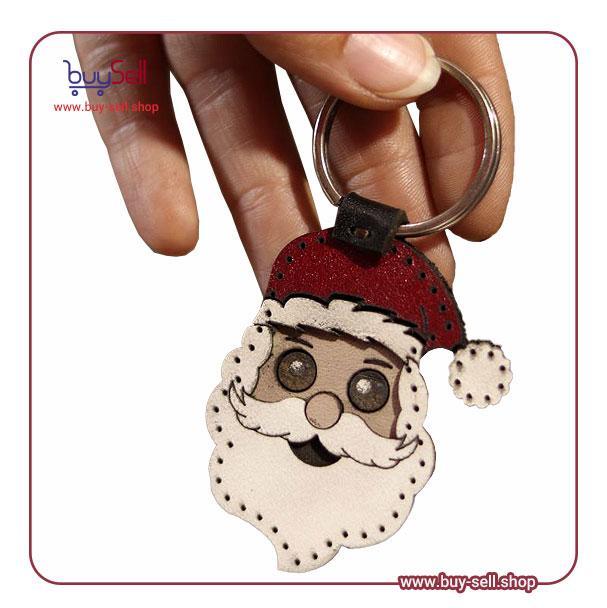
The foundation of exceptional leather design often lies in its ability to withstand the test of time, both in terms of durability and aesthetic relevance. Classic designs, frequently inspired by historical utility and traditional forms, exhibit an enduring appeal that transcends fleeting trends. Consider the archetype of the structured briefcase, the understated elegance of a bifold wallet, or the robust utility of a well-crafted pair of leather boots. These pieces derive their timelessness from their inherent practicality, clean lines, and the quality of the materials used. Full-grain leather, known for its unparalleled strength and ability to develop a rich patina over time, is often the material of choice for such designs, ensuring longevity and character. The craftsmanship involved, often passed down through generations, emphasizes meticulous hand-stitching, precise cutting, and careful finishing, contributing to items that are not just accessories but heirlooms. The beauty of these classics is their seamless integration into diverse styles and occasions, proving that true design excellence is rooted in functional artistry and a deep respect for the material's natural properties.
While honoring tradition, the world of leather design is also a hotbed of innovation, constantly pushing boundaries and redefining what is possible with this versatile material. Modern designers are embracing new techniques, sustainable practices, and contemporary aesthetics to create pieces that resonate with today's dynamic lifestyles. This involves exploring novel finishing processes that yield unique textures, colors, and effects, from distressed vintage looks to high-gloss patent finishes. The integration of technology is also a significant trend, with designs incorporating features like RFID protection in wallets, padded compartments for electronic devices in bags, and ergonomic considerations for daily comfort. Advanced manufacturing techniques, such as laser cutting for intricate patterns or sophisticated machinery for seamless bonding, allow for complex and precise designs that were once challenging to achieve manually. Furthermore, a growing emphasis on ethical sourcing and eco-friendly tanning processes reflects a broader commitment to sustainability. These modern interpretations demonstrate a willingness to experiment with form, function, and philosophy, ensuring leather remains relevant and exciting in an ever-evolving market, appealing to a generation that values both style and conscious consumption.
What truly elevates a leather item from being merely functional to a top design involves a confluence of critical elements, each contributing to its overall quality and desirability. Firstly, material selection is paramount; the choice of leather—be it supple calfskin, rugged buffalo hide, or exotic alligator—directly impacts the product's feel, durability, and aesthetic. The type of tanning process also plays a crucial role, influencing everything from the leather's color vibrancy to its resistance to wear and tear. Secondly, impeccable craftsmanship is non-negotiable. This includes precise pattern cutting, consistent and durable stitching (often saddle-stitching for superior strength), neatly burnished or painted edges, and expertly set hardware. The quality of hardware, such as buckles, zippers, and clasps, must match the excellence of the leather itself, both in material and finish, ensuring both functionality and aesthetic coherence. Thirdly, the design must offer superior functionality and ergonomics. A bag should distribute weight comfortably, a wallet should organize essentials efficiently, and a jacket should allow for freedom of movement while providing protection. Lastly, the design’s aesthetic balance, encompassing proportion, line, and texture, must be pleasing and harmonious. Top designs often possess a distinct narrative or signature element that makes them instantly recognizable and desirable, reflecting a deep understanding of the material's potential and the user's needs, culminating in a product that is both beautiful and built to last for generations.
When selecting a leather file, the type and grade of leather are paramount to its appearance, durability, and overall feel. Full-grain leather, considered the highest quality, retains the natural texture and imperfections of the hide, offering exceptional strength and developing a rich patina over time. Top-grain leather is slightly sanded to remove blemishes, resulting in a smoother finish while still maintaining good durability. Genuine leather is a broader term, often referring to a multi-layered leather that is less durable than full-grain or top-grain, but more affordable. Bonded leather, made from scraps compressed with an adhesive, is the least durable and tends to peel over time. Understanding these distinctions helps you gauge the longevity and investment value of your chosen file, ensuring it meets your expectations for both aesthetics and resilience in daily use.
Product purchase offer: leather bag pattern
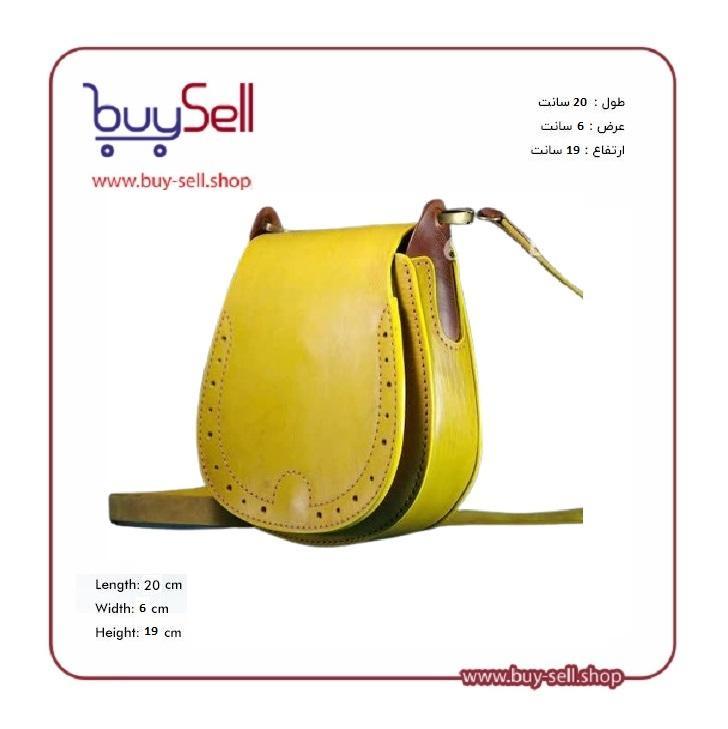
The practicality of your leather file largely depends on its size and storage capacity, which should align with your specific requirements. Evaluate the common document sizes you typically carry, such as A4, letter, or legal, to ensure a snug and secure fit. Some files are designed for a few essential documents, offering a sleek, minimalist profile, while others feature expansive compartments capable of holding multiple binders, a laptop, and various accessories. Look for files with gusseted pockets that allow for expansion, enabling you to carry more without compromising the file's structural integrity. Internal organization, including dedicated sleeves for tablets or smaller notebooks, can significantly enhance functionality, keeping your contents neatly arranged and easily accessible, preventing creasing or damage to important papers.
The visual appeal of your leather file makes a significant statement, reflecting your personal style and professional demeanor. Leather files come in a vast array of designs, from classic portfolios with simple flap closures to sophisticated zippered briefcases. Consider the overall aesthetic you wish to convey; a polished, structured design often suits formal business environments, while a softer, more relaxed style might be appropriate for creative or casual settings. Pay attention to details such as the color of the leather, which can range from traditional browns and blacks to contemporary shades like navy or burgundy, and the finish, whether it's smooth, pebbled, or distressed. The stitching quality, hardware (zippers, buckles, clasps), and interior lining also contribute to the file's perceived value and elegance. Choosing a design that resonates with your taste ensures your leather file is not just functional, but also a cherished accessory.
A leather file is an investment, and its longevity is directly tied to the quality of its construction and craftsmanship. Examine the stitching carefully; sturdy, even stitching using strong thread (often nylon or polyester for durability) indicates a well-made product that will withstand regular use. High-quality hardware, such as solid brass or nickel-plated zippers and clasps, will operate smoothly and resist tarnishing or breakage over time. Reinforcement at stress points, such as where handles attach or corners are formed, is crucial for preventing wear and tear. A robust interior lining, perhaps made of suede or durable fabric, protects your documents and adds to the file's overall luxurious feel. Investing in a meticulously crafted leather file ensures it will not only endure for many years but also maintain its sophisticated appearance, making it a reliable companion for your professional life.
Beyond aesthetics and durability, the practical features and ergonomic considerations of a leather file significantly impact its daily usability. Think about how you will carry the file: does it have comfortable handles that are easy to grip, or an adjustable, padded shoulder strap for hands-free transport? Internal organization is key; look for features like pen loops, card slots, smartphone pockets, and specific compartments for different document types or even a laptop. Easy access to your essentials is vital, so consider the closure mechanism – a smooth-gliding zipper, a secure magnetic flap, or a classic buckle. The overall weight of the file, especially when loaded with documents, should also be a factor, as a heavy file can become cumbersome for prolonged carrying. A well-designed leather file seamlessly integrates into your routine, enhancing efficiency and comfort without sacrificing style.
follow us in telegram & instagram
Determining your budget is a practical step in choosing your perfect leather file, but it’s equally important to consider the value proposition. While full-grain leather files with superior craftsmanship naturally command a higher price, they also offer unparalleled durability and aesthetic appeal that improves with age, making them a wise long-term investment. Mid-range options, often crafted from top-grain or genuine leather, provide a good balance between cost and quality, suitable for those seeking a stylish yet more accessible choice. Less expensive options, potentially using bonded leather, might serve a temporary need but typically lack the resilience and sophisticated look of higher-grade materials. Evaluate the anticipated frequency of use and the importance of the impression you wish to make. Investing in a quality leather file is not merely an expense; it’s an asset that supports your professional image and organization for years to come, reflecting a commitment to quality and attention to detail.

 Saeede Bayat
May 04, 2025
 Saeede Bayat
Apr 28, 2025

 Buy Sell
Apr 20, 2025
 Saeede Bayat
Apr 23, 2025
 Buy Sell
Oct 25, 2025
Subscribe to the Buy Sell newsletter and enjoy its benefits.