Your Cart
×
Explore how laser engraving technology is transforming manufacturing, fashion, automotive, and other industries with precision and creativity.
Laser engraving has revolutionized the leather goods industry by introducing precision, efficiency, and creative possibilities that traditional methods cannot match. This technology utilizes concentrated beams of light to etch designs, patterns, and text onto leather surfaces, creating permanent marks without physical contact. The process has become indispensable for manufacturers seeking to add personalization, branding, and decorative elements to their products while maintaining high production standards.
The laser engraving process works by directing a focused laser beam onto the leather surface, which removes material through vaporization or causes color changes through controlled burning. CO2 lasers are the most commonly used type for leather applications, operating at wavelengths that leather absorbs efficiently. The laser beam follows a computer-generated path, translating digital designs into physical engravings with exceptional accuracy. The depth and intensity of the engraving can be adjusted by modulating the laser's power, speed, and frequency settings, allowing artisans to achieve effects ranging from subtle surface markings to deep reliefs.
Different leather types respond uniquely to laser treatment. Full-grain leather typically produces rich, dark engravings with clear contrast, while vegetable-tanned leather offers excellent results for detailed work. Synthetic leathers may require specific parameter adjustments to prevent melting or uneven burning. Understanding these material characteristics ensures optimal results and prevents damage to valuable leather stock.
Laser engraving offers several compelling advantages compared to conventional techniques such as stamping, embossing, or hand-tooling. The non-contact nature of the process eliminates mechanical stress on the leather, preventing stretching, distortion, or structural damage. This makes laser engraving particularly suitable for delicate or thin leathers that might not withstand pressure-based methods.
Precision represents another significant benefit. Laser systems can reproduce intricate designs, fine text, and complex graphics with microscopic accuracy, achieving detail levels impossible with manual tools. This capability enables manufacturers to incorporate elaborate logos, photorealistic images, and detailed patterns that elevate product aesthetics and brand recognition.
Efficiency and scalability further distinguish laser technology. Once a design is programmed, it can be replicated identically across thousands of pieces without variation or fatigue. This consistency ensures quality control in mass production while dramatically reducing labor costs and production time. Additionally, the digital nature of laser engraving allows for rapid design changes and customization without requiring new physical tools or dies.
Product purchase offer: Laser Cut Office Desk Organizer Files

The versatility of laser engraving has opened numerous applications across the leather goods sector. Personalization services have become increasingly popular, with manufacturers offering custom monograms, names, and messages on wallets, belts, bags, and journals. This capability creates unique customer experiences and adds value to otherwise standard products.
Brand identification represents another critical application. Companies use laser engraving to apply logos, serial numbers, and authentication marks on their products, helping combat counterfeiting while reinforcing brand identity. The permanent nature of laser marks ensures these identifiers remain legible throughout the product's lifetime.
Decorative applications showcase the artistic potential of laser technology. Designers create ornamental patterns, textures, and imagery that transform plain leather into visually striking surfaces. Fashion accessories, upholstery, and luxury goods frequently feature laser-engraved embellishments that distinguish them in competitive markets.
Achieving optimal results with laser engraving requires attention to several critical factors. Proper material preparation is essential; leather should be clean, flat, and free from oils or treatments that might interfere with the engraving process. Testing parameters on scrap pieces before working on final products prevents costly mistakes and helps identify ideal settings for specific leather types.
Ventilation and safety measures cannot be overlooked. Laser engraving produces smoke and fumes that require adequate extraction systems to protect operators and maintain air quality. Regular maintenance of laser equipment ensures consistent performance and prevents defects caused by misaligned optics or contaminated lenses.
Quality control should include visual inspection of engravings for depth consistency, edge sharpness, and absence of burning or discoloration beyond intended areas. Post-engraving treatments, such as gentle cleaning or conditioning, can enhance the final appearance and protect the engraved surface from environmental factors.
The automotive industry has embraced laser technology as a transformative tool in manufacturing and customization processes. This precision-based approach has revolutionized how vehicles are produced, from cutting raw materials to adding decorative finishes. Laser systems offer manufacturers unparalleled accuracy, speed, and versatility, making them indispensable in modern automotive production facilities. The integration of laser technology has particularly impacted the treatment and processing of leather components used throughout vehicle interiors.
One of the primary applications of laser technology in automotive manufacturing involves cutting and perforating leather for seat covers and upholstery. Traditional cutting methods often resulted in frayed edges and material waste, but laser cutting delivers clean, sealed edges that prevent deterioration over time. The laser beam vaporizes material along predetermined paths with micron-level accuracy, ensuring consistent quality across thousands of identical pieces. This precision is crucial when creating complex patterns or matching pieces that must align perfectly during assembly.
Perforation patterns created by lasers serve both functional and aesthetic purposes. Tiny holes allow leather seats to breathe, improving comfort by facilitating air circulation and moisture management. Manufacturers can program laser systems to create intricate perforation designs that follow ergonomic principles, placing more ventilation in areas where drivers and passengers experience the most contact. These perforations also add visual interest to otherwise plain leather surfaces, creating subtle textures that enhance the premium feel of luxury vehicle interiors.
Laser engraving has opened new possibilities for personalizing automotive leather components. Manufacturers can etch logos, patterns, text, and graphics directly onto leather surfaces without compromising material integrity. This capability allows automotive brands to embed their identity into steering wheels, dashboard trim, door panels, and seat headrests with remarkable detail. The laser removes the top layer of leather through controlled ablation, creating permanent marks that resist fading and wear far better than printed or stamped alternatives.
Custom vehicle buyers particularly value laser personalization options. Initials, special edition markings, and unique decorative elements can be added to leather interiors with minimal additional production time. The digital nature of laser systems means switching between different designs requires only software changes rather than retooling physical equipment. This flexibility enables automotive manufacturers to offer extensive customization catalogs without maintaining large inventories of pre-decorated components.
Laser welding technology has become essential for joining synthetic leather and composite materials used in modern automotive interiors. Unlike natural leather, synthetic alternatives often contain thermoplastic components that respond well to laser-based joining methods. The focused heat from laser beams melts material edges, creating molecular bonds that form seamless joints without adhesives or stitching. This approach produces cleaner aesthetic results and eliminates potential failure points associated with mechanical fasteners.
The automotive industry increasingly favors these welded joints for components subjected to stress and movement. Armrests, console covers, and door panel inserts benefit from the durability of laser-welded seams that distribute tension evenly across bond lines. Additionally, eliminating adhesives reduces volatile organic compound emissions during manufacturing, supporting environmental sustainability goals. The precision of laser welding also minimizes heat-affected zones, preventing discoloration or damage to surrounding material areas.
Product purchase offer: Gift Box Templates

Beyond cutting and engraving, laser technology plays an important role in quality inspection and surface preparation of automotive leather. Laser scanning systems measure leather thickness variations and surface irregularities, ensuring only materials meeting specifications proceed to production. These automated inspection processes detect defects human inspectors might miss, maintaining consistent quality standards across large production volumes.
Surface treatment applications include laser cleaning, which removes contaminants and prepares leather for subsequent finishing processes. The controlled energy delivery removes oils, dust, and residues without chemical solvents or abrasive methods that could damage delicate leather surfaces. This pre-treatment ensures optimal adhesion of protective coatings and dyes, contributing to the longevity and appearance of finished automotive leather components throughout the vehicle's service life.
Leather has maintained its prestigious position in fashion and textile design for centuries, evolving from purely functional materials to become symbols of luxury, craftsmanship, and creative expression. Designers across the globe continuously explore innovative applications of leather, pushing the boundaries of traditional techniques while respecting the material's inherent characteristics. Understanding how leather integrates into contemporary fashion and textile design reveals the depth of possibilities this versatile material offers to creative professionals.
Leather garment construction encompasses a wide spectrum of applications, from classic outerwear to avant-garde fashion pieces. Jackets, coats, pants, and skirts represent the most common leather garments, utilizing full-grain, top-grain, and suede varieties depending on the desired aesthetic and functional properties. Designers select specific leather types based on drape, weight, and texture requirements, with lambskin offering suppleness for fitted silhouettes while cowhide provides structure for motorcycle jackets and outerwear.
Contemporary fashion has expanded leather's role beyond traditional boundaries, incorporating laser-cutting techniques, perforation patterns, and mixed-media constructions that combine leather with textiles, metal hardware, and synthetic materials. These innovations allow designers to create dimensional effects, improved breathability, and distinctive visual contrasts that elevate leather garments from functional items to artistic statements. The material's ability to accept various finishing treatments, including embossing, printing, and metallic coatings, further extends its creative potential in modern collections.
The accessories segment represents one of leather's most significant applications in fashion design, encompassing handbags, wallets, belts, shoes, and jewelry. Leather's durability combined with its aesthetic versatility makes it the preferred material for items that must withstand daily use while maintaining visual appeal. Handbag construction particularly demonstrates the technical complexity of leather work, requiring precise pattern-making, edge finishing, hardware attachment, and lining integration to achieve both structural integrity and refined appearance.
Footwear design relies heavily on leather's unique properties, including breathability, moldability, and strength. Shoe uppers crafted from leather conform to the wearer's foot over time, providing customized comfort that synthetic alternatives struggle to replicate. Designers exploit different leather finishes and treatments to achieve specific performance characteristics, such as patent leather for formal shoes, oil-tanned leather for work boots, and chromexcel for dress shoes requiring both flexibility and durability. Small leather goods like cardholders, key cases, and watch straps showcase minimalist design approaches where material quality and precise craftsmanship become the primary focal points.
Modern textile design frequently incorporates leather elements to add textural contrast, structural support, and visual interest to fabric-based creations. Leather trim, patches, and appliqués enhance denim garments, canvas bags, and upholstery projects, creating hybrid products that benefit from the strengths of multiple materials. Designers utilize leather binding on blankets and throws, leather elbow patches on sweaters, and leather reinforcements on workwear to improve durability in high-stress areas while introducing premium aesthetic elements.
Innovative approaches to textile-leather integration include weaving leather strips with fabric yarns, creating composite materials that combine leather's strength with textile drape and flexibility. Laser-cutting technology enables designers to produce intricate leather lace patterns that overlay fabric substrates, generating complex visual effects impossible with traditional construction methods. These mixed-media applications demonstrate how contemporary designers view leather not as a standalone material but as one component within a broader palette of textile possibilities, encouraging experimental combinations that challenge conventional categorizations.
Contemporary fashion and textile designers increasingly prioritize sustainable leather sourcing and waste reduction strategies within their creative processes. Utilizing vegetable-tanned leather, sourcing from certified tanneries with responsible environmental practices, and designing zero-waste pattern layouts represent practical approaches to minimizing ecological impact. Designers also explore upcycling existing leather products, transforming vintage garments and deadstock materials into new creations that extend the material's lifecycle while reducing demand for virgin resources. These sustainability-focused design practices acknowledge leather's environmental footprint while leveraging its longevity and durability as counterbalances to fast-fashion alternatives, positioning thoughtfully designed leather goods as long-term investments rather than disposable commodities.
Leather has played a significant role in medical equipment customization for decades, offering unique properties that synthetic materials often struggle to replicate. The natural breathability, durability, and conforming characteristics of quality leather make it particularly suitable for devices that require extended contact with human skin or need to withstand repeated use in clinical environments. Medical-grade leather undergoes specialized treatments to ensure hygienic standards while maintaining the material's inherent flexibility and comfort. These applications range from orthopedic supports and prosthetic components to wheelchair accessories and rehabilitation equipment, where the material's ability to mold to individual body contours provides both functional and therapeutic benefits.
The customization process for medical leather equipment involves multiple specialized techniques that address both patient-specific requirements and clinical standards. Pattern development begins with precise measurements and often includes digital scanning technology to capture exact anatomical dimensions. Craftsmen then select appropriate leather types based on the intended application, considering factors such as thickness, grain texture, and tanning method. Vegetable-tanned leather is frequently preferred for its hypoallergenic properties and reduced chemical content, making it safer for prolonged skin contact. The fabrication process may incorporate reinforced stitching, strategic padding placement, and adjustable fastening systems to accommodate individual patient needs and potential changes in physical condition over time.
Advanced customization also involves treating the leather surface with antimicrobial agents that do not compromise the material's natural characteristics. These treatments create barriers against bacterial colonization while preserving breathability, which is essential for preventing moisture accumulation and skin irritation. Edge finishing techniques ensure smooth contact surfaces that eliminate potential friction points, particularly important for mobility aids and orthotic devices that experience constant movement against skin or clothing.
Custom leather medical equipment serves diverse patient populations with varying therapeutic needs. Orthopedic braces and supports utilize leather's structural integrity combined with its ability to soften with body heat, creating personalized fit over time. Prosthetic harness systems benefit from leather's strength-to-weight ratio and its capacity to distribute pressure evenly across contact points, reducing the risk of tissue damage during extended wear. Wheelchair seating systems incorporate leather cushioning that adapts to individual body shapes while facilitating air circulation, crucial for patients with limited mobility who face increased risk of pressure sores.
Physical therapy equipment often features leather components in resistance straps, support slings, and stabilization devices where controlled grip and consistent performance are paramount. The material's natural friction properties provide secure hold without requiring excessive tightening, which could impede circulation or cause discomfort during rehabilitation exercises. Pediatric medical devices particularly benefit from leather customization, as the material can be adjusted as children grow, extending the functional lifespan of expensive medical equipment.
Proper care protocols are essential for maintaining the hygienic and functional integrity of custom medical leather equipment. Regular cleaning with approved medical-grade solutions prevents the accumulation of biological contaminants while preserving the leather's suppleness. Conditioning treatments should be applied periodically to prevent drying and cracking, using only products that meet medical safety standards and do not introduce allergenic substances. Healthcare providers must establish inspection schedules to identify wear patterns, stress points, or degradation that could compromise device effectiveness or patient safety.
The longevity of customized medical leather equipment depends significantly on proper storage when not in use, avoiding extreme temperatures and humidity levels that can accelerate material deterioration. Documentation of customization specifications enables efficient repairs or replacements, ensuring continuity of care when equipment refurbishment becomes necessary. Investment in quality leather and expert customization ultimately reduces long-term costs by minimizing replacement frequency and maintaining optimal therapeutic outcomes for patients requiring specialized medical devices.
Laser engraving has become an indispensable tool in electronics manufacturing for marking circuit boards, microchips, and various electronic components. The technology allows manufacturers to apply serial numbers, barcodes, QR codes, and other identifying information directly onto sensitive electronic parts without causing damage. Unlike traditional marking methods such as ink printing or mechanical etching, laser engraving creates permanent marks that withstand extreme temperatures, chemical exposure, and physical wear. This precision is critical in the electronics industry where components are often miniaturized and require markings as small as a few millimeters. The non-contact nature of laser engraving ensures that delicate circuitry remains intact while still receiving clear, legible identification marks that last throughout the product lifecycle.
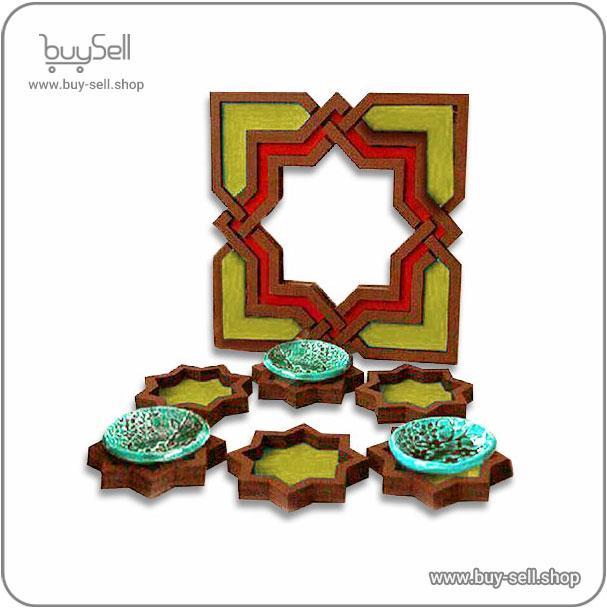
Product purchase offer: Haft Sin laser design
Product traceability has become a regulatory requirement in many electronics sectors, and laser engraving provides the ideal solution for meeting these stringent standards. Manufacturers use laser technology to embed unique identifiers on each component, enabling complete tracking from production through distribution to end-user deployment. This traceability is essential for warranty management, recall procedures, and counterfeit prevention. When defects are discovered, laser-marked serial numbers allow companies to quickly identify affected batches and trace them back to specific production dates, materials, or assembly lines. The permanence of laser engravings ensures that these critical identifiers remain readable even after years of use, unlike adhesive labels that can peel or fade. For industries such as aerospace, medical devices, and automotive electronics, this level of traceability is not just beneficial but mandatory for compliance with international quality standards.
The electronics industry utilizes an extensive range of materials, from metals like aluminum and stainless steel to various plastics, ceramics, and coated surfaces. Laser engraving systems can be calibrated to work effectively across this diverse material spectrum without requiring tool changes or extensive setup modifications. Different laser types, such as fiber lasers for metals and carbon dioxide lasers for plastics, enable manufacturers to mark virtually any substrate used in electronic devices. This versatility extends to the variety of finishes that can be achieved, from subtle surface marks to deep engravings, and from color changes through annealing to complete material removal. The ability to adjust parameters such as power, speed, and frequency means that manufacturers can optimize the marking process for each specific material and application, ensuring consistent quality across different product lines.
Modern electronics manufacturing demands high-speed production without compromising quality, and laser engraving systems deliver both efficiency and precision. Automated laser marking can be seamlessly integrated into existing production lines, marking hundreds or thousands of components per hour with minimal human intervention. The technology eliminates consumable costs associated with inks, solvents, or physical tools that wear down over time. Maintenance requirements are minimal compared to traditional marking methods, reducing downtime and increasing overall equipment effectiveness. The digital nature of laser systems allows for rapid changeovers between different marking patterns, making it ideal for facilities that produce multiple product variants or frequently update designs. This combination of speed, reliability, and low operating costs makes laser engraving an economically attractive solution for electronics manufacturers operating in competitive global markets where margins are often tight and quality expectations continue to rise.

 Saeede Bayat
May 04, 2025

 Buy Sell
Apr 20, 2025
 Saeede Bayat
Apr 28, 2025
 Saeede Bayat
Apr 23, 2025
 Buy Sell
Oct 25, 2025
Subscribe to the Buy Sell newsletter and enjoy its benefits.