


No products in the cart.

Discover the most popular and best-selling digital files in Iran. This guide explores market trends and top categories for digital products.
Iran's digital market is characterized by a significant and expanding online presence, driven primarily by a large, youthful population that is highly receptive to digital innovation. The widespread adoption of smartphones has been a pivotal factor, transforming internet access from a luxury into an integral part of daily life for millions across the nation. This high mobile penetration rate means that a vast segment of the population is not only connected but also digitally literate, comfortable engaging with online content, services, and e-commerce platforms. The internet serves as a primary conduit for information, education, entertainment, and, increasingly, for commercial transactions. This pervasive connectivity has fostered an environment where digital solutions are sought after and utilized, presenting a robust foundation for businesses looking to establish or expand their digital footprint. Recognizing this fundamental digital readiness and the sheer scale of online users is the critical first step for any entity aiming to navigate and succeed within this dynamic market landscape, particularly for sectors like leather, where product aesthetics and detailed information are paramount.
Understanding the nuances of Iranian digital consumer behavior is crucial for effective market engagement. While the digital realm is vast, specific platforms and communication channels hold particular sway. Social media, though often subject to varying degrees of accessibility, plays a significant role in shaping public opinion, trends, and purchasing decisions. Beyond globally recognized platforms, several locally popular or alternative international applications have cultivated thriving online communities, acting as vital hubs for news, entertainment, and commercial interactions. Messaging applications, in particular, have transcended their primary function, evolving into informal marketplaces, customer service channels, and powerful tools for word-of-mouth marketing. Consumers often rely heavily on peer recommendations and user-generated content before making purchasing choices. Therefore, businesses must identify these prevailing digital ecosystems and tailor their content and engagement strategies to align with local digital etiquette and preferences. Culturally sensitive messaging, relevant visual storytelling, and interactive campaigns are key to resonating with the audience and building trust within these influential online communities, especially when showcasing premium products such as high-quality leather goods.
Successfully operating within Iran's digital market, especially in e-commerce, demands a comprehensive understanding of its unique infrastructure and regulatory environment. While online shopping continues its upward trajectory, the mechanisms for digital transactions and product delivery present distinct considerations. Domestic electronic payment systems are robust and widely utilized for local transactions, offering secure and efficient methods for consumers to complete purchases. However, businesses with international operations must carefully assess viable solutions for cross-border payments, which can be more intricate due to specific financial regulations. Furthermore, the logistical network for product distribution requires careful planning, necessitating adaptability to local delivery services and customs procedures. Regulatory policies pertaining to digital commerce, including aspects of data privacy, consumer protection, and intellectual property, are continually developing. Adhering to these local legal and operational standards is not merely a matter of compliance but is fundamental for building credibility and ensuring sustainable market presence. A proactive approach to understanding and adapting to these frameworks will minimize potential obstacles and pave the way for smoother e-commerce operations.
For any entity, including those specializing in leather goods, a well-defined strategy for localization is paramount when entering or expanding in Iran's digital market. This extends far beyond mere language translation; it encompasses a deep cultural understanding that informs every aspect of digital presence, from website design to marketing campaigns. Content creation must reflect local tastes, values, and prevailing trends, ensuring that products are presented in a way that resonates authentically with the target demographic. Digital marketing efforts should strategically utilize the identified popular platforms, prioritizing community building and genuine engagement over aggressive sales tactics. This might involve collaborating with local digital marketing agencies or influential figures who possess innate insights into consumer preferences and online dynamics. The user experience (UX) of any digital platform must be optimized for local users, considering common device usage, internet speeds, and preferred navigation styles. Ultimately, long-term success in this vibrant digital landscape is achieved not just by establishing an online footprint, but by cultivating a trustworthy brand reputation, demonstrating cultural sensitivity, and continuously adapting to the market's evolving needs. By creating accessible, relevant, and engaging digital experiences, businesses can effectively bridge potential cultural and operational gaps, fostering strong brand loyalty and unlocking the full potential of Iran's digital market.
Product purchase offer: leather keychain patterns

In the contemporary leather industry, from the tannery floor to the retail showroom, software and applications have become indispensable tools for enhancing efficiency, precision, and market reach. These digital solutions cater to a myriad of needs, spanning design, production, inventory management, sales, and customer relations. The integration of technology allows businesses to optimize material usage, streamline complex manufacturing processes, improve product quality, and engage effectively with a global customer base. The strategic adoption of these digital tools is pivotal for maintaining competitiveness and fostering innovation within this traditional craft.
The initial stages of leather product development heavily benefit from advanced software solutions. Computer-Aided Design (CAD) software, specifically tailored for two-dimensional patternmaking and three-dimensional modeling, allows designers to transform concepts into precise digital blueprints. Instead of manual drafting with paper and rulers, designers can create intricate patterns with unparalleled accuracy, adjusting dimensions and curves with ease. This precision is crucial for items like bags, wallets, footwear, and apparel, where exact fit and aesthetic appeal are paramount.
For flat leather goods, 2D CAD software enables efficient pattern nesting, a process where multiple pattern pieces are arranged on a digital representation of a leather hide to minimize waste and maximize material yield. This optimization is critical given the varying shapes and imperfections of natural leather. Three-dimensional modeling software takes this a step further, allowing designers to visualize products in virtual space, experiment with different leather types, colors, and textures, and simulate how a finished product will look and drape before any physical material is cut. This capability dramatically reduces the need for multiple physical prototypes, saving significant time and material costs. The ability to rapidly iterate on designs, make quick modifications, and generate detailed specifications ensures that production teams receive clear, accurate instructions, bridging the gap between creative vision and manufacturing reality.
Managing the complexities of leather production, from raw hide procurement to finished product dispatch, is significantly streamlined by Enterprise Resource Planning (ERP) systems and specialized Production Management software. ERP solutions integrate various core business processes into a single, comprehensive system. For the leather industry, this means connecting inventory management of raw hides, tanned leather, and components with production scheduling, order processing, and financial accounting.
Production management software often complements ERP by offering more granular control over the manufacturing floor. These systems can track individual orders through various stages of cutting, stitching, finishing, and quality control. They help optimize machine utilization, manage workforce allocation, and monitor real-time production output against planned targets. Given the unique characteristics of each leather hide, effective traceability and batch management are essential. Such software allows businesses to track the origin of materials, monitor quality at each stage, and ensure compliance with industry standards and customer specifications. By providing a holistic view of operations, these systems empower businesses to make data-driven decisions, reduce operational bottlenecks, improve material utilization, and ensure timely delivery of high-quality leather products, thereby enhancing overall operational efficiency and profitability.
In the modern marketplace, reaching customers and managing relationships effectively is paramount. E-commerce platforms provide leather brands with the infrastructure to sell their products directly to consumers worldwide. These platforms offer customizable online storefronts where businesses can showcase their meticulously crafted leather goods with high-quality imagery, detailed descriptions, and transparent pricing. Features such as secure payment gateways, inventory synchronization, and order fulfillment tools are standard, allowing businesses to manage online sales efficiently from initial purchase to final delivery.
Customer Relationship Management (CRM) software is vital for nurturing customer loyalty and driving sales growth. A CRM system helps leather businesses manage customer interactions, track purchase histories, handle inquiries, and personalize marketing efforts. By consolidating customer data, businesses can understand preferences, anticipate needs, and offer tailored product recommendations or exclusive promotions. This personalized approach fosters stronger customer relationships and encourages repeat business. Alongside E-commerce and CRM, a suite of digital marketing tools enables brands to expand their reach. This includes search engine optimization (SEO) tools to improve online visibility, social media management platforms to engage with communities, and email marketing services to communicate new collections or special offers. Analytics features within these platforms provide invaluable insights into customer behavior, campaign performance, and sales trends, allowing leather businesses to refine their marketing strategies and adapt to evolving consumer demands effectively.
The landscape of knowledge dissemination within the leather industry has undergone a significant transformation with the advent of e-books and digital publications. Moving beyond traditional print media, these digital formats offer unparalleled accessibility, allowing enthusiasts, artisans, and professionals worldwide to access a vast repository of information with ease. This shift not only democratizes learning but also significantly reduces the environmental footprint associated with paper production and physical distribution. For a niche yet globally significant industry like leather, digital resources mean that specialized knowledge, historical archives, and contemporary innovations are no longer confined by geographical boundaries or limited print runs.
Digital content provides immediate availability and enhanced searchability, making it simpler to navigate complex subjects such as the intricate chemistry of tanning processes, the historical evolution of leather craftsmanship across cultures, or the nuances of intricate design patterns. This instant access to detailed information empowers individuals to deepen their understanding and refine their skills more efficiently than ever before. Whether one is a seasoned tanner, a budding leatherworker, a designer seeking inspiration, or a student researching sustainable practices, digital publications serve as a dynamic and continuously evolving educational bedrock, fostering a culture of informed growth and innovation within the leather community.
E-books and digital publications within the leather domain encompass an incredibly broad spectrum of content, catering to every conceivable interest and skill level. This includes comprehensive guides that delve into the characteristics and optimal uses of various leather types, from supple full-grain to durable corrected grain. Detailed tutorials often walk readers through specific leatherworking techniques, such as precision tooling, effective dyeing methods, intricate hand-stitching, and sophisticated pattern making for a wide array of leather goods, from wallets and bags to upholstery and apparel. The interactive nature of digital formats sometimes allows for step-by-step visuals or even embedded video demonstrations, enhancing the learning experience.
Beyond purely practical instruction, digital publications also serve as vital conduits for market analysis reports, offering insights into consumer trends and material sourcing. They preserve rich historical accounts of leather and its profound cultural significance through the ages, providing context to modern practices. Scientific papers on sustainable tanning technologies and ethical sourcing are frequently published digitally, driving industry advancements. Furthermore, e-books showcase contemporary leather art and design, inspiring new aesthetic directions and technical solutions. This diverse array ensures that digital resources cater not only to practical application but also to academic research, artistic inspiration, and strategic business planning.
For professionals in the leather industry, digital publications offer significant advantages, providing immediate access to critical technical specifications, detailed information on new material innovations, and updated compliance standards for various regions. These resources are invaluable as training tools for new apprentices, offering structured learning paths and reference materials that can be easily updated. For seasoned artisans and business owners, they facilitate continuous professional development, keeping them abreast of the latest techniques, market shifts, and sustainable practices. Leather brands can leverage e-books for comprehensive product education, sharing the story behind their materials and craftsmanship, thereby enhancing transparency and consumer trust.
Enthusiasts, from hobbyists to aspiring designers, find digital publications to be an inexhaustible source of inspiration, offering a wealth of project ideas, creative insights, and practical troubleshooting tips. The ability to access this knowledge from anywhere in the world fosters a vibrant global community, enabling individuals to share best practices, exchange innovative approaches, and collectively deepen their understanding of this ancient craft. This accessibility removes traditional barriers to entry, empowering a broader audience to explore and engage with leatherworking, transforming casual interest into profound skill and passion without the need for extensive travel or expensive workshops.
The creation of high-quality, leather-centric digital content typically involves a collaborative effort between experts in leather craftsmanship, history, chemistry, or design, and specialists in digital publishing and instructional design. The emphasis is consistently on producing clear, accurate, and highly engaging material that resonates with the target audience. This content is frequently enriched with high-resolution photographs illustrating textures and techniques, detailed diagrams explaining processes, and sometimes even embedded multimedia elements such as videos that demonstrate complex motions or finishing touches. Ensuring technical accuracy and practical relevance is paramount to establishing credibility and utility for the readership.
Dissemination channels for these digital publications are diverse and strategically chosen to maximize reach. This includes dedicated platforms for craft tutorials, major online marketplaces that host e-books, websites of professional leather associations, and even direct distribution through individual brand websites or specialized online stores. For optimal discoverability, robust SEO strategies are critical. This involves the careful incorporation of relevant keywords and phrases such as "leather care," "tanning techniques," "leather goods patterns," and "sustainable leather practices" within the content, metadata, and promotional materials. Effective SEO ensures that when individuals search for specific leather-related information, these valuable digital resources are readily found.
Looking ahead, the evolution of e-books and digital publications in the leather industry promises even greater innovation and interactivity. We can anticipate the emergence of interactive e-books that feature 3D models of leather goods, allowing users to rotate, zoom, and virtually dissect designs to understand their construction better. Augmented reality (AR) applications could allow designers and craftspeople to visualize patterns on physical work surfaces or overlay virtual designs onto actual leather pieces, revolutionizing the design and prototyping process. Personalized learning paths within digital platforms, powered by artificial intelligence, might tailor content recommendations based on an individual's skill level, interests, and learning pace, making education even more efficient and engaging.
The ongoing development of digital tools and platforms will continue to foster a more connected and informed global leather community. These resources are not merely passive sources of information but active catalysts for innovation, skill development, and collaboration. They play an indispensable role in preserving the rich heritage of leather craftsmanship while simultaneously propelling the industry forward through shared knowledge and cutting-edge insights. Ultimately, digital publications will continue to inspire new generations of leather artisans and entrepreneurs, ensuring the craft remains vibrant, relevant, and accessible in an ever-evolving world.
Product purchase offer: leather bag pattern

In the discerning world of leather craftsmanship and commerce, creative assets and multimedia files are no longer mere supplementary elements but foundational pillars of brand identity, communication, and market presence. These digital resources encapsulate the tactile luxury, meticulous artistry, and unique character inherent in every leather product, translating a physical experience into a compelling visual narrative. From high-resolution photographs capturing the intricate grain of full-grain leather to immersive videos demonstrating the skilled hands of an artisan, these assets serve to educate, inspire, and build trust with a global audience. They bridge the gap between a product's tangible quality and its digital representation, crucial for engaging consumers who increasingly discover and evaluate products online.
Effective visual storytelling is paramount for any brand operating within the leather sector. Creative assets, in this context, are the primary tools for conveying the superior quality, durability, and aesthetic appeal of leather goods. High-definition images showcasing products from multiple angles, highlighting stitching details, hardware, and natural variations in the leather, allow potential customers to virtually inspect items with a level of scrutiny previously only possible in person. Lifestyle photography, featuring products in real-world scenarios, helps consumers envision themselves using and enjoying the items, adding an aspirational dimension to the brand.
Beyond static imagery, multimedia files like videos offer an unparalleled medium for showcasing the journey of a leather product. Short documentaries or behind-the-scenes clips can illustrate the raw materials, the tanning process, and the skilled craftsmanship involved in transforming hide into a finished article. This transparency not only educates consumers about the value proposition of genuine leather but also reinforces ethical sourcing practices and sustainability efforts, vital concerns for today's conscientious buyers. Animations or 360-degree product views further enhance engagement, providing an interactive experience that elevates product understanding and confidence.
Each creative asset, whether it's a photograph, video, or infographic detailing leather care, contributes to a cohesive brand narrative. This narrative differentiates a brand in a competitive market, establishing its unique voice and visual signature. The consistent application of high-quality, relevant multimedia files across all digital touchpoints strengthens brand recognition and reinforces the perceived value of the leather products, fostering a deeper connection with the target audience and cultivating brand loyalty over time.
For creative assets and multimedia files to achieve their full potential, strategic optimization for digital platforms is essential. Search Engine Optimization (SEO) plays a critical role in ensuring these valuable assets are discoverable by interested consumers. This involves meticulously naming image files with descriptive keywords (e.g., "full-grain leather wallet," "vegetable-tanned leather briefcase"), crafting informative alt text for images to improve accessibility and provide context for search engines, and embedding comprehensive metadata within video files.
Technical optimization is equally important for enhancing user experience and page performance. Utilizing modern file formats such as WebP for images and MP4 or WebM for videos ensures efficient compression without significant loss of visual quality, leading to faster loading times. Responsive design principles must be applied, allowing multimedia content to seamlessly adapt across various devices, from desktop computers to smartphones. Fast-loading pages and high-quality, engaging visuals not only satisfy user expectations but also signal positive engagement metrics to search engines, potentially improving organic rankings.
Beyond core SEO, the strategic use of creative assets extends to social media, email marketing, and online marketplaces. Tailoring content for each platform's specific requirements and audience demographics maximizes impact. For instance, short, visually striking video snippets might excel on platforms like Instagram and TikTok, while detailed product walkthroughs or educational content could be more effective on YouTube or a brand's blog. Transcripts for videos improve accessibility and provide additional text content for search engines to index, further boosting discoverability.
As a leather brand’s digital footprint expands, the volume of creative assets and multimedia files grows exponentially, necessitating robust management and archiving strategies. A well-implemented Digital Asset Management (DAM) system becomes indispensable for organizing, categorizing, and retrieving these invaluable resources. Such systems allow for the assignment of detailed metadata, tags, and keywords to each asset, making it easy to search for specific product shots, campaign visuals, or material textures across a vast library.
Effective management also encompasses version control, ensuring that the correct, most up-to-date versions of assets are always in use across different platforms and campaigns. This prevents brand inconsistencies and maintains a professional image. Archiving procedures are critical for securing high-resolution original files, which serve as master copies for future use, whether for new marketing initiatives, print materials, or updated website designs. Secure storage solutions, including cloud-based backups, protect against data loss and ensure long-term accessibility of these proprietary assets.
Beyond mere storage, a comprehensive asset management strategy also addresses intellectual property rights and usage permissions. Clearly defined guidelines for who can access, modify, and distribute assets help maintain brand control and prevent unauthorized use. By meticulously organizing and protecting their creative assets, leather brands can streamline workflows, enhance collaborative efforts, and ensure that their visual narrative remains consistent, impactful, and readily available for all strategic marketing endeavors.
In conclusion, creative assets and multimedia files are the digital heart of any modern leather brand. Their careful creation, strategic optimization, and diligent management are not just best practices but essential drivers of engagement, brand loyalty, and ultimately, commercial success in a visually-driven market. By investing in high-quality digital content and the systems to support it, leather businesses can effectively communicate their unique value and stand out in the competitive global marketplace.
Product purchase offer: Leather pattern
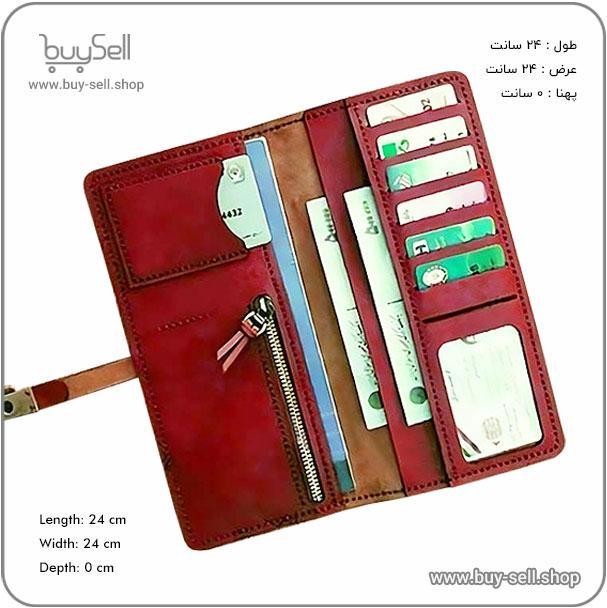
The Iranian digital market for best-selling files is undergoing significant transformation, driven by a confluence of socio-economic and technological factors. Understanding these growth catalysts is crucial for mapping its future trajectory and identifying key opportunities. The market, while facing unique challenges due to international sanctions and domestic regulations, has demonstrated remarkable resilience and adaptability. A burgeoning young population, coupled with increasing digital literacy, forms a robust demand base for diverse digital content, ranging from entertainment and educational materials to software and graphic assets. This section delves into the primary drivers propelling this growth and offers a forward-looking perspective on the market's evolution, anticipating shifts in consumer behavior and technological adoption.
A foundational element fueling the expansion of Iran's digital file market is the continuous rise in digital literacy and widespread internet penetration across the country. Over the past decade, access to affordable smartphones and enhanced internet infrastructure, including 4G and increasingly 5G networks, has brought a vast segment of the population online. This heightened connectivity has directly translated into greater accessibility to digital marketplaces and content platforms. As more individuals become adept at navigating digital interfaces and online transactions, the demand for digital products, such as e-books, online courses, music, and software applications, naturally escalates. This trend is particularly pronounced among the younger demographic, who are early adopters of new technologies and drive a substantial portion of digital consumption. Educational institutions and government initiatives promoting digital skills further reinforce this foundation, creating a fertile ground for market growth.
The success of best-selling digital files in Iran is significantly bolstered by the availability of localized content and the robustness of domestic payment infrastructures. While global content often faces barriers due to sanctions or cultural relevance, locally produced digital files that resonate with Iranian culture, language, and specific needs thrive. This includes Persian-language literature, educational modules tailored to the national curriculum, and entertainment reflecting local nuances. Concurrently, the development of sophisticated domestic payment gateways and digital wallet solutions has been pivotal. These systems overcome the hurdles posed by international banking restrictions, allowing Iranian consumers to conduct secure and convenient online transactions for digital goods. Features like Two-Factor Authentication (2FA), which adds an extra layer of security by requiring a second verification method beyond just a password, have become standard, enhancing user trust in these platforms. This localized approach to both content and commerce creates a self-sustaining ecosystem for digital market growth.
The regulatory landscape in Iran plays a critical role in shaping the digital file market, influencing everything from intellectual property rights to content availability. While governmental oversight exists, there has been a noticeable effort to foster the growth of the domestic e-commerce sector. Policies aimed at supporting local digital businesses and content creators help to stabilize the market and encourage innovation. Simultaneously, the evolution of e-commerce platforms specific to the Iranian context provides efficient distribution channels for digital files. These platforms often navigate the unique challenges of the market, offering tailored solutions for sellers and buyers. Adherence to national data privacy laws and digital ethics is also paramount, contributing to user confidence. As the legal framework continues to adapt to the digital age, it is expected to further streamline the processes for digital content creation, distribution, and consumption, thereby contributing to market maturity and expansion.
Technological advancements continue to drive innovation in how digital files are created, distributed, and consumed within Iran. The adoption of faster internet speeds and more powerful mobile devices allows for higher quality digital content, such as HD video streaming and complex software applications, to be readily accessible. Cloud computing solutions offer scalable storage and delivery mechanisms, improving the efficiency of content distribution. Furthermore, advancements in user experience design, including personalized recommendation algorithms and intuitive platform interfaces, enhance consumer engagement and facilitate discovery of new digital products. These technological improvements are not just about speed and access but also about creating a more immersive and satisfying experience for the end-user, encouraging repeat purchases and fostering loyalty. This continuous innovation ensures the market remains dynamic and responsive to evolving consumer expectations.
Looking ahead, the Iranian digital file market is poised for continued diversification and growth. Key projections suggest an expansion beyond traditional categories like e-books and music into more niche and specialized digital products. This includes professional software tools, advanced educational certifications, virtual reality (VR) and augmented reality (AR) content, and digital assets for creative industries. The burgeoning 'creator economy' model, where individual artists, educators, and developers can directly monetize their digital creations, is expected to gain further traction, empowering local talent. Furthermore, increased investment in cybersecurity measures and data protection will be crucial to sustain user trust and protect digital assets. While challenges such as fluctuating economic conditions and evolving global tech regulations persist, the inherent drive for digital transformation within Iran, coupled with a robust and digitally aware population, points towards a vibrant and expanding future for its best-selling digital file market.

 Saeede Bayat
May 04, 2025

 Buy Sell
Apr 20, 2025
 Saeede Bayat
Apr 28, 2025
 Saeede Bayat
Apr 23, 2025
 Buy Sell
Oct 25, 2025

Subscribe to the Buy Sell newsletter and enjoy its benefits.