


No products in the cart.

Discover the top 10 pre-made Adobe Illustrator templates for leather goods that are proven to sell well and save you design time.
In the world of leathercraft, a profitable template is far more than a simple pattern or stencil. It is a meticulously designed blueprint that serves as the foundation for creating a leather good efficiently, consistently, and with minimal material waste. The core idea is that by investing time upfront in developing a superior template, a craftsperson can save significant time and resources on every subsequent project. This repeatability is the engine of profitability, especially for small businesses and artisans selling their work. A profitable template considers factors like grain direction, optimal placement on a hide to avoid scars or thin areas, seam allowances, and the logical order of assembly. It transforms a creative idea into a standardized, scalable process without sacrificing the unique, handcrafted quality that defines fine leather goods.
Creating a template that genuinely boosts your bottom line requires adherence to a few key principles. First and foremost is material optimization. Leather is an expensive raw material, and a well-designed template will nest pieces together on a hide like a puzzle, minimizing off-cuts and wasted square footage. Secondly, the template must prioritize efficiency of construction. This means designing pieces that fit together intuitively, reducing the need for complex clamping or awkward maneuvering during stitching. Third, the template should account for tooling and finishing steps. For instance, if an area will be stamped or engraved, the template must clearly mark registration points. Finally, durability and scalability are crucial. Profitable templates are often made from durable materials like acrylic or sturdy cardstock, ensuring they can be used hundreds of times without degrading, which is essential for producing multiple units of a popular product.
Transforming an initial concept into a profitable template is a multi-stage process. Following a structured workflow prevents costly errors and ensures a high-quality final product.
Many artisans, especially beginners, overlook the importance of professional-grade templates, leading to common but avoidable errors. One major mistake is skipping the prototyping phase and cutting directly into good leather based on a simple drawing. This almost always leads to wasted material due to unforeseen design flaws. Another error is using flimsy template materials like standard printer paper, which curls, tears, and changes shape with humidity, resulting in inconsistent pieces. Neglecting to mark key details on the template, such as the direction of the leather grain, punch holes for stitching, or fold lines, forces the artisan to re-measure for every single piece, wasting immense time. Finally, a lack of standardization means that no two items are exactly alike, which can damage brand reputation and make it impossible to fulfill large orders reliably.
Product purchase offer: Bracelet and accessory pattern

Profitable templates are the unsung heroes of a successful leathercraft business. They are the bridge between artistic vision and commercial viability. The initial investment of time and effort in developing robust, efficient templates pays exponential dividends by reducing material costs, speeding up production, and ensuring product consistency. This allows the artisan to focus more energy on the aspects that machines cannot replicate: the selection of premium leathers, the skill of hand-stitching, and the application of beautiful finishes. By mastering the art and science of template creation, leatherworkers empower themselves to scale their passion into a sustainable and profitable enterprise, creating heirloom-quality goods that customers will cherish for years to come.
In the world of leathercraft, a template is a precise pattern or guide used to mark and cut leather pieces for a specific project. Think of it as the blueprint for a building; it dictates the exact shape, size, and often the location of necessary cutouts or stitch lines. These templates can be made from various materials, including sturdy paper, cardstock, plastic, or even thin sheets of metal for high-volume production. For both hobbyists and professional artisans, templates are not merely a convenience—they are an indispensable tool for achieving consistency, accuracy, and efficiency. Using a well-made template ensures that every piece of a leather wallet, bag, or belt is identical, which is crucial for a professional finish. It eliminates guesswork, reduces material waste from costly errors, and significantly speeds up the production process, especially when creating multiple versions of the same item.
A high-quality template is more than just an outline. It contains all the critical information needed to transform a flat piece of leather into a three-dimensional product. An effective template typically includes the following elements:
By incorporating these details, a template acts as a comprehensive guide from the first cut to the final assembly, minimizing errors at every step.
While pre-made templates are available for purchase, many leatherworkers eventually create their own to design unique products. The process requires patience and precision. Start with a clear idea and detailed sketches of the final product. Then, using paper or cardstock, create a rough prototype, often called a "mock-up." Assemble this paper model to check proportions, fit, and functionality. Once satisfied, transfer the refined shapes onto a more durable material like plastic or acetate. Use a ruler, calipers, and French curves for accuracy. Remember to add seam allowances—the extra leather that will be folded or stitched—which beginners often forget. Mark all stitch lines, punch points, and grain direction. Finally, test your new template on a scrap piece of leather before committing to your premium hide. This iterative process ensures your final template is reliable and produces a high-quality item.
Even with a perfect template, user error can lead to disappointing results. One of the most frequent mistakes is failing to secure the template properly to the leather before marking. If the template shifts during tracing, the resulting piece will be inaccurate. Using weights or low-tack adhesive spray can solve this. Another common error is using the wrong marking tool. A silver pen might work on dark leather but will be disastrous on a light-colored hide. Always choose a tool that makes a fine, visible line that can be easily removed or will disappear into the stitching. Furthermore, artisans sometimes neglect to account for the leather's thickness when marking stitch lines or fold points on the flesh side, leading to misaligned components. Finally, using a worn-out or damaged template is a recipe for inconsistency. Templates are consumable tools and should be replaced when edges become frayed or markings fade to maintain precision in your work.
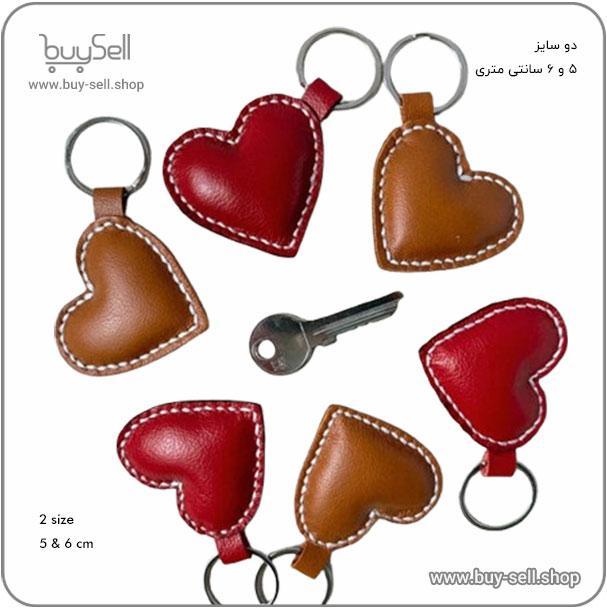
Product purchase offer: leather keychain patterns
The craft of leatherworking is embracing digital tools. Many designers and manufacturers now create templates using Computer-Aided Design (CAD) software. This allows for incredible precision and easy modification. A digital file can be scaled up or down effortlessly to create different sizes of the same product. Furthermore, these digital templates can be sent to laser cutters or CNC machines to cut the leather directly, ensuring absolute perfection and repeatability for production runs. For the individual crafter, digital templates can be printed at home on a standard printer and adhered to cardstock. This digital approach also facilitates the sharing and selling of designs online, creating a global marketplace for leathercraft patterns. While the fundamental principles remain the same, this evolution makes professional-grade template accuracy more accessible than ever before.
Ultimately, essential leather product templates are the unsung heroes of quality leathercraft. They bridge the gap between a creative idea and a tangible, well-constructed product. Whether you are a beginner making your first wallet or a seasoned professional producing a line of handbags, investing time in creating or sourcing excellent templates will pay dividends. They ensure accuracy, promote efficiency, and most importantly, guarantee a level of consistency that defines professional work. Mastering the use of templates is a fundamental skill that elevates the craft, reduces frustration, and allows the artisan to focus on the finer details of finishing and assembly, resulting in beautiful and durable leather goods.
The primary goal of any high-converting design is to eliminate friction and confusion. A potential customer should be able to understand the product's purpose, its key benefits, and the desired action within seconds of landing on a page. This is achieved through a clean, uncluttered layout that guides the eye naturally. For leather goods, this means using high-quality, consistent imagery that showcases the product from multiple angles and in realistic settings. The user should not have to hunt for information; details like dimensions, material composition (e.g., full-grain vs. top-grain leather), and care instructions should be easily accessible. Intuitive navigation, with a clear and simple path to purchase, is non-negotiable. Every element, from the placement of the "Add to Cart" button to the structure of the product menu, must be designed with the user's journey in mind, reducing cognitive load and making the process feel effortless.
In the world of leather, customers are not just buying a product; they are investing in craftsmanship, durability, and a story. High-converting designs leverage visual storytelling to communicate these intangible values. This goes beyond standard product shots. It involves using lifestyle photography that places the leather bag, wallet, or jacket in a context the target audience aspires to. It means showcasing the texture of the hide, the richness of the dye, and the precision of the stitching through macro photography. Authenticity is paramount. For instance, explaining the natural characteristics of full-grain leather—such as variations in grain and the development of a patina—manages expectations and frames these traits as desirable signs of a unique, high-quality product. This honest approach builds trust, which is a critical component of conversion.
Even the most beautiful and well-explained design can benefit from the powerful psychological triggers of social proof and urgency. People are influenced by the actions and opinions of others. Integrating these elements thoughtfully can significantly boost conversion rates. Social proof can be displayed in several ways:
Urgency, when used ethically, encourages immediate action. This is not about creating false scarcity but highlighting genuine limitations. Examples include a countdown timer for a legitimate sale, indicating low stock levels for a popular item, or promoting a limited-time free engraving service. These tactics help overcome hesitation and propel the user toward completing the purchase.
With a majority of online traffic now coming from mobile devices, a design that is not optimized for smartphones and tablets is inherently low-converting. A mobile-first approach means the design is conceived for a small screen first, ensuring that touch targets (like buttons) are appropriately sized, text is readable without zooming, and the layout rearranges seamlessly. Navigation should be simplified, often through a well-designed hamburger menu. Furthermore, page loading speed is a critical ranking factor for search engines and a direct factor in user abandonment. A slow site creates frustration and signals unprofessionalism. High-converting designs prioritize performance by optimizing image sizes, minimizing code, and leveraging browser caching. A fast, responsive site provides a seamless experience regardless of the device, which is essential for capturing today's on-the-go consumer.
The call to action is the climax of the design, the point where a browser becomes a buyer. A high-converting CTA is unmistakable, action-oriented, and compelling. Vague labels like "Submit" or "Click Here" are ineffective. Instead, CTAs should use action-oriented language that clearly states the value of clicking. For an e-commerce site, "Add to Cart" is standard, but supplementary CTAs like "Add for Free Shipping" or "Buy Now, Pay Later" can be more persuasive. The visual design of the button is equally important; it must stand out from the rest of the page through contrasting color, size, and ample white space. The language should focus on the benefit to the customer, answering the unspoken question, "What's in it for me?" Ultimately, every element on the page should work in harmony to guide the user confidently toward this decisive action.
In summary, high-converting designs for leather goods are a sophisticated blend of art and science. They marry aesthetic appeal with psychological principles to create a user experience that is clear, trustworthy, and persuasive. By focusing on intuitive navigation, authentic storytelling, social proof, mobile optimization, and powerful calls to action, you can create a digital storefront that not only showcases the quality of your leather products but also effectively guides customers to a successful purchase.
In the world of leather goods, where craftsmanship and individuality are paramount, using generic templates can undermine your brand's identity. A template, in this context, is a pre-designed framework used for various business needs, such as product descriptions, email marketing campaigns, social media posts, or even the structure of your "About Us" page. While starting with a template saves time, failing to customize it is a missed opportunity. Your leather brand has a unique story, a specific aesthetic, and a target audience that values authenticity. Customizing templates allows you to infuse your brand's voice, highlight your unique selling propositions (like full-grain leather construction or artisanal stitching techniques), and create a consistent experience that builds trust and recognition. It transforms a generic shell into a genuine reflection of your craftsmanship.
Effective customization goes beyond simply adding your logo. It involves a meticulous approach to several core elements that define your brand's communication. The goal is to ensure every piece of content feels intrinsically "you."
Customizing templates effectively requires a structured process to ensure consistency and efficiency. Follow this workflow to transform any standard template into a powerful brand asset.
Even with the best intentions, businesses can stumble during the customization process. Being aware of these common pitfalls will help you create more effective and authentic templates.
Templates are invaluable tools for efficiency, but they should never constrain your brand's identity. For a leather business, where the story of craftsmanship, material, and artistry is central, a customized template acts as the perfect stage to present your work. It ensures that every communication, from a product listing to a newsletter, reinforces who you are and what you stand for. By thoughtfully personalizing templates, you build a stronger, more recognizable brand that resonates deeply with customers who appreciate the authenticity and quality inherent in leather goods. View templates as a starting point—a foundation upon which you build your unique brand house, brick by brick, stitch by stitch.
In the competitive world of leather crafting, establishing a strong and recognizable brand is paramount. High-quality Illustrator leather craft templates provide the foundational toolset for achieving this. These templates are not merely patterns; they are pre-designed assets that ensure consistency across your entire product line. By using a set of best-selling templates, you guarantee that your wallets, belts, and bags share a common design language, from the style of stitching lines to the placement of logos and decorative elements. This consistency builds trust with your customers, as they come to recognize and expect a certain level of quality and design aesthetic from your brand. A cohesive identity makes your products look more professional and desirable, setting you apart from hobbyists and establishing your leather goods as a serious, market-ready brand.
Modern consumers crave more than just a product; they seek a story and a connection. Your marketing efforts must articulate the narrative behind your leather goods. This story can focus on the quality of the materials, such as full-grain vegetable-tanned leather that ages beautifully over time, or on the traditional techniques you employ. Using professional templates allows you to focus your energy on this storytelling. Instead of spending excessive time on basic design, you can concentrate on crafting compelling product descriptions that highlight the origin of the leather, the meticulous hand-stitching process, and the durability built into every item. Share the journey of a single piece, from the raw hide to the finished product in a customer's hands. This emotional connection transforms a simple accessory into a cherished possession, justifying a premium price point and fostering brand loyalty.
Product purchase offer: Leather shoulder bag and wallet set pattern

The digital storefront is your most critical sales channel, and its effectiveness hinges on search engine optimization (SEO) and clear communication. Begin with keyword-rich titles and descriptions. Instead of just 'Brown Leather Wallet,' use descriptive phrases like 'Handcrafted Full-Grain Leather Bifold Wallet for Men.' Incorporate the specific template style if it has a recognized name, such as 'Minimalist Card Holder.' The product description should be detailed, outlining dimensions, materials, features, and care instructions. High-quality photography is non-negotiable; use multiple angles, close-ups of stitching and texture, and lifestyle shots showing the product in use. Since templates ensure design consistency, your product photos will have a uniform, professional look that strengthens your brand across all listings. This attention to detail improves your search ranking and provides customers with all the information they need to make a confident purchase.
Trust is the currency of online commerce. Customers cannot physically inspect your goods before buying, so you must build confidence through transparency. Clearly communicate your production process and timelines. If you make items to order, state this clearly and provide a realistic shipping estimate. Showcase your workspace or the creation process through short videos or photo essays on social media. Highlight customer reviews and testimonials prominently on your website. When you use well-designed templates, you inherently promise a certain standard of quality and fit. By being transparent about how you achieve that standard, you reassure potential buyers that they are investing in a reliable, high-quality product from an honest artisan. This transparency reduces purchase anxiety and can significantly decrease the rate of returns or dissatisfied customers.
Social media platforms are powerful tools for building a community around your leather craft brand. They offer a direct line to engage with customers, showcase new creations, and reinforce your brand story. Platforms like Instagram and Pinterest are ideal for visual crafts like leatherworking. Share behind-the-scenes content of you using the templates to cut leather or hand-stitch a seam. Run polls to let your followers vote on the next leather color or template style you should use. Feature photos and videos from satisfied customers. This ongoing engagement keeps your brand at the top of mind and transforms followers into advocates. By consistently posting high-quality content that reflects the professional aesthetic of your template-based designs, you attract an audience that appreciates your craft and is more likely to convert into paying customers.
Follow us on Instagram and Telegram
Investing in best-selling Illustrator leather craft templates is an investment in the long-term viability of your business. These templates provide a scalable foundation. As demand grows, you can produce more goods without sacrificing quality or design consistency. They free up your time, allowing you to focus on business growth, marketing strategies, and customer service instead of reinventing the wheel with each new product idea. A strong foundation built on professional designs makes it easier to expand your line, introduce limited editions, or even offer customizations. Ultimately, effective marketing is not a single action but a sustained effort built on a product that deserves attention. Starting with a high-quality, template-driven product line gives your marketing efforts a powerful and authentic story to tell, paving the way for consistent sales and a reputable brand.

 Saeede Bayat
May 04, 2025

 Buy Sell
Apr 20, 2025
 Saeede Bayat
Apr 28, 2025
 Saeede Bayat
Apr 23, 2025
 Buy Sell
Oct 25, 2025
Subscribe to the Buy Sell newsletter and enjoy its benefits.