Your Cart
×
Discover the powerful psychological impact of book cover previews on purchasing decisions and how to leverage them for maximum visibility and sales.
In the world of leather goods, whether it's a luxury handbag, a durable wallet, or a tailored jacket, the initial tactile experience is paramount. Before a customer fully inspects the stitching or admires the design, their fingertips make the first and most lasting judgment. This immediate, sensory interaction is what we call haptic perception. The feel of the leather against the skin sends immediate signals to the brain about quality, value, and craftsmanship. A supple, fine-grained texture suggests attention to detail and superior materials, while a stiff, plasticky, or uneven surface can instantly devalue the product in the consumer's mind, regardless of its actual durability or design. This first impression is not merely superficial; it sets the stage for the entire relationship between the owner and the object, influencing perceived longevity, satisfaction, and the emotional connection to the item.
The impression of quality is built on a combination of specific sensory attributes. Understanding these helps both consumers and creators appreciate what to look for. The primary qualities include texture, temper, and aroma. Texture refers to the surface grain. Full-grain leather, the highest quality, retains the hide's natural markings, feeling rich and authentic. Corrected-grain leather, sanded to remove imperfections, will feel smoother but less unique. Temper describes the leather's flexibility and stiffness. A good temper offers resistance but yields gently to pressure, indicating proper tanning. Finally, the aroma of genuine leather is distinct—a rich, organic smell that synthetic materials cannot replicate. A chemical odor is a red flag for poor quality. These elements work in concert to create a positive first impression that whispers quality rather than shouting it.
The surface treatment of leather plays a critical role in its initial feel. A heavy plastic coating or pigment finish can mask the natural character of the leather, creating a uniform but artificial feel that detracts from the luxurious experience. While such finishes enhance scratch and water resistance, they often do so at the expense of the material's breathability and its ability to develop a unique patina over time. Conversely, an aniline or semi-aniline finish penetrates the leather, coloring it while allowing the natural grain to remain visible and tangible. This results in a more organic and premium first impression. The choice of finish is a direct trade-off between immediate practicality and long-term, evolving beauty. A product that feels natural and "alive" from the first touch promises a journey of aging and personalization, which is a significant part of leather's appeal.
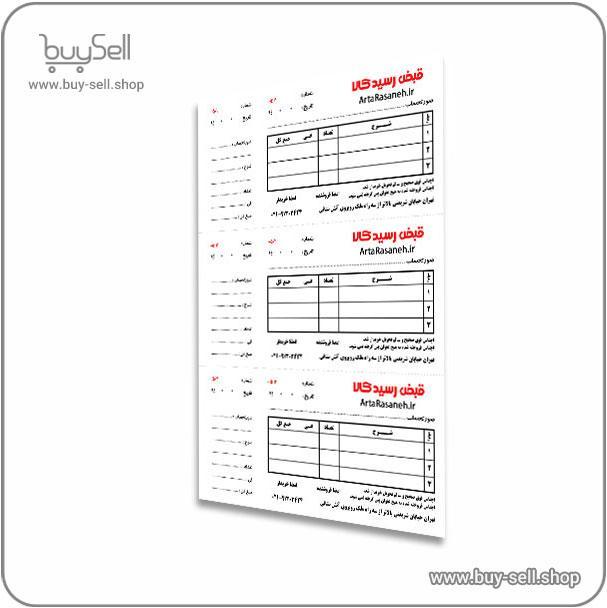
Product purchase offer: Receipt
First impressions extend beyond the leather itself to the details of its construction. The human hand is remarkably sensitive to precision. Neat, even stitching that is flush with the surface suggests care and skill. Rough edges, loose threads, or misaligned patterns can undermine the positive feel of the material instantly. The way components like zippers, buckles, and linings are integrated also contributes. A smooth zipper glide or a soft, high-quality lining complements the leather's tactile appeal. These elements of craftsmanship are the tangible proof of the maker's dedication. They assure the customer that the item is not only made from excellent raw material but is also assembled to last, turning a positive first touch into a lasting impression of reliability and value.
The critical role of first impressions in leather goods cannot be overstated. It is the foundation upon which perceived value is built. A positive initial interaction, driven by superior haptic qualities, appropriate finishing, and flawless craftsmanship, creates an immediate emotional bond and justifies a premium price point. It transforms the product from a simple commodity into a desirable object with a story. For manufacturers and artisans, prioritizing this sensory appeal is a strategic investment in brand reputation and customer loyalty. For consumers, learning to recognize these qualities empowers smarter, more satisfying purchases. Ultimately, in leather, the first touch is a promise—a promise of quality, durability, and timeless style that is meant to be felt.
Before a single product is available for purchase, the groundwork for its success is laid through strategic foreshadowing. In the context of a leather goods brand, this means subtly introducing the concept of a new creation long before its official launch. This isn't about revealing everything at once; it's about planting seeds of curiosity. It could start with a vague post on social media showcasing a corner of a new hide, a glimpse of an unfamiliar tool on a workbench, or a teaser about a revolutionary tanning technique the brand is experimenting with. The goal is to create a whisper network among your most dedicated followers. They become the early evangelists who start asking questions and speculating. This phase is crucial for building a foundation of genuine interest, transforming a simple product release into an anticipated event.
Once the initial curiosity is piqued, a coordinated multi-channel campaign keeps the momentum building. Each platform serves a unique purpose in the hype-building ecosystem. An email newsletter is perfect for a more detailed, intimate reveal to your most loyal customers, perhaps offering them an exclusive first look or early access. Social media platforms like Instagram and TikTok are ideal for high-impact visual teasers—short videos of leather being hand-stitched, close-ups of the unique grain, or the sound of a perfectly snapping clasp. The content should be consistent in quality and tone but varied in format to capture attention across different audiences. Consider implementing a countdown on your website or a "coming soon" landing page where visitors can sign up for launch notifications. This not only builds anticipation but also provides you with a valuable list of highly interested potential buyers.
A powerful tactic within this stage is the use of exclusive previews or influencer seeding. Sending a prototype to a handful of respected figures in the leather community or lifestyle influencers can generate authentic, third-party validation. When these individuals share their genuine, hands-on experience with their followers, it carries significantly more weight than branded content. This creates social proof, reassuring potential customers that the product is worth the wait and the investment.
Hype is not just about the product itself; it's about the story behind it. People connect with narratives, not just specifications. As the launch date approaches, shift the communication from teasing features to telling the story. Explain the inspiration behind the collection. Was it inspired by a specific era of travel? Does it use a heritage technique that has been revived? What problem does it solve for the customer? Detail the craftsmanship involved: the hours of hand-cutting, the type of saddle stitching used for durability, the source and special qualities of the full-grain leather. By educating your audience on the value and artistry embedded in the product, you justify its price point and elevate it from a simple accessory to an object of desire. This narrative transforms the act of purchasing into participating in a story, making customers feel they are acquiring a piece of art with a soul.
Even with the best intentions, hype campaigns can falter. Being aware of common pitfalls is essential for a successful launch.
The work doesn't end once the product is live. The goal of building anticipation is to create a successful launch, but also to foster long-term brand loyalty. Immediately after the launch, share behind-the-scenes content showing the first orders being packed and shipped. Encourage user-generated content by creating a unique hashtag and featuring customers with their new purchases. Share testimonials and reviews prominently. This post-launch phase validates the anticipation your customers felt and shows that the product lives up to the hype. It turns the exhilaration of a one-time purchase into the beginning of a lasting relationship, setting the stage for the next product cycle and making each new announcement an event your audience will eagerly await.
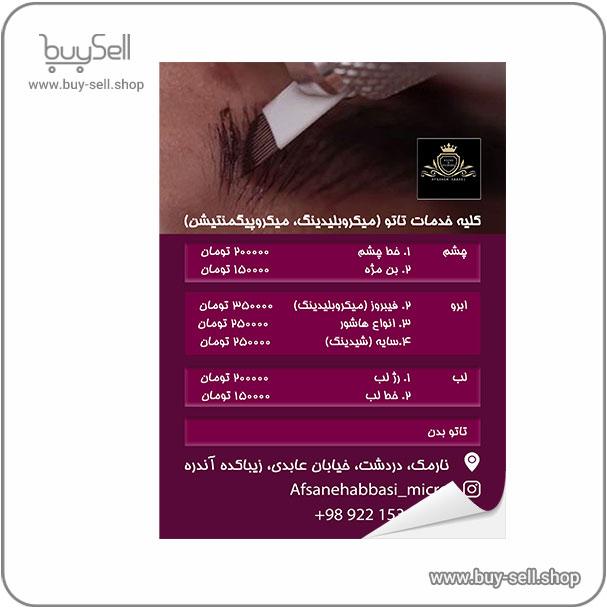
Product purchase offer: Instagram open-layer design

In the world of leathercraft, the final product is more than just a functional item; it's a statement. Similarly, in writing, the words you choose and the way you arrange them convey a powerful message beyond their literal meaning. This is where genre and tone become essential. Genre refers to the category or style of writing you are producing—is it a technical product description, an evocative brand story, a practical how-to guide, or a formal business proposal? Tone, on the other hand, is the attitude or emotional inflection of your writing. It can be authoritative, rustic, luxurious, friendly, or educational. For a leather brand, effectively communicating genre and tone is akin to selecting the right type of leather and finish for a project; it determines the entire character and perceived value of the final output.
Establishing a consistent tone requires deliberate choices in vocabulary, sentence structure, and perspective. Think of it as the "finish" you apply to your raw text. A high-gloss, luxury tone might use sophisticated vocabulary, complex sentences, and a focus on exclusivity and heritage. A rugged, artisanal tone would employ simpler, earthier words, shorter sentences, and an emphasis on durability and handcrafted quality. Here are key methods to control your tone:
The genre you are writing in will heavily influence these choices. A technical specification sheet will have a formal, precise tone with bullet points and measurements. A blog post about the history of vegetable-tanning will have a narrative, informative tone, perhaps with a nostalgic or respectful inflection.
Seeing how genre and tone interact in practical scenarios clarifies their importance. Let's examine two different pieces of content for the same hypothetical leather company.
Scenario 1: Product Page for a Briefcase
Genre: E-commerce Product Description.
Tone Options:
Luxury Tone: "Crafted from meticulously selected European full-grain calfskin, this briefcase embodies timeless elegance. Each piece develops a unique patina, telling the story of your professional journey. An heirloom built for the discerning executive."
Artisanal Tone: "We built this briefcase to last a lifetime. Made from heavyweight, vegetable-tanned harness leather, it's built for real work. Watch as it gains character and scuffs that prove its worth. Hand-stitched and riveted for absolute reliability."
The same product, described through different tonal lenses, will attract vastly different customers.
Scenario 2: Customer Service Email Response
Genre: Customer Communication.
Tone Options:
Formal Tone: "We acknowledge receipt of your inquiry regarding the care of your leather goods. We recommend the application of a neutral conditioner every six months to maintain optimal integrity."
Friendly, Helpful Tone: "Thanks for reaching out! Taking care of your leather is easy. We suggest giving it a light conditioning with a neutral product a couple of times a year to keep it looking great. Let us know if you have any other questions!"
The genre (customer service) remains the same, but the tone directly impacts the customer's relationship with the brand.
Mismanaging genre and tone can undermine your brand's credibility and confuse your audience. Common pitfalls include:
Communicating genre and tone effectively is not a superficial afterthought; it is a fundamental craft skill for any writer in the leather industry, or any industry. It is the deliberate process of ensuring your words accurately reflect the quality, intention, and personality of your brand and products. Just as a master leatherworker selects a specific thread weight and stitch type to complement both the leather and the item's purpose, a skilled writer must select the appropriate genre and tone to suit the content's goal and the audience's expectations. By mastering this, you ensure that every piece of communication—from a product tag to a full-length article—is cohesive, compelling, and authentically yours. It is the stitch that binds your entire brand narrative together.
Product purchase offer: Open-layer tract design
In the world of leatherworking, the tactile pleasure of a well-oiled hide or the scent of freshly cut leather is deeply personal. This intrinsic connection to the material is precisely what you must translate into a connection with the people who will buy and cherish your creations. Connecting with your target audience is not a marketing afterthought; it is the very essence of building a sustainable and respected brand. It moves your business beyond simple transactions to fostering a community of loyal patrons who value your skill, your story, and the unique character of your products. When a customer understands the hours of hand-stitching, the careful selection of full-grain leather, or the significance behind a particular design, they are not just purchasing a wallet or a bag; they are investing in a piece of artisanal heritage. This emotional resonance turns customers into advocates, ensuring your craft endures in a market saturated with mass-produced alternatives.
Before you can connect, you must know who you are speaking to. Defining your target audience requires moving beyond vague demographics to a deeper understanding of their motivations and lifestyle. A thorough understanding allows you to tailor your designs, marketing messages, and overall brand experience. Ask critical questions to build a profile of your ideal customer:
By answering these questions, you create a clear picture that guides every decision, from the type of leather you source to the language you use on your website.
Once you understand your audience, you can employ authentic strategies to build a relationship with them. Authenticity is the key; your audience can easily discern a genuine passion for leathercraft from a hollow sales pitch. Focus on strategies that showcase your process and your personality.
These methods transform passive observers into an engaged community that feels a part of your brand's journey.
Even with the best intentions, artisans can sometimes misstep in their efforts to connect. Being aware of these common pitfalls can save your brand from appearing out of touch or inauthentic. The most significant mistake is adopting a generic, corporate tone. Your audience is drawn to the human element of your work, so avoid sterile, sales-driven language. Another critical error is inconsistency. Posting passionately for a week and then disappearing for a month confuses your audience and weakens the connection. Develop a sustainable content schedule. Finally, do not ignore feedback, whether positive or negative. A complaint about a stitch or a clasp is an opportunity to demonstrate your commitment to customer service and quality, potentially turning a critic into a loyal fan. Dismissing feedback signals that you are not truly listening to the community you aim to build.
The ultimate goal of connecting with your target audience is to cultivate lifelong patrons. These are individuals who return for future purchases, recommend you to friends, and become the bedrock of your business. This level of loyalty is achieved by consistently delivering on your brand promise of quality and authenticity. Follow up with customers after a sale to ensure they are happy with their purchase. Offer exclusive previews of new collections or special promotions to your email list, making them feel valued. Remember, a deep connection is a continuous process, not a one-time achievement. By consistently engaging, educating, and appreciating your audience, you transform the art of leatherworking into a shared experience, ensuring your craft not only survives but thrives for years to come.
The primary challenge of a book cover preview is that it will most often be seen as a small thumbnail image on a digital bookshelf, search results page, or social media feed. A design that is overly complex or relies on tiny, intricate details will become an indecipherable blob at this scale. The most effective previews embrace simplicity and high contrast to ensure instant recognition. This means selecting a clear, easy-to-read font for the title and author name, avoiding elaborate scripts that might look beautiful in print but fail digitally. The central imagery should be bold and iconic, not crowded with multiple competing elements. A strong focal point, whether a striking symbol or a powerful character illustration, must be immediately identifiable even when the image is reduced to a fraction of its original size. This principle of clarity ensures your book doesn't get lost in the visual noise of an online marketplace.
A potential reader should be able to discern the book's genre and general mood within seconds of glancing at the preview. The cover acts as a non-verbal promise of the reading experience inside. Color palette is one of the most powerful tools for this; a dark, moody scheme with stark contrasts suggests a thriller or horror novel, while soft pastels and elegant typography immediately signal a romance or literary fiction. Imagery must also be genre-appropriate. A spaceship or futuristic cityscape points to science fiction, whereas a quaint cottage or historical artifact suggests historical fiction. The style of artwork itself—be it photographic, illustrated, or minimalist—further communicates the book's tone. A cover preview that accurately reflects its content builds trust and attracts the right audience, reducing the likelihood of a reader feeling misled and returning the book.
A well-composed cover preview strategically guides the viewer's gaze in a logical and engaging sequence. The goal is to communicate the most critical information—title, author, and key imagery—in a visually pleasing hierarchy. Many successful designs utilize the rule of thirds, placing important elements at the intersections of an imaginary grid to create balance and interest. The title, as the most important text, should be the most prominent typographical element. The author's name, especially for established writers, is also crucial but can be slightly smaller. The relationship between text and image is vital; they should complement each other without competing. Text should be placed on a relatively plain area of the background to ensure readability. A dynamic composition creates a sense of movement and intrigue, compelling the viewer to pause and consider the book, rather than scrolling past it.
The choice of typeface is not merely about readability; it is a fundamental part of the cover's storytelling. The font should resonate with the book's genre and themes. A gritty, distressed font might be perfect for a dystopian novel, while a classic serif font lends an air of authority and tradition to a historical biography. Beyond selecting the right font, proper typographic treatment is essential. Kerning (the space between letters) and leading (the space between lines) should be adjusted to ensure the text block is cohesive and easy to read. Drop shadows or subtle glows can help text stand out from a busy background, but these effects must be used sparingly to avoid a dated look. For authors building a series, consistent typography across all book covers creates a strong, recognizable brand that fans will instantly spot.
A technically flawed preview can undermine even the most brilliant design concept. Pixelation, blurriness, or incorrect color profiles scream amateurism and can deter potential readers. The final image file must be high-resolution to appear sharp on high-density retina displays. It should be saved in the appropriate format—typically JPEG for photographic covers or PNG for covers with large areas of flat color and text. Furthermore, the cover must be tested across various devices and screen sizes, from smartphones and tablets to desktop monitors, to guarantee it looks professional everywhere. A clean, crisp, and professionally rendered preview signals that the book itself is a quality product worthy of the reader's time and money. This attention to technical detail builds credibility and subconsciously assures the buyer that the author and publisher have invested care in the entire project.
Follow us on Instagram and Telegram
While the cover preview's main job is to attract and inform, it should also seamlessly lead the viewer toward the next step. In a digital context, this is often an implied call to action. The design should create a sense of curiosity or desire that makes clicking on the preview for more details the natural next move. This can be achieved by hinting at a larger story—showing a key object but not its significance, or a character with a compelling expression. For non-fiction books, the cover might prominently state a bold promise or a provocative question that the book answers. The preview should feel like the beginning of a conversation, not the end. By designing with the user's journey in mind, the cover preview becomes an active sales tool that doesn't just sit there looking pretty but actively engages and converts viewers into readers.

 Saeede Bayat
May 04, 2025

 Buy Sell
Apr 20, 2025
 Saeede Bayat
Apr 28, 2025
 Saeede Bayat
Apr 23, 2025
 Buy Sell
Oct 25, 2025
Subscribe to the Buy Sell newsletter and enjoy its benefits.