


No products in the cart.

Discover proven strategies and actionable tips to significantly boost your digital product sales. Learn how to attract more customers and maximize revenue with our comprehensive guide.
In the competitive landscape of the leather industry, a profound understanding of your target audience is not merely advantageous; it is an absolute necessity for sustainable growth and market penetration. It serves as the bedrock for every strategic decision, from product design and material sourcing to marketing campaigns and sales channels. Without this fundamental insight, businesses risk misallocating resources, developing products that don't resonate, and crafting messages that fail to connect with potential customers.
Accurately identifying and comprehending the characteristics, behaviors, and motivations of those most likely to purchase your leather goods allows for tailored approaches that drive engagement and foster brand loyalty. It moves a business beyond generic assumptions, enabling a focused and effective strategy that speaks directly to the desires and needs of its most valuable customers.
Defining the leather enthusiast involves segmenting the broader market into distinct groups based on various attributes. This process goes beyond simple demographics, delving into psychographics, behavioral patterns, and core values. For instance, while one segment might prioritize the rugged durability and utility of a leather bag for travel, another might seek the exquisite craftsmanship and luxurious feel of a full-grain leather wallet as a status symbol. Understanding these nuances is crucial.
Demographically, a target audience might be categorized by age, gender, income level, education, and geographic location. Psychographics, however, provide deeper insights into their lifestyles, interests, hobbies, opinions, and values. Do they value sustainability, artisanal production, or classic timelessness? Are they early adopters of trends, or do they prefer enduring quality? Behavioral data, meanwhile, examines purchasing habits, brand interactions, and product usage. Do they make impulse purchases or invest after extensive research? How often do they replace leather items? Are they active on social media or prefer traditional media?
For the leather industry, enthusiasts often share an appreciation for quality, longevity, and the unique characteristics of natural materials. They may value the way leather ages and develops a unique patina over time, signifying character and history. Their purchasing decisions are often influenced by the material's origin, the tanning process, and the artisan's skill, pointing to a desire for authenticity and heritage in their products.
Effective audience research requires a blend of quantitative and qualitative methodologies to build a comprehensive picture. Relying solely on assumptions or anecdotal evidence can lead to significant strategic missteps. Robust data collection and analysis are paramount to understanding who your customers are, what they want, and how they interact with the leather market.
Several proven methods can be employed to gain these critical insights:
**Surveys and Questionnaires:** These can be distributed online, via email, or in-store to gather structured data on preferences, purchasing habits, demographic information, and satisfaction levels. Questions might cover preferred leather types (e.g., full-grain, top-grain, corrected-grain), color choices, functionality requirements, and willingness to pay.
**Focus Groups and Interviews:** These qualitative methods allow for deeper exploration of motivations, perceptions, and emotional responses to leather products. Engaging a small group in a moderated discussion or conducting one-on-one interviews can uncover subtle nuances that surveys might miss, such as the perceived value of craftsmanship or the emotional connection to a leather item.
**Social Media Listening and Analytics:** Monitoring conversations on platforms where your target audience congregates can provide real-time insights into trends, sentiment towards brands, unmet needs, and emerging preferences in leather goods. Website analytics also track user behavior, showing popular products, common search terms, and conversion paths.
**Competitor Analysis:** Observing who your competitors are targeting and how they are positioning their products can reveal underserved segments or best practices within the industry. This helps identify market gaps and opportunities for differentiation.
**Sales Data Analysis:** Reviewing past sales records provides concrete evidence of popular products, peak purchasing times, average order values, and repeat customer behavior. This internal data is invaluable for understanding actual consumer choices rather than stated preferences.
By combining these approaches, businesses can develop detailed buyer personas, which are semi-fictional representations of their ideal customers, encompassing their goals, challenges, and buying processes specifically related to leather products.
Product purchase offer: leather keychain patterns

With a clear understanding of your target audience, every aspect of your business, from product development to marketing communications, can be precisely tailored to meet their specific desires. This targeted approach significantly increases the likelihood of success, fostering strong customer relationships and driving sales in the specialized leather market.
For product development, knowing your audience informs decisions on everything from leather type and hardware finishes to stitching and overall design aesthetic. If your audience values rugged durability, you might focus on thick, vegetable-tanned leathers and robust construction. Conversely, if luxury and elegance are paramount, you would opt for fine, supple leathers, meticulous detailing, and perhaps exotic skins. Functionality is also key; a professional requiring a business briefcase will have different needs than a minimalist seeking a compact cardholder.
Marketing and communication strategies also become more effective. Messages can highlight the attributes most valued by your specific audience. For those concerned with sustainability, emphasize eco-friendly tanning processes or responsibly sourced leather. For aficionados of traditional craftsmanship, showcase the artisanal skills and heritage behind each piece. The channels used for communication should also align with where your audience spends their time—be it high-end fashion magazines, online forums dedicated to EDC (Everyday Carry) gear, or social media platforms like Instagram or Pinterest known for visual storytelling.
Ultimately, understanding your target audience allows a leather brand to articulate its unique value proposition in a way that truly resonates, building not just customers, but a loyal community around shared values and an appreciation for quality leather goods.
In the competitive landscape of leather goods, true product value extends far beyond its initial material cost or the effort invested in its creation. It encompasses a multifaceted blend of quality, craftsmanship, durability, aesthetic appeal, and the perceived benefits it offers to the end-user. For leather, intrinsic value begins with the choice of hide – distinguishing between full-grain, top-grain, genuine leather, or bonded leather significantly impacts longevity, patina development, and overall tactile experience. Expert craftsmanship, evident in precise stitching, clean edges, and robust hardware, elevates a product from merely functional to a cherished possession. Design plays a crucial role, balancing timeless elegance with practical utility and innovative features. Furthermore, factors like ethical sourcing practices, the environmental footprint of tanning processes, and the narrative behind a brand can significantly enhance perceived value, appealing to a discerning consumer base that prioritizes more than just the physical attributes of an item. Understanding and meticulously cultivating these elements are foundational to building a product that inherently offers superior worth.
Optimizing the intrinsic value of leather products requires a systematic approach, focusing on every stage from conceptualization to finishing. Firstly, **material selection** is paramount. Sourcing premium full-grain leathers from reputable tanneries ensures a foundation of durability and natural beauty that improves with age. The tanning method itself contributes to the leather's character, with vegetable-tanned leathers often prized for their rigidity, strength, and ability to develop a rich patina. Secondly, **craftsmanship and construction techniques** must be impeccable. This involves using strong, appropriate threads, executing consistent and tight stitching patterns, and employing traditional leatherworking techniques for edge finishing, such as burnishing or painting, which prevent fraying and add a refined touch. High-quality, durable hardware, like solid brass or stainless steel, should complement the leather's longevity, avoiding cheap alternatives that can tarnish or break. Thirdly, **design and functionality** should prioritize both aesthetics and user experience. Ergonomic considerations, thoughtful pocket configurations, and secure closures contribute to practical value, while a distinct yet timeless aesthetic ensures the product remains desirable for years. Finally, incorporating **sustainable and ethical practices** into the supply chain, such as sourcing from LWG (Leather Working Group) certified tanneries, not only aligns with consumer values but also adds a layer of intangible value to the product, appealing to a socially conscious market segment.
Even the most exquisitely crafted leather product can fail to capture its market potential without effective presentation. Presentation is the crucial bridge that communicates intrinsic value to the consumer, influencing perception and purchase decisions. **High-quality photography and visual storytelling** are indispensable. Images should be crisp, well-lit, and showcase the texture, color, and unique details of the leather. Lifestyle shots can help consumers visualize the product in use, while close-ups highlight craftsmanship and material quality. Consistency in visual branding across all platforms reinforces professionalism and trustworthiness. Secondly, **compelling product descriptions** are essential. Beyond listing specifications, descriptions should evoke emotion, narrate the product's story, detail the unique characteristics of the leather (e.g., "full-grain Italian vegetable-tanned leather known for its robust character and ability to develop a rich patina"), and clearly articulate the benefits and craftsmanship. They should answer potential questions and highlight key selling points without resorting to jargon. Thirdly, **thoughtful packaging** enhances the unboxing experience and protects the product during transit. Premium, branded packaging, perhaps with a dust bag or custom box, adds a sense of luxury and attention to detail. For physical retail, **store displays and merchandising** must create an immersive and tactile experience, inviting customers to touch and interact with the leather. Online, a **user-friendly website** with clear navigation, easy access to product information, and customer reviews further optimizes presentation, ensuring that the communicated value aligns seamlessly with the product's inherent quality.
For leather brands in today's global market, a robust digital marketing strategy is indispensable. It offers unparalleled opportunities to showcase craftsmanship, heritage, and quality, directly connecting with an audience valuing authenticity and durability. Digital channels enable brands to tell compelling stories, educate consumers on sourcing and care, and cultivate a loyal community. By strategically integrating online tools, leather businesses enhance visibility, build brand reputation, and drive sales, transforming browsers into patrons and expanding their market footprint significantly.
The foundation of digital success for any leather brand is a multi-faceted approach to online visibility. Search Engine Optimization (SEO) is critical; by optimizing website content for terms like "full-grain leather bags" or "handmade leather wallets," brands ensure discovery when potential customers are actively searching. This includes keyword research, content optimization, and a technically sound, mobile-responsive e-commerce platform. Concurrently, content marketing establishes the brand as an industry authority through engaging blog posts on leather types, care guides, or behind-the-scenes glimpses of craftsmanship, captivating and informing the audience.
Social media marketing, especially on visual platforms like Instagram and Pinterest, is ideal for showcasing aesthetic appeal and aspirational lifestyle. Brands leverage stunning photography and video to build visual narratives, engage communities, and run targeted advertising. Email marketing remains a powerful direct channel for nurturing leads; segmented lists allow for personalized newsletters, new product announcements, exclusive offers, and valuable care tips, fostering exclusivity. Paid advertising on platforms like Google and social media provides immediate, highly targeted reach, driving qualified traffic and accelerating conversion rates for campaigns.
Product purchase offer: leather bag pattern

Effective digital marketing moves beyond visibility to create seamless customer journeys that encourage engagement and drive sales. A well-designed e-commerce website is paramount, offering intuitive navigation, high-resolution product images, and comprehensive descriptions. Customer reviews and testimonials build immense social proof, instilling confidence. Personalization is key; by analyzing browsing history, brands can tailor recommendations and marketing messages, making each customer feel uniquely valued. An integrated omnichannel approach ensures consistent brand experience across all touchpoints, from ads to physical interactions.
Responsive digital customer service via live chat, email, or social media is vital, transforming queries into positive brand interactions and building trust. By continuously analyzing data on user behavior, conversion pathways, and feedback, leather brands identify bottlenecks and refine user experience. This data-driven approach allows for iterative improvements, ensuring every digital interaction moves a customer closer to purchase and strengthens long-term loyalty. Optimizing these paths is crucial for converting interest into sales and fostering a dedicated customer base.
Sustainable growth for leather brands hinges on rigorous performance analysis and strategic adaptation. Regularly monitoring key performance indicators (KPIs) like website traffic, engagement rates, conversion rates, and return on ad spend is essential. Analytics tools provide critical insights into user behavior, highlighting valuable channels and areas for improvement. This quantitative data, combined with qualitative feedback from customer interactions and social listening, offers a comprehensive view of marketing effectiveness and customer satisfaction.
The digital environment is dynamic, requiring brands to be agile and responsive to algorithm changes, consumer trends, and competition. Continuous A/B testing of landing pages, ad copy, and calls-to-action helps identify optimal strategies. Adapting content strategy to leverage trending topics or emerging platforms enhances reach and relevance. Fostering a culture of continuous learning and data-informed decision-making ensures digital marketing efforts remain highly effective, driving immediate sales, building resilient brand presence, and securing long-term success in a competitive global market.
In the competitive landscape of the leather industry, where quality, craftsmanship, and brand reputation intertwine, strategic pricing stands as a pivotal determinant of success and sustainable growth. It is far more than merely assigning a number to a product; it's a sophisticated art and science that involves understanding market dynamics, consumer psychology, production costs, and long-term business objectives. A well-conceived pricing strategy can differentiate a brand, attract target customers, optimize revenue streams, and build a resilient market position. Conversely, an ill-considered approach can lead to lost market share, diminished profitability, or even brand erosion. For leather businesses, whether crafting luxury goods, automotive interiors, or bespoke items, embracing strategic pricing models is essential for navigating market fluctuations and achieving desired expansion.
The goal of strategic pricing is not just to cover costs, but to capture value, influence perceptions, and align with broader business strategies such as market entry, market penetration, or premium positioning. It requires a holistic view, integrating insights from finance, marketing, sales, and production departments to forge a coherent and effective approach. Businesses that master this discipline can better adapt to economic shifts, capitalize on emerging trends, and secure a robust foundation for enduring prosperity in the evolving global leather market.
Several distinct pricing models offer different advantages, and their suitability depends on a leather business's specific products, market position, and strategic goals. Understanding these models is the first step toward crafting an effective strategy. One fundamental approach is **Cost-Plus Pricing**, where a fixed percentage markup is added to the total cost of production. This model is straightforward to implement and ensures that all costs are covered, providing a clear profit margin. While simple, it may not fully capture market value or account for competitive pricing dynamics, potentially leaving money on the table or making products uncompetitive.
**Value-Based Pricing**, conversely, sets prices primarily on the perceived value of the product to the customer, rather than solely on production cost. For high-end leather goods, where brand prestige, craftsmanship, and the inherent durability and aesthetics of full-grain leather command a premium, this model is particularly effective. Customers are often willing to pay more for products that they perceive offer superior quality, longevity, or status. This requires deep market research to understand customer willingness to pay and the unique selling propositions of the leather product.
Another critical model is **Competitive Pricing**, where prices are set primarily in relation to competitors' prices. This can involve matching competitor prices, undercutting them to gain market share, or pricing above them to signal superior quality or brand exclusivity. For mass-market leather products or segments where direct comparison is common, competitive analysis is crucial. Lastly, **Dynamic Pricing** involves adjusting prices in real-time based on market demand, supply, customer segmentation, and other variables. While more complex, it can maximize revenue for businesses selling products with fluctuating demand, though it is less common for unique artisan leather goods and more applicable to bulk leather sales or components.
Optimizing pricing for growth involves a delicate balance between attracting new customers and ensuring healthy profit margins. For market penetration, a business might initially employ a **Penetration Pricing** strategy, setting lower prices than competitors to quickly gain market share and establish a foothold. This can be effective for new leather brands or product lines entering a crowded market, but it requires careful financial planning to sustain profitability once market share is achieved.
Conversely, a **Skimming Pricing** strategy involves launching a product at a high price and gradually lowering it over time. This is often suitable for innovative or luxury leather products that appeal to early adopters or a niche market segment willing to pay a premium for exclusivity or advanced features. As demand from this segment is satisfied, prices can be lowered to attract more price-sensitive customers. This approach maximizes revenue from each market segment and reinforces a premium brand image from the outset.
Beyond initial market entry, profitability optimization involves continuous monitoring and adjustment. This includes analyzing sales data, customer feedback, and competitor actions. Implementing **Bundle Pricing**, where multiple leather products (e.g., a wallet and belt) are sold together at a reduced price compared to buying them individually, can increase the average transaction value and move inventory. Moreover, **Psychological Pricing**, such as setting prices just below a round number (e.g., $99.99 instead of $100), can subtly influence consumer perception of value and affordability. Regular evaluation of cost structures, material sourcing, and production efficiencies is also paramount to ensure that chosen pricing models remain profitable amidst changing operational expenses.
While strategic pricing offers significant opportunities, several common pitfalls can hinder a leather business's growth. One prevalent mistake is **under-pricing**, often driven by a fear of being uncompetitive or a lack of understanding of true costs. This can lead to insufficient margins, making it difficult to reinvest in quality materials, skilled labor, or marketing, ultimately compromising long-term sustainability and brand perception. Conversely, **over-pricing** without adequate perceived value or brand equity can alienate potential customers and restrict market access, especially for newer brands or products. Another pitfall is setting prices in isolation, without considering the broader market, competitor actions, or evolving consumer preferences.
To mitigate these risks, several best practices should be embraced. Firstly, conduct thorough **cost analysis**, including not just raw material and labor, but also overheads, marketing, distribution, and design costs, to establish a true floor price. Secondly, perform **comprehensive market research** to understand customer willingness to pay, competitor pricing, and prevailing market trends. This includes understanding the nuances of different customer segments, from luxury buyers to value-conscious consumers. Thirdly, clearly define your **brand positioning**; whether you aim for luxury, affordability, or a balance, your pricing strategy must align with this image. Consistency in pricing across different sales channels, while allowing for specific promotional tactics, is also crucial to maintain brand integrity.
Finally, adopt an **iterative approach** to pricing. Prices are not static; they should be regularly reviewed and adjusted based on market feedback, sales performance, changes in production costs, and economic conditions. Experimentation with different pricing tiers or promotional strategies can provide valuable insights into customer responsiveness and optimal revenue generation. By avoiding common mistakes and adhering to these best practices, leather businesses can develop robust pricing strategies that drive growth and reinforce their market position.
In the dynamic landscape of digital products, customer feedback is not merely a suggestion box; it is the lifeblood of innovation and sustained growth. For any digital offering, from software applications to online courses or digital art, understanding user experience and needs is paramount. Feedback provides invaluable insights into what’s working, what isn’t, and what new features users genuinely desire. It enables developers and marketers to iterate on their products, ensuring they remain relevant, competitive, and truly solve user problems. Without a robust system for collecting and acting on user input, even the most promising digital product risks stagnation, failing to adapt to evolving market demands or user expectations. Embracing feedback actively fosters a sense of community and ownership among users, transforming them from passive consumers into active contributors to the product’s journey.
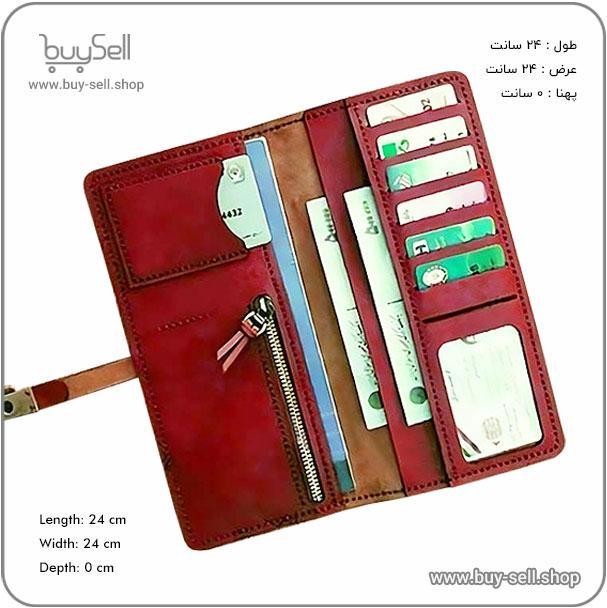
Product purchase offer: Leather pattern
Gathering customer feedback efficiently requires a thoughtful approach, utilizing a variety of mechanisms tailored to the digital environment. In-app surveys, strategically placed at key interaction points or after specific feature usage, can capture context-rich insights. Email questionnaires offer a broader reach for more detailed inquiries, while dedicated user forums or community groups provide platforms for open discussion and peer-to-peer support, where valuable organic feedback often emerges. Social media listening tools are also essential for monitoring public sentiment and identifying common themes or issues. Furthermore, direct customer support interactions, whether via live chat or email, serve as critical conduits for capturing individual pain points. The key is to make the feedback process as frictionless as possible for the user, ensuring accessibility and ease of submission across all relevant channels.
Collecting feedback is only half the battle; the true value lies in its analysis and subsequent action. Once feedback is gathered, it must be systematically reviewed to identify recurring themes, critical bugs, and popular feature requests. Tools for sentiment analysis and data visualization can help in categorizing and prioritizing insights. It’s vital to distinguish between isolated incidents and widespread issues that affect a significant portion of the user base. Once priorities are established, these insights must be translated into actionable development tasks or marketing adjustments. Crucially, digital product teams must close the feedback loop by communicating back to their users about how their input has led to improvements or new features. This transparency not only validates the users’ efforts but also reinforces their trust and encourages continued engagement, fostering a virtuous cycle of improvement and loyalty.
Building lasting customer loyalty for digital products extends beyond merely delivering a functional product; it involves cultivating a strong, positive relationship with users over time. Personalized communication plays a pivotal role, making users feel valued rather than just another number. This could include tailored email updates, exclusive content offerings, or early access to new features. Exceptional customer support, characterized by promptness, empathy, and effective problem-solving, is non-negotiable. Implementing loyalty programs, such as tiered rewards, discounts on future purchases, or referral incentives, can also motivate repeat engagement. Fostering a vibrant user community, where users can share tips, seek help, and connect with creators, significantly deepens their investment in the product. Proactive outreach, anticipating potential issues before they arise, further cements trust and loyalty, turning satisfied customers into enthusiastic advocates.
Proactive customer support and engagement are cornerstones of a successful retention strategy for digital products. Instead of waiting for users to encounter problems and reach out, a proactive approach anticipates potential issues and provides solutions or guidance beforehand. This can manifest through comprehensive FAQ sections, searchable knowledge bases, and intuitive in-app tutorials that guide users through complex features. Regular communication about product updates, new features, and upcoming changes keeps users informed and engaged. Automated onboarding sequences ensure new users get off to a smooth start, reducing early churn. Furthermore, segmenting users and offering targeted advice or support based on their usage patterns can dramatically improve their experience. By consistently demonstrating a commitment to user success and satisfaction, digital product providers can transform potentially frustrating experiences into opportunities to strengthen customer relationships, leading to higher retention rates and positive word-of-mouth referrals.
follow us in telegram & instagram
To effectively leverage customer feedback and retention strategies, it is essential to measure their impact using key performance indicators (KPIs). The churn rate, which indicates the percentage of customers who stop using your digital product over a given period, is a primary metric to track, with lower rates signifying better retention. Customer Lifetime Value (CLTV) measures the total revenue a business can reasonably expect from a single customer account over the duration of their relationship. A higher CLTV points to successful long-term engagement and loyalty. The repeat purchase rate or subscription renewal rate offers direct insight into customer satisfaction and product stickiness. The Net Promoter Score (NPS), gathered through simple surveys, gauges customer loyalty and their willingness to recommend the product to others. Regularly monitoring these metrics allows businesses to assess the effectiveness of their feedback loops and retention initiatives, providing data-driven insights to refine strategies and ultimately boost digital product sales.

 Saeede Bayat
May 04, 2025

 Buy Sell
Apr 20, 2025
 Saeede Bayat
Apr 28, 2025
 Saeede Bayat
Apr 23, 2025
 Buy Sell
Oct 25, 2025
Subscribe to the Buy Sell newsletter and enjoy its benefits.