


No products in the cart.
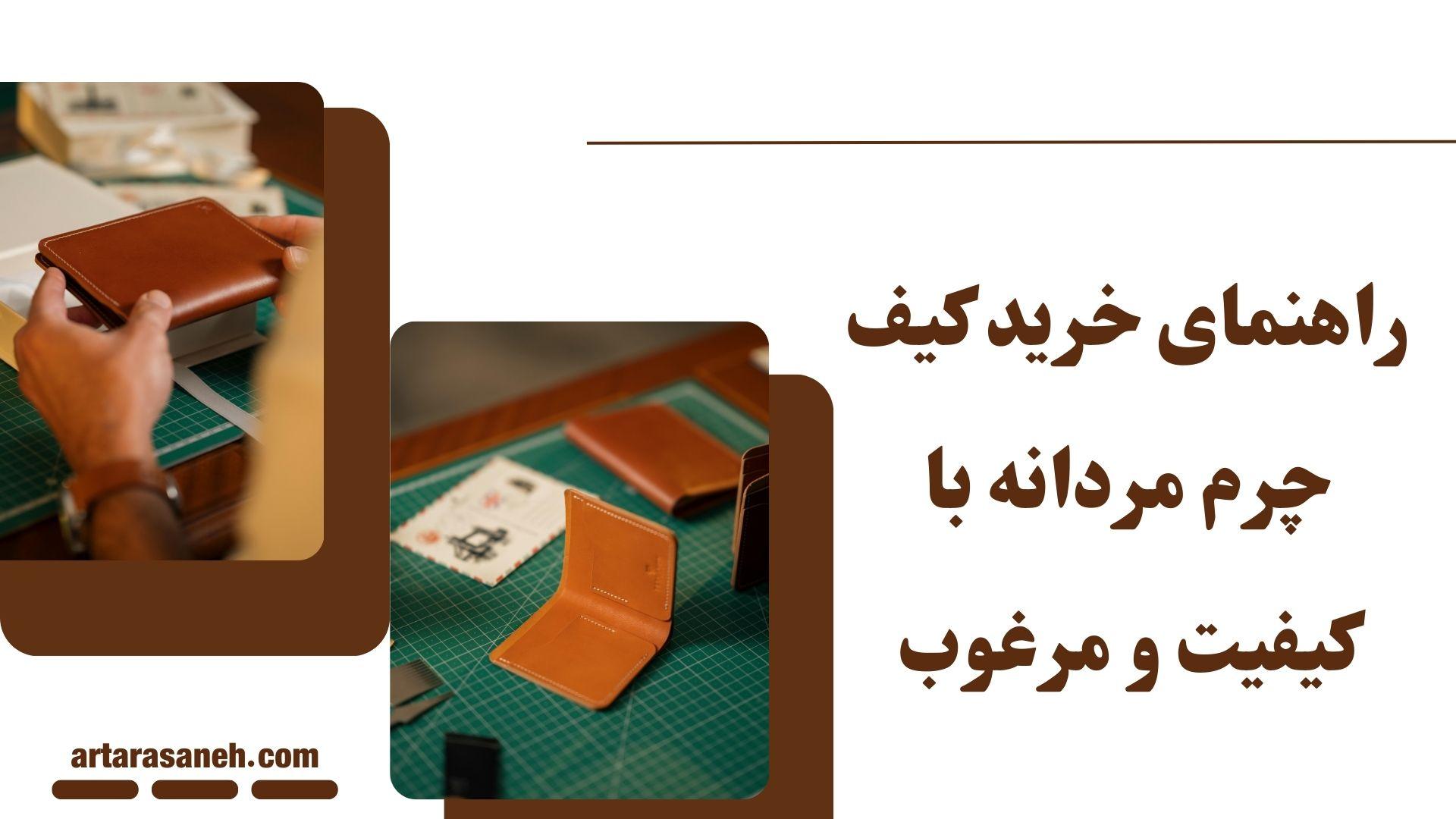
Discover essential tips and techniques for preserving and maintaining your leather goods to ensure longevity and pristine condition.
Leather is categorized into distinct grades based on the layer of hide used and the manufacturing process applied. Full-grain leather represents the highest quality, preserving the entire grain layer with all natural markings, pores, and texture intact. This type develops a rich patina over time and offers exceptional durability. Top-grain leather is the second-highest grade, where the surface has been lightly sanded to remove imperfections, resulting in a more uniform appearance while maintaining good strength and longevity.
Genuine leather, despite its name suggesting authenticity, actually refers to lower-quality material made from the layers beneath the top grain. This grade is often treated with heavy finishes to create an artificial grain pattern. Bonded leather sits at the bottom of the quality spectrum, composed of leather scraps mixed with polyurethane or latex, offering minimal durability compared to higher grades. Understanding these classifications helps consumers make informed decisions based on their specific needs and budget constraints.
Leather possesses unique physical characteristics that distinguish it from synthetic alternatives. Breathability is one of its most valued properties, allowing air and moisture vapor to pass through the material, which prevents heat buildup and provides comfort in footwear, upholstery, and garments. The tensile strength of quality leather ensures resistance to tearing and stretching, making it suitable for applications requiring durability under stress.
The flexibility and elasticity of leather allow it to conform to shapes while returning to its original form, a property particularly important in products like shoes and gloves. Water resistance varies depending on the tanning method and finishing treatments applied. Vegetable-tanned leather absorbs moisture more readily than chrome-tanned varieties, though both can be treated with waterproofing agents to enhance protection. The natural fiber structure of leather also provides excellent abrasion resistance, allowing products to withstand regular wear without rapidly deteriorating.
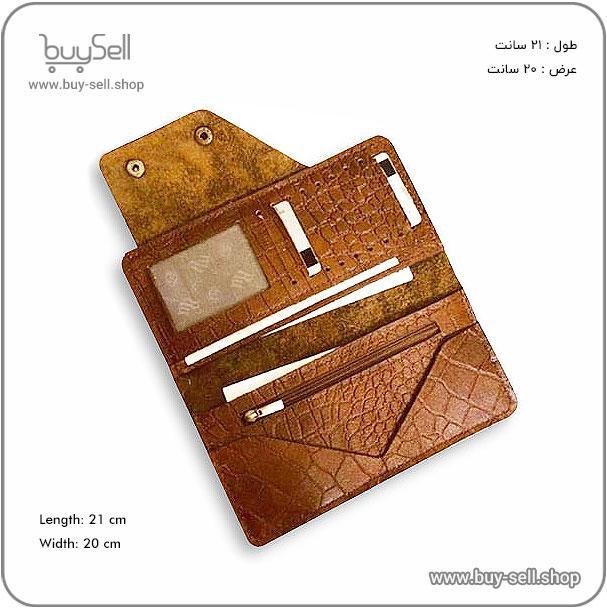
Product purchase offer: Leather wallet pattern
The tanning process fundamentally transforms raw hide into stable leather by preventing decomposition and imparting specific properties. Vegetable tanning uses natural tannins extracted from tree bark, leaves, and fruits, resulting in leather with a firm texture, rich color that darkens with age, and excellent moldability. This traditional method produces environmentally friendlier leather that biodegrades naturally, though the process requires several weeks to complete.
Chrome tanning employs chromium salts to achieve faster processing times, typically completed within one day. This method yields softer, more supple leather with greater water resistance and color stability. The majority of commercially available leather undergoes chrome tanning due to its efficiency and consistent results. Alternative methods include aldehyde tanning for washable leather products and synthetic tanning agents that offer specific performance characteristics. Each tanning approach influences the final leather's texture, durability, color retention, and environmental impact.
Matching leather type to intended use ensures optimal performance and longevity. For upholstery and furniture, top-grain or corrected-grain leather provides durability with consistent appearance, while full-grain offers premium aesthetics for luxury pieces. Footwear benefits from chrome-tanned leather for everyday shoes due to flexibility and moisture management, whereas vegetable-tanned leather suits dress shoes requiring structure and formality.
Garments demand soft, lightweight leather with excellent drape, making lambskin and goatskin ideal choices. Accessories such as belts and bags require firm, thick leather that maintains shape under stress, positioning vegetable-tanned cowhide as a preferred option. Industrial applications may require specialty leathers with enhanced chemical resistance, heat tolerance, or specific thickness measurements. Understanding the relationship between leather properties and application requirements enables appropriate material selection that balances performance, aesthetics, and cost considerations.
Maintaining the beauty and longevity of leather goods requires consistent attention to daily cleaning and dust removal. Leather is a natural material that breathes and responds to its environment, making it susceptible to accumulating dust, dirt, and airborne particles that can gradually degrade its surface. Establishing a regular cleaning routine prevents these contaminants from embedding themselves into the leather's pores, which can lead to discoloration, cracking, and premature aging. By dedicating just a few minutes each day or week to proper dust removal, leather owners can preserve the material's natural luster and extend its functional lifespan significantly.
Dust particles may appear harmless, but they act as abrasive agents when left to settle on leather surfaces. These microscopic fragments contain minerals, fibers, and pollutants that create friction against the leather whenever the item is touched or moved. Over time, this abrasion wears down the protective finish and natural oils within the leather, causing the surface to become dull and brittle. Furthermore, dust attracts and retains moisture from the air, creating conditions that promote mold growth and mildew formation, particularly in humid environments. The combination of abrasive wear and moisture retention makes regular dust removal not merely a cosmetic concern but an essential preservation practice for all leather items, from furniture and jackets to bags and shoes.
The selection of appropriate cleaning tools is fundamental to effective dust removal without causing damage. A soft, lint-free cloth made from microfiber or cotton flannel serves as the ideal instrument for daily dusting. These materials gently lift particles from the leather surface without scratching or leaving residue behind. For textured or grained leather, a soft-bristled brush specifically designed for leather care can reach into crevices where dust accumulates. When cleaning, always use gentle, circular motions or stroke in the direction of the leather's natural grain to avoid disrupting its surface structure.
The technique employed during cleaning matters as much as the tools selected. Begin by lightly brushing or wiping the entire surface to remove loose dust particles. Avoid pressing too firmly, as excessive pressure can grind dust into the leather's pores rather than removing it. For leather furniture, pay special attention to seams, tufted areas, and beneath cushions where dust tends to concentrate. Handbags and jackets benefit from turning out pockets and examining hidden corners. After the initial dusting, follow with a slightly dampened cloth to capture any remaining fine particles, ensuring the cloth is only barely moist and never wet, as excessive water can stain and damage leather.
Many leather owners inadvertently damage their items through well-intentioned but improper cleaning practices. Using household dusters treated with chemical polishes or oils may seem convenient, but these products often contain silicones and petroleum-based substances that coat the leather, preventing it from breathing and potentially causing buildup that attracts more dust. Similarly, vacuum cleaner attachments, while effective for fabric upholstery, can be too aggressive for leather surfaces unless used with specialized soft brush attachments on low suction settings.
Another frequent error involves neglecting consistency in cleaning schedules. Allowing dust to accumulate for extended periods transforms simple maintenance into a more intensive restoration process. Additionally, using abrasive materials like paper towels, rough sponges, or synthetic cloths can scratch the leather's finish and create irreversible damage. Never apply cleaning products directly to the leather surface; instead, apply them to your cleaning cloth first to control the amount and ensure even distribution.
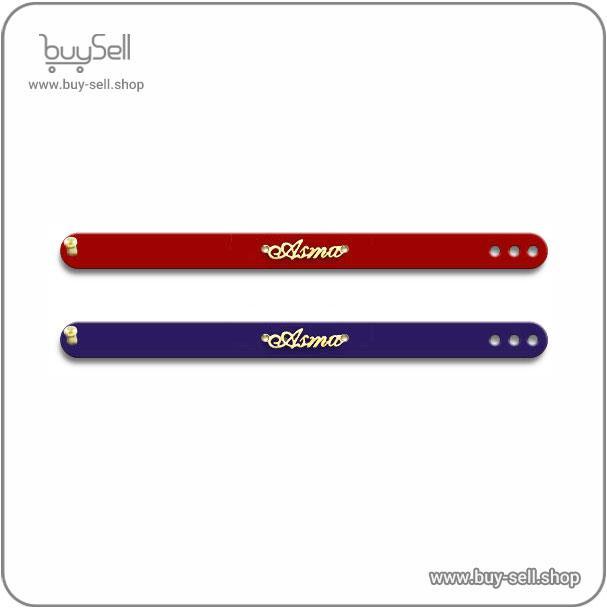
Product purchase offer: Bracelet and accessory pattern
The frequency of dust removal depends on the item's use and environmental exposure. High-traffic leather furniture in living spaces benefits from daily light dusting, while leather goods stored in closets may only require weekly attention. Items exposed to outdoor environments or dusty conditions need more frequent care. Creating a simple checklist helps maintain consistency: inspect leather items regularly, perform quick dusting sessions several times weekly, and schedule monthly deeper cleaning that combines dust removal with conditioning treatments. This layered approach ensures leather remains clean without over-handling, which can be equally problematic as neglect.
Leather conditioning serves as the foundation for maintaining the integrity and appearance of leather goods over time. Natural leather contains oils and moisture that gradually diminish through regular use, exposure to environmental conditions, and the aging process. Conditioning replenishes these essential elements, preventing the material from becoming brittle, cracked, or discolored. Quality conditioners penetrate the leather fibers, restoring flexibility while creating a protective barrier against water, stains, and UV damage. Understanding this fundamental purpose helps leather owners recognize conditioning not as an optional cosmetic treatment, but as a necessary maintenance practice that extends the lifespan of jackets, furniture, shoes, bags, and other leather items significantly.
Choosing the right conditioning product requires consideration of leather type, finish, and intended use. Natural oil-based conditioners, such as those containing neatsfoot oil, mink oil, or lanolin, work exceptionally well for unfinished or aniline leather, providing deep penetration and nourishment. Cream-based conditioners offer versatility for most semi-aniline and pigmented leathers, balancing moisturizing properties with surface protection. Wax-based products provide superior water resistance, making them ideal for outdoor gear and work boots, though they may darken lighter leathers. Water-based conditioners present a lighter alternative for delicate or exotic leathers that might react poorly to heavy oils. Before applying any product to the entire item, conducting a patch test on an inconspicuous area ensures compatibility and prevents unwanted discoloration or texture changes.
Proper application technique maximizes conditioning effectiveness while avoiding common pitfalls. Begin by thoroughly cleaning the leather surface to remove dirt, dust, and previous product buildup that would prevent proper absorption. Allow the leather to dry completely before proceeding. Apply a small amount of conditioner to a soft, lint-free cloth rather than directly onto the leather surface, which prevents over-application and uneven distribution. Work the conditioner into the leather using gentle circular motions, paying particular attention to high-stress areas such as creases, seams, and corners where drying occurs most rapidly. Apply thin, even coats rather than saturating the material, as excessive conditioning can clog pores, attract dirt, and create a sticky residue. Allow the conditioner to absorb for the manufacturer's recommended time, typically between twenty minutes and several hours, then buff away any excess with a clean cloth to restore the desired sheen.
Establishing an appropriate conditioning schedule depends on usage patterns, environmental exposure, and leather characteristics. Items experiencing daily wear, such as work boots or handbags, generally benefit from conditioning every three to six months under normal conditions. Leather goods stored in climate-controlled environments may require treatment only once or twice annually, while those exposed to harsh weather, direct sunlight, or arid conditions need more frequent attention. Visual and tactile cues indicate when conditioning becomes necessary: leather appearing dull, feeling stiff or dry to the touch, or showing fine surface cracks signals immediate need for moisturizing treatment. Seasonal transitions present ideal conditioning opportunities, particularly before winter storage or summer use, as temperature and humidity fluctuations accelerate moisture loss.
Several frequent errors undermine conditioning efforts and potentially damage leather items. Over-conditioning ranks among the most prevalent mistakes, as excessive product application weakens leather fibers, promotes mold growth, and attracts dirt accumulation. Using inappropriate products designed for different materials, such as household oils or petroleum-based substances, can cause irreversible staining and deterioration. Conditioning dirty leather traps contaminants beneath the surface, accelerating wear rather than preventing it. Applying conditioner to wet leather dilutes the product and prevents proper absorption, reducing effectiveness. Neglecting to test new products before full application risks discoloration or adverse reactions. By recognizing and avoiding these common pitfalls, leather owners preserve their investments while maintaining the natural beauty and functionality that make leather goods valuable possessions.
Before attempting any treatment, identifying the type of stain and the leather finish is essential for successful restoration. Common stains include oil-based marks from food and cosmetics, water spots from rainfall or spills, ink from pens, and organic stains from wine or coffee. Different leather types react uniquely to cleaning agents; aniline leather, which retains natural surface characteristics, absorbs liquids quickly and requires gentler treatment than pigmented or protected leather with sealed surfaces. Assessing the age of the stain also determines the approach, as fresh spills respond better to immediate blotting, while set-in stains may require specialized solvents or professional intervention. Always test any cleaning method on an inconspicuous area first to prevent discoloration or surface damage.
Water-based stains typically require gentle blotting with a clean, absorbent cloth to lift excess moisture without spreading the mark. For ink stains, rubbing alcohol applied sparingly with a cotton swab can dissolve the pigment, followed by conditioning to restore moisture balance. Oil and grease stains benefit from cornstarch or talcum powder application, which absorbs the oil over several hours before being brushed away with a soft-bristle brush. Dark stains from coffee or wine should be addressed with a mixture of mild soap and distilled water, applied with a damp cloth in circular motions, then wiped clean with a separate damp cloth.
For stubborn discoloration, specialized leather cleaners formulated for specific stain types provide targeted treatment without compromising the material's integrity. After any cleaning procedure, applying a quality leather conditioner replenishes natural oils stripped during the cleaning process and helps maintain flexibility. Deep-set stains that penetrate beyond the surface may require color restoration products or professional dyeing services to achieve uniform appearance across the affected area.
Beyond stains, leather items often require repair for scratches, scuffs, tears, and cracks. Minor scratches can be minimized by gently rubbing the affected area with your fingertip, as body heat and natural oils temporarily reduce their visibility. For deeper scratches, leather repair kits containing color-matched compounds fill and camouflage the damage when applied carefully with a palette knife or spatula, then buffed smooth once dried.
Small tears and punctures need immediate attention to prevent expansion. Leather adhesive applied beneath the torn edges, followed by pressing the area flat under weight for several hours, creates a secure bond. Reinforcing patches attached to the underside provide additional strength for high-stress areas. Cracks resulting from excessive dryness require reconditioning with heavy-duty leather creams or oils that penetrate deeply, though severely cracked leather may need professional restoration involving filler compounds and color matching to restore both appearance and structural integrity.
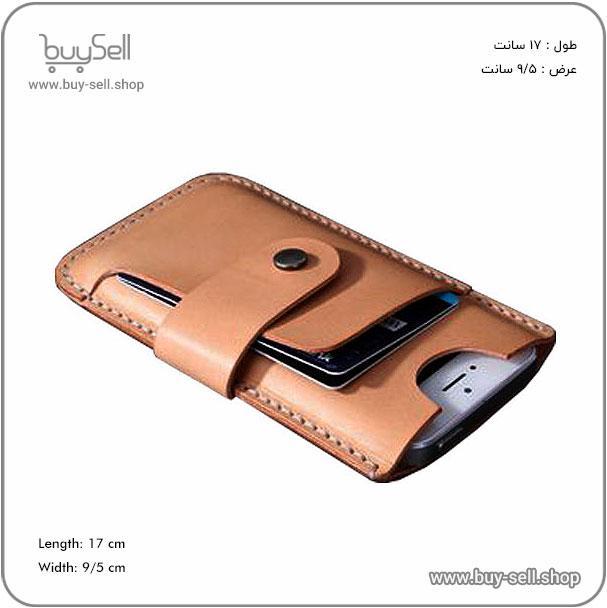
Product purchase offer: Leather Phone Case Pattern
Many well-intentioned attempts at stain removal cause more harm than the original problem. Using harsh household cleaners, bleach, or ammonia-based products strips protective finishes and causes irreversible discoloration. Excessive water saturation leads to warping, hardening, and water rings that become permanent. Vigorous scrubbing damages the grain structure and creates abrasion marks more noticeable than the initial stain. Heat application from hair dryers or radiators accelerates drying but causes cracking and shrinkage.
Prevention remains the most effective strategy for maintaining leather appearance. Regular conditioning every three to six months maintains suppleness and creates a protective barrier against spills. Immediate blotting of fresh spills prevents liquid penetration. Storing leather items away from direct sunlight prevents fading and drying. Using protective sprays designed for leather adds water and stain resistance without altering breathability. Professional cleaning for valuable or delicate items ensures appropriate treatment methods preserve both appearance and longevity, making the investment worthwhile for cherished leather goods.
The environment where you store your leather items plays a crucial role in their longevity and appearance. Leather is a natural material that breathes and responds to its surroundings, making climate control essential for preservation. The ideal storage space should maintain a consistent temperature between sixty and seventy degrees Fahrenheit with moderate humidity levels around fifty percent. Excessive heat can cause leather to dry out and crack, while high humidity promotes mold growth and mildew formation. Avoid storing leather goods in attics, basements, or garages where temperature fluctuations are common. Instead, opt for climate-controlled closets or rooms within your living space. Direct sunlight should be avoided as ultraviolet rays can fade colors and weaken leather fibers over time. A dark or dimly lit area provides optimal protection against light damage while maintaining the material's natural oils and suppleness.
Before placing leather items into storage, proper preparation ensures they emerge in excellent condition. Begin by thoroughly cleaning each piece according to its specific leather type, removing all dirt, dust, and oils that have accumulated during use. Once cleaned, apply a quality leather conditioner to restore moisture and create a protective barrier against drying during the storage period. Allow the conditioner to fully absorb before storing, which typically takes several hours. For structured items like handbags and boots, maintaining their original shape is critical. Stuff these items with acid-free tissue paper or unprinted newspaper to help them retain their form and prevent creasing or collapsing. Never use plastic bags for stuffing as they trap moisture and prevent air circulation. For leather jackets and coats, use padded hangers that distribute weight evenly across the shoulders to prevent stretching or distortion. Empty all pockets and ensure zippers and buttons are fastened to maintain the garment's intended shape throughout the storage period.
The containers and coverings you choose for leather storage significantly impact the material's condition over time. Breathable fabric dust bags or cotton pillowcases provide ideal protection by shielding leather from dust while allowing necessary air circulation. Many luxury leather goods come with their own branded dust bags, which are specifically designed for optimal storage of those items. Avoid plastic bags or airtight containers at all costs, as leather requires air flow to prevent moisture buildup that leads to mold and unpleasant odors. For smaller accessories like wallets, belts, and gloves, dedicated compartments in fabric organizers work well. When storing multiple leather items together, ensure they do not touch each other directly, as color transfer can occur between pieces, especially with darker leathers against lighter ones. Wrapping individual items in acid-free tissue paper creates a protective barrier and prevents color bleeding. Cedar elements can be placed nearby to naturally repel insects and absorb excess moisture, but should not make direct contact with leather surfaces as the oils can cause staining.
Even while in storage, leather items benefit from periodic attention and inspection. Every two to three months, remove your stored leather goods from their containers to allow them to breathe and to check for any signs of deterioration such as mold spots, drying, or pest damage. This inspection period also provides an opportunity to gently reshape stuffed items and redistribute tissue paper if it has shifted. During these checks, lightly wipe down surfaces with a soft, dry cloth to remove any dust that may have settled. If you notice the leather becoming dry or stiff, apply a small amount of conditioner to restore suppleness. Rotating items occasionally prevents permanent creasing in folded areas and ensures even aging of the material. For leather goods stored on hangers, adjust their position slightly to prevent shoulder bumps or hanger marks from forming in the same location. This regular maintenance routine ensures your leather investments remain in pristine condition and are ready for use whenever needed, extending their functional life by many years.

 Saeede Bayat
May 04, 2025

 Buy Sell
Apr 20, 2025
 Saeede Bayat
Apr 28, 2025
 Saeede Bayat
Apr 23, 2025
 Buy Sell
Oct 25, 2025

Subscribe to the Buy Sell newsletter and enjoy its benefits.