


No products in the cart.
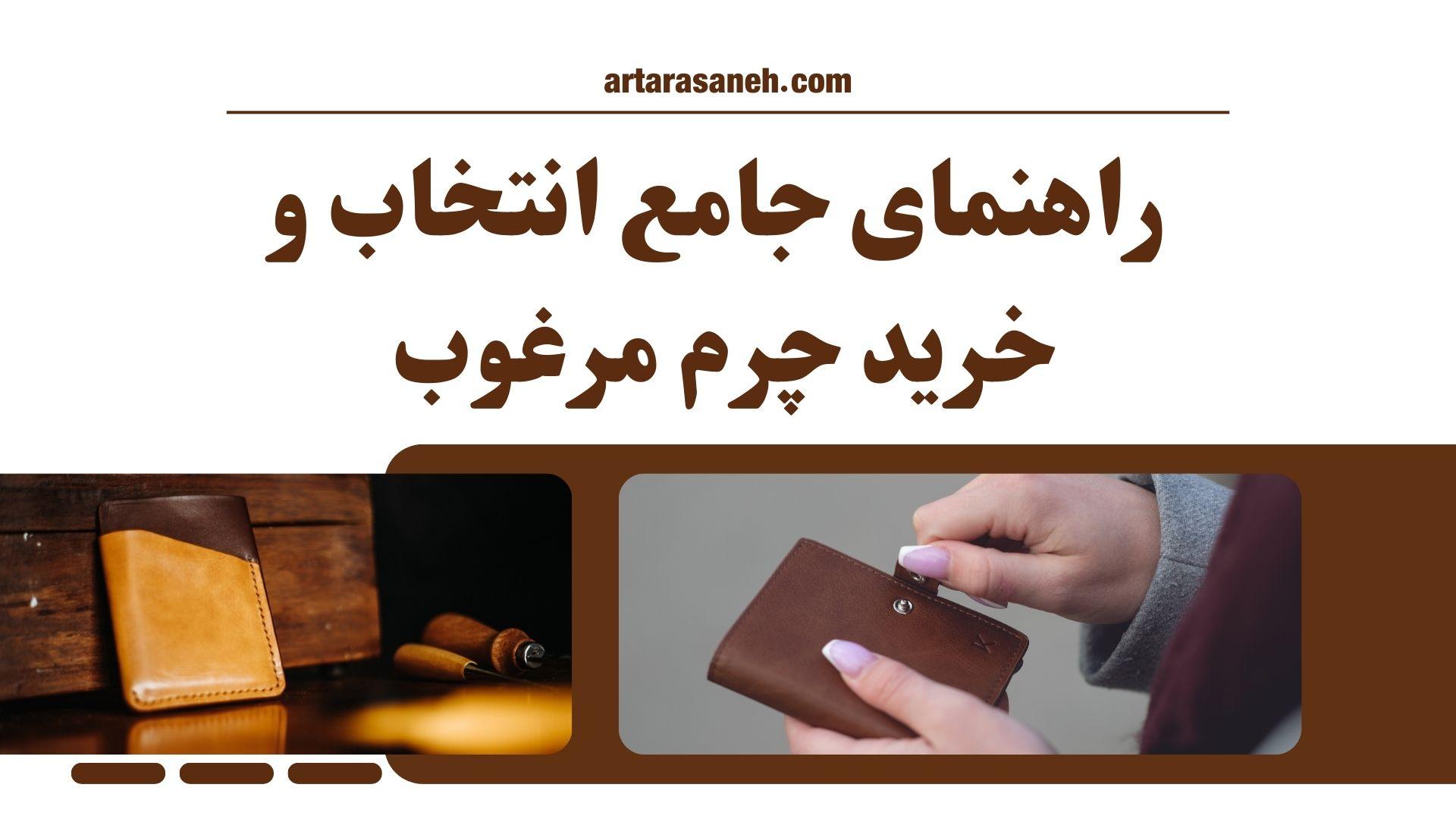
Explore different leather types, their characteristics, quality factors, and best applications in fashion and industry.
Natural leather is a material derived from animal hides and skins that undergo a preservation process called tanning. The most common sources include cattle, sheep, goats, and pigs, with cowhide representing the majority of leather production worldwide. The tanning process transforms raw animal skin into a durable, flexible material that resists decomposition. This involves treating the hides with various chemical agents such as chromium salts for chrome tanning or vegetable-based tannins for vegetable tanning. The result is a breathable material with unique grain patterns, natural markings, and individual characteristics that make each piece distinctive. Natural leather develops a patina over time, meaning it ages gracefully and often becomes more attractive with use, displaying a worn character that reflects its history.
Synthetic leather, commonly known as faux leather or vegan leather, is a man-made material engineered to replicate the appearance and texture of genuine leather without using animal products. The two primary types are polyurethane leather, known as PU leather, and polyvinyl chloride leather, called PVC leather. PU leather consists of a fabric base coated with a polyurethane layer, offering greater breathability and flexibility compared to PVC alternatives. PVC leather features a polyester or cotton backing with a vinyl coating, resulting in a stiffer and less breathable material. Modern manufacturing techniques have advanced considerably, allowing synthetic options to closely mimic the look and feel of natural leather. However, synthetic leather does not develop a patina or age in the same manner as genuine leather, and it typically has a more uniform appearance without natural variations in grain or texture.
When evaluating durability, natural leather generally outperforms synthetic alternatives in longevity and wear resistance. Quality genuine leather can last decades with proper care, becoming softer and more comfortable over time while maintaining structural integrity. It possesses natural breathability due to its porous structure, allowing air circulation that helps regulate temperature and moisture. This makes natural leather particularly comfortable for footwear, upholstery, and clothing applications. Synthetic leather typically has a shorter lifespan, often showing signs of wear such as cracking, peeling, or surface degradation after several years of use. The non-porous nature of most synthetic materials means they trap heat and moisture, which can lead to discomfort in certain applications. However, synthetic options offer greater water resistance initially and require less maintenance, as they can often be cleaned with simple wiping rather than specialized leather care products.
The price difference between natural and synthetic leather remains significant, with genuine leather commanding premium prices due to material sourcing, processing complexity, and superior longevity. Synthetic leather provides an affordable alternative that makes leather-look products accessible to budget-conscious consumers. For high-use items that demand durability such as quality footwear, furniture, or leather goods intended for long-term use, natural leather often represents better value despite higher upfront costs. Synthetic options prove practical for fashion items with shorter lifecycles, temporary furnishings, or applications where animal-free materials align with ethical preferences. Environmental considerations present a complex picture for both materials. Natural leather utilizes byproducts from the meat industry but involves chemical-intensive tanning processes. Synthetic leather avoids animal products but relies on petroleum-based plastics that present disposal challenges and environmental concerns during production and at end-of-life.
Choosing between natural and synthetic leather requires weighing multiple factors including budget, intended use, ethical considerations, and performance expectations. Natural leather suits those prioritizing longevity, breathability, and the unique aesthetic qualities that develop through aging. Synthetic alternatives appeal to consumers seeking affordable options, animal-free materials, or products requiring minimal maintenance. Understanding the fundamental differences in composition, performance characteristics, and long-term behavior empowers consumers to select the material that best aligns with their specific needs and values.
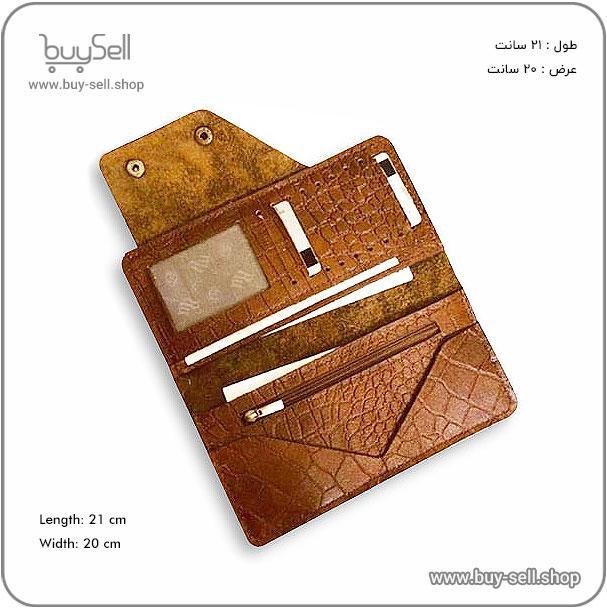
Product purchase offer: Leather wallet pattern
Leather grading establishes a hierarchy based on the quality of the hide and the manufacturing processes applied. The grading system primarily evaluates the layer of hide used, surface treatments, and overall durability. Full-grain leather represents the highest quality, comprising the entire thickness of the hide with the natural grain surface intact. This grade retains the original texture, pores, and markings that develop character over time. Top-grain leather ranks second, where the outermost layer is sanded to remove imperfections before applying a finish coat. While more uniform in appearance, it sacrifices some of the natural breathability and patina development found in full-grain alternatives.
Genuine leather, despite its authentic-sounding name, occupies a lower position in the quality hierarchy. This grade typically consists of layers beneath the top-grain that are processed and finished to create a leather-like appearance. Split leather comes from the fibrous portion remaining after top layers are separated, often embossed with artificial grain patterns. Bonded leather represents the lowest grade, manufactured from leather scraps and fibers combined with polyurethane or latex bonding agents. Understanding these distinctions helps consumers make informed purchasing decisions based on intended use and longevity expectations.
Professional leather evaluation relies on standardized testing procedures that measure specific performance characteristics. Tensile strength testing determines how much force the material can withstand before tearing, essential for products subjected to regular stress. Tear resistance evaluates how easily a cut or puncture propagates through the material, indicating durability under harsh conditions. Colorfastness testing assesses whether dyes remain stable when exposed to light, water, and friction, preventing premature fading and transfer to clothing.
Thickness measurements ensure consistency across production batches, typically measured in ounces per square foot or millimeters. Premium manufacturers maintain strict tolerances to guarantee uniform performance. Flexibility and grain crack testing bend the leather repeatedly to simulate years of use, revealing potential weaknesses in finishing or tanning processes. Chemical analysis verifies that tanning agents and finishes meet safety regulations, particularly important for items in direct contact with skin. Reputable suppliers provide documentation certifying their products meet international standards such as ISO specifications or leather working group ratings.
Several observable features distinguish superior leather from inferior alternatives. High-quality leather displays natural variations in grain pattern, with visible pores and slight imperfections that confirm authenticity. The surface should feel supple yet substantial, with a pleasant natural aroma rather than strong chemical odors indicating excessive synthetic treatment. When pressed, premium leather shows temporary indentations that disappear quickly, demonstrating proper fat liquoring during tanning.
Edge examination reveals quality through cut surfaces that show dense, uniform fiber structure rather than layered or crumbly composition. Stitching on finished products should be tight and even, using appropriate thread weight for the leather thickness. Premium items feature careful attention to detail at stress points with reinforcement where necessary. The finish coat on top-grain products should be thin enough to preserve texture while providing protection, avoiding the plastic-like appearance of heavily coated lower grades.
Consumers frequently confuse marketing terminology with actual quality indicators. Terms like "genuine leather" or "real leather" guarantee only that some percentage of animal hide is present, not that the product offers durability or craftsmanship. Overly uniform appearance often signals correction treatments that compromise natural strength. Extremely low pricing compared to market averages typically indicates inferior materials or rushed production methods that reduce longevity.
Another common error involves prioritizing aesthetics over functional requirements. While embossed patterns and glossy finishes appear attractive initially, they may wear poorly compared to natural-grain options. Failing to verify return policies and warranties leaves buyers without recourse when quality issues emerge during normal use. Purchasing without understanding intended application leads to mismatched expectations, such as selecting delicate lambskin for heavy-duty applications requiring robust cowhide. Researching manufacturer reputation and production transparency helps ensure investment in products that deliver lasting value and satisfaction.
Leather finishing represents the final stage in leather production, transforming raw hides into refined materials suitable for various applications. These techniques enhance appearance, improve durability, and protect the leather from environmental damage. Understanding the different finishing methods helps manufacturers, designers, and consumers select the most appropriate leather type for their specific needs.
Aniline finishing involves treating leather with transparent dyes that penetrate the hide without creating a surface coating. This method preserves the natural grain pattern, pores, and texture, making each piece unique. Only the highest quality hides qualify for aniline finishing since imperfections remain visible. The leather maintains its breathability and develops a rich patina over time, though it offers minimal protection against stains and water damage. This finishing technique is preferred for premium furniture, luxury automotive interiors, and high-end accessories where natural beauty takes precedence over durability.
Semi-aniline finishing strikes a middle ground between natural appearance and practical protection. After dyeing the leather with aniline dyes, a thin protective coating is applied to the surface. This light pigmented layer provides moderate resistance to staining and fading while still allowing the natural grain to show through. The leather retains much of its breathability and softness but offers better performance in everyday use. Semi-aniline leather appears in quality footwear, upholstery, and bags where both aesthetics and functionality matter. This technique accommodates hides with minor imperfections, making it more economical than pure aniline finishing while maintaining visual appeal.
Pigmented finishing applies an opaque polymer coating containing color pigments to the leather surface. This technique conceals natural imperfections, scars, and variations in the hide, allowing manufacturers to utilize lower-grade leather. Before applying the pigmented finish, the surface often undergoes correcting through buffing or sanding to create a uniform texture. The resulting leather features consistent color and texture throughout, with enhanced resistance to scratches, stains, and fading. However, this durability comes at the cost of reduced breathability and a less natural appearance. Pigmented leather dominates mass-market applications including automotive seating, contract furniture, and affordable fashion accessories where uniformity and longevity outweigh natural character.
Beyond basic finishing, leather can undergo specialized surface treatments to achieve specific aesthetic or functional properties. Embossing involves pressing heated plates into the leather to create artificial grain patterns, logos, or decorative designs. This technique can imitate exotic skins or restore grain patterns to corrected leather. Glazing produces a polished, shiny surface through repeated applications of finish and buffing. Wax finishes create a matte, pull-up effect where the leather lightens when stretched. Suede and nubuck finishes result from buffing the flesh side or grain side respectively, creating a soft, velvety texture. Water-resistant and waterproof finishes incorporate special polymers or waxes that repel moisture, making the leather suitable for outdoor applications and footwear.
Choosing the appropriate leather finishing technique depends on several factors including intended use, budget, maintenance commitment, and aesthetic preferences. Aniline leather suits collectors and enthusiasts who appreciate natural beauty and accept higher maintenance requirements. Semi-aniline finishes work well for residential furniture and personal accessories that need moderate protection with maintained character. Pigmented leather serves high-traffic commercial environments and families requiring easy-care, durable materials. Understanding these distinctions enables informed purchasing decisions and proper care expectations. Each finishing method offers distinct advantages, and no single technique surpasses others in all categories. The ideal choice aligns the leather's properties with the user's priorities and the product's functional demands.
Selecting the appropriate leather type for a specific product is essential to ensure durability, functionality, and aesthetic appeal. Different leather varieties possess unique characteristics that make them suitable for particular applications. Understanding these distinctions helps manufacturers and consumers make informed decisions that balance quality, performance, and budget considerations.
Product purchase offer: Leather shoulder bag and wallet set pattern

Full-grain leather stands as the premium choice for high-quality footwear due to its exceptional durability and breathability. This leather type retains the complete grain surface, including natural markings and texture, which develops a distinguished patina over time. The tight fiber structure provides excellent resistance to moisture and wear, making it ideal for dress shoes, work boots, and hiking footwear. Full-grain leather molds to the wearer's foot shape, offering superior comfort after an initial break-in period.
For athletic and casual footwear, suede and nubuck leather offer softer alternatives. These materials undergo buffing or sanding processes that create a velvety texture, providing flexibility and lightweight comfort. While they require more maintenance to protect against stains and water damage, their aesthetic appeal makes them popular for fashion-forward designs. Chrome-tanned leather also serves well in sports shoes due to its suppleness and resistance to perspiration.
Top-grain leather represents the optimal balance between quality and practicality for furniture upholstery. This material has the outermost layer lightly sanded to remove imperfections, then finished with a protective coating. The result is a uniform appearance that resists spills and stains while maintaining a luxurious feel. Top-grain leather proves particularly suitable for family living spaces where durability meets elegance.
Corrected-grain leather, though lower in the quality hierarchy, serves as a cost-effective option for high-traffic commercial environments. The manufacturing process involves buffing away natural imperfections and embossing an artificial grain pattern. While it lacks the character development of higher grades, its consistent appearance and enhanced stain resistance make it practical for restaurants, offices, and hospitality settings. Bonded leather, composed of leather scraps bonded to a fabric backing, offers the most economical solution for budget-conscious consumers, though with significantly reduced longevity.
Vegetable-tanned leather excels in crafting belts, wallets, and bags that improve with age. This traditional tanning method uses natural tannins from tree bark, resulting in firm leather that holds tooled designs exceptionally well. The material starts with a pale tan color and gradually darkens to rich honey or chestnut tones through exposure to sunlight and handling. This transformative quality appeals to those seeking products with unique character that tell a story over years of use.
For luxury handbags and briefcases, aniline leather provides unmatched sophistication. This lightly treated leather preserves the natural surface characteristics, allowing the authentic texture and color variations to remain visible. The minimal finishing process creates a soft, supple hand feel that discerning customers appreciate. However, this purity comes with increased vulnerability to staining and fading, requiring careful maintenance and protection from harsh conditions.
Certain products demand leather with specific performance characteristics. Patent leather, with its glossy, waterproof finish, suits formal accessories and fashion items where shine and easy cleaning matter most. The coating process involves applying multiple layers of lacquer or plastic, creating a mirror-like surface that repels moisture effectively.
For protective equipment such as motorcycle gear and work gloves, chrome-tanned cowhide offers optimal abrasion resistance and flexibility. The chromium salts used in tanning create a supple yet tough material that withstands harsh conditions while allowing necessary movement. Exotic leathers like ostrich, alligator, and python serve niche luxury markets, offering distinctive textures and patterns that command premium prices. Each exotic variety brings unique qualities, from ostrich's natural quill bumps to crocodile's symmetrical scale patterns, enabling craftspeople to create statement pieces with unmistakable character.
Full grain leather represents the highest quality leather available and requires specific care to maintain its natural beauty and durability. This material retains the complete grain layer with all its natural markings, making it both breathable and resilient. To properly care for full grain leather, begin by regularly wiping the surface with a soft, dry cloth to remove dust and debris. Conditioning should occur every three to six months using a high-quality leather conditioner specifically formulated for full grain varieties. Apply the conditioner sparingly with a clean cloth, working it into the leather using circular motions. Avoid excessive moisture and never use harsh chemical cleaners, as these can strip the natural oils and damage the grain structure. When exposed to water, blot immediately with an absorbent cloth and allow the leather to air dry naturally away from direct heat sources.
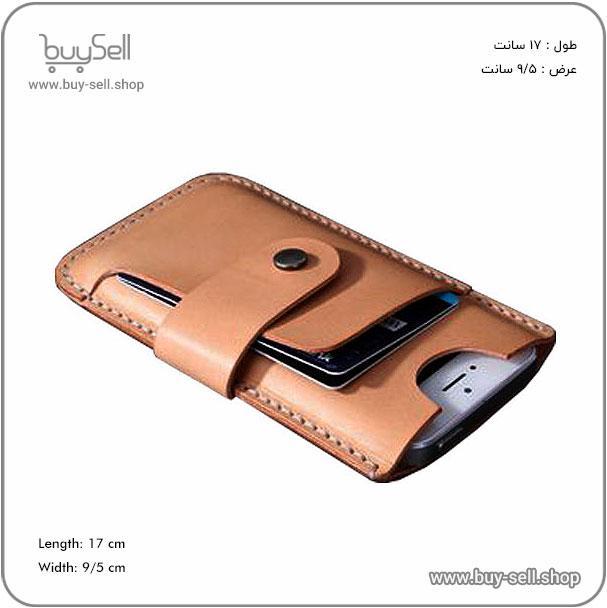
Product purchase offer: Leather Phone Case Pattern
Top grain leather has had its surface lightly sanded and often features a protective finish coating, making it more resistant to stains than full grain varieties. This processed surface requires gentler maintenance approaches. Clean top grain leather monthly using a damp cloth with mild soap solution, ensuring you wring out excess water before wiping. The protective finish means this leather type needs less frequent conditioning, typically every six to twelve months. When conditioning, choose products designed for finished leathers to avoid buildup on the surface coating. Corrected grain leather, which has undergone more extensive surface treatment to remove imperfections, requires similar care but tolerates slightly more aggressive cleaning when necessary. Both types benefit from protection against prolonged sun exposure, which can cause fading of the applied pigments and finishes over time.
Suede and nubuck leathers feature a distinctive napped surface that demands specialized maintenance techniques. These materials are created by buffing the flesh side of the hide or lightly sanding the grain side, resulting in their characteristic soft texture. Regular brushing with a dedicated suede brush helps maintain the nap and remove surface dirt without damaging the delicate fibers. Always brush in one direction to preserve the uniform appearance. For stains, use suede erasers or specialized cleaning blocks designed specifically for these materials, never applying water or liquid cleaners directly. Waterproofing sprays formulated for suede and nubuck should be applied before first use and reapplied every few months to create a protective barrier against moisture and stains. If these leathers become wet, stuff them with newspaper to maintain shape and allow them to dry slowly at room temperature, then restore the nap with gentle brushing once completely dry.
Bonded leather and genuine leather products, which contain reconstituted leather fibers or lower quality splits, require minimal but consistent maintenance. These materials typically feature synthetic coatings that make them easier to clean but less breathable than higher grade leathers. Wipe these surfaces weekly with a slightly damp cloth to prevent dirt accumulation, and avoid saturating the material as excessive moisture can cause the bonding agents to deteriorate. Conditioning is generally unnecessary for bonded leather due to its synthetic composition, though genuine leather splits may benefit from occasional treatment with lightweight conditioners. These materials are more susceptible to peeling and cracking over time, so avoiding sharp objects and preventing prolonged exposure to heat sources extends their usable life. While less durable than premium leather types, proper care can maintain their appearance for several years of regular use.

 Saeede Bayat
May 04, 2025

 Buy Sell
Apr 20, 2025
 Saeede Bayat
Apr 28, 2025
 Saeede Bayat
Apr 23, 2025
 Buy Sell
Oct 25, 2025
Subscribe to the Buy Sell newsletter and enjoy its benefits.