Your Cart
×
Explore different leather varieties, their unique properties, uses, and how to choose the right type for your needs.
Leather has been used for thousands of years, and it remains one of the most valued materials for bags, shoes, garments, and furniture. Yet the word covers a wide range of products, from heirloom-quality hides to inexpensive imitations. This guide explains what natural leather is, how it is tanned and identified, how full grain differs from top grain, what makes exotic leathers special, how to choose quality products, and how to care for them so they last.
Natural leather is a durable, flexible material made by tanning animal rawhide and skin. Unlike synthetic alternatives, genuine natural leather comes from the hides of cattle, sheep, goats, pigs, and other animals. Turning raw hide into finished leather involves removing hair and flesh and then treating the material with tanning agents that prevent decomposition and improve durability. This organic origin gives natural leather its distinctive characteristics, including breathability, unique grain patterns, and the ability to develop a rich patina over time. Each piece carries individual markings such as wrinkles, scars, and grain variations, which serve as evidence of authenticity and add to its aesthetic appeal.
The quality of natural leather depends heavily on the animal source, the part of the hide used, and the tanning method. Full-grain leather, which retains the complete original texture of the hide, is the highest quality tier. Top-grain leather has had its uppermost layer lightly sanded to remove imperfections while keeping good durability. Split leather comes from the lower layers once the top grain has been separated, and it typically needs additional finishing to produce a usable surface.
These distinctions matter because they affect how a product looks, feels, and ages. Two items that are both described as leather can differ greatly in lifespan, so understanding the basics is the best protection against disappointing purchases.
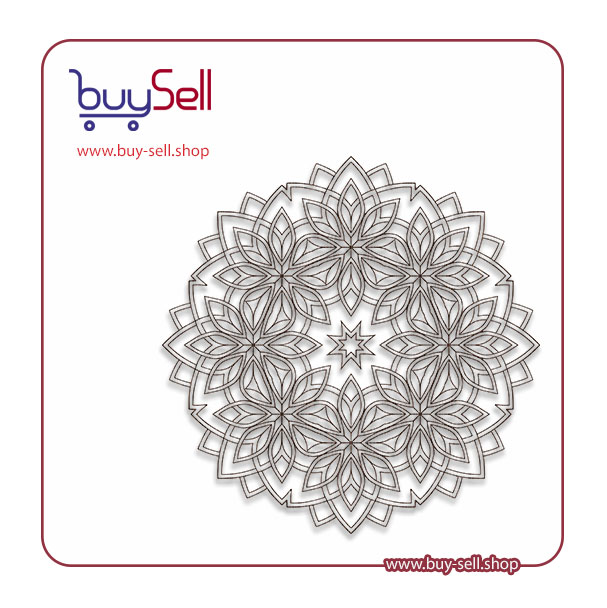
Product purchase offer: Bracelet and accessory pattern

Tanning fundamentally transforms perishable rawhide into stable, long-lasting leather. Two main methods dominate the industry: vegetable tanning and chrome tanning. Vegetable tanning relies on tannins extracted from tree bark, leaves, and other plant materials. This centuries-old technique produces firm, thick leather with a natural appearance and a pleasant earthy aroma. The process takes several weeks to months, because the hides absorb the tannins slowly through repeated immersion in increasingly concentrated solutions. Vegetable-tanned leather develops a beautiful patina with age and is preferred for tooling, saddlery, and high-end leather goods.
Chrome tanning, developed in the nineteenth century, uses chromium salts and is typically completed within a day. It produces softer, more supple leather that resists water and staining better than vegetable-tanned alternatives. Chrome-tanned leather keeps a consistent color and is ideal for garments, upholstery, and footwear. Some manufacturers combine both methods in a hybrid approach to balance the strengths of each.
Each method has its place. If you want a material that stiffens at first and then gradually softens and darkens with use, vegetable-tanned leather is the classic choice. If you need softness from the first day and easier everyday care, chrome-tanned leather is often more practical.
Telling genuine natural leather from synthetic imitations means paying attention to several key indicators. Authentic leather feels warm to the touch and shows irregular grain patterns, while synthetic materials often have uniform, repetitive textures. Natural leather varies in pore size and distribution across its surface, whereas artificial alternatives have perfectly consistent pore patterns or none at all. Looking closely at the edges of genuine leather reveals fibrous layers, in contrast to the fabric or plastic base visible on faux leather edges.
The smell test is another reliable check, since natural leather has a distinctive, rich, organic aroma that synthetics cannot replicate. When a small amount of water is placed on untreated genuine leather, it gradually absorbs into the material, while synthetic surfaces cause water to bead up and roll off. Flexibility and resilience differ too: natural leather wrinkles naturally when pressed and returns to its original shape, whereas synthetic materials often crease artificially or stay permanently deformed.
No single test is conclusive, particularly because some natural leathers have protective finishes that change how they react to water. For the most reliable result, combine several checks, and buy from sellers who can tell you exactly what the material is.
Proper maintenance lets natural leather reach its full lifespan, which can span decades with appropriate care. Regular cleaning with a soft, damp cloth removes surface dirt without harming the material. Conditioning replenishes the natural oils that evaporate over time, preventing the leather from drying out, cracking, or becoming brittle. How often you condition depends on use and environment; items in dry climates or in frequent use need more attention.
Storage conditions also have a large effect on preservation. Natural leather needs a breathable environment with moderate humidity, since excess moisture encourages mold while extreme dryness causes deterioration. Direct sunlight and heat sources should be avoided to prevent fading and structural damage. When stored properly and maintained consistently, natural leather goods develop character through use while keeping their function, which makes them valuable investments that improve in appearance with age.
The primary difference between full grain and top grain leather is how much of the original hide surface remains. Full grain leather keeps the entire grain layer, including all the natural markings, pores, and imperfections of the animal's skin. This unaltered surface contains the densest and most durable fibers in the hide, which makes it the strongest type of leather available. Top grain leather, by contrast, has had its outermost layer sanded or buffed away to remove blemishes and create a more uniform appearance. This removes some of the tightest fiber structure, so the material is slightly less durable than full grain.
The grain layer is the hide's natural protection and contains oils that help leather age gracefully. When manufacturers remove part of it to make top grain leather, some of those protective qualities are lost. In exchange, they gain greater control over the final look, and can emboss patterns or apply uniform finishes that appeal to buyers who want a consistent appearance across their leather goods.
One of the most celebrated features of full grain leather is its ability to develop a rich patina over years of use. Because the natural grain surface remains intact, with its oils and tight fiber structure, full grain leather responds to handling, sunlight, and environmental exposure by developing a distinctive sheen and character that deepens with age. This patina is a visual record of the item's history, and leather enthusiasts value the unique personality that each piece acquires.
Top grain leather has been sanded and is usually coated with protective finishes, so it generally does not develop patina in the same way. The applied finish forms a barrier between the natural oils and the environment, and the appearance stays relatively consistent over the product's life. This means top grain items keep their original color and texture for longer, but they lack the evolving character that many consider the hallmark of premium leather. For people who prefer a predictable, unchanging look, that stability may be an advantage.
The structure of full grain leather makes it exceptionally resistant to wear and tear. The dense fiber network at the hide's surface evolved to protect the animal from environmental hazards, and the same properties translate into durability in finished products. Full grain items can last for decades with proper care and often become heirlooms passed down through generations. The material's breathability also prevents moisture buildup that can lead to deterioration, which extends its working life even further.
Top grain leather is also substantially durable, though typically not to the same degree as full grain. Sanding removes the most resilient fibers, and the protective coatings applied afterward, while offering some resistance to stains and moisture, can crack or peel over time. As a result, top grain products may show wear sooner, particularly in high-stress areas such as furniture seating surfaces or frequently handled bag straps. Even so, quality top grain leather still outperforms lower grades and synthetic alternatives in durability tests.
Full grain leather commands premium prices, reflecting both its superior qualities and the limited supply of hides suitable for it. Only the highest quality hides without significant scarring or damage can be used, because every imperfection will remain visible in the finished product. This selectivity means fewer hides qualify, which raises costs. Working with full grain also demands more skill from craftspeople, as the material cannot easily be corrected if mistakes happen during manufacturing.
Top grain leather sits in the middle of the market, offering many desirable leather qualities at a more accessible price. Since surface imperfections can be sanded away and disguised with finishes, a larger share of hides can be used. This greater supply, together with somewhat easier manufacturing, allows brands to offer top grain products at lower prices while still delivering genuine leather quality that meets most buyers' expectations for appearance and performance.
A practical way to think about value is cost per year of use. A full grain item that lasts twenty years can cost less per year than a cheaper product that must be replaced every few years, even if its upfront price is much higher.
Exotic leather refers to hides and skins from non-traditional animals, as opposed to common cattle, sheep, or pig leather. These materials come from reptiles, aquatic creatures, and rare mammals, and each offers unique textures, patterns, and durability. The term covers materials that need specialized tanning and that often command premium prices because of their scarcity, distinctive look, and labor-intensive preparation. Regulatory frameworks govern the trade in exotic leathers to ensure sustainable sourcing and species protection, so verifying authenticity and ethical sourcing is essential for manufacturers and consumers alike.
Crocodile and alligator leathers are the pinnacle of luxury exotic materials, prized for their distinctive scale patterns and exceptional durability. Crocodile leather features a more symmetrical tile pattern with small integrated sensory pores, while alligator skin has a smoother belly surface that is ideal for high-end accessories. These materials undergo complex tanning to preserve their natural grain while becoming supple. Python and snake leathers offer dramatic scale arrangements in various sizes and create bold visual statements in fashion. Python skin is naturally flexible and suits items that need drape and movement, though careful handling is necessary to prevent the scales from lifting over time.
Lizard leather has a smaller, more delicate scale pattern than larger reptiles and appeals to those who want subtle texture rather than a bold statement. Ring lizard and teju lizard varieties each have distinct grain characteristics: the former shows circular scale formations, while the latter has a more linear pattern. These leathers are especially valued for watch straps, small leather goods, and decorative applications where fine detail enhances the overall look.
Product purchase offer: Leather pattern
Stingray leather, also known as shagreen, stands out for its unique bead-like texture created by calcium deposits beneath the skin surface. It has remarkable abrasion resistance and was historically used for sword handles; today it is favored for durable accessories and decorative panels. The central ridge of stingray skin forms a distinctive pattern called the crown, often highlighted as a focal design element. Fish leathers from salmon, perch, and other species offer sustainable exotic alternatives with surprising strength for their thickness, though they require careful moisture management.
Ostrich leather is instantly recognizable by the raised nodules that mark the feather follicles and create a distinctive bumpy texture across the hide. The quill area, where these bumps are concentrated, is the most valuable, while smoother leg leather offers a different look at lower prices. Ostrich leather combines softness with durability and develops an attractive patina with age, which makes it popular for luxury handbags, boots, and upholstery.
Exotic leathers need specialized care that differs from conventional leather maintenance. Scale-bearing materials call for gentle cleaning that avoids lifting or cracking delicate surface structures, typically with soft cloths and pH-neutral cleaners formulated for exotic skins. Conditioning products must penetrate without leaving residue that builds up between scales or in textured surfaces. Storage should maintain stable humidity, since exotic leathers can be more sensitive to environmental extremes than cowhide.
Regular inspection for lifting scales, cracking along fold lines, or fading allows early intervention before damage becomes irreparable. Professional restoration services specialize in exotic leather repair, handling issues such as scale reattachment or color restoration that require expert knowledge of each material. Rotating exotic leather items prevents wear from concentrating in one place, which extends the useful life of these premium materials and preserves their appearance and value.
When buying exotic leather, always ask for documentation of legal sourcing. Many species are covered by international trade rules, and some countries require permits to import or carry these products across borders, so it is sensible to check the regulations before you buy or travel.
Choosing high-quality leather products requires knowing the characteristics that separate superior materials from inferior ones. Genuine leather comes in various grades, with full-grain at the top. It preserves the complete natural grain of the hide, showing unique markings, pores, and texture that confirm authenticity. Top-grain leather, the second-highest grade, has been lightly sanded to remove minor imperfections while remaining durable. Lower grades include genuine leather, which consists of the layers beneath the top grain, and bonded leather, made of leather scraps combined with adhesives. When examining a product, look for natural irregularities in texture and color, as these indicate authentic animal hide rather than a synthetic imitation. Quality leather should feel supple yet firm and should have a distinctive organic scent rather than a chemical or plastic odor.
The way leather goods are constructed has a major effect on their longevity and performance. Inspect the stitching carefully, looking for even, tight seams with no loose threads or irregular spacing. Quality products typically have double or reinforced stitching at stress points such as handles, corners, and attachment points. The thread itself should be strong and is often waxed for extra durability and water resistance. Edges should be properly finished, whether painted, burnished, or turned, and not left raw and fraying. Hardware such as zippers, buckles, snaps, and rivets should be made from durable metals like brass, stainless steel, or quality alloys rather than cheap plating that will corrode or tarnish. Look at how the leather pieces are joined as well; quality items use techniques such as saddle stitching or welting rather than relying only on adhesives.
Tanning turns raw hide into stable, usable leather and strongly influences the characteristics of the final product. Vegetable-tanned leather uses natural tannins from tree bark and plants and produces a firm, structured material that develops a rich patina over time. This traditional method is considered environmentally friendly and suits belts, saddles, and structured bags. Chrome-tanned leather uses chromium salts for a faster process and yields softer, more water-resistant leather suited to garments and upholstery. The finish applied to the surface also affects quality and performance. Aniline-finished leather receives only a transparent dye, preserving natural texture and breathability while remaining susceptible to stains. Semi-aniline finishes add a light protective coating while keeping some of the natural look. Pigmented finishes offer maximum protection and uniformity but may feel less natural. Quality products clearly state their tanning method and finish type, which helps you choose the right item for its intended use.
Many buyers make avoidable mistakes that lead to disappointment and wasted money. A frequent one is putting price ahead of quality, choosing inexpensive items that quickly deteriorate instead of investing in goods that last for years or decades. Another is failing to verify authenticity, since many synthetic materials convincingly mimic the look of leather but lack its durability and aging qualities. Shoppers also often ignore the intended purpose and choose attractive items that do not suit their actual needs, such as buying soft, unstructured leather for an application that requires rigidity. Overlooking care requirements is another common oversight; different leather types need specific maintenance, and neglecting it speeds up deterioration. Many buyers also focus only on appearance and overlook construction details like stitching quality, edge finishing, and hardware durability. Researching reputable manufacturers, understanding leather grades, and inspecting products carefully before purchase will help you avoid these pitfalls and enjoy leather goods that offer lasting value and performance.
Before you buy, it helps to run through a short checklist: confirm the leather type and grade, check the stitching and edges, test the hardware, smell and feel the material, and ask about care and returns. A few minutes of inspection can save you from an expensive mistake.
Conditioning is one of the most important aspects of maintaining the longevity and appearance of leather goods. Natural leather contains oils that keep it supple and prevent cracking, but these oils diminish over time through regular use and environmental exposure. Applying a quality leather conditioner every three to six months helps replenish them and maintains the material's flexibility. The process begins with cleaning the surface, followed by a thin, even layer of conditioner applied with a soft cloth in circular motions. Let the conditioner absorb for several hours or overnight, then buff away any excess. Different leather types need different approaches: full-grain leather benefits from oil-based conditioners, while suede and nubuck need specialized spray treatments that do not darken or flatten the nap.
Effective cleaning depends on understanding the finish type and choosing methods that will not cause damage. Finished leather, which includes most smooth leather products, can be cleaned with a slightly damp cloth and a mild soap solution, wiping gently to remove surface dirt and stains. For stubborn marks, specialized leather cleaners formulated for the specific finish are safer than household products. Aniline and semi-aniline leathers need extra caution because of their minimal protective coating, so spills should be blotted immediately rather than wiped, to prevent stains from penetrating. Unfinished leathers such as suede and nubuck require dry cleaning with specialized brushes that lift dirt from the surface without adding moisture that could cause permanent staining. Regular light cleaning prevents dirt from building up, which becomes harder to remove over time and can degrade the leather structure. Always test cleaning products on an inconspicuous area first to make sure they do not cause discoloration or texture changes.
Product purchase offer: leather bag pattern

Environmental factors pose serious threats to leather, so protective measures are essential. Direct sunlight causes leather to fade, dry out, and become brittle through UV damage, so keep leather items away from windows and heat sources to prevent premature aging. Excess moisture encourages mold and can cause permanent water stains, particularly on unfinished leathers, which makes storage in a climate-controlled environment with moderate humidity important. When leather does get wet, let it air dry naturally at room temperature rather than using heat sources, which speed up drying and cause cracking. Water-repellent sprays formulated for leather create a protective barrier against moisture and stains without compromising breathability. Temperature extremes also matter: heat makes oils evaporate quickly, while cold makes the material stiff and prone to cracking. Stable storage conditions of roughly sixty to seventy degrees Fahrenheit (about 15 to 21 degrees Celsius) with forty to fifty percent humidity are best for preserving leather.
Proper storage greatly affects how well leather items keep their shape, texture, and appearance when not in use. Stuff leather goods with acid-free tissue paper or cotton fabric so that they hold their form and do not crease or collapse. Avoid plastic bags, which trap moisture and block air circulation, creating conditions in which mold can develop. Use breathable fabric dust bags instead, which protect from dust while allowing ventilation. Hang leather garments on padded hangers to prevent shoulder distortion and spread the weight evenly. For leather shoes and boots, cedar shoe trees absorb moisture while keeping the shape and helping to control odor. Before storing leather for a long period, clean and condition it thoroughly to remove anything that could cause deterioration over time. Inspecting stored items regularly lets you catch problems like dryness or mold early, before they cause irreversible damage.
Good leather care is not complicated: choose well, clean gently, condition at sensible intervals, protect against moisture and sunlight, and store with care. Follow these habits consistently and your leather goods will reward you with many years of reliable service.

 Saeede Bayat
May 04, 2025

 Buy Sell
Apr 20, 2025
 Saeede Bayat
Apr 28, 2025
 Saeede Bayat
Apr 23, 2025
 Buy Sell
Oct 25, 2025
Subscribe to the Buy Sell newsletter and enjoy its benefits.