Your Cart
×
Discover expert tips and techniques for properly caring for and maintaining your leather goods to ensure longevity and preserve their natural beauty.
Full grain leather represents the highest quality material available in the leather industry. This type retains the entire grain surface of the hide, with only the hair removed during processing. The natural surface remains intact, preserving all the original characteristics including pores, scars, and natural markings that tell the story of the animal's life. Unlike lower grades, full grain leather has not been sanded, buffed, or altered to remove imperfections. This authenticity makes each piece unique and allows the material to develop a rich patina over time. The dense fiber structure provides exceptional durability and breathability, making it ideal for premium footwear, luxury handbags, and high-end furniture. While more expensive than other varieties, full grain leather actually becomes more beautiful with age, developing a distinctive character that synthetic materials cannot replicate.
Top grain leather is created when the uppermost layer of the hide is split away and the surface is sanded to remove imperfections. After this process, an artificial grain pattern is often embossed onto the surface to create a uniform appearance. This category is the second-highest quality and offers a more consistent look compared to full grain options. The sanding process removes some of the stronger fibers, resulting in a thinner and more pliable material that is easier to work with during manufacturing. Corrected grain leather undergoes additional treatment where the natural grain is heavily buffed away and replaced with an stamped pattern, then finished with stains and protective coatings. These variations are commonly used in mass-market products because they provide an attractive appearance at a lower price point while maintaining reasonable durability for everyday use.
The term "genuine leather" often confuses consumers who assume it indicates quality, but it actually refers to lower-grade material made from the layers that remain after top grain is split away. This leather comes from the inner layers of the hide and lacks the dense fiber structure found in higher grades. Manufacturers typically apply heavy finishes and coatings to genuine leather to improve its appearance and provide some protection against wear. While it is real leather, it does not develop a patina and tends to crack or peel over time with regular use. Bonded leather sits at the bottom of the quality spectrum, consisting of leather scraps and fibers that are ground up and combined with polyurethane or latex on a fiber backing sheet. Only a small percentage of actual leather content is required for a product to be labeled as bonded leather, sometimes as little as ten to twenty percent. This material behaves more like vinyl than traditional leather and is prone to peeling and deterioration within a few years of use.
Product purchase offer: Bracelet and accessory pattern

Beyond the standard grain classifications, several specialty leather types serve specific purposes in manufacturing. Nubuck leather is created by sanding the outer surface of top grain leather to create a soft, velvety texture similar to suede but more durable due to its origin from the outer hide. Suede itself comes from the underside of the animal skin, offering a softer and more affordable alternative with a distinctive fuzzy surface. Patent leather features a high-gloss finish achieved through coating processes that create a shiny, reflective surface popular in formal footwear and accessories. Aniline leather is treated with soluble dyes without a protective top coating, allowing the natural surface to remain visible and breathable while accepting the risk of staining. Each specialty type offers distinct characteristics suited to particular products, from the casual elegance of nubuck boots to the formal sophistication of patent leather dress shoes.
Leather is a natural material that requires consistent care to maintain its appearance, flexibility, and durability. Daily maintenance differs significantly from deep cleaning treatments, focusing instead on prevention and light upkeep. By incorporating simple routines into your daily habits, you can significantly extend the lifespan of leather goods while preserving their aesthetic appeal. The key principle behind daily leather care is to address dirt, moisture, and oils before they penetrate the material and cause permanent damage. Regular attention prevents the accumulation of grime that can dry out leather fibers, lead to cracking, or create discoloration that becomes increasingly difficult to remove over time.
The foundation of daily leather care begins with dry dusting and gentle wiping. Using a soft, lint-free cloth made from microfiber or cotton, gently wipe down leather surfaces to remove surface dust, fingerprints, and light dirt. This simple action should be performed at the end of each day for frequently used items such as leather furniture, bags, or jackets. The wiping motion should always follow the natural grain of the leather to avoid scratching or disturbing the finish.
For items exposed to daily handling, such as leather wallets, briefcases, or car interiors, a slightly dampened cloth can be used sparingly. The cloth should be wrung out thoroughly so that it is barely moist rather than wet, as excess water can stain or damage leather. After wiping with the damp cloth, immediately follow up with a dry cloth to remove any residual moisture. This two-step process effectively removes oils from skin contact and light environmental dirt without saturating the leather.
Avoid using household cleaning products, alcohol-based solutions, or harsh chemicals during daily cleaning. These substances can strip natural oils from leather, causing it to become brittle and prone to cracking. Instead, rely on plain water or products specifically formulated for leather care when additional cleaning power is needed beyond dry dusting.
Protection is equally important as cleaning in daily leather maintenance. Conditioning leather regularly helps maintain its natural moisture balance and creates a protective barrier against environmental stressors. While deep conditioning may only be necessary monthly or seasonally, light applications of leather conditioner can be incorporated more frequently for items in constant use. Apply a small amount of quality leather conditioner to a soft cloth and buff it into the leather using circular motions, allowing it to absorb naturally.
Positional care also serves as a protective measure. Keep leather items away from direct sunlight, which can cause fading and drying, and avoid placing them near heat sources such as radiators or heating vents. When storing leather goods overnight or between uses, ensure they are in well-ventilated areas rather than enclosed in plastic bags, which can trap moisture and promote mold growth. For leather furniture, rotating cushions and changing seating positions helps distribute wear evenly across surfaces.
One of the most frequent errors in daily leather maintenance is over-cleaning. Excessive wiping, especially with damp cloths, can gradually remove the protective finishes applied during manufacturing and strip away natural oils. Limit damp cleaning to when visible dirt is present, and rely primarily on dry dusting for routine maintenance.
Another common mistake is neglecting immediate spill response. When liquids contact leather, they should be blotted immediately with an absorbent cloth rather than rubbed, which can spread the moisture and push it deeper into the material. Quick action prevents staining and water damage that becomes permanent if left unaddressed.
Finally, using the wrong type of cloth can cause micro-scratches and dullness. Avoid paper towels, rough fabrics, or synthetic materials that may contain abrasive fibers. Invest in proper microfiber cloths designed for delicate surfaces, and wash them regularly to remove accumulated dirt particles that could scratch leather during cleaning.
Product purchase offer: Leather pattern
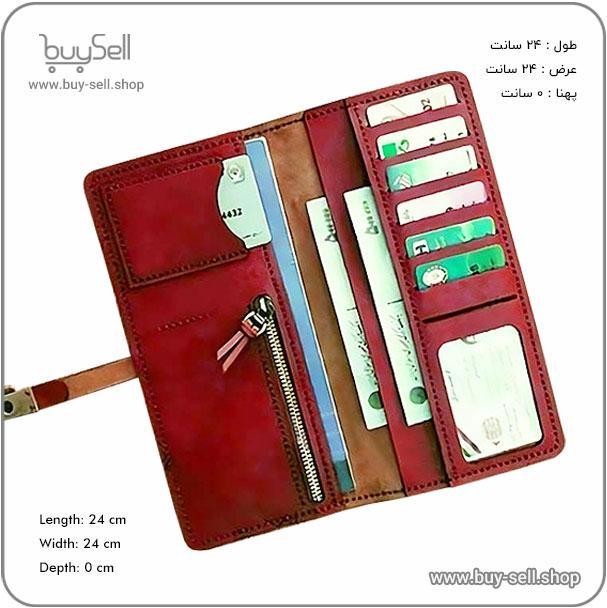
Leather conditioning is the process of replenishing natural oils and moisture that leather loses over time due to regular use, environmental exposure, and aging. Unlike cleaning, which removes dirt and surface contaminants, conditioning penetrates the leather fibers to restore flexibility and prevent cracking. Quality leather products contain natural fats and oils that keep the material supple, but these compounds gradually evaporate or break down. Regular conditioning maintains the structural integrity of leather while preserving its aesthetic appeal, ensuring that jackets, furniture, bags, and footwear remain soft and durable for years.
The conditioning process works by introducing compatible oils that bond with the leather's protein structure. These oils fill microscopic gaps within the hide, preventing brittleness and maintaining the material's natural breathability. Properly conditioned leather resists water damage more effectively, develops an attractive patina over time, and feels pleasant to touch. Without regular conditioning, leather becomes stiff, develops surface cracks, and eventually deteriorates beyond repair.
The application technique varies depending on the leather type and the conditioner being used. For smooth, finished leather commonly found in dress shoes and handbags, begin by cleaning the surface thoroughly with a damp cloth to remove dust and debris. Apply a small amount of conditioner to a soft, lint-free cloth rather than directly onto the leather. Work the conditioner into the surface using circular motions, ensuring even coverage without oversaturating any area. Allow the conditioner to absorb for fifteen to twenty minutes, then buff away excess product with a clean cloth to reveal a subtle sheen.
For aniline and semi-aniline leathers, which have minimal surface coating and absorb products more readily, use conditioners sparingly. These delicate leathers require lighter formulations that won't darken the natural color or create uneven patches. Test any conditioner on an inconspicuous area first to assess color changes. Suede and nubuck require specialized conditioning sprays rather than cream-based products, as these materials cannot withstand rubbing without damaging their textured surface. Apply these sprays from a distance of six to eight inches, allowing the mist to settle naturally onto the fibers.
Conditioning products range from natural oils to synthetic formulations, each offering distinct advantages. Natural options include lanolin, derived from sheep's wool, which closely mimics the oils originally present in animal hides. Neatsfoot oil, rendered from cattle bones and feet, penetrates deeply and works well for thick, vegetable-tanned leather. Mink oil provides excellent waterproofing properties but may darken lighter-colored leather. Beeswax-based conditioners create a protective barrier while nourishing the surface, making them ideal for outdoor gear and work boots.
Synthetic conditioners offer consistency and shelf stability, often combining moisturizing agents with protective polymers. These products frequently include UV inhibitors that prevent sun damage and color fading. When selecting a conditioner, consider the leather's finish, color, and intended use. Delicate fashion items benefit from pH-balanced formulations that won't strip existing treatments, while heavy-duty work leather tolerates more robust conditioning agents. Avoid products containing silicone or petroleum derivatives for high-quality leather, as these substances can clog pores and prevent the material from breathing properly.
Over-conditioning ranks among the most frequent errors, as excessive product application saturates the leather and weakens its structure. Leather should feel supple but never greasy or sticky after conditioning. Apply thin layers and allow adequate absorption time rather than attempting to achieve results through heavy application. Using inappropriate products designed for other materials can also cause irreversible damage; shoe polish is not a conditioner, and household oils like olive or vegetable oil will eventually turn rancid within the leather.
Neglecting to clean leather before conditioning traps dirt and grime beneath the conditioner, potentially causing abrasion and premature wear. Temperature also matters; conditioning cold leather prevents proper absorption, while applying product in direct sunlight can cause uneven drying and spotting. Establish a regular conditioning schedule based on use frequency, typically every three to six months for regularly worn items, rather than waiting until leather shows obvious signs of distress.
Leather is a porous natural material that reacts differently to various substances, making stain identification the first critical step in successful removal. Water-based stains, such as coffee or wine spills, typically create dark spots that may fade as they dry but often leave residue behind. Oil-based stains from grease, butter, or hand lotions penetrate deeper into the leather fibers and appear as darkened patches that spread outward. Ink stains present a unique challenge due to their chemical composition, while dye transfer from clothing can permanently alter leather color if not addressed promptly. Recognizing the stain type determines the appropriate cleaning method and prevents further damage during the removal process.
For water-based stains, immediate action yields the best results. Blot the affected area gently with a clean, absorbent cloth without rubbing, as friction can push the stain deeper into the leather grain. Once excess liquid is absorbed, allow the leather to air dry naturally away from direct heat sources. For set-in water stains, a solution of equal parts white vinegar and distilled water applied with a soft cloth can help lift the mark, followed by conditioning to restore moisture balance.
Oil and grease stains require a different approach. Sprinkle cornstarch or baking soda generously over the fresh stain to absorb the oil, leaving it overnight before brushing away with a soft bristle brush. Multiple applications may be necessary for stubborn spots. Avoid using water on oil stains initially, as this can create a larger affected area and complicate the removal process.
Ink stains demand careful handling with isopropyl alcohol or specialized leather ink removers. Dab a cotton swab lightly in alcohol and gently work from the stain's outer edge toward the center to prevent spreading. Test any chemical solution on an inconspicuous area first to ensure it does not damage or discolor the leather finish.
Minor scratches and scuffs often respond well to simple interventions. Gently rubbing the scratched area with your finger generates natural oils and heat that can minimize superficial marks on certain leather types. For more visible scratches, leather conditioner or a specialized leather repair cream in a matching color can fill and disguise the damage. Apply the product sparingly with a soft cloth, working it into the scratch using circular motions.
Deeper cuts and tears require professional assessment, but temporary measures can prevent worsening. Clean the damaged area carefully, then apply leather glue to the underside of torn edges if accessible. Use a leather filler compound for gouges, smoothing it level with the surrounding surface before allowing proper curing time. Color-matching is essential for visible repairs, and leather dye or touch-up pens can blend repaired areas with the original finish.
Preventing stains and damage proves far easier than remediation. Regular application of leather protector sprays creates a barrier against liquid absorption, while routine conditioning maintains leather flexibility and resistance to cracking. Keep leather items away from direct sunlight and heat sources that cause fading and brittleness. Immediate attention to spills prevents stains from setting, and proper storage in breathable covers protects against dust and environmental damage.
Several common mistakes can worsen leather damage. Never use harsh household cleaners, bleach, or ammonia-based products, as these strip natural oils and cause irreversible harm. Avoid excessive water application, which can lead to stiffening and water stains. Do not attempt to speed drying with hair dryers or radiators, as rapid temperature changes cause cracking. Rubbing stains vigorously damages the leather grain and spreads the stain further. Always test cleaning solutions in hidden areas first, and when facing expensive or sentimental items with significant damage, consulting professional leather restoration specialists ensures the best outcome without risking further deterioration.
Product purchase offer: leather bag pattern

The environment where you store your leather items plays a critical role in their long-term preservation. Leather is a natural material that responds to temperature and humidity changes, making climate control essential. The ideal storage temperature ranges between sixty and seventy degrees Fahrenheit, with relative humidity maintained at approximately forty to fifty percent. Excessive heat can cause leather to dry out and crack, while too much moisture encourages mold growth and mildew formation. Avoid storing leather goods in basements prone to dampness or attics that experience extreme temperature fluctuations. A climate-controlled closet or dedicated storage area in your main living space provides the most stable conditions for leather preservation.
How you position leather items during storage significantly affects their shape retention and overall condition. Leather jackets and coats should always hang on wide, padded hangers that distribute weight evenly across the shoulders, preventing distortion and creasing. Never use wire hangers, as they create pressure points that can permanently damage the leather structure. For leather bags and purses, stuff them with acid-free tissue paper or unprinted cotton fabric to maintain their original shape while allowing the material to breathe. Avoid using newspaper, as the ink can transfer onto the leather interior. Boots should be stored upright with boot shapers or rolled magazines inside to prevent the leather from collapsing and forming unwanted creases. Smaller leather accessories like belts should be rolled loosely or hung on appropriate hooks rather than folded, which creates permanent crease marks over time.
Ultraviolet light exposure represents one of the most damaging factors for stored leather goods. Direct sunlight and even strong artificial lighting can cause significant color fading, surface drying, and structural weakening of leather fibers. Store your leather items away from windows and bright light sources, preferably in a dark or dimly lit area. When using garment bags or dust covers, choose breathable cotton or linen materials rather than plastic, which traps moisture and prevents proper air circulation. Leather needs to breathe even during storage, and non-breathable covers can create a humid microenvironment that promotes bacterial growth and unpleasant odors. If you must use protective covers, ensure they are specifically designed for leather storage and allow adequate ventilation.
Long-term storage does not mean complete neglect. Establish a regular inspection routine to catch potential problems before they become serious issues. Every three to six months, remove your stored leather items from their storage location and examine them carefully for signs of mold, mildew, drying, or pest damage. During these inspections, gently wipe down the surfaces with a soft, dry cloth to remove any accumulated dust. This periodic handling also helps redistribute natural oils within the leather and prevents stiffness. Apply a light coat of leather conditioner annually to items in long-term storage, even if they are not being worn or used. This preventive conditioning maintains the leather's suppleness and protective barrier against environmental damage. Taking these proactive steps ensures your leather goods emerge from storage in excellent condition, ready for use whenever needed.

 Saeede Bayat
May 04, 2025

 Buy Sell
Apr 20, 2025
 Saeede Bayat
Apr 28, 2025
 Saeede Bayat
Apr 23, 2025
 Buy Sell
Oct 25, 2025

Subscribe to the Buy Sell newsletter and enjoy its benefits.