


No products in the cart.

Discover the fundamental rules and best practices for selling digital files online. Ensure legal compliance, maximize sales, and protect your intellectual property with these crucial guidelines.
In the dynamic and intricate world of leather craftsmanship and manufacturing, protecting creative intellectual property is paramount. Copyright law grants creators exclusive rights to their original works, providing a legal framework against unauthorized reproduction, distribution, and adaptation. For businesses and artisans in the leather industry, this extends to unique product designs, specific patterns or tooling motifs, distinctive branding elements like logos and custom typography, and even original instructional materials or marketing copy. Essentially, any tangible expression of an original idea fixed in a medium—such as a handbag design sketch or a decorative stitch pattern—can potentially be protected by copyright. It's crucial for creators to understand that copyright protection often arises automatically upon creation. However, formal registration offers significant advantages, including more effective enforcement in court and the ability to claim statutory damages. Recognizing what aspects of your leather products are copyrightable is the first step in building a robust intellectual property strategy.
Licensing is a fundamental mechanism allowing creators to monetize copyrighted works without relinquishing ownership. In the leather industry, licensing agreements are prevalent for various scenarios, enabling collaboration, expansion, and specialized production. For instance, a designer known for unique leather patterns might license designs to a larger manufacturer for mass production, allowing the designer to receive royalties while the manufacturer gains access to exclusive aesthetics. Similarly, using specific branded materials, like a particular type of exotic leather or a proprietary tanning process, often involves a license from the material supplier, ensuring quality and provenance. A licensing agreement grants a licensee permission to use copyrighted material under specific terms and conditions, typically covering the scope of use (e.g., geographic region, product type), duration, and financial compensation (royalties or flat fees). Key elements of a robust agreement include identification of the licensed work, rights granted (exclusive or non-exclusive), payment terms, quality control provisions, termination clauses, and dispute resolution mechanisms. Carefully drafted agreements are essential to prevent misunderstandings and protect both parties' interests, fostering mutually beneficial relationships.
Proactive measures are indispensable for safeguarding intellectual property in the competitive leather market. While copyright protection often vests automatically, formal registration with the relevant national copyright office is highly recommended. Registration creates a public record of your ownership, simplifies enforcement in infringement cases, and can entitle you to enhanced remedies. Beyond formal registration, consistent and clear attribution of your work is vital. This involves prominently displaying copyright notices (e.g., © [Year] [Your Name/Company]) on products, packaging, websites, and marketing materials. When collaborating, intellectual property ownership must be clearly defined in written contracts with designers, manufacturers, or agencies, specifying who owns what and how elements can be used. Furthermore, actively monitoring the marketplace for potential infringements is crucial, through online searches, trade shows, and industry networks. Swift action, such as cease and desist letters or legal remedies, can deter infringers and protect your market position. Establishing internal protocols for documenting design processes and maintaining records of creation dates also provides valuable evidence of originality and ownership.
Navigating copyright and licensing can be fraught with potential missteps. One common pitfall is assuming that merely purchasing a product grants the right to reproduce or adapt its design. Without a specific license or assignment of rights, copying another's original design, even with modifications, can constitute infringement. Another frequent error is failing to secure clear ownership agreements with freelance designers or contractors. Without a written "work-for-hire" agreement or assignment, the designer, not the commissioning party, may retain copyright ownership. Neglecting to conduct thorough intellectual property searches before launching new products or branding is also a significant risk, potentially leading to costly disputes if your creation infringes on existing rights. Poorly drafted or ambiguous licensing agreements also frequently lead to disputes over the scope of use, payment, or termination. To mitigate these risks, adopt several best practices. Always prioritize written agreements that clearly define ownership, usage rights, and responsibilities. Conduct due diligence by performing trademark and copyright searches before finalizing new designs or brand names. Educate your team about intellectual property principles to foster a culture of respect for creative rights. Regularly review and update licensing agreements. Finally, seek legal counsel specializing in intellectual property law to draft and review critical documents, ensuring robust protection for your valuable leather creations. By adhering to these principles, businesses can build a secure foundation for their intellectual property assets and thrive.
Setting the right price for digital files, whether they are intricate leathercraft patterns, design templates, or comprehensive tutorial videos, is a critical component of a sustainable business model. Unlike physical goods, digital products carry no marginal cost per unit after initial creation, yet their perceived value and market demand can vary wildly. An effective pricing strategy not only ensures profitability but also positions your brand competitively, attracting the right audience while reflecting the expertise, time, and intellectual property invested in their creation. Navigating this landscape requires a deep understanding of market dynamics, customer psychology, and the intrinsic value your digital assets offer.
The core of effective pricing lies in accurately assessing the value your digital files provide to the end-user. For leather crafters, a digital pattern might save hours of design work, offer access to unique aesthetics, or teach a new technique, making it an invaluable tool. Value is derived not just from the file itself, but from the solution it provides, the time it saves, the skill it imparts, or the creative potential it unlocks. Factors such as the uniqueness of the design, the complexity of the pattern, the clarity of instructions, and the reputation of the creator all contribute significantly to this perceived value.
Beyond direct utility, some digital assets, particularly in an evolving digital landscape, might represent ownership or specific rights. For instance, if a unique leather design were tokenized as an NFT (Non-Fungible Token), its ownership could be managed through a blockchain. In such a scenario, an EOA (Externally Owned Account) would be a fundamental concept. An EOA is a basic type of account on a blockchain, like Ethereum, controlled directly by a user through a private key. It's used to send transactions and own digital assets, including NFTs, without being tied to a smart contract. Understanding this distinction is crucial when discussing the ownership and transferability of certain digital files in a decentralized context.
Several pricing models can be adapted for digital files, each with its own advantages. Value-based pricing, where the price is set primarily on the perceived benefits to the customer rather than just creation cost, often yields the best results for unique creative content. Competitive pricing involves benchmarking against similar products in the market, while cost-plus pricing adds a margin to your total expenditure (time, software, marketing). Tiered pricing, offering different versions or bundles at various price points, allows you to cater to diverse customer segments and maximize revenue potential. For instance, offering a basic pattern for a lower price and a premium package including a video tutorial and commercial license for more.
When developing a strategy, consider market demand, the exclusivity of your offering, and your target audience's budget. High-quality, original designs from reputable creators often command premium prices, especially if they solve a specific problem or cater to a niche. Licensing terms are also paramount; a pattern sold for personal use will typically be priced lower than one accompanied by a commercial license allowing the buyer to sell products made from it. Clearly defining these terms helps justify price points and prevents potential misuse of your intellectual property.
Security is another facet that, while not directly a pricing model, influences perceived trustworthiness and value. Protecting both your digital assets and customer data is paramount. 2FA (Two-Factor Authentication) is a security measure requiring two distinct forms of identification to verify a user's identity, typically a password and a code from a mobile device. While primarily used for securing accounts (like a creator's platform login or a customer's access to purchased files), robust security practices contribute to a professional image and indirectly support the value proposition of your digital offerings by ensuring reliable access and secure transactions.
Effective implementation begins with thorough market research. Analyze what competitors are charging for similar digital files, identify gaps in the market, and understand what your target customers are willing to pay. Starting with an introductory price or offering bundles can stimulate initial sales and gather valuable feedback. However, avoid underpricing your work; it can devalue your brand and make it difficult to raise prices later. It's often better to start slightly higher and offer promotions than to start too low.
Pricing is not a static decision but an iterative process. Continuously monitor sales data, customer feedback, and market trends. Be prepared to adjust your prices based on performance and evolving demand. A/B testing different price points for the same product can provide insights into customer elasticity and help optimize your revenue. Engaging with your community through surveys can also directly inform your pricing decisions, making customers feel valued and invested in your offerings.
In the realm of digital ownership, especially concerning blockchain-based assets, methods of recovery and management are critical. A Seed Phrase, also known as a recovery phrase or mnemonic phrase, is a list of words (typically 12 or 24) that stores all the information needed to recover a cryptocurrency wallet or an EOA. It functions as a master key, allowing users to restore access to their digital assets, including potentially valuable digital files, even if they lose their device or forget their password. Its security is paramount, as anyone with the seed phrase can access the associated digital assets.
Furthermore, advancements in digital asset management can impact how files are distributed and transacted. EIP-7702 (Ethereum Improvement Proposal 7702) is a recent proposal for the Ethereum network that aims to enhance smart contract interactions and improve account abstraction. While highly technical, its goal is to allow EOAs to temporarily behave like smart contracts during a single transaction, enabling more flexible and secure ways for users to manage their assets, delegate actions, or interact with decentralized applications. This could potentially simplify complex licensing agreements or multi-party transactions for digital assets by embedding more logic directly into user accounts for specific actions.
Ultimately, effective pricing for digital files is a blend of art and science. It requires a deep appreciation for the value you create, a keen understanding of your market, and the flexibility to adapt your strategy over time. By carefully considering all these factors, you can establish prices that resonate with your customers, reward your efforts, and foster a thriving digital business.
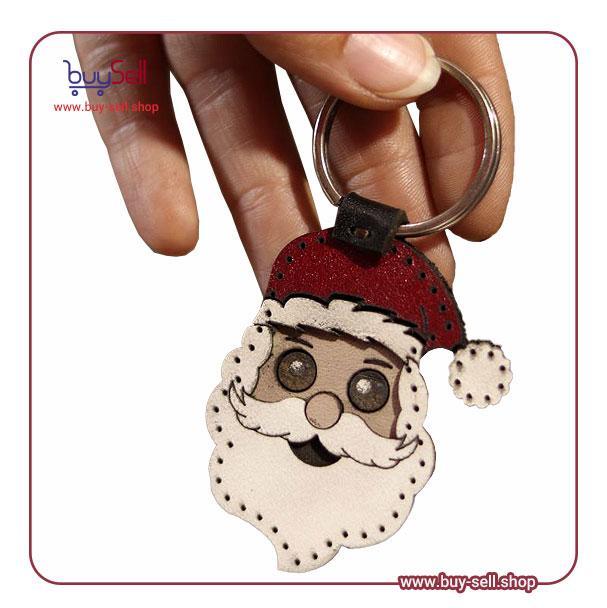
Product purchase offer: leather keychain patterns
The foundational step in selecting the ideal sales platform for your leather goods business is a thorough self-assessment of your brand's identity, product range, and target market. Leather, as a material, encompasses a vast spectrum from luxury full-grain bespoke items to more accessible, mass-produced accessories. Your product's position on this spectrum directly influences where it will best resonate with customers. Are you crafting unique, handcrafted leather bags that command premium prices, or are you offering stylish, durable leather belts designed for a broader consumer base? Understanding these nuances is paramount. Handmade artisans might gravitate towards platforms that emphasize craftsmanship and storytelling, while larger producers might seek platforms optimized for higher volume and streamlined logistics.
Furthermore, defining your target audience is critical. Are you primarily a business-to-consumer (B2C) operation, selling directly to individual customers, or do you have aspirations for business-to-business (B2B) sales, supplying other retailers or designers? Your geographical reach also plays a role; a local artisan selling custom leather goods at regional craft fairs has different platform requirements than an international brand shipping luxury leather jackets worldwide. Consider the average transaction value, the complexity of product customization options, and your preferred level of direct customer interaction. A clear understanding of these elements will narrow down the vast array of available sales platforms, allowing for a more focused and effective selection process that aligns with your specific business model.
The digital landscape offers a multitude of sales channels, each with its own advantages and disadvantages for leather businesses. Broadly, these can be categorized into independent e-commerce sites, established online marketplaces, and integrated social media commerce. An independent e-commerce site, often powered by platforms like Shopify or WooCommerce, provides unparalleled control over branding, customer data, and the overall shopping experience. You dictate the design, narrative, and customer journey, fostering a strong brand identity. However, this autonomy comes with the responsibility of driving your own traffic through dedicated marketing and SEO efforts, which can be resource-intensive, particularly for new ventures.
Conversely, online marketplaces such as Etsy (popular for handcrafted and vintage leather items), Amazon Handmade, or even broader platforms like eBay, offer immediate access to a pre-existing, vast audience. These platforms handle much of the technical infrastructure, payment processing, and often provide a level of inherent trust for buyers. The trade-off typically involves listing fees, transaction commissions, and less control over branding, as your products are displayed alongside competitors within the marketplace's own framework. For leather businesses, specialized craft or artisan marketplaces might offer a more targeted audience less prone to price-shopping. Social media commerce, through features like Instagram Shop or Facebook Marketplace, leverages visual platforms to connect directly with followers. While excellent for engagement and direct sales initiated by visually appealing content, these often have more limited e-commerce functionalities compared to dedicated platforms, serving better as supplementary channels rather than primary sales engines for extensive product lines. A pragmatic approach often involves considering a blend of these avenues to maximize reach while maintaining brand integrity.
When evaluating potential sales platforms for your leather business, a systematic assessment of several key factors is essential to make an informed decision and avoid common pitfalls. Firstly, the **cost structure** must be transparently understood. This includes monthly subscription fees, transaction percentages, listing fees, payment processing charges, and any additional costs for premium features or apps. These can significantly impact your profit margins, especially for items with varying price points.
Secondly, consider the **ease of use and scalability**. How intuitive is the platform for setting up your store, managing inventory, and processing orders? Will it accommodate your business's growth, allowing for increased product listings, higher traffic volumes, and potentially international expansion without requiring a complete system overhaul? A platform that is easy to navigate will save valuable time and reduce the learning curve.
**Branding and customization options** are crucial for differentiating your leather goods in a competitive market. Does the platform allow you to reflect your brand's unique aesthetic and story, or are you limited to generic templates? The ability to customize storefronts, product pages, and even transactional emails can significantly enhance the customer experience and reinforce brand loyalty.
Moreover, evaluate the **marketing and SEO capabilities**. Does the platform offer built-in tools for search engine optimization, email marketing integration, or social media advertising? Effective marketing features are vital for driving traffic and converting sales. **Customer support and analytics** are also paramount; robust customer service can be a lifesaver when technical issues arise, and comprehensive analytics provide invaluable insights into sales performance, customer behavior, and marketing effectiveness, allowing for data-driven strategic adjustments.
Finally, consider **payment processing and security**. Ensure the platform offers secure and diverse payment options that instill confidence in your customers. Integration with reliable shipping and fulfillment services is also vital for smooth operations. A common mistake is choosing a platform solely based on initial low cost without considering the long-term implications for branding, scalability, and overall operational efficiency. A holistic view ensures the platform supports, rather than hinders, your leather business's success.
In the dynamic realm of e-commerce, relying on a singular sales platform can sometimes limit reach and increase vulnerability. Many successful leather businesses adopt a hybrid strategy, leveraging the strengths of multiple channels to create a robust and resilient sales ecosystem. For instance, maintaining a branded independent e-commerce site provides a central hub for your brand identity, complete product catalog, and direct customer communication, fostering loyalty and full control over your narrative. This direct channel can be complemented by a presence on specialized marketplaces like Etsy for reaching niche audiences actively searching for handcrafted leather goods, or Amazon Handmade for broader visibility and access to its extensive customer base. This multi-channel approach helps diversify your customer acquisition efforts and mitigates risks associated with changes in platform algorithms or policies.
Future-proofing your platform choice also involves considering aspects like data ownership and portability. Your customer data is invaluable, and understanding how different platforms allow you to access and utilize it is crucial for targeted marketing and relationship building. Furthermore, consider the ease with which you could migrate your product listings and customer information should your business outgrow a platform or if a more suitable option emerges. The flexibility to adapt and evolve your sales strategy as market trends shift, technology advances, or your business scales ensures long-term viability. By strategically combining owned channels with curated marketplace presences, leather businesses can optimize their market penetration, enhance brand presence, and build a sustainable foundation for growth in an ever-evolving digital marketplace.
In the rapidly evolving digital landscape, marketing digital products, especially those leveraging blockchain technology, demands a sophisticated understanding of innovative technologies and community-driven strategies. This realm of digital assets presents unique challenges and opportunities compared to traditional goods. Effective marketing requires genuine engagement, education, and fostering trust within a discerning, often technical, audience. The core objective is to clearly articulate value, utility, and secure ownership, moving beyond mere speculation towards sustainable adoption.
The first step in marketing digital products is to thoroughly comprehend the underlying technological and conceptual frameworks that define them. Digital products in this context often refer to assets like Non-Fungible Tokens (NFTs), fungible tokens, decentralized application (dApp) services, and various forms of digital art or collectibles, all typically residing on blockchain networks. A fundamental concept is the Externally Owned Account (EOA), which is essentially a public address on a blockchain network controlled by a private key. Users interact with digital assets and decentralized applications primarily through their EOAs. Marketing efforts must therefore educate potential users on managing these accounts and understanding the direct ownership they represent, a paradigm shift from traditional digital ownership models.
Furthermore, the security and recovery mechanisms are crucial aspects to communicate. A "Seed Phrase," also known as a recovery phrase or mnemonic phrase, is a sequence of words that can be used to recover or recreate the private keys for a cryptocurrency wallet. It acts as the ultimate backup for an EOA. Marketing materials need to demystify these terms, explaining their importance without causing undue intimidation. Emphasizing the user's direct control and responsibility over their assets, secured by practices like safeguarding their Seed Phrase, is paramount. This level of transparency builds confidence and empowers users, which is a strong marketing angle in itself.
Product purchase offer: leather bag pattern

Effective marketing for Web3 digital products moves beyond traditional advertising and leans heavily into community building and educational content. Platforms like Discord, Telegram, and various decentralized social media channels become central hubs for direct interaction, feedback, and the cultivation of a loyal user base. Content marketing plays a critical role in explaining the utility, benefits, and future potential of a digital product. This includes detailed guides, tutorials, thought leadership articles, and regular updates that keep the community informed and engaged. Collaborations with influential figures within the blockchain space can also significantly amplify reach and credibility, provided these partnerships are authentic and aligned with the product's values.
Security communication is another cornerstone. While the blockchain itself offers inherent security features, user-level security remains crucial. Implementing and promoting the use of Two-Factor Authentication (2FA) for any associated platforms or services (like exchanges or marketplaces) is vital. 2FA adds an extra layer of security by requiring a second form of verification, such as a code from a mobile app or a physical security key, in addition to a password. Marketing campaigns can highlight the product's commitment to user security by encouraging these best practices and ensuring any integrated platforms support robust security measures. Transparency about smart contract audits, security protocols, and responsible disclosure processes also significantly contributes to user trust and market acceptance.
The digital product space, particularly in Web3, is characterized by relentless innovation. Marketing strategies must therefore be agile, adapting to new technological advancements and standards. When a new Ethereum Improvement Proposal (EIP) like EIP-7702 emerges, it represents an opportunity to highlight how the product either leverages or benefits from such innovations. EIP-7702, for instance, aims to allow Externally Owned Accounts (EOAs) to temporarily behave like smart contracts, enabling advanced features like sponsored transactions or batched operations without permanently altering the EOA's fundamental nature. Marketing this involves translating complex technical specifications into clear, user-centric benefits – explaining how it enhances user experience, improves transaction efficiency, or unlocks new functionalities within the ecosystem.
However, marketers must also be wary of common pitfalls. Over-hyping a product without clear utility or a sustainable roadmap can lead to rapid disillusionment. Focus should always be on tangible value and long-term vision. Furthermore, maintaining stringent security protocols and transparently communicating them is not just a technical requirement but a core marketing asset. A single security breach or exploit can severely damage reputation and trust, illustrating why continuous vigilance in security and clear communication around it are paramount. Marketing digital products is thus an ongoing dialogue, balancing excitement for innovation with robust security, practical utility, and genuine community building, ensuring a sustainable and trustworthy ecosystem for users.
In conclusion, successful marketing of Web3 digital products requires a blend of technological literacy, strategic communication, and a deep commitment to community engagement and user security. By clearly explaining fundamental concepts like EOAs and Seed Phrases, promoting robust security practices like 2FA, and articulating the benefits of innovations such as EIP-7702, brands can build strong, informed communities and drive meaningful adoption. This future lies in fostering trust through transparency, education, and unwavering focus on user empowerment and safety within a decentralized landscape.
When selling digital files, safeguarding your intellectual property is paramount. Copyright law automatically protects original works like software, e-books, music, and art upon creation. As a seller, ensure you own the rights to your digital files or have acquired necessary licenses for their distribution. Selling copyrighted material without authorization can lead to severe legal penalties. Clearly stating your copyright ownership and terms of use helps prevent unauthorized reproduction, distribution, or modification by customers. This often involves embedding watermarks, digital rights management (DRM) technologies, or clear usage licenses (e.g., personal, commercial, limited reproduction rights) within product descriptions and terms. Proactive steps in intellectual property protection safeguard your creations and your business from misuse.
Navigating sales taxes, Value Added Tax (VAT), and Goods and Services Tax (GST) is critical for selling digital files, especially across jurisdictions. These consumption taxes vary significantly by region and often apply to digital products. In the US, sales tax depends on the buyer's location and the seller's "nexus" in that state. EU countries apply VAT, where sellers typically register and collect VAT from customers based on the buyer's country of residence for B2C digital service sales. Similarly, countries like Canada and Australia implement GST. The responsibility for collecting and remitting these taxes usually falls on the seller. Non-compliance can result in substantial penalties. It's essential to research tax requirements for every region where you sell, consider specialized software, or consult a tax professional to ensure accurate collection and remittance.
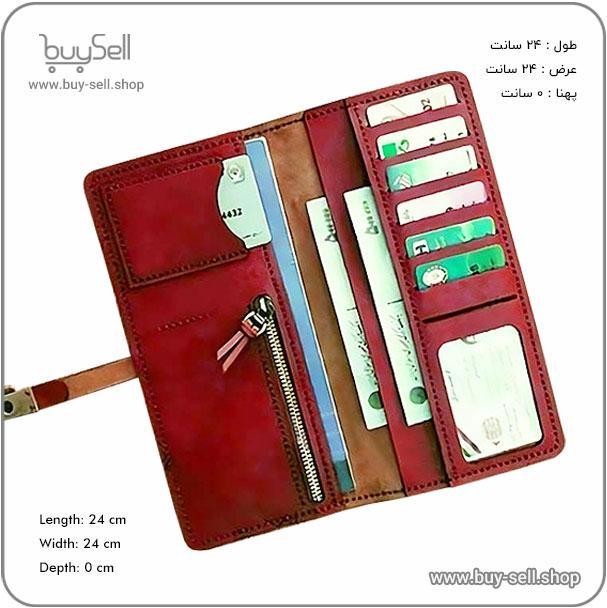
Product purchase offer: Leather pattern
Collecting customer data necessitates a robust privacy policy. This policy informs users about what data you collect (e.g., names, emails, payment info), how you use it, who you share it with, and how you protect it. Global regulations like the General Data Protection Regulation (GDPR) in the EU and the California Consumer Privacy Act (CCPA) impose strict obligations on processing personal data. GDPR grants individuals extensive rights over their data, applicable to businesses processing data of EU residents worldwide. CCPA offers similar rights to California residents. Compliance means obtaining explicit consent, providing transparent data handling, offering opt-out options, and safeguarding data. A clear, accessible privacy policy builds trust and helps avoid legal repercussions from privacy violations, ensuring ethical data management.
A comprehensive Terms of Service (ToS) agreement forms the legal foundation of your digital product sales. This document outlines the rules and conditions governing the use of your digital files and the relationship between you and your customers. Key elements typically include intellectual property rights, acceptable use policies, disclaimers, liability limitations, payment terms, refund policies, and dispute resolution. For digital products, specifying the scope of the license granted to the buyer (e.g., single user, commercial use only) is crucial. A well-drafted ToS protects your business by setting clear expectations, defining responsibilities, and mitigating potential legal disputes. It ensures both parties understand their rights and obligations, providing a legal framework that supports smooth transactions and protects your assets. Displaying your ToS prominently and requiring agreement before purchase is standard practice.
Even entirely online businesses selling digital files generally require formal registration and may need specific licenses. Your chosen business structure—sole proprietorship, LLC, corporation—significantly impacts legal liability, tax obligations, and administration. Registering your business with relevant authorities establishes its legal existence, allowing you to open a business bank account and file taxes legitimately. Depending on your location and the nature of your digital products, you might also need particular business licenses or permits. Some jurisdictions may require a general business license, while others might have specific requirements for certain digital content creators or online retailers. Researching and fulfilling these administrative requirements early is crucial for operating a compliant and credible digital sales venture, ensuring a solid legal foundation for growth.
follow us in telegram & instagram
Selling digital files globally introduces a complex web of international legal and compliance considerations. When you sell to customers in different countries, you may become subject to their consumer protection laws, data privacy regulations, and tax policies. Refund policies, consumer guarantees, and even advertising standards can vary dramatically. Managing cross-border payments, currency conversions, and understanding regulatory nuances adds complexity. It's often impractical for a small business to be an expert in every country's laws. Therefore, it's advisable to clearly define the governing law for your terms, limit sales to certain regions if compliance becomes too onerous, or seek specialized legal counsel for significant international expansion. Diligence in understanding global compliance helps mitigate risks associated with international digital commerce, ensuring your reach is both wide and legally sound.

 Saeede Bayat
May 04, 2025

 Buy Sell
Apr 20, 2025
 Saeede Bayat
Apr 28, 2025
 Saeede Bayat
Apr 23, 2025
 Buy Sell
Oct 25, 2025

Subscribe to the Buy Sell newsletter and enjoy its benefits.