


No products in the cart.

Unlock the potential of your digital artwork! Discover step-by-step how to transform graphic files into highly desirable, best-selling products through smart design adaptation, branding, and market strategies.
In the competitive landscape of the leather industry, clarity regarding who you aim to serve is paramount for sustainable success. Distinguishing between a target market and a niche is the foundational step. A target market represents the broader group of consumers with shared characteristics and a potential interest in your products. For a leather business, this might be "consumers seeking durable accessories" or "fashion-conscious individuals." While this offers a general direction, it can still lead to diluted efforts in marketing and product development, as the needs within such a broad group vary significantly. A niche, on the other hand, is a highly specific, defined segment within that broader target market. It pinpoints a very particular group with distinct needs, preferences, or problems that your leather products can uniquely solve. For instance, within the "durable accessories" target market, a niche could be "motorcycle enthusiasts requiring heavy-duty, weather-resistant leather saddlebags," or "artisans seeking specialized, vegetable-tanned leather for handcrafting projects." The key difference lies in the level of specificity and the unique problem-solution alignment. Identifying both allows for a comprehensive strategy where a broad understanding guides overall vision, while a laser-focused niche enables precise execution and a stronger connection with a dedicated customer base.
Effectively identifying your target market and carving out a profitable niche requires a systematic approach to market segmentation. This process involves dividing the larger market into smaller, more manageable groups based on shared characteristics. Common segmentation variables include demographics, which look at attributes like age, gender, income, education level, and occupation; psychographics, which delve into lifestyle, values, attitudes, interests, and personality traits; behavioral patterns, focusing on purchasing habits, brand loyalty, product usage rate, and benefits sought; and geographic location, whether local, national, or international. For a leather brand, understanding the psychographics of someone valuing artisanal craftsmanship versus someone prioritizing minimalist design can dictate material choices, production methods, and even pricing. Research methodologies are critical here, encompassing surveys, customer interviews, focus groups, and analyzing competitor strategies to identify gaps or underserved segments. Furthermore, leveraging data from online analytics, social media listening, and industry reports can provide invaluable insights into consumer sentiment and emerging trends relevant to leather goods. By meticulously analyzing this information, a leather business can identify specific pain points, unfulfilled desires, or unique aesthetic preferences that represent a viable niche, enabling them to tailor their offerings, messaging, and distribution channels for maximum impact.
For businesses operating within the leather sector, establishing a well-defined niche offers a multitude of strategic advantages that can significantly impact long-term viability and profitability. Firstly, it substantially reduces direct competition. Instead of vying with countless brands in a broad market, a niche allows a leather company to become a specialist, often the go-to provider for a particular type of product or customer. This specialization naturally fosters a stronger, more authentic brand identity. When a brand consistently delivers tailored solutions for a specific group, its messaging becomes clearer and more resonant, building deep trust and loyalty among its target clientele. Consider a brand specializing solely in luxury exotic leather watch straps versus one offering general leather accessories; the former can command a premium and build a reputation for unparalleled expertise. Secondly, niche identification leads to highly optimized marketing efforts. Resources, both time and capital, are not wasted on generic campaigns targeting everyone, but rather focused precisely on reaching the identified audience through relevant channels and messaging, yielding a higher return on investment. Product development also becomes more efficient and effective, as designs, materials (e.g., full-grain vs. corrected-grain leather, specific tanning processes), and functionalities can be meticulously crafted to meet the precise demands of the niche, leading to superior product-market fit. This focused approach often enables premium pricing, as customers within a specific niche are often willing to pay more for products that perfectly address their unique needs and reflect their values, recognizing the specialized craftsmanship and quality inherent in bespoke leather goods.
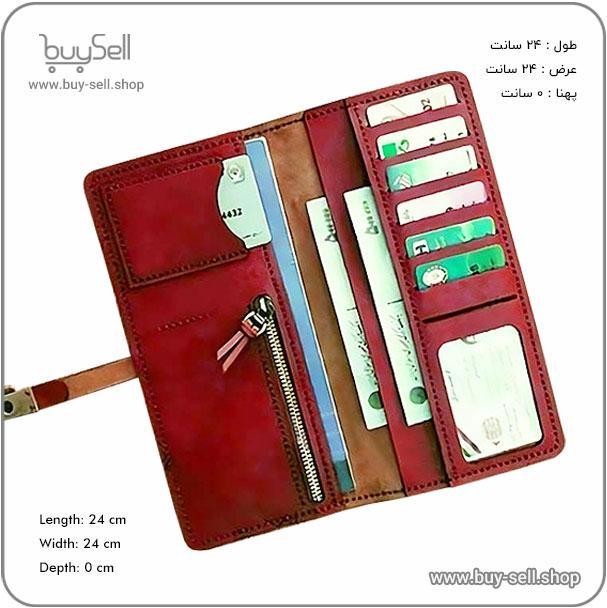
Product purchase offer: Leather pattern
While the benefits of identifying a target market and niche are profound, several common pitfalls can derail these efforts. One frequent mistake is defining a target market that is too broad, leading to a lack of focus and diluted marketing messages that fail to resonate deeply with any specific group. Conversely, a niche can be defined too narrowly, resulting in an insufficient market size to sustain business growth, especially for high-volume production. Another critical error is making assumptions about customer needs and preferences without adequate research. Relying solely on intuition or personal taste, rather than data-driven insights, can lead to developing leather products that no one truly wants or needs. Ignoring the competitive landscape within a chosen niche is also detrimental; understanding how existing players serve that segment helps in identifying opportunities for differentiation. Furthermore, the market is not static; consumer preferences, economic conditions, and trends in materials or ethical sourcing constantly evolve. Therefore, a significant pitfall is viewing market identification as a one-time task rather than an ongoing process. To mitigate these risks, continuous refinement is essential. This involves regularly collecting and analyzing customer feedback, monitoring sales data, staying abreast of industry trends in leather production and consumer demand, and being prepared to adapt product lines, messaging, or even redefine the niche itself. Employing feedback loops, conducting periodic market pulse checks, and being agile in strategy are crucial for ensuring that a leather business remains relevant and competitive, consistently serving its audience with precision and foresight.
The journey from a conceptual design to a tangible leather product is a complex translation, requiring a nuanced understanding of material science, craftsmanship, and user interaction. While digital rendering tools offer boundless creative freedom, they often operate in a frictionless, ideal world that doesn't account for the immutable laws of physics, material limitations, or the intricacies of handcraft. Adapting a design for physical realization isn't merely about replicating an image; it's a sophisticated reinterpretation that necessitates deep practical knowledge. This transition challenges designers and craftspeople to bridge the gap between abstract aesthetics and functional reality, ensuring that the final product not only looks appealing but also performs its intended purpose, feels right in the hand, and stands the test of time. It demands foresight to anticipate how a two-dimensional pattern will fold into a three-dimensional form, how seams will affect volume, and how different leathers will behave under stress or wear.
When adapting designs for leather, the unique properties of the material itself become paramount considerations. Leather is an organic, anisotropic material, meaning its characteristics vary depending on its origin, tanning process, and even the specific part of the hide. The initial digital design must be critically reviewed through the lens of leather's specific attributes. For instance, the thickness and temper of the leather significantly dictate how it will drape, bend, or hold its shape; a design suitable for supple garment leather will not translate directly to rigid vegetable-tanned leather without substantial modification. Similarly, the natural stretch and grain direction of the hide influence pattern placement, as stress points must align with the leather’s inherent strength to prevent deformation over time. Furthermore, the practical aspects of working with leather, such as seam allowances, stitching types, and edge finishing techniques (like burnishing, painting, or turning edges), all add physical bulk and alter dimensions that must be accounted for in the pattern-making process. Hardware integration, including the placement of buckles, zippers, and rivets, requires specific reinforcements and precise measurements that are often overlooked in preliminary digital concepts, yet are crucial for durability and aesthetic integrity.
The most effective strategy for adapting designs to physical products lies in a rigorous prototyping and iterative refinement process. This hands-on approach allows designers to translate theoretical concepts into tangible forms, revealing unforeseen challenges and opportunities. The initial step often involves creating inexpensive mock-ups using materials like paper, cardboard, or craft foam. These preliminary models are invaluable for testing scale, overall form, and ergonomic comfort without the cost of precious leather. Following this, precise 2D patterns are developed, taking into account all material-specific allowances for thickness, seams, and folding. The next critical stage is sampling, where the design is constructed using the intended leather and hardware. This full-scale sample serves as a comprehensive evaluation tool to assess: functionality (e.g., how effectively zippers operate or pockets hold contents), aesthetic appeal (how the leather drapes and reflects the design's vision), structural integrity (the strength of seams and hardware attachments), and manufacturability (the ease and consistency of production). The iterative nature of this process—designing, prototyping, testing, and refining—is indispensable. Each iteration provides critical feedback, enabling designers to make informed adjustments that bridge the theoretical elegance of a digital design with the practical realities of a finely crafted leather product.
Successfully adapting designs for physical leather products requires navigating a landscape fraught with potential pitfalls. A primary mistake is neglecting the inherent properties of the chosen leather, treating it as a generic medium rather than a material with distinct characteristics. Rushing directly into production from a digital design without adequate physical prototyping frequently leads to costly errors, including ill-fitting components, impractical functionality, or unexpected aesthetic outcomes. Inadequate allowances for material thickness, seam bulk, or hardware integration can result in patterns that simply do not assemble correctly or produce an item significantly different from the original vision. Overlooking ergonomics can create visually stunning pieces that are uncomfortable or cumbersome to use, failing the crucial test of user experience. Lastly, designing intricate details that are excessively complex or costly to manufacture consistently can undermine the economic viability of a product. To mitigate these risks, several best practices are essential.
Begin by cultivating a deep understanding of leather types and their specific behaviors before even commencing design. Always design with manufacturability in mind, considering the tools and processes required for cutting, stitching, and assembly. Embrace prototyping as an indispensable investment, recognizing that each physical iteration brings the design closer to perfection. Foster close collaboration with experienced leather craftspeople or manufacturers, leveraging their practical expertise to anticipate and resolve material-specific challenges. Critically test prototypes in real-world scenarios to validate their functionality and durability under actual use conditions. Finally, meticulously document all design modifications and lessons learned throughout the adaptation process. This systematic approach not only refines the current product but also builds an invaluable knowledge base for future projects, ensuring consistency, quality, and efficiency in bringing designs to life.
In the meticulous world of leather craftsmanship and product development, the stages of prototyping and material selection are not merely steps in a process but foundational pillars determining the ultimate success and perceived value of an item. Before any design moves into full-scale production, a rigorous phase of conceptualization, testing, and refinement must occur. This critical period allows designers and artisans to translate abstract ideas into tangible forms, evaluate functionality, address ergonomic considerations, and ensure aesthetic appeal. The choices made during these early stages resonate deeply with the final product's quality, durability, and market reception, making them indispensable components of any reputable leather enterprise.
Prototyping in the context of leather goods development serves as the bridge between a design concept and its practical realization. It involves creating preliminary models or samples of a product to test its design, functionality, structural integrity, and manufacturing feasibility. Unlike other materials, leather possesses unique properties such as drape, stretch, rigidity, and how it responds to cutting, stitching, and molding. A well-executed prototype allows designers to validate pattern pieces, gauge assembly methods, and assess the overall silhouette and user experience before committing to expensive production runs.
The iterative nature of prototyping means that designs are rarely perfect on the first attempt. Initial mock-ups might use less expensive materials like paperboard, muslin, or even synthetic leather to quickly test dimensions, proportions, and basic construction techniques. As the design evolves, subsequent prototypes are often crafted using materials closer to or identical to the final intended leather, offering a realistic preview of the finished product. This cycle of creating, evaluating, and refining helps identify and rectify potential flaws, from awkward pocket placements and uncomfortable strap lengths to issues with hardware integration or leather thickness, thereby saving significant time and resources in the long run.
Ultimately, prototyping provides tangible feedback that simply cannot be gleaned from a 2D drawing or digital rendering alone. It allows stakeholders to interact with the physical product, understanding its weight, balance, feel, and how it interacts with the human body or its intended contents. This holistic assessment is crucial for delivering a leather product that not only looks good but also performs flawlessly and endures the test of time and use.
Product purchase offer: leather bag pattern

The selection of materials for a leather product is a multifaceted decision that extends far beyond mere aesthetics. It encompasses a careful consideration of the leather's type, tannage, weight, finish, and how these characteristics align with the product's intended function, desired durability, and target market. Full-grain leather, for instance, known for its strength and natural markings, might be ideal for a rugged briefcase, while a softer, more pliable top-grain or suede could be perfect for a luxury handbag or garment.
The tannage process also plays a pivotal role: vegetable-tanned leathers are typically stiffer, age with a rich patina, and are excellent for structured items like belts or carved goods. Chrome-tanned leathers, conversely, are generally softer, more pliable, and resistant to water, making them suitable for bags, apparel, and upholstery. Understanding the interplay between a leather's thickness (often measured in ounces or millimeters) and its inherent characteristics is vital for achieving the desired structure, drape, and overall feel of the finished product. Aniline finishes offer a natural, transparent look, while pigmented finishes provide greater durability and color consistency.
Beyond the primary leather, the choice of complementary materials is equally critical. Hardware, such as buckles, zippers, rivets, and D-rings, must be selected not only for their aesthetic compatibility but also for their strength, finish quality, and resistance to corrosion. Materials like solid brass or stainless steel are often favored for their longevity and premium feel. Linings, whether they be fine suede, durable canvas, or specific synthetic blends, add to the product's internal finish, protect its contents, and can significantly influence the item's overall structure and perceived luxury. Each material decision must contribute cohesively to the product's integrity and user experience.
The journey from a design concept to a refined product is inherently iterative, with material choices often evolving alongside the prototype. Early prototypes, as mentioned, might use substitute materials to validate patterns and dimensions. However, as the design solidifies, it becomes imperative to craft prototypes using the actual leathers and hardware intended for the final product. This crucial step allows designers to experience the true weight, texture, drape, and construction challenges of working with specific materials, revealing how they stretch, fold, and conform under real-world conditions.
Several common missteps can derail this process. One major pitfall is skipping the prototyping phase entirely, leading to costly errors in production due to untested patterns or unproven designs. Another common mistake is not testing with the final materials early enough in the prototyping cycle. Relying solely on cheaper substitutes can lead to an inaccurate assessment of how the chosen leather will perform, affecting everything from stitch tension to overall durability and aesthetic appeal. Neglecting the user experience in favor of pure aesthetics is also a frequent error; a beautiful bag that is uncomfortable to carry or impractical to use will ultimately fail in the market.
Furthermore, underestimating the natural variations inherent in leather, such as differences in temper, thickness, or grain structure between batches, can lead to inconsistencies in final products. Thorough testing with chosen materials allows for adjustments in design or construction to accommodate these nuances. By embracing a systematic, iterative prototyping process and making informed, experience-driven material choices, creators of leather goods can ensure their products meet the highest standards of quality, functionality, and enduring appeal.
In the discerning world of leather goods, a robust brand identity transcends mere aesthetics; it embodies the very soul of the product and the ethos of its creator. For consumers, particularly those investing in durable, high-quality leather items, the brand signifies a promise of craftsmanship, longevity, and often, heritage. A strategic brand identity for leather products communicates not just what the item is, but what it represents: be it luxury, rugged utility, ethical sourcing, or avant-garde design. This identity is meticulously crafted through a compelling brand story that resonates with the target audience, a distinctive logo that speaks volumes without words, and a consistent visual language that reinforces perceived value. Every touchpoint, from the texture of marketing materials to the subtle scent associated with the brand, must align to build a cohesive and memorable presence, positioning the leather product not merely as a commodity, but as an investment and a statement.
The tactile and sensory nature of leather makes brand identity particularly potent. Unlike many other materials, leather engages multiple senses: its distinct aroma, the nuanced feel of its grain, and the visual patina it develops over time. An effective brand identity leverages these inherent qualities, enhancing them through carefully chosen typography, color palettes that reflect the brand’s character (e.g., earthy tones for traditional heritage brands, minimalist hues for modern luxury), and imagery that evokes the desired lifestyle or value proposition. By establishing a clear and consistent identity, leather brands can foster deep emotional connections with their clientele, distinguishing themselves in a crowded marketplace where authenticity and quality are paramount differentiators. This foundation is critical before even considering how the product reaches the consumer’s hands.
Packaging for leather goods is far more than a protective wrapper; it is an integral part of the brand experience and a critical touchpoint in the customer journey. Strategic packaging transforms the act of receiving and opening a product into an 'unboxing experience' that reinforces the brand's perceived value and quality. For luxury or premium leather items, the packaging itself must exude sophistication, utilizing high-quality materials such as sturdy, textured cardstock, elegant dust bags made from soft fabrics, or bespoke wooden boxes. The design should be thoughtful, reflecting the brand's aesthetic and contributing to the overall narrative. This includes subtle branding elements like embossed logos, custom ribbon ties, or tissue paper that continues the brand's visual story.
Beyond aesthetics, the functionality and sustainability of packaging play a significant role in brand perception. Packaging must adequately protect the leather item during transit, preventing damage or creasing, while also being easy for the consumer to open and appreciate. Increasingly, consumers are conscious of environmental impact, making sustainable packaging choices a powerful brand statement. Utilizing recycled, recyclable, or biodegradable materials, or designing packaging for reusability, can enhance a brand's reputation for ethical responsibility. The physical interaction with the packaging – the weight, the sound of crinkling paper, the visual reveal – all contribute to the emotional connection, making the initial encounter with the leather product feel special and memorable. This meticulous attention to detail in packaging demonstrates a brand's commitment to excellence from the very first moment.
The true power of strategic branding and packaging lies in their seamless integration, creating a unified and compelling message that maximizes market impact. When brand identity, values, and visual language are consistently reflected in every aspect of packaging, it builds an undeniable sense of authenticity and trustworthiness. This coherence ensures that whether a customer encounters the brand online, in a retail environment, or through the physical unboxing of a product, the experience is uniform and reinforces the core brand promise. For leather goods, this integration means that the robust quality suggested by the brand’s messaging is tangibly echoed in the sturdy, luxurious feel of its packaging, and vice versa. It’s about creating an echo chamber of excellence that resonates deeply with the discerning consumer.
Effective integration elevates a product beyond its functional utility, transforming it into a holistic brand experience. For instance, a brand specializing in handcrafted leather accessories might use hand-stamped packaging and natural materials to reinforce its artisan narrative, while a brand focused on minimalist urban leatherware might opt for sleek, understated packaging with crisp lines and a subdued color palette. This strategic alignment not only differentiates the brand in a competitive market but also justifies premium pricing by enhancing perceived value. When consumers recognize that every element, from the product itself to its presentation, has been thoughtfully curated, it instills a deeper sense of confidence and loyalty.
Ultimately, the synergy between strategic branding and exquisite packaging is what converts a simple purchase into a memorable brand interaction, fostering repeat business and strong word-of-mouth recommendations within the passionate community of leather aficionados. Brands that master this integration understand that they are selling not just a product, but an entire sensory and emotional journey, from initial discovery to lasting ownership. This holistic approach ensures that every aspect of the brand resonates with the target audience, cementing its position as a leader in the quality leather goods market and cultivating a loyal customer base that values both the inherent quality of the leather and the thoughtful presentation it receives.
In a market that is constantly evolving, continuous evaluation and adaptation of branding and packaging strategies are also essential. Trends in design, consumer preferences for sustainability, and advancements in materials all necessitate ongoing refinement. A truly strategic approach considers the entire lifecycle of the product, from sourcing raw leather to the end-consumer experience, ensuring that brand promises are consistently delivered and enhanced at every stage. This iterative process allows leather brands to not only maintain relevance but to continually innovate in how they present their exceptional products to the world, securing a distinct and enduring presence in the hearts and minds of their customers.
A successful product launch doesn't begin on day one of sales; it starts much earlier with strategic pre-launch activities. Building anticipation is crucial for generating initial momentum and ensuring a strong opening for your newly designed leather products. Leverage various channels to create buzz, such as social media platforms, where you can share sneak peeks, behind-the-scenes glimpses of the design and crafting process, and polls to engage potential customers. An email marketing list is invaluable for direct communication, allowing you to offer exclusive early bird access, special discounts, or simply notify subscribers about the upcoming launch. Encouraging interaction and feedback during this phase can not only refine your offering but also foster a sense of community and ownership among your future clientele, making them more invested in your brand's success. This groundwork ensures that when your products are ready, there's an eager audience waiting to make a purchase.
Choosing the right sales channels is pivotal for reaching your target market effectively. Several options exist, each with distinct advantages. Establishing your own e-commerce website, perhaps through platforms like Shopify, offers maximum control over branding, customer experience, and data. This allows you to tell your brand story comprehensively and tailor the shopping journey specifically for your unique leather goods. Alternatively, selling on established marketplaces such as Etsy can provide immediate access to a large, pre-existing audience interested in artisanal and handcrafted items, though it may involve more competition and platform fees. Consider also hybrid approaches, using your own site as a primary hub while leveraging marketplaces for broader discovery. For some brands, a physical presence at craft fairs, pop-up shops, or partnerships with boutique retailers can offer valuable direct customer interaction and allow buyers to experience the quality and texture of the leather firsthand.
Developing a sound pricing strategy is essential to ensure both profitability and market competitiveness for your leather products. Beyond simply covering material and labor costs, your pricing needs to reflect the perceived value, quality of craftsmanship, and unique design elements. Common strategies include cost-plus pricing, where a markup is added to the total production cost; value-based pricing, which sets prices based on how much customers believe the product is worth; and competitive pricing, aligning with or differentiating from similar products in the market. When considering the intricate details of leather goods, such as the grade of leather, specialized hardware, and hours of skilled labor, these factors must be accurately accounted for. A well-considered price not only secures healthy profit margins but also communicates your brand's position, whether as an accessible quality brand or a premium luxury label. Regularly reviewing and adjusting your pricing based on market feedback and operational costs is a continuous process.
Product purchase offer: leather keychain patterns

In the digital marketplace, your product descriptions and photography are often the primary tools for conveying the quality and appeal of your leather designs. A compelling product description should go beyond merely listing features; it needs to tell a story. Highlight the unique design inspiration, the type and origin of the leather used, the meticulous craftsmanship involved, and the practical benefits and longevity of the item. Use descriptive language that evokes sensory details, helping the customer imagine holding and using the product. Equally important is professional, high-quality photography. Images should showcase the product from multiple angles, highlighting texture, stitching, and fine details. Lifestyle shots can help customers visualize how the product fits into their lives, while close-ups demonstrate the superior materials and finishing. Good visuals build trust and confidence, enabling potential buyers to appreciate the true value of your artisanal leather creation without being able to touch it.
Once your products are ready, robust digital marketing is key to driving traffic and sales. Search Engine Optimization (SEO) is crucial for organic visibility, ensuring your product listings and website content are optimized with relevant keywords so potential customers can find you through search engines. Social media marketing involves creating engaging content across platforms where your target audience resides, running targeted ad campaigns, and potentially collaborating with influencers who align with your brand's aesthetic. Email marketing remains a powerful tool for nurturing leads, announcing new product drops, and sharing exclusive promotions. Furthermore, consider paid advertising campaigns on platforms like Google Ads or social media channels, which allow for precise targeting based on demographics, interests, and behaviors, enabling you to reach highly qualified prospects who are actively seeking products like yours. Diversifying your marketing efforts ensures a broad reach and consistent engagement.
Beyond the initial sale, fostering customer loyalty and providing exceptional service are paramount for long-term brand success in the competitive leather goods market. Prompt and courteous customer service, addressing inquiries, returns, and feedback efficiently, builds trust and enhances your brand’s reputation. A positive post-purchase experience encourages repeat business and generates valuable word-of-mouth referrals, which are often the most powerful form of marketing. Consider implementing loyalty programs, exclusive offers for returning customers, or personalized follow-ups to show appreciation. Engaging with your community, perhaps through social media groups or newsletters, can further strengthen relationships. By consistently delivering high-quality products and an outstanding customer experience, you transform one-time buyers into loyal advocates who will continue to support and recommend your beautifully designed leather creations.

 Saeede Bayat
May 04, 2025
 Saeede Bayat
Apr 28, 2025

 Buy Sell
Apr 20, 2025
 Saeede Bayat
Apr 23, 2025
 Buy Sell
Oct 25, 2025
Subscribe to the Buy Sell newsletter and enjoy its benefits.