


No products in the cart.
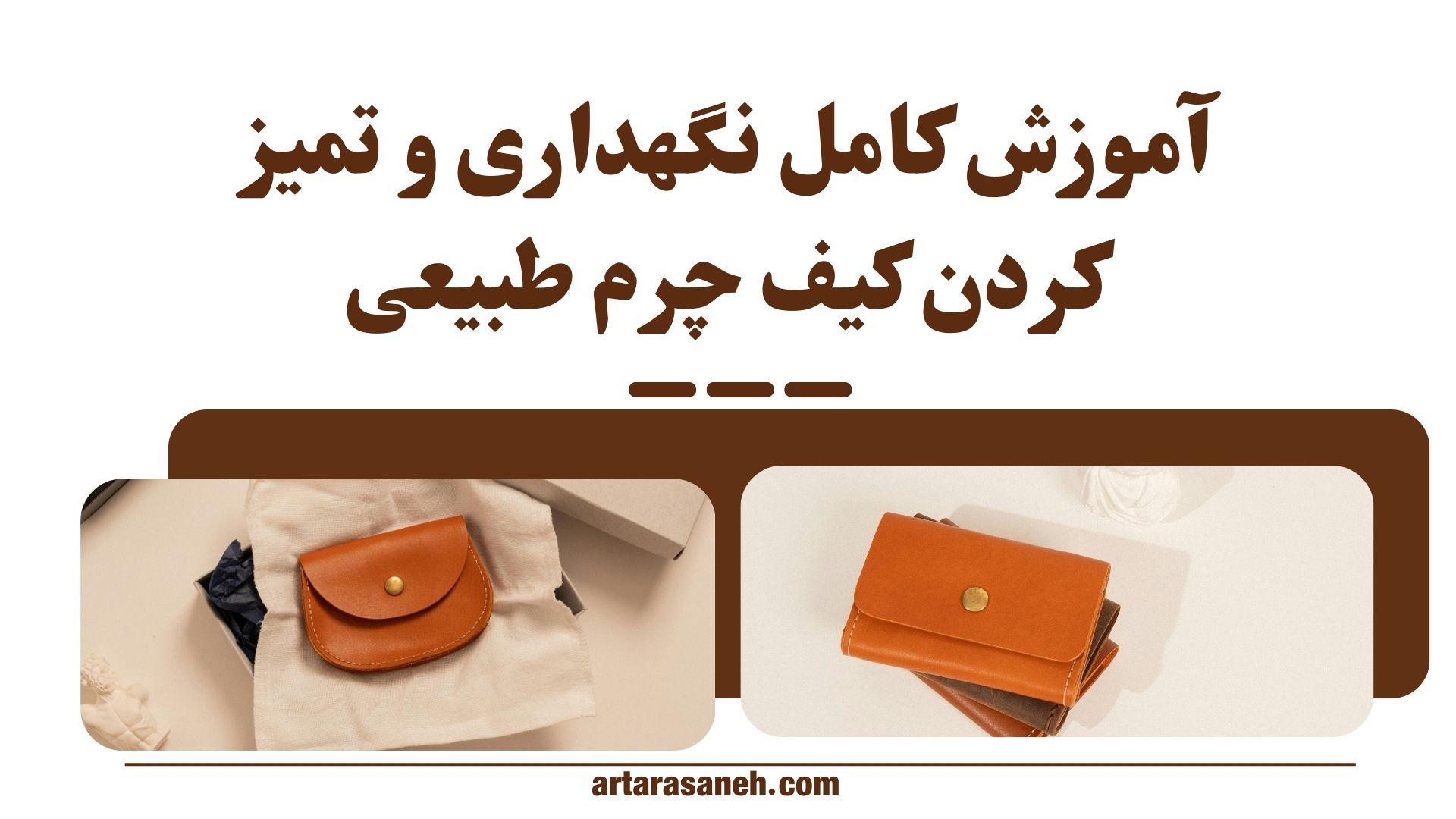
Complete guide to preserving leather items, cleaning techniques, conditioning methods, and extending the lifespan of your leather goods.
Leather is a timeless material that has been valued for centuries due to its durability, versatility, and aesthetic appeal. However, not all leather is created equal. Different types of leather require distinct care approaches to maintain their appearance and longevity. Recognizing the specific characteristics of each leather type is essential for proper maintenance and preservation.
Full-grain leather represents the highest quality leather available. This type retains the complete grain layer of the hide, including all natural markings, pores, and imperfections that tell the story of the animal's life. The surface remains unaltered, which allows the material to develop a beautiful patina over time. Full-grain leather is exceptionally durable and breathable, making it ideal for high-end furniture, bags, and footwear.
Due to its natural and porous structure, full-grain leather requires regular conditioning to prevent drying and cracking. It absorbs moisture and oils more readily than treated leathers, which means spills should be addressed immediately. The care routine should include gentle cleaning with appropriate leather cleaners and periodic application of conditioning products that nourish the fibers without clogging the pores. Avoid harsh chemicals and excessive water exposure, as these can damage the natural grain structure.
Top-grain leather is produced by sanding away the uppermost layer of the hide to remove imperfections, then applying a finish coat. This process creates a more uniform appearance while maintaining good durability. Corrected-grain leather undergoes even more extensive surface treatment, with embossed patterns often applied to simulate a natural grain texture. Both types are commonly used in furniture upholstery and mid-range leather goods.
These processed leathers typically feature protective finishes that make them more resistant to stains and moisture compared to full-grain varieties. Their care needs are generally less demanding, requiring occasional wiping with a damp cloth and mild soap solution. However, the protective coating can wear down over time, particularly in high-contact areas. Conditioning products specifically formulated for finished leather help maintain the surface integrity without causing buildup or discoloration. It is important to avoid abrasive cleaners that might scratch or strip the protective layer.
Product purchase offer: Bracelet and accessory pattern

Suede is created from the underside of the animal hide, resulting in a soft, velvety texture with a distinctive nap. Nubuck is made from the outer layer of the hide that has been sanded to create a similar appearance but with a finer, more durable texture. Both materials are prized for their luxurious feel but are notably more vulnerable to staining, water damage, and wear than smooth-finished leathers.
The raised fibers of suede and nubuck require specialized care techniques. Regular brushing with a dedicated suede brush helps maintain the nap and remove surface dirt. Stains must be treated promptly with appropriate suede cleaners or erasers, as liquids can quickly penetrate the porous surface and cause permanent discoloration. Water-repellent sprays designed for napped leathers provide an essential protective barrier. These materials should never be treated with standard leather conditioners, which can flatten the nap and create dark spots.
Bonded leather consists of leather scraps and fibers bonded together with polyurethane or latex, then applied to a backing material. Faux leather, also called vegan leather or pleather, is entirely synthetic, typically made from polyurethane or polyvinyl chloride. While these materials offer affordable alternatives to genuine leather, they have different structural properties and limitations.
Both bonded and faux leather require minimal maintenance compared to genuine leather. Simple cleaning with mild soap and water is usually sufficient, as these materials do not absorb conditioning products. However, they are more susceptible to peeling, cracking, and degradation over time, particularly when exposed to heat or sunlight. Protective measures include keeping items away from direct heat sources and avoiding harsh solvents that can break down the synthetic bonding agents. Understanding these limitations helps set realistic expectations for the lifespan and performance of these leather alternatives.
Before applying any cleaning method, it is crucial to identify the type of leather you are working with. Full-grain leather, top-grain leather, suede, nubuck, and bonded leather each require distinct approaches. Full-grain and top-grain leather typically feature a protective finish that allows for more thorough cleaning, while suede and nubuck have a delicate napped surface that demands gentle care. Always check the manufacturer's care label and test any cleaning solution on an inconspicuous area first to prevent irreversible damage. This preliminary step safeguards against discoloration, texture changes, or finish degradation that can occur when inappropriate products contact specific leather types.
Regular maintenance is the foundation of leather longevity. Dust and surface dirt should be removed weekly using a soft, dry microfiber cloth. For finished leather surfaces, a slightly dampened cloth can be used, but excess water must be avoided as it can penetrate the material and cause staining or warping. When addressing fresh spills, blot immediately with an absorbent cloth rather than rubbing, which can spread the stain and damage the grain. For stubborn spots on smooth leather, a solution of mild soap and distilled water applied sparingly with a soft cloth often suffices. Work in circular motions and wipe away residue with a clean, damp cloth before allowing the leather to air dry naturally away from direct heat sources.
When leather requires more intensive cleaning due to accumulated grime or neglect, a systematic approach yields the best results. For smooth finished leather, begin by removing all surface dirt with a dry cloth, then apply a dedicated leather cleaner formulated for the specific leather type. Use a soft-bristled brush or cloth to work the cleaner into the surface with gentle pressure, paying attention to seams and crevices where dirt accumulates. Suede and nubuck demand specialized erasers or brushes designed to lift dirt without crushing the nap. For oil-based stains on any leather type, cornstarch or talcum powder can be applied to absorb the oil overnight before brushing away. After deep cleaning, conditioning is essential to restore moisture and prevent cracking, as cleaning agents can strip natural oils from the leather.
Many well-intentioned cleaning attempts result in permanent damage due to common errors. Never use household cleaners, ammonia, bleach, or alcohol-based products on leather, as these harsh chemicals break down the material's structure and cause discoloration. Excessive water application is equally problematic, leading to stiffening, water rings, and potential mold growth. Over-conditioning is another frequent mistake; while conditioning is necessary, applying too much product too often creates a sticky residue that attracts dirt. Avoid placing wet leather near radiators, heaters, or in direct sunlight for drying, as rapid drying causes shrinkage and cracking. Similarly, never use hair dryers or other artificial heat sources. Machine washing leather items, even when labeled as washable, typically damages the shape and finish beyond repair.
Product purchase offer: Leather pattern
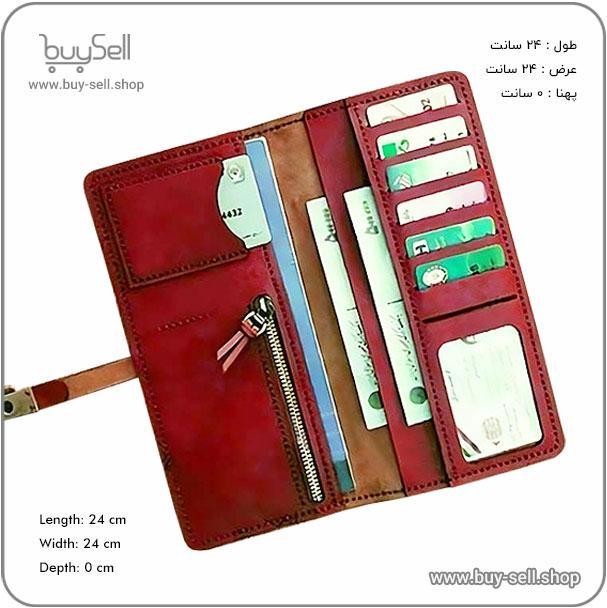
Effective cleaning extends beyond addressing visible dirt to encompass preventive care strategies. Establish a consistent schedule where leather items are dusted weekly, conditioned every three to six months depending on use and climate, and professionally cleaned annually for high-value pieces. Store leather goods in breathable fabric bags rather than plastic, which traps moisture and promotes mildew. Maintain stable humidity levels in storage areas, as excessive dryness causes cracking while high humidity encourages mold growth. For leather furniture, rotate cushions regularly to ensure even wear and prevent premature aging in specific areas. By integrating these practices with proper cleaning techniques, leather items retain their appearance, suppleness, and structural integrity for decades, providing excellent return on investment and sustained aesthetic appeal.
Leather is a natural material that requires regular care to maintain its appearance, flexibility, and durability. Just as human skin needs moisturizing to prevent dryness and cracking, leather needs conditioning to replenish the natural oils that evaporate over time. Without proper treatment, leather becomes brittle, develops cracks, and loses its luxurious feel. Understanding how to properly condition and moisturize your leather items will extend their lifespan significantly and keep them looking their best for years to come.
Leather is processed animal hide that contains natural oils and fats which give it suppleness and strength. Over time, these oils dry out due to environmental factors such as heat, sunlight, and low humidity. Daily wear and exposure to the elements accelerate this process. When leather loses moisture, the fibers become stiff and begin to crack, similar to how soil cracks during a drought. Conditioning restores these essential oils, keeping the leather fibers flexible and preventing permanent damage. Regular moisturizing also creates a protective barrier that helps repel water and resist stains, making your leather goods more resistant to everyday wear and tear.
Selecting an appropriate leather conditioner depends on the type of leather you are treating. Full-grain and top-grain leathers generally accept oil-based or cream conditioners well, while suede and nubuck require specialized products designed for their delicate nap. Natural conditioners such as mink oil, neatsfoot oil, and lanolin penetrate deeply into the leather and provide excellent moisturizing properties. Synthetic conditioners often contain polymers and waxes that sit on the surface, offering protection but less deep conditioning. Cream-based conditioners strike a balance between penetration and surface protection, making them suitable for most leather goods including jackets, bags, and furniture. Always test any product on a small, inconspicuous area first to ensure it does not darken or discolor the leather.
Proper application of leather conditioner involves several important steps. Begin by cleaning the leather thoroughly to remove dirt, dust, and old product buildup that can prevent the conditioner from penetrating properly. Use a soft, slightly damp cloth or a leather-specific cleaner for this purpose. Once the leather is clean and completely dry, apply a small amount of conditioner to a clean, soft cloth rather than directly onto the leather surface. Work the conditioner into the leather using circular motions, ensuring even coverage across the entire surface. Pay special attention to areas that experience the most wear, such as armrests on furniture or the corners of bags. Allow the conditioner to absorb for the time specified by the product instructions, typically between fifteen minutes and several hours. After absorption, buff the leather with a clean, dry cloth to remove any excess product and restore a natural sheen.
Over-conditioning is one of the most frequent errors in leather care. Applying conditioner too often or using excessive amounts can saturate the leather, making it overly soft, greasy, or even causing the fibers to break down. Most leather items only require conditioning every three to six months, depending on usage and environmental conditions. Another common mistake is using inappropriate products such as petroleum jelly, vegetable oils, or household lotions, which can clog the leather pores and cause long-term damage. Conditioning dirty leather traps grime beneath the surface, potentially causing staining or deterioration. Finally, exposing freshly conditioned leather to direct sunlight or heat sources before it has fully absorbed the product can prevent proper moisturizing and may cause uneven darkening.
Between conditioning treatments, simple maintenance practices help preserve leather quality. Store leather items in cool, dry places away from direct sunlight and heat sources that accelerate oil depletion. Use breathable fabric dust covers rather than plastic bags, which trap moisture and promote mold growth. Wipe down leather regularly with a soft, dry cloth to remove surface dust and prevent buildup. Address spills immediately by blotting rather than rubbing to prevent stains from setting. These preventive measures reduce the stress on leather and maintain the benefits of your conditioning routine for longer periods.
Leather is a naturally durable material, but it remains vulnerable to various forms of damage and staining that can compromise its appearance and longevity. The most common threats include water damage, oil-based stains, ink marks, color transfer from denim or other fabrics, scratches, and sun exposure. Each type of leather responds differently to these hazards depending on its finish and treatment. Aniline leather, for instance, is more susceptible to staining due to its minimal protective coating, while pigmented leather offers greater resistance. Understanding these vulnerabilities allows owners to take appropriate preventive measures tailored to their specific leather items.
Environmental factors also play a significant role in leather degradation. Excessive heat can cause leather to dry out and crack, while high humidity may promote mold growth. Direct sunlight leads to fading and weakening of the leather fibers over time. Chemical exposure from household cleaners, perfumes, and hair products can discolor or damage the surface. Recognizing these potential hazards is the first step toward implementing an effective protection strategy that preserves the material's natural beauty and structural integrity.
The foundation of leather protection lies in consistent preventive care rather than reactive treatments. Applying a quality leather protector or conditioner creates a barrier against moisture and stains while keeping the material supple. These products should be applied every three to six months, depending on usage frequency and environmental conditions. Before applying any protector, test it on an inconspicuous area to ensure compatibility with your specific leather type. Clean the surface thoroughly before application to remove dirt and oils that could interfere with product absorption.
Regular cleaning prevents the buildup of dirt and grime that can become embedded in the leather's pores, leading to permanent discoloration. Use a soft, barely damp cloth for routine cleaning, avoiding excessive water that could penetrate and damage the material. For more thorough cleaning, specialized leather cleaners formulated with pH-balanced ingredients provide effective results without stripping natural oils. Immediate attention to spills is critical—blot liquids gently with an absorbent cloth rather than rubbing, which can spread the stain and damage the surface. Allow the leather to air dry naturally, away from direct heat sources that could cause warping or cracking.
Product purchase offer: leather bag pattern

Different stains require targeted approaches for effective removal without causing additional damage. Water stains often leave visible rings on leather surfaces; these can be addressed by dampening the entire affected panel evenly and allowing it to dry slowly. Oil and grease stains typically require absorbent powders like cornstarch or talcum powder applied immediately to draw out the oil before it sets. Leave the powder on the stain for several hours or overnight, then brush it away gently. Ink stains are particularly challenging and may require specialized leather ink removers or professional intervention to avoid spreading or setting the mark deeper into the material.
Scratch prevention involves mindful handling and proper storage of leather items. Keep leather furniture away from pet claws and sharp objects, and store leather goods in breathable dust bags rather than plastic, which can trap moisture. Minor surface scratches can often be minimized by gently rubbing with a soft cloth, which redistributes the leather's natural oils. For deeper scratches, leather repair kits containing color-matched compounds can fill and disguise the damage, though professional restoration may be necessary for significant tears or gouges.
Developing consistent habits ensures ongoing protection of leather possessions. Position leather furniture away from windows with direct sunlight, or use window treatments to filter harmful UV rays. Maintain stable indoor humidity levels between forty and sixty percent to prevent both excessive drying and moisture damage. Rotate cushions and regularly vacuum leather upholstery to prevent uneven wear patterns and dirt accumulation in crevices.
For leather garments and accessories, proper storage is equally important. Hang jackets on padded hangers to maintain their shape, and stuff bags with acid-free tissue paper to prevent creasing. Avoid storing leather items in damp basements or hot attics where temperature and humidity fluctuations can cause irreversible damage. By integrating these protective practices into regular routines, leather owners can significantly extend the lifespan of their investments while maintaining their aesthetic appeal and functional quality for years to come.
The environment where you store leather products plays a crucial role in their longevity. Leather is a natural material that responds to temperature and humidity fluctuations, making climate control essential for long-term preservation. The ideal storage location should maintain a consistent temperature between sixty and seventy degrees Fahrenheit with relative humidity levels around fifty percent. Avoid storing leather items in attics, basements, or garages where extreme temperature variations and moisture can cause irreversible damage. Excessive heat can dry out the natural oils in leather, leading to cracking and brittleness, while high humidity promotes mold growth and mildew formation. A climate-controlled closet or storage room provides the best protection for your valuable leather goods during extended periods of non-use.
Preparing leather items correctly before storage prevents deterioration and maintains their quality over time. Begin by thoroughly cleaning each piece according to its specific leather type, removing all dirt, oils, and residues that could set in during storage. Once clean and completely dry, apply a high-quality leather conditioner to replenish moisture and create a protective barrier against environmental factors. Allow the conditioner to absorb fully before proceeding to the next step. For structured items like handbags and shoes, use acid-free tissue paper or bubble wrap to stuff them, maintaining their original shape and preventing creases or permanent folds. Never use newspaper as the ink can transfer onto the leather surface. For jackets and coats, use padded hangers that support the shoulders properly without creating stress points. This preparation phase is critical because leather that enters storage in poor condition will only worsen over time without proper intervention.
The materials you use to wrap and protect leather during storage significantly impact its condition when retrieved. Always choose breathable fabrics like cotton dust bags or pillowcases that allow air circulation while protecting against dust accumulation. Leather needs to breathe even during storage, so avoid plastic bags or airtight containers that trap moisture and create an environment conducive to mold growth and unpleasant odors. For particularly valuable or delicate leather items, consider investing in specialized leather storage bags made from natural fibers designed specifically for this purpose. If storing multiple leather pieces together, ensure they do not touch directly as color transfer can occur, especially with darker dyed leathers. Acid-free tissue paper serves as an excellent buffer between items. Cedar blocks or sachets can be placed nearby to deter insects and provide a pleasant scent, but ensure they do not contact the leather directly as the oils can cause staining.
follow us in telegram & instagram
Even when properly stored, leather products benefit from periodic inspection and maintenance to ensure their continued preservation. Every three to six months, remove items from storage to inspect for any signs of mold, mildew, discoloration, or pest damage. This regular check allows you to address problems early before they become severe. During these inspections, gently wipe down the leather with a soft cloth to remove any accumulated dust and allow the material to breathe. If the leather feels dry to the touch, apply a light coat of conditioner to maintain optimal moisture levels. Rotate stuffing materials in structured items to prevent permanent impressions. For hanging garments, adjust their position on the hanger slightly to avoid stress marks. This ongoing care routine ensures that when you finally retrieve your leather items for use, they emerge in excellent condition rather than requiring extensive restoration work that could have been prevented through simple maintenance practices.

 Saeede Bayat
May 04, 2025

 Buy Sell
Apr 20, 2025
 Saeede Bayat
Apr 28, 2025
 Saeede Bayat
Apr 23, 2025
 Buy Sell
Oct 25, 2025

Subscribe to the Buy Sell newsletter and enjoy its benefits.