


No products in the cart.
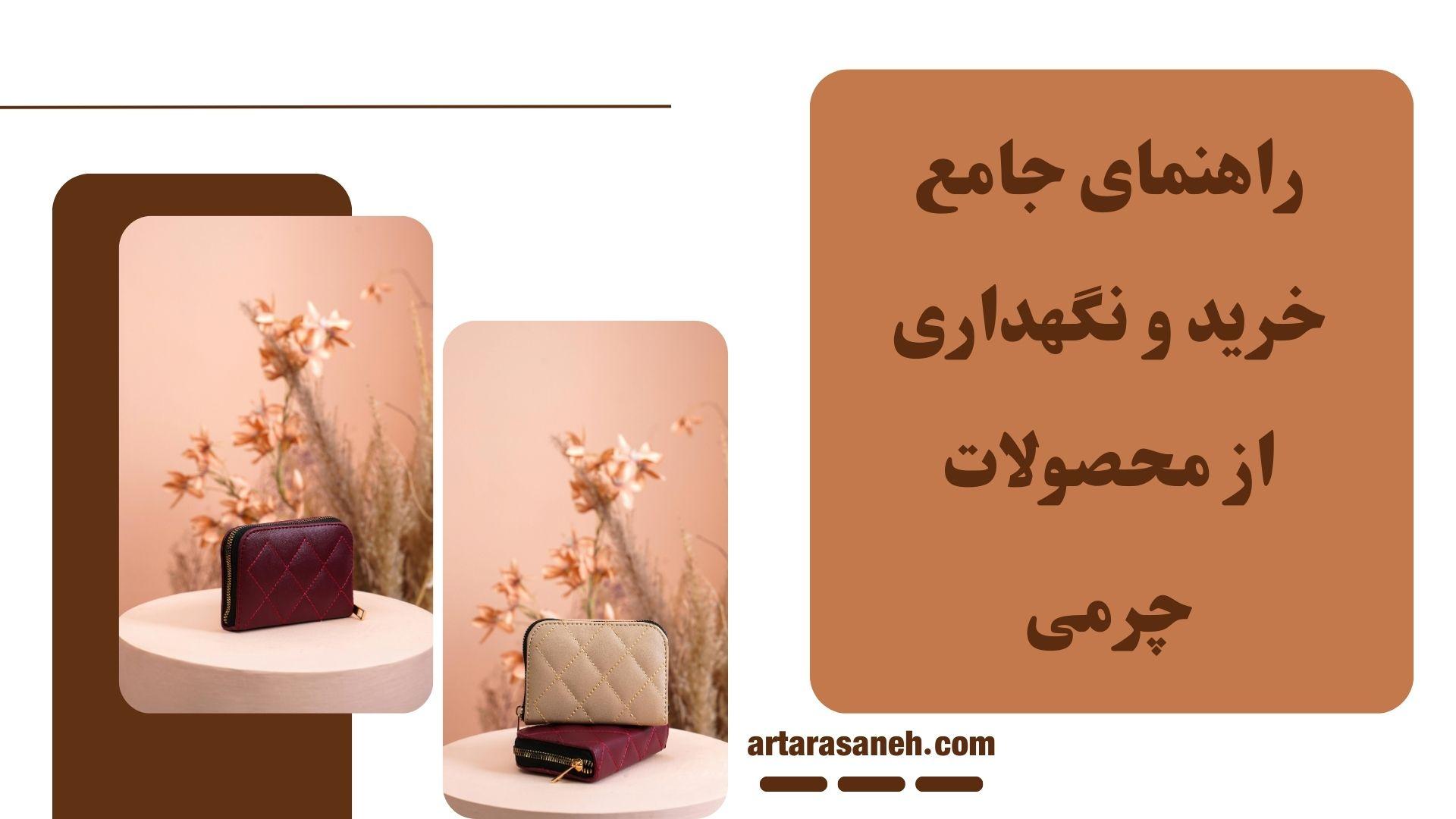
Essential tips and techniques for cleaning, conditioning, and preserving leather items to extend their lifespan and maintain their quality.
Leather classification begins with understanding how animal hides are processed and which layers of the hide are used in the final product. The outermost layer of an animal hide, known as the grain, contains the tightest fiber structure and represents the most durable portion. This grain surface determines much of the leather's character, strength, and ultimate value. Manufacturers process hides through tanning methods that preserve the material and enhance specific characteristics, with different techniques yielding vastly different results in texture, appearance, and longevity.
The quality hierarchy in leather depends on how much of the original hide structure remains intact after processing. Premium leather retains the natural grain with minimal alteration, preserving the unique markings and fiber density that give the material its renowned durability. Lower grades involve more aggressive processing that removes imperfections but also eliminates much of the natural strength. Understanding these distinctions helps consumers make informed decisions about which leather type suits their specific needs and budget constraints.
Full grain leather represents the highest quality available, utilizing the complete thickness of the hide with the grain layer entirely preserved. This type showcases all natural markings, including scars, insect bites, and wrinkles that prove authenticity and character. Because the surface remains unaltered, full grain leather breathes exceptionally well, develops a rich patina over time, and outlasts virtually all other leather types. The tight fiber structure at the grain surface provides remarkable resistance to moisture and wear, making this the preferred choice for premium goods, heirloom furniture, and luxury accessories.
Top grain leather occupies the second tier in the quality spectrum. Manufacturers sand down the outermost grain surface to remove imperfections, then apply finishes to create uniform appearance and color. This process produces a more consistent look across large production runs while maintaining good durability. Though not as breathable or long-lasting as full grain, top grain leather offers an attractive balance between quality and affordability. It resists stains better than full grain due to protective coatings, making it popular for upholstery, handbags, and footwear where appearance consistency matters.
The term "genuine leather" often confuses shoppers who assume it indicates high quality. In reality, genuine leather typically refers to products made from the layers beneath the top grain, bonded together with adhesives and finished to resemble higher grades. These lower layers lack the dense fiber structure of the grain surface, resulting in material that wears more quickly and cannot develop the desirable patina associated with premium leather. Genuine leather serves budget-conscious markets adequately for items with shorter expected lifespans, but should not be mistaken for investment-quality material.
Corrected grain leather undergoes extensive surface modification to hide natural imperfections. The grain layer receives heavy sanding or buffing, then manufacturers apply artificial grain patterns through embossing and thick pigmented finishes. This produces extremely uniform appearance across batches, beneficial for large-scale furniture production and fashion items where matching matters. However, the heavy finishing reduces breathability significantly and prevents natural aging characteristics. While corrected grain leather provides acceptable service for many applications, it represents a compromise between aesthetics and the inherent qualities that make premium leather exceptional.
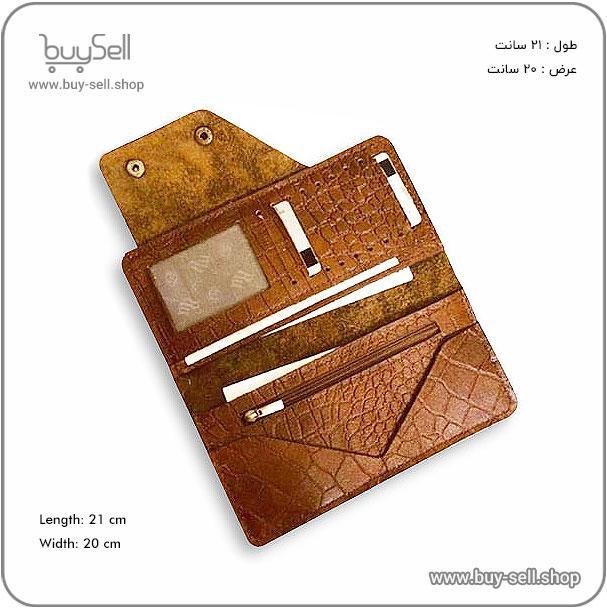
Product purchase offer: Leather wallet pattern
Beyond the standard grades, several specialty leathers serve specific purposes. Suede and nubuck both feature buffed surfaces that create soft, velvety textures, with nubuck coming from top grain and suede from the inner hide layers. These materials offer luxurious tactile experiences but require more careful maintenance due to their absorbent nature. Patent leather receives high-gloss plastic coatings for formal wear and accessories, sacrificing breathability for dramatic visual impact. Bonded leather, the lowest grade, consists of leather scraps and fibers mixed with polyurethane binders, offering minimal durability but maximum economy for temporary-use items.
Exotic leathers from reptiles, fish, and other animals provide unique textures and patterns for specialty markets. These materials follow similar quality principles regarding grain preservation and processing methods. Selecting the appropriate leather type requires balancing intended use, maintenance commitment, budget parameters, and desired aesthetic outcomes to ensure satisfaction with the finished product.
Leather is a natural material that requires consistent care to maintain its appearance and longevity. Daily cleaning and dust removal form the foundation of proper leather maintenance, preventing the accumulation of particles that can embed themselves into the grain and cause premature wear. Dust, dirt, and airborne pollutants act as abrasives when left on leather surfaces, gradually breaking down the protective finish and dulling the natural luster. By incorporating simple daily practices into your routine, you can preserve the suppleness, color, and texture of leather items for years to come. This proactive approach is far more effective than attempting to restore neglected leather, which often requires professional intervention and specialized products.
The most effective daily cleaning begins with gentle dust removal using a soft, dry cloth. Microfiber cloths are particularly suitable because their fine fibers capture dust particles without scratching the leather surface. For smooth leather, a light buffing motion removes surface dust while simultaneously polishing the material. When dealing with textured or grain leather, use a soft-bristled brush designed specifically for leather care, working in the direction of the grain to avoid damaging the surface structure.
For leather furniture, a vacuum cleaner with a soft brush attachment provides efficient dust removal from larger surfaces and hard-to-reach crevices. Always use the lowest suction setting to prevent the vacuum from pulling at seams or causing indentations. Pay special attention to areas where dust tends to accumulate, such as armrests, seat cushions, piping details, and the spaces between cushions. For leather accessories like bags and shoes, a quick wipe-down with a soft cloth after each use prevents dust buildup and maintains the item's pristine appearance.
Many leather owners inadvertently damage their items through improper cleaning techniques. Using abrasive materials such as paper towels, rough sponges, or standard cleaning rags can scratch the leather surface and remove protective finishes. Similarly, applying excessive pressure during cleaning may cause discoloration or create permanent impressions in softer leather types. Never use household cleaners, ammonia-based products, or bleach on leather, as these chemicals strip natural oils and cause irreversible damage.
Another frequent error is neglecting to clean dust from hidden areas and crevices. Dust that accumulates in seams, folds, and stitching can work its way into the leather structure, causing deterioration from within. Additionally, some people attempt to clean leather when it is still wet from rain or spills, which can spread moisture deeper into the material and create water stains. Always allow leather to dry naturally at room temperature before performing any cleaning or dust removal.
Establishing a consistent daily cleaning routine ensures that leather maintenance becomes second nature rather than a burdensome chore. For frequently used items such as leather sofas or office chairs, a quick two-minute dust removal session each day prevents buildup and maintains appearance. Keep dedicated cleaning cloths in convenient locations near your leather items to encourage regular care. Designate specific cloths for leather use only to avoid cross-contamination with products or residues from other cleaning tasks.
Consider the environment where your leather items reside when planning your cleaning routine. Leather in high-traffic areas or near windows may require more frequent attention due to increased dust exposure. Items stored in closets or protective covers need less frequent dusting but should still be inspected regularly. By tailoring your daily cleaning schedule to the specific conditions and usage patterns of each leather item, you maximize efficiency while ensuring comprehensive care. This mindful approach not only preserves the aesthetic qualities of leather but also protects your investment in quality materials.
Leather conditioning is the process of replenishing essential oils and moisture that naturally evaporate from leather over time. As an organic material, leather requires regular maintenance to preserve its suppleness, strength, and appearance. Without proper conditioning, leather fibers become brittle, leading to cracking, discoloration, and premature deterioration. The conditioning process involves applying specialized products that penetrate the leather's porous structure, restoring flexibility while creating a protective barrier against environmental damage. Different leather types, including full-grain, top-grain, and suede, require specific conditioning approaches tailored to their unique characteristics and finish treatments.
Choosing appropriate conditioning products depends on several factors, including leather type, age, and intended use. Oil-based conditioners penetrate deeply and work exceptionally well for older, dried-out leather items, though they may darken lighter-colored materials. Cream-based conditioners offer a balanced approach, providing moisture without excessive darkening, making them suitable for most leather goods. Wax-based products deliver surface protection and shine but offer limited deep conditioning benefits. Natural options such as lanolin, mink oil, and neatsfoot oil have been traditional choices for generations, while modern synthetic formulations often provide consistent results with enhanced UV protection. Always test any conditioner on an inconspicuous area before full application to ensure compatibility and prevent unwanted color changes or texture alterations.
Proper application technique maximizes conditioning effectiveness while preventing product waste and surface damage. Begin by thoroughly cleaning the leather surface to remove dirt, dust, and previous product buildup that might block absorption. Apply a small amount of conditioner to a soft, lint-free cloth rather than directly onto the leather surface, ensuring even distribution and preventing oversaturation. Work the conditioner into the leather using gentle circular motions, paying special attention to areas prone to stress and wear, such as creases, corners, and edges. Allow the product to absorb completely, typically between twenty and thirty minutes, before buffing away any excess with a clean cloth. For particularly dry or neglected leather, multiple thin applications spaced over several days prove more effective than a single heavy treatment.
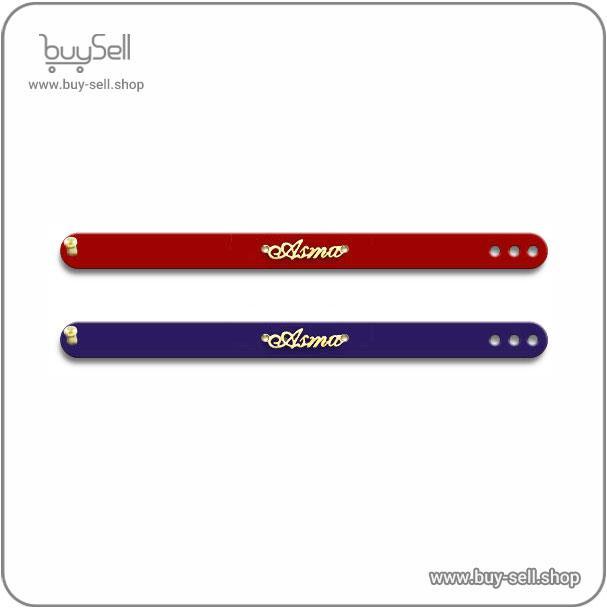
Product purchase offer: Bracelet and accessory pattern
Several frequent errors can compromise conditioning results and potentially harm leather items. Over-conditioning ranks among the most prevalent mistakes, as excessive product application saturates leather fibers, leaving surfaces sticky, attracting dirt, and weakening the material structure. Using inappropriate products, such as petroleum-based substances or generic household oils, can clog leather pores and create irreversible damage. Conditioning dirty leather traps contaminants beneath the surface, accelerating deterioration rather than preventing it. Rushing the absorption process by immediately buffing or using treated items prevents proper penetration and wastes product. Ignoring manufacturer recommendations or treating all leather types identically disregards important variations in tanning methods and finishes that require specific care approaches. Establishing a consistent maintenance schedule prevents the neglect that necessitates aggressive restoration treatments carrying higher risk of complications.
Regular conditioning intervals depend on usage frequency, environmental conditions, and leather quality. Items experiencing daily use, such as leather bags, wallets, and jackets, benefit from conditioning every three to six months under normal conditions. Furniture and decorative pieces in climate-controlled environments typically require attention twice yearly, while items in dry climates or exposed to direct sunlight may need quarterly treatments. Seasonal transitions present ideal conditioning opportunities, particularly before winter storage or summer heat exposure. Monitor leather condition through visual inspection and tactile assessment, watching for early warning signs including surface dullness, stiffness, or minor creasing. Preventive maintenance through consistent conditioning proves far more effective and economical than reactive restoration of severely damaged leather, preserving both appearance and structural integrity for decades of continued service.
Leather is a natural, porous material that requires proper care to maintain its beauty and longevity. One of the most critical aspects of leather maintenance involves safeguarding it against water damage and staining. Without adequate protection, leather can develop water spots, discoloration, and permanent marks that compromise both its appearance and structural integrity. Understanding how to effectively shield your leather goods from these common threats ensures they remain pristine for years to come.
Leather's organic composition makes it naturally absorbent, which means it readily soaks up liquids when exposed. When water penetrates the surface, it can cause the fibers to swell and then contract upon drying, leading to stiffness, warping, and cracking. Different types of leather exhibit varying degrees of water resistance. Full-grain leather, for instance, retains more of its natural oils and provides better inherent protection than corrected-grain or suede varieties. However, even the most resilient leather types benefit from additional protective measures to prevent moisture-related damage.
Water damage manifests in several ways, including darkened patches, rings, and a loss of the leather's natural luster. Salt stains from winter weather can be particularly problematic, as the salt crystals draw out the leather's natural oils, leaving white residue and dried-out areas. Recognizing these vulnerabilities is the first step toward implementing an effective protection strategy.
The cornerstone of water and stain protection involves applying specialized treatments that create a barrier without compromising the leather's breathability. Leather protector sprays and creams work by coating the fibers with water-repellent compounds that cause liquids to bead up and roll off the surface rather than soaking in. When selecting a protective product, ensure it is appropriate for your specific leather type, as suede and nubuck require different formulations than smooth leather.
Application technique matters as much as product selection. Before treating any leather item, clean the surface thoroughly to remove dirt and oils that might interfere with absorption. Apply protector sprays in thin, even coats from a distance of approximately six to eight inches, allowing each layer to dry completely before adding another. Multiple light coats provide superior protection compared to a single heavy application, which can saturate the leather and alter its appearance. For conditioning creams with protective properties, use a soft cloth to work the product into the leather using circular motions, ensuring complete coverage.
Reapplication frequency depends on usage intensity and environmental exposure. Items subjected to frequent outdoor use or harsh weather conditions require more regular treatment, typically every four to six weeks, while indoor leather furniture may only need protection every few months.
Beyond chemical treatments, adopting preventive habits significantly reduces the risk of water and stain damage. Always store leather items in cool, dry locations away from direct heat sources and excessive humidity. When caught in unexpected rain, resist the urge to use direct heat for drying; instead, blot excess moisture with an absorbent cloth and allow the item to air dry naturally at room temperature. Stuffing leather bags and shoes with newspaper helps maintain their shape while absorbing internal moisture.
Immediate action is crucial when spills occur. Blot liquid spills immediately with a clean, absorbent cloth using a dabbing motion rather than rubbing, which can spread the stain and push it deeper into the leather. For oily substances, sprinkle cornstarch or talcum powder on the affected area to absorb the oil, leaving it overnight before gently brushing away the residue.
Many well-intentioned leather owners inadvertently cause damage through improper protection methods. Using household waterproofing products designed for synthetic materials can clog leather's pores, preventing it from breathing and leading to deterioration. Similarly, over-application of protective products creates buildup that attracts dirt and gives leather an unnatural, greasy appearance. Another frequent error involves neglecting to test products on inconspicuous areas first, which can result in discoloration or texture changes across visible surfaces. Finally, postponing treatment until after damage occurs rather than protecting leather proactively often means dealing with irreversible harm that could have been easily prevented.
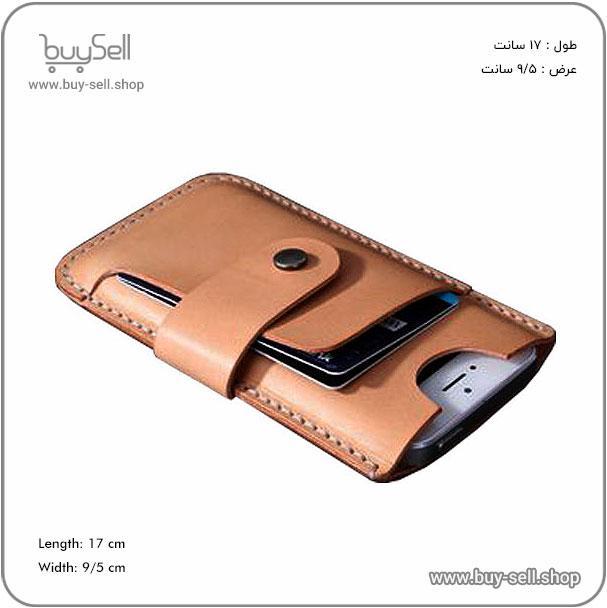
Product purchase offer: Leather Phone Case Pattern
The environment where you store your leather products plays a crucial role in their preservation over extended periods. Leather is a natural material that responds to its surroundings, making climate control essential for long-term storage. The ideal storage space should maintain a consistent temperature between 60 and 70 degrees Fahrenheit with relative humidity levels around 40 to 50 percent. Extreme temperatures can cause leather to crack or become brittle, while excessive moisture promotes mold growth and mildew formation. Avoid storing leather items in attics, basements, or garages where temperature and humidity fluctuate dramatically. Instead, select a cool, dry area within your living space where conditions remain stable throughout the year. Proper ventilation is equally important, as stagnant air can trap moisture and create an environment conducive to deterioration.
Before placing leather products into storage, thorough preparation ensures they emerge in excellent condition when needed again. Begin by cleaning each item completely to remove dirt, oils, and other residues that could set into the leather during storage. Use a leather-specific cleaner appropriate for the type of leather you are storing. After cleaning, allow the items to dry naturally and completely before proceeding. Apply a high-quality leather conditioner to replenish natural oils and create a protective barrier against drying and cracking during the storage period. Conditioning is particularly important for items that will be stored for several months or longer. For structured items like bags and shoes, stuff them with acid-free tissue paper or cotton fabric to help maintain their shape. Never use newspaper, as the ink can transfer to the leather. For jackets and garments, use padded hangers that support the shoulders properly without creating creases or stress points.
The materials you use to wrap and contain your leather products during storage significantly impact their condition over time. Leather needs to breathe, so avoid plastic bags or airtight containers that trap moisture and prevent air circulation. Instead, use breathable cotton dust bags, pillowcases, or muslin fabric to protect items from dust while allowing air flow. These natural fabrics prevent condensation buildup that leads to mold and unpleasant odors. For particularly valuable or delicate leather pieces, consider investing in specialized leather storage bags made from acid-free materials. When storing multiple items together, ensure they have adequate space between them to prevent color transfer and allow proper air circulation. Cedar blocks or lavender sachets can be placed nearby to deter insects and provide a pleasant scent, but avoid direct contact with the leather as natural oils from these materials may cause staining.
Even when stored properly, leather products benefit from periodic attention to ensure they remain in optimal condition. Schedule regular inspections every three to six months to check for signs of mold, mildew, or pest damage. During these checks, remove items from their storage bags and allow them to air out for a few hours in a well-ventilated space away from direct sunlight. Gently wipe down the surfaces with a soft, dry cloth to remove any dust accumulation. Reapply leather conditioner annually for items in long-term storage to prevent the leather from drying out completely. This maintenance routine also provides an opportunity to verify that storage conditions remain appropriate and make adjustments if necessary. For items with hardware such as zippers, buckles, or metal embellishments, check for signs of tarnish or corrosion and address them promptly to prevent permanent damage to the leather surrounding these components.

 Saeede Bayat
May 04, 2025

 Buy Sell
Apr 20, 2025
 Saeede Bayat
Apr 28, 2025
 Saeede Bayat
Apr 23, 2025
 Buy Sell
Oct 25, 2025

Subscribe to the Buy Sell newsletter and enjoy its benefits.