


No products in the cart.
Discover effective methods to clean, maintain, and protect your leather bag to keep it looking pristine and extend its lifespan.
Leather classification depends primarily on which layer of the animal hide is used and how it has been processed. The outermost layer, known as the grain, contains the tightest fiber structure and provides the most durable material. When manufacturers split the hide horizontally, they create different grades of leather, each with distinct characteristics and applications. Full grain leather retains the entire grain layer with all natural markings intact, making it the highest quality option available. Top grain leather has the grain surface lightly sanded to remove imperfections, creating a more uniform appearance while maintaining excellent durability. Understanding these fundamental distinctions helps consumers make informed purchasing decisions based on their specific needs and budget considerations.
Full grain leather represents the pinnacle of leather quality, preserving the hide's natural surface with all its inherent texture and character marks. This type develops a rich patina over time, becoming more attractive with age and use. The dense fiber structure provides exceptional strength and breathability, making it ideal for high-end furniture, luxury footwear, and premium leather goods. Top grain leather undergoes minimal surface correction, balancing natural aesthetics with consistency. Manufacturers lightly sand the surface to create uniformity while retaining much of the original strength and durability. This category works well for quality bags, belts, and upholstery where both appearance and longevity matter.
Genuine leather, despite its authentic-sounding name, actually refers to lower quality material made from the layers beneath the top grain. These splits receive heavy processing, including artificial grain embossing and thick finish coatings to compensate for the weaker fiber structure. While genuine leather products cost less than premium alternatives, they lack the durability and aging characteristics of higher grades. Bonded leather sits at the bottom of the quality spectrum, consisting of leather scraps and fibers mixed with polyurethane or latex binders, then applied to a fabric backing. This composite material offers minimal durability and tends to crack and peel with regular use.
Product purchase offer: leather keychain patterns

Beyond grain-based classifications, specific processing techniques create distinctive leather types suited for particular applications. Aniline leather receives only transparent dye, allowing the natural grain and markings to show through completely. This minimal finishing preserves the hide's authentic character but leaves it vulnerable to stains and moisture. Semi-aniline leather adds a light protective coating over the aniline dye, offering better stain resistance while maintaining much of the natural appearance. Nubuck results from buffing the grain side to create a soft, velvet-like surface with excellent tactile qualities but requiring careful maintenance.
Suede comes from buffing the flesh side of the hide, producing a characteristic fuzzy texture that works beautifully for jackets, shoes, and accessories. Patent leather features a high-gloss finish achieved through coating with lacquer or plastic, creating a shiny, water-resistant surface popular for formal footwear and fashion items. Pull-up leather contains extra oils and waxes that create a two-tone effect when the material is stretched or bent, making it particularly attractive for rustic and vintage-style products.
Choosing appropriate leather depends on the intended use, maintenance commitment, and budget constraints. Premium full grain leather justifies its higher cost for items requiring maximum durability and timeless aesthetics, such as investment pieces meant to last decades. Top grain leather provides an excellent middle ground for quality-conscious buyers who want longevity without the premium price tag. For frequently handled items like wallets or bags, consider finished leathers that resist stains and moisture better than aniline varieties. Furniture applications benefit from semi-aniline or protected leathers that balance natural beauty with practical st ```html
Maintaining the beauty and longevity of leather requires the right cleaning supplies. Whether you own leather furniture, jackets, bags, or shoes, having a well-stocked cleaning kit ensures you can address spills, stains, and general wear before they cause permanent damage. Understanding which products to use and how they work will help you preserve the natural qualities of leather while avoiding costly mistakes that could ruin your investment.
Every leather care kit should begin with fundamental supplies for regular upkeep. A dedicated leather cleaner serves as your primary cleaning agent, formulated specifically to remove dirt and oils without stripping the material's natural moisture. Unlike household cleaners that contain harsh chemicals, leather-specific cleaners maintain the pH balance necessary to preserve the hide's integrity.
Microfiber cloths are indispensable tools that should be included in every cleaning arsenal. These soft, lint-free cloths effectively remove dust and apply cleaning products without scratching or leaving residue. Keep several on hand, designating separate cloths for cleaning and conditioning to prevent product contamination. A soft-bristled brush, such as a horsehair brush, complements your cloth collection by reaching into textured surfaces, seams, and perforations where dirt accumulates.
Distilled water deserves a place in your supplies as well. Tap water often contains minerals and chemicals that can leave spots or discoloration on leather surfaces. Distilled water provides a pure medium for diluting cleaners and gentle spot cleaning without introducing potentially harmful substances to the material.
After cleaning, leather requires conditioning to restore moisture and maintain suppleness. A quality leather conditioner penetrates the material to replenish natural oils that evaporate over time or are removed during cleaning. This prevents cracking, stiffness, and premature aging that occurs when leather becomes too dry. Choose conditioners made with natural ingredients like lanolin, beeswax, or mink oil, which closely mimic the leather's original composition.
Leather protection products create a barrier against future staining and moisture damage. While not necessary for every cleaning session, a leather protector spray applied periodically helps repel water and resist soil accumulation. This is particularly valuable for items exposed to frequent use or outdoor conditions, such as shoes, jackets, and automotive interiors.
For those dealing with specific leather finishes, specialized products may be necessary. Suede and nubuck require different care than smooth leather, necessitating erasers and specialized brushes designed for their delicate nap. Understanding your leather type ensures you select appropriate conditioning products that enhance rather than damage the finish.
Beyond routine maintenance, certain supplies target specific problems that arise with leather ownership. A leather degreaser addresses oil-based stains from food, cosmetics, or body oils that regular cleaners cannot fully remove. These concentrated formulas break down greasy residues without oversaturating the leather.
White vinegar mixed with distilled water creates an effective solution for addressing mildew and mild discoloration. This natural remedy works particularly well on leather that has been stored in humid conditions. Cotton swabs allow precise application of cleaning solutions to small stains or hard-to-reach areas without affecting surrounding leather.
Cornstarch or talcum powder serves as an absorbent for fresh oil stains. When sprinkled immediately on a spill, these powders draw out the oil before it penetrates deeply into the leather fibers. Allowing the powder to sit overnight before brushing away often prevents permanent staining from greasy accidents.
Many leather owners inadvertently damage their items by using inappropriate cleaning supplies. Household products like bleach, ammonia, or all-purpose cleaners contain chemicals that strip leather of its natural oils, causing irreversible drying and cracking. Similarly, baby wipes and alcohol-based products, while convenient, dry out leather and should be avoided despite popular misconceptions about their safety.
Excessive amounts of water pose another common risk. While some moisture is necessary for cleaning, saturating leather leads to water stains, warping, and potential mold growth. Always use cleaning products and water sparingly, applying them to your cloth rather than directly to the leather surface.
Investing in quality, leather-specific supplies may cost more initially but protects your investment far better than improvising with household substitutes. The right cleaning arsenal prevents damage that would require expensive professional restoration or replacement, making proper supplies a worthwhile investment for any leather owner.
Before beginning any cleaning procedure, proper preparation is essential to achieve optimal results and prevent damage to your leather goods. Start by removing any loose dirt, dust, or debris from the surface using a soft-bristled brush or a clean, dry microfiber cloth. Gently brush in the direction of the grain to avoid scratching the leather. This preliminary step ensures that you won't grind particles into the material during the wet cleaning phase, which could cause permanent abrasions or discoloration.
Next, identify the type of leather you are working with, as different varieties require specific care approaches. Test any cleaning solution on an inconspicuous area first, such as the underside of a bag strap or the inside fold of a jacket. Apply a small amount and wait fifteen to twenty minutes to check for adverse reactions like color bleeding, staining, or texture changes. This precautionary measure protects your valuable leather items from irreversible damage and allows you to adjust your cleaning method if necessary.
Once preparation is complete, create or select an appropriate cleaning solution for your leather type. For most smooth, finished leathers, a mixture of mild soap and distilled water works effectively. Combine a few drops of gentle liquid soap with warm water, ensuring the solution is not overly concentrated. Dampen a soft cloth with this mixture, wringing it out thoroughly so it is barely moist rather than wet. Excess moisture can penetrate the leather, causing water stains, warping, or mildew growth.
Work in small sections, applying the cleaning solution with gentle circular motions. Avoid scrubbing aggressively, as this can strip away natural oils and protective finishes. Pay particular attention to areas that accumulate body oils, dirt, and grime, such as armrests on furniture, handles on bags, or collar areas on jackets. After cleaning each section, immediately wipe it with a separate clean, damp cloth to remove soap residue. Any remaining cleaning solution can dry into the leather and create a dull film or attract more dirt over time.
Proper drying is crucial to maintaining the integrity and appearance of your leather. After cleaning, allow the item to air dry naturally at room temperature, away from direct sunlight, heating vents, or radiators. Rapid drying methods cause leather to become brittle, crack, or shrink. The drying process typically takes several hours, depending on the humidity level and thickness of the leather. Ensure adequate air circulation around the item by placing it in an open area rather than in a confined space.
Once the leather is completely dry to the touch, apply a quality leather conditioner to restore moisture and maintain suppleness. Conditioning replenishes natural oils removed during cleaning and creates a protective barrier against future stains and wear. Dispense a small amount of conditioner onto a clean, soft cloth and massage it into the leather using circular motions. Allow the conditioner to absorb for the time specified by the manufacturer, usually between twenty minutes and several hours, then buff away any excess with a dry cloth to achieve a natural, even finish.
Product purchase offer: leather bag pattern

Many people inadvertently damage their leather items by using inappropriate cleaning agents or techniques. Avoid household cleaners containing harsh chemicals, bleach, ammonia, or alcohol, as these substances strip protective coatings and cause permanent discoloration. Similarly, never saturate leather with water or submerge it, as excessive moisture leads to structural damage and promotes mold growth.
Another frequent error is neglecting to condition leather after cleaning. Without proper conditioning, cleaned leather becomes dry and prone to cracking. Additionally, avoid using excessive heat to speed drying, as this compromises the material's flexibility and longevity. By following the correct procedures and avoiding these common pitfalls, you can maintain your leather goods in excellent condition for years to come.
Leather conditioning serves as a vital maintenance practice that preserves the natural oils and fibers within the material. Over time, leather loses moisture due to environmental exposure, regular use, and natural aging processes. Without proper conditioning, leather becomes stiff, brittle, and prone to cracking. The conditioning process replenishes essential oils that keep leather supple and flexible while creating a protective barrier against moisture and contaminants. Quality conditioners penetrate deep into the leather's porous structure, nourishing fibers from within rather than simply coating the surface. This fundamental care technique extends the lifespan of leather goods significantly and maintains their aesthetic appeal for years to come.
Choosing appropriate conditioning products requires understanding the specific type of leather being treated. Different leather varieties respond better to certain formulations, making product selection critical to successful maintenance. Natural oil-based conditioners work exceptionally well for full-grain and vegetable-tanned leathers, as they closely mimic the leather's original composition. Cream-based conditioners offer moderate penetration and are suitable for most everyday leather items, including furniture and bags. Wax-based products provide excellent water resistance but should be reserved for rugged outdoor leather that requires enhanced protection. Avoid conditioners containing petroleum distillates or silicone, as these substances can clog leather pores and cause long-term damage. Always test any new product on an inconspicuous area before applying it to the entire surface to ensure compatibility and prevent discoloration.
Proper application technique ensures even conditioning and optimal absorption of moisturizing agents. Begin by cleaning the leather surface thoroughly to remove dust, dirt, and previous product buildup that might prevent proper penetration. Use a soft, lint-free cloth or specialized leather cleaning solution for this preparatory step. Once the leather is clean and completely dry, apply a small amount of conditioner to a clean cloth rather than directly onto the leather surface. This approach provides better control and prevents over-application. Work the conditioner into the leather using circular motions, applying gentle pressure to facilitate absorption. Pay particular attention to high-stress areas such as creases, seams, and edges where drying occurs most rapidly. Allow the conditioner to penetrate for the recommended time, typically between fifteen and thirty minutes, then buff away any excess with a clean cloth to prevent sticky residue and attract dust.
Several frequent errors can compromise the effectiveness of leather conditioning or even cause damage. Over-conditioning represents one of the most common mistakes, as excessive product application can saturate leather fibers, leading to a limp texture and weakened structure. Conditioning too frequently disrupts the leather's natural balance and may darken its color permanently. Conversely, neglecting conditioning schedules allows leather to dry out beyond recovery, resulting in irreversible cracking. Using the wrong product type for specific leather varieties can cause discoloration, surface damage, or chemical reactions that degrade the material. Applying conditioner to dirty leather traps contaminants within the fibers, accelerating deterioration rather than preventing it. Never expose freshly conditioned leather to direct heat sources or intense sunlight during the absorption period, as this causes uneven drying and can bake products into the surface, creating permanent stains.
Product purchase offer: Leather pattern
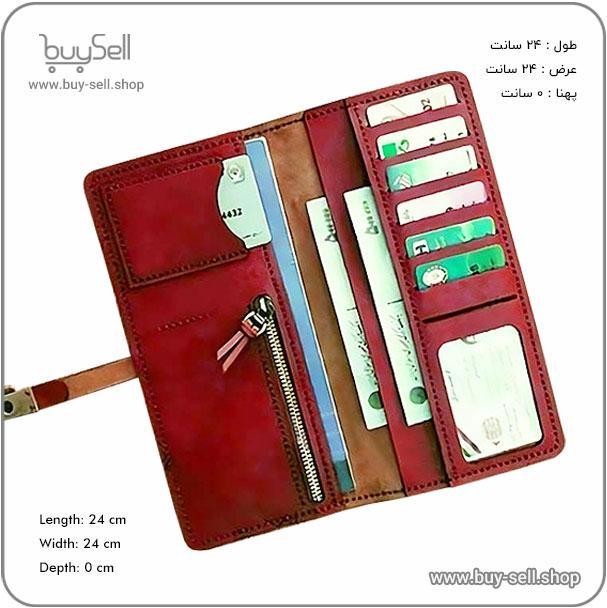
Developing a consistent conditioning routine based on usage patterns and environmental conditions ensures optimal leather care. Items used daily, such as wallets, bags, and jackets, generally benefit from conditioning every three to six months. Furniture and decorative pieces in climate-controlled environments require attention less frequently, typically twice per year. Leather exposed to harsh conditions, including extreme temperatures, humidity fluctuations, or direct sunlight, demands more frequent conditioning every two to three months. Monitor leather surfaces regularly for early signs of dryness, such as loss of luster, stiffness, or fine surface lines. Seasonal transitions present ideal opportunities for conditioning, as changing weather patterns affect moisture levels significantly. By maintaining a proactive approach rather than reactive interventions, leather goods retain their quality and appearance throughout their serviceable life.
The environment where you store your leather bag plays a crucial role in maintaining its quality and appearance over time. Leather is a natural material that responds to temperature and humidity changes, making it essential to select an appropriate storage location. Always store your leather bag in a cool, dry place away from direct sunlight and heat sources such as radiators or heating vents. Excessive heat can cause the leather to dry out, crack, and lose its natural oils, while high humidity levels can promote mold growth and cause the material to become sticky or discolored. Ideally, maintain a consistent room temperature between sixty and seventy degrees Fahrenheit with moderate humidity levels. Avoid storing leather bags in attics, basements, or garages where temperature fluctuations are common and moisture levels may be unpredictable.
Maintaining the original shape of your leather bag during storage is vital to prevent creasing, sagging, and permanent deformation. Before storing your bag, stuff it generously with acid-free tissue paper, bubble wrap, or clean cotton fabric to help it retain its structure. Avoid using newspaper as the ink can transfer onto the leather lining and cause staining over time. Pay special attention to corners and handles, ensuring they are properly supported to prevent collapse or folding. For structured bags, maintaining the shape is particularly important as losing form can be difficult to reverse. If your bag came with original stuffing or inserts, use these whenever possible as they are specifically designed for that particular style. Change the stuffing periodically if you store the bag for extended periods to prevent the materials from compressing and losing their effectiveness.
Protecting your leather bag from dust and scratches while allowing it to breathe is essential for long-term storage. Always use a breathable dust bag made from cotton, linen, or other natural fabrics rather than plastic covers or bags. Plastic traps moisture and prevents air circulation, which can lead to condensation buildup, mold growth, and an unpleasant musty odor that penetrates the leather. Most quality leather bags come with branded dust bags, but if yours did not, you can purchase cotton drawstring bags or even use clean cotton pillowcases as alternatives. Ensure the dust bag is large enough to accommodate the stuffed bag without compressing it. Store the bag upright or lying flat depending on its design, never hanging by the handles as this can cause stretching and distortion over time.
Even when not in use, your leather bag requires periodic attention to remain in optimal condition. Every few months, remove the bag from storage and inspect it for any signs of mold, discoloration, or damage. Gently wipe the exterior with a soft, dry cloth to remove any dust that may have accumulated despite the dust bag. Allow the bag to air out for a few hours in a well-ventilated area away from direct sunlight. This practice prevents moisture buildup and keeps the leather fresh. If you notice the leather becoming dry, apply a small amount of leather conditioner following the manufacturer's recommendations. Conditioning during storage helps maintain the natural oils in the leather and prevents cracking. Additionally, checking on your stored bags regularly allows you to catch any potential problems early before they become serious issues that require professional restoration.

 Saeede Bayat
May 04, 2025

 Buy Sell
Apr 20, 2025
 Saeede Bayat
Apr 28, 2025
 Saeede Bayat
Apr 23, 2025
 Buy Sell
Oct 25, 2025

Subscribe to the Buy Sell newsletter and enjoy its benefits.