


No products in the cart.

The principles of timeless design are perfectly illustrated by several iconic pieces that have remained virtually unchanged for decades. The classic leather briefcase, with its structured form, sturdy handles, and secure buckles, is a prime example.
In the world of leather goods, "classic and timeless" refers to a design philosophy that transcends fleeting trends. These are pieces that possess an enduring aesthetic appeal, remaining stylish and relevant for decades, or even generations, rather than a single season. The core of this approach lies in prioritizing function, exceptional craftsmanship, and clean, unadorned forms over decorative excess. Timeless design is not about being boring or outdated; it is about achieving a quiet confidence through simplicity and quality. These pieces are characterized by their versatility, effortlessly integrating into various lifestyles and personal styles without ever appearing out of place. The ultimate goal is to create an heirloom-quality item whose value and beauty increase with age, telling a story through the patina it develops on the rich leather surface.
Product purchase offer: leather bag pattern
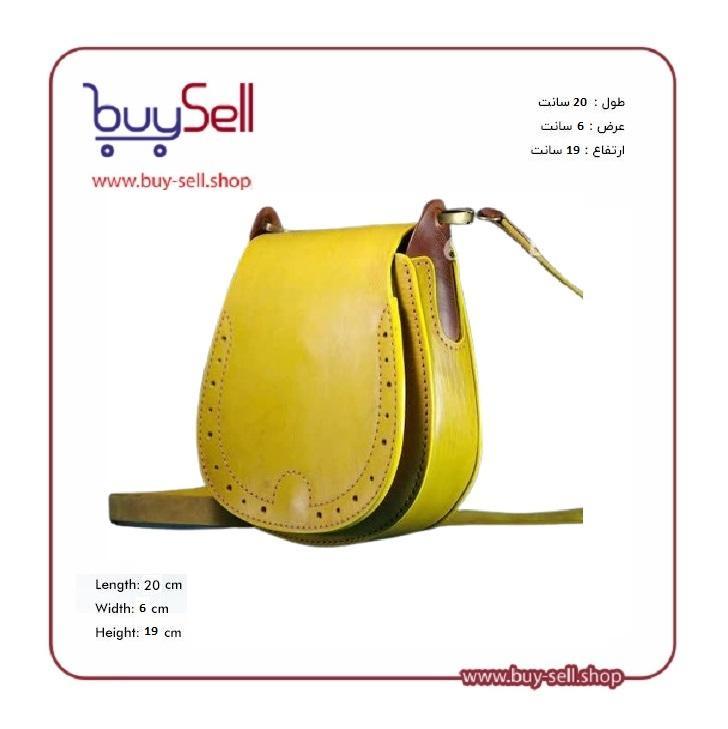
Creating a classic leather item requires a steadfast focus on several fundamental elements. The foundation, unsurprisingly, is the leather itself. Full-grain leather is the premier choice for timeless pieces. This is the top layer of the hide, complete with its natural grain and imperfections. Unlike corrected-grain or bonded leather, full-grain is the most durable and developes a unique, rich patina over time, which is the hallmark of a truly aged, classic item. The construction method is equally critical. Techniques like saddle stitching, where two needles are used to create an incredibly strong and durable seam, are preferred. While more time-consuming than machine stitching, this method ensures the item can withstand a lifetime of use. Finally, the design must favor clean lines and functional hardware. Think of simple silhouettes, minimalist logos, and robust, solid brass or nickel hardware that ages gracefully alongside the leather.
The principles of timeless design are perfectly illustrated by several iconic pieces that have remained virtually unchanged for decades. The classic leather briefcase, with its structured form, sturdy handles, and secure buckles, is a prime example. It serves a clear purpose and its design is a direct result of that function. Similarly, the simple leather wallet, designed to hold currency and cards securely without bulk, embodies timelessness. In footwear, the plain-toe leather derby or oxford shoe demonstrates how a fundamental design can remain a wardrobe staple for over a century. In furniture, the Chesterfield sofa, with its deep button-tufted leather upholstery and rolled arms, has been a symbol of sophistication since the 1800s. These items share a common thread: their design is so perfectly attuned to their function and crafted from such high-quality materials that they never need a radical redesign.
Achieving a timeless look is as much about what you avoid as what you incorporate. One of the most common pitfalls is succumbing to fast-fashion trends in leather goods. Overly distressed finishes, brightly colored or patent leathers, and logos plastered prominently across the item will date it quickly. Another mistake is prioritizing low cost over quality. Items made from poor-quality bonded leather or with weak, glued construction will not last long enough to become timeless; they will simply fall apart. Over-designing is another frequent error. Adding unnecessary pockets, zippers, straps, or decorative elements often complicates the form and distracts from the inherent beauty of the leather itself. A timeless piece is confident in its simplicity.
Choosing a classic and timeless leather item is an investment in longevity, sustainability, and personal style. It is a deliberate move away from disposable consumerism and towards owning fewer, but better, possessions. A well-made leather bag, jacket, or wallet becomes a trusted companion, molding to your life and carrying the marks of your experiences. This approach is not only aesthetically rewarding but also environmentally conscious, as a single, durable item replaces numerous cheaper, short-lived alternatives. By understanding and appreciating the principles of classic design—superior materials, masterful craftsmanship, and purposeful form—you can make informed choices that lead to a collection of leather goods that will never go out of style.
Modern and minimalist trends in leather goods represent a significant departure from the ornate and heavily branded designs of the past. At its heart, this movement is guided by the principle of "less is more." The focus shifts from ostentatious decoration to the inherent beauty and quality of the material itself. This philosophy champions clean lines, simplified silhouettes, and a restrained color palette, often featuring neutrals like black, white, tan, and brown. The goal is to create timeless pieces that transcend seasonal fads, prioritizing functionality, versatility, and longevity. A minimalist leather item is not merely an accessory; it is a thoughtfully designed object intended for daily use, its value increasing not through logos but through its perfect form and the patina it develops over time.
Identifying a modern minimalist leather product involves looking for specific design cues that differentiate it from more traditional styles. The most prominent characteristic is the absence of excessive stitching, gussets, and hardware. Zippers may be replaced with simple magnetic clasps or snap buttons, and external pockets are often eliminated to maintain a sleek, unbroken surface. The construction itself becomes a feature, with techniques like saddle stitching being celebrated for their durability and clean aesthetic. Designers often opt for full-grain or vegetable-tanned leathers, which are prized for their ability to age gracefully, developing a unique character with each scratch and scuff. This emphasis on the material's natural state means that textures—from smooth and polished to more rugged and grainy—are celebrated rather than concealed.
The minimalist trend is intrinsically linked to a growing consumer consciousness about sustainability and ethical production. The "buy less, but better" mantra aligns perfectly with the minimalist ethos. Consumers investing in a high-quality minimalist leather bag are making a conscious choice to move away from fast fashion. They are purchasing an item designed to last for decades, not just a single season. This demand has pushed many leather artisans and brands to adopt more transparent and responsible practices. This includes sourcing leather from tanneries with robust environmental certifications, using natural, non-toxic dyes in the tanning process, and ensuring fair labor conditions. The minimalist product, by its very nature, encourages a more mindful consumption pattern that values the story behind the craft and the longevity of the item.
Product purchase offer: Leather card holder pattern
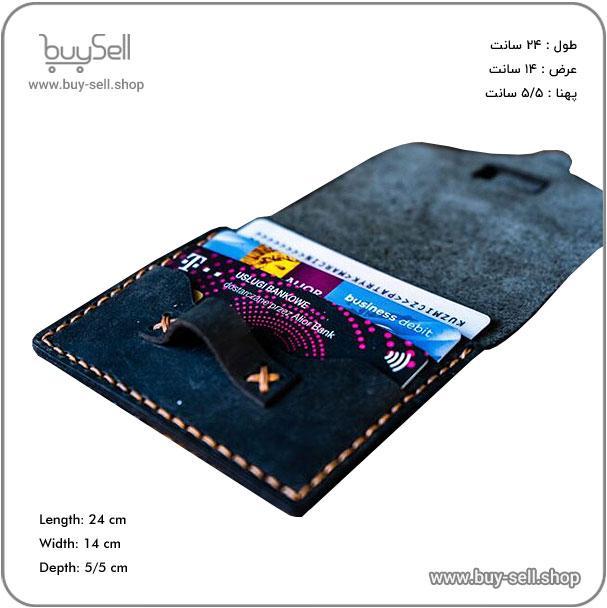
The beauty of minimalist leather goods lies in their unparalleled versatility. A simple leather tote or backpack can seamlessly transition from a professional office setting to a casual weekend outing. A sleek leather wallet or cardholder reduces bulk in a pocket while keeping essentials organized. The neutral color schemes ensure that these items complement virtually any wardrobe, acting as foundational pieces that tie an outfit together without competing for attention. This integration extends to home decor, where minimalist leather furniture, such as a clean-lined armchair or a simple ottoman, adds warmth and texture to a modern interior without creating visual clutter. The leather's ability to age and develop a patina means the item becomes uniquely personal, recording the story of its use and integrating itself into the owner's life narrative.
A common mistake when approaching minimalist leather is equating it with being plain or cheap. True minimalism is not about the absence of design but rather the refinement of it. A poorly made, simple-looking bag made from low-grade leather will not embody the principles of minimalism; it will simply be a low-quality product. The investment in craftsmanship is non-negotiable. Another pitfall is assuming that minimalist means a complete lack of character. On the contrary, the character is derived from the high-quality material and the way it evolves over time. When selecting a piece, it is crucial to look beyond the initial aesthetic and evaluate the quality of the hide, the robustness of the hardware, and the integrity of the stitching. Authentic minimalism results in a product that is both beautiful and profoundly functional.
The modern and minimalist trend in leather goods is more than a passing fashion statement; it is a reflection of a broader cultural shift towards intentionality, sustainability, and an appreciation for authentic craftsmanship. By stripping away the non-essential, these designs highlight the sublime qualities of leather as a material: its durability, texture, and unique aging process. This approach creates enduring pieces that defy trends, offering lasting value and a quiet sense of sophistication. As our lives become increasingly fast-paced and cluttered, the clarity and purpose embodied by minimalist leather goods provide a tangible connection to quality and timeless style, making them a wise and rewarding choice for the conscious consumer.
In the world of leathercraft, typography transcends its traditional definition as the art of arranging type. It is the deliberate use of letters, numbers, and symbols—carved, stamped, embossed, or debossed onto the leather surface—to create a powerful visual and tactile focal point. Unlike simply adding a name for identification, typography as a focal point leverages font choice, size, spacing, and placement to become the central narrative of the piece. It transforms an accessory from a generic object into a personalized statement, a branded artifact, or a piece of wearable art. The texture of the leather interacts with the texture of the type, creating a depth and richness that printed text on paper or screen can never replicate. This technique demands a shift in perspective, where the words themselves are treated as the primary design element, with the leather serving as the canvas that enhances their impact.
Successfully implementing typography requires a thoughtful approach and mastery of specific techniques. The goal is legibility, aesthetic harmony, and integration with the leather's character. Key considerations include:
The application of typographical focal points is vast and adaptable across various leather products. It adds significant value and personal connection. Consider these scenarios:
Even with the right tools, several common mistakes can undermine the effectiveness of your typographic design. Being aware of these pitfalls is the first step toward avoiding them.
Mastering the use of typography as a focal point elevates leathercraft from a simple trade to a form of expressive communication. It is a discipline that merges technical skill with artistic sensibility. A single, well-placed word or phrase, executed with precision and care, can define the entire character of a leather good. It adds a layer of meaning, personality, and undeniable quality that resonates with the user on a deeper level. By treating letters not just as information but as integral design components, the leather artisan creates pieces that are not only functional but also deeply personal and visually compelling, leaving a lasting impression long after the first glance.
Leather, in its essence, is a remarkably versatile material. Its natural texture, strength, and aging characteristics make it a favorite for functional goods. However, its true potential is unlocked when it is treated not just as a hide but as a canvas for artistic expression. Incorporating illustrative and artistic elements transforms a standard leather item into a unique piece of wearable or functional art. This process involves moving beyond traditional tooling and dyeing to embrace techniques that allow for detailed imagery, complex color palettes, and personal narratives. The goal is to elevate the object from a mere accessory to a storytelling medium, capturing everything from geometric patterns and floral motifs to intricate portraits and custom logos. This artistic approach appeals to a growing market that values individuality, craftsmanship, and the personal connection that comes with a one-of-a-kind item.
Several specialized methods enable artisans to apply detailed artwork to leather surfaces. Each technique offers a different aesthetic and requires a specific skill set, allowing for a wide range of creative possibilities.
Product purchase offer: Bracelet and accessory pattern

Successfully incorporating art into leather requires a deliberate process. It begins with concept development, where the artist and client collaborate on the design, considering the item's shape, size, and intended use. The artwork is then translated into a suitable format, whether it's a vector file for laser engraving, a sketch for hand-painting, or a design for a custom embossing die. The next critical step is leather preparation. The surface must be clean, smooth, and, for some techniques, dampened (casing) to ensure the medium adheres correctly and the results are crisp. After the artistic application, the piece must be properly finished. This almost always involves applying a protective topcoat or resolene to seal the artwork, protect it from scratches, moisture, and UV light, and ensure its longevity. This final step is non-negotiable for preserving the integrity of the visual elements.
Even with the right techniques, several pitfalls can compromise the final product. A common error is neglecting the importance of leather type. Different tannages and finishes accept paint and engraving differently; for instance, a heavily corrected-grain leather may not yield the same clean results as a full-grain or vegetable-tanned hide. Rushing the preparation or drying stages can lead to smudging, bleeding, or poor adhesion of the artwork. Another frequent mistake is using the wrong type of paint or ink, which can peel, crack, or feel stiff and plastic-like on the flexible leather surface. Finally, failing to apply a high-quality sealant leaves the artwork vulnerable to rapid wear and environmental damage, undoing all the careful work.
follow us in telegram & instagram
Incorporating illustrative and artistic elements into leather goods represents the beautiful fusion of age-old craft with modern creativity. It pushes the boundaries of what is possible with leather, allowing artisans to create deeply personal and expressive items that resonate on an emotional level. Whether achieved through the precision of a laser or the skilled hand of a painter, this artistic enhancement adds significant value and uniqueness. By understanding the available techniques, following a meticulous process, and avoiding common errors, creators can ensure that their artistic visions are not only realized but also endure as lasting testaments to the art of leatherworking.

 Saeede Bayat
May 04, 2025

 Buy Sell
Apr 20, 2025
 Saeede Bayat
Apr 28, 2025
 Saeede Bayat
Apr 23, 2025
 Buy Sell
Oct 25, 2025
Subscribe to the Buy Sell newsletter and enjoy its benefits.