


No products in the cart.

Discover why minimalist leather goods are the top trend of the year. Learn how to choose, style, and care for these timeless, elegant pieces.
Minimalist design in the context of leather goods is a philosophy that champions simplicity, function, and intentionality. It is not merely an aesthetic choice but a deliberate approach that strips away the non-essential to highlight the beauty of the material and the quality of the craftsmanship. This ethos is encapsulated by the principle of "less but better," where every stitch, cut, and detail serves a clear purpose. Unlike ornate designs that rely on excessive hardware, logos, or decorative elements, minimalist leather products focus on clean lines, uncluttered surfaces, and timeless silhouettes. The goal is to create items that are not only visually appealing but also enduring, transcending fleeting fashion cycles to become lasting staples in one's personal collection.
The ascent of minimalist leather design is deeply intertwined with broader cultural movements. A significant driver is the growing consumer consciousness around sustainability and mindful consumption. In an era of fast fashion and disposable products, many individuals are seeking out goods that are built to last. A minimalist leather bag or wallet, crafted from high-quality full-grain leather, inherently opposes the throwaway culture by being a durable, long-term investment. This aligns with the "buy less, buy better" mentality, where the value is placed on longevity and timeless appeal rather than quantity. Furthermore, the minimalist trend reflects a societal shift towards simplicity and decluttering in all aspects of life, from home organization (influenced by philosophies like Marie Kondo's) to digital detoxes. Leather goods that are simple, functional, and elegant complement this desire for a less chaotic, more intentional lifestyle.
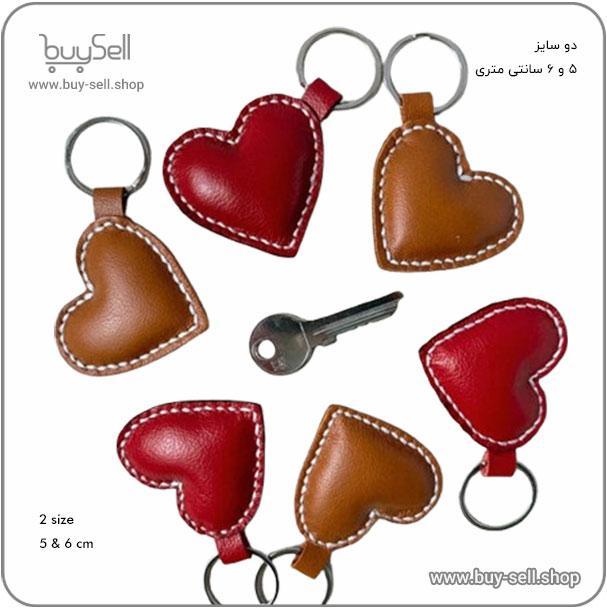
Product purchase offer: leather keychain patterns
Identifying a truly minimalist leather product goes beyond its color. Certain key characteristics define this style. First and foremost is the form factor; shapes are often geometric and structured, yet soft and organic due to the nature of the leather. Think of a simple tote, a sleek bifold wallet with minimal pockets, or an unadorned crossbody bag. Secondly, the hardware is kept to an absolute minimum. Zippers, clasps, and buckles are chosen for their functionality and understated elegance, often in finishes like brushed nickel or matte black that do not draw undue attention. The leather itself is the star. Minimalist designs frequently use vegetable-tanned or full-grain leathers that develop a rich patina over time. This aging process adds a unique, personal character to the item, making its simplicity even more compelling as it tells the story of its use.
A common mistake is equating minimalist design with being plain or cheap. On the contrary, because there is nothing to hide behind, the quality of materials and construction becomes paramount. A poorly made minimalist bag will highlight its flaws instantly. Another misconception is that minimalist means devoid of character. The character in a minimalist piece is not added on; it is inherent in the leather's natural markings and emerges over years of use through the development of a rich patina. Consumers should also avoid the pitfall of associating minimalism solely with a specific color like black or beige. While neutral tones are common, the principle is about the design's purity. A minimalist design can be executed in a bold color if the form and function remain clean and uncluttered.
The rise of minimalist design in leather goods is more than a passing trend; it is a reflection of a more considered approach to living and consuming. By focusing on essential qualities—superb materials, impeccable craftsmanship, and purposeful design—these items offer a sense of calm and reliability in a chaotic world. They reject the noise of excessive branding and decorative fuss, allowing the innate beauty and durability of leather to take center stage. As a result, a minimalist leather accessory is not just a functional object but a thoughtful companion that gains value and character with age, embodying a philosophy of simplicity that is both modern and timeless.
Minimalism in fashion is not about deprivation; it is a deliberate choice to focus on quality, functionality, and timeless design. When applied to leather goods, this philosophy elevates everyday items from mere accessories to foundational elements of a personal style. The goal is to build a curated collection where each piece serves a distinct purpose, crafted from the finest materials to ensure it lasts for years, if not decades. This approach stands in stark contrast to fast fashion, where quantity often overshadows quality. A minimalist leather item is characterized by clean lines, a lack of excessive branding or ornamentation, and a neutral color palette that provides maximum versatility. Investing in such pieces means investing in a wardrobe that is cohesive, reliable, and inherently stylish, reducing decision fatigue and promoting a more intentional way of living.
A minimalist leather collection can be built around five essential items. These pieces form the backbone of a versatile wardrobe, seamlessly transitioning from professional settings to casual outings. The key is to select each item in a complementary color and with a consistent aesthetic—such as a focus on vegetable-tanned leathers that develop a rich patina over time.
The essence of minimalist leather lies in the quality of the material itself. Understanding basic leather terminology is crucial for making an informed investment. The two primary types of leather you will encounter are full-grain and top-grain. Full-grain leather is the highest quality, made from the outermost layer of the hide. It retains the natural grain, including imperfections, which makes each piece unique. This type of leather is exceptionally durable and develops a rich patina—a sheen that deepens with use—over time. Top-grain leather is slightly sanded and finished to remove imperfections, making it more uniform and supple, but slightly less durable than full-grain.
Another critical distinction is in the tanning process. Vegetable-tanning is a traditional, eco-friendly method using natural tannins found in tree bark and other plant matter. This process is slower and more expensive but results in a firm, biodegradable leather that ages beautifully. Chrome-tanning, which uses chromium salts, is faster and produces a softer, more water-resistant leather available in a wider range of colors. For minimalist pieces intended to last, full-grain, vegetable-tanned leather is often the gold standard. Finally, examine the construction. Look for sturdy stitching, secure hardware, and reinforced stress points. These details are the hallmarks of a piece built to endure.
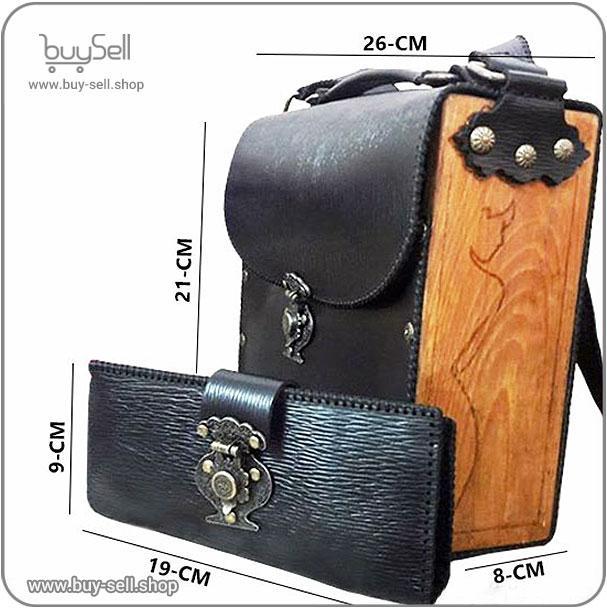
Product purchase offer: Leather shoulder bag and wallet set pattern
The journey toward a minimalist leather wardrobe can be undermined by a few common errors. Being aware of these pitfalls will help you make choices you will be happy with for years to come. The first mistake is prioritizing trends over timelessness. A minimalist piece should be classic enough to remain stylish regardless of changing fashions. Avoid loud colors, exaggerated shapes, or prominent logos that will feel dated in a few seasons.
The second mistake is confusing minimalism with cheapness. True minimalism is an investment. Opting for a low-cost, poorly made item made from bonded or genuine leather (a misleading term for low-quality leather) will result in a product that cracks, fades, and needs replacement quickly, contradicting the sustainable principle of "buy less, but better." The third mistake is neglecting proportion and scale. A massive tote bag might not suit a petite frame, while a tiny crossbody may be impractical for someone who carries more daily essentials. Always consider your lifestyle and body type when selecting the size and style of each piece.
Embracing essential minimalist leather pieces is a commitment to a more deliberate and refined approach to personal style. It shifts the focus from owning many items to cherishing a few exceptional ones. This curated collection of a tote, a crossbody, a wallet, a belt, and a pair of shoes, all chosen for their superior quality, timeless design, and functional elegance, provides a solid foundation for a versatile wardrobe. By understanding leather quality and avoiding common curation mistakes, you build a collection that not only looks good but also stands the test of time. In the end, these pieces become more than accessories; they are reliable companions that tell a story of thoughtful consumption and enduring style.
Minimalism in leather accessories is defined by a deliberate focus on essential elements: clean lines, high-quality materials, and functional design. It strips away excessive logos, ornate hardware, and unnecessary detailing to highlight the inherent beauty of the leather itself. The philosophy is about intentionality, choosing one perfect piece that serves a purpose and complements your style without overwhelming it. True minimalist leather goods are characterized by their craftsmanship and timelessness. A minimalist leather bag, for instance, won't be covered in studs or multiple zippers; instead, it might feature a single, elegant silhouette crafted from full-grain leather that develops a rich patina over time. The goal is to invest in pieces that are versatile, durable, and inherently stylish, transcending fleeting fashion trends.
Building a wardrobe with minimalist leather accessories relies on a few fundamental principles. Adhering to these guidelines ensures your choices remain cohesive, elegant, and effective.
The true power of minimalist leather accessories lies in their versatility. They are the workhorses of a well-considered wardrobe, easily transitioning between different settings and styles. Here are some practical ways to incorporate them.
For a smart-casual office environment, a sleek leather briefcase or a structured tote in black or cognac brown can elevate a simple blazer and trousers combination. Pair it with a matching leather belt and understated Derby shoes or loafers for a polished, cohesive look. The accessories communicate professionalism without being loud or distracting. For weekend casual wear, minimalist leather pieces add a touch of refined style to relaxed outfits. A simple leather watch strap, a thin leather bracelet, and a minimalist crossbody bag can instantly upgrade a basic t-shirt and jeans ensemble. The key is to keep the leather tones complementary; for example, a tan leather bag pairs beautifully with blue denim and white sneakers.
In the evening, minimalist leather accessories provide a subtle yet powerful finishing touch. A black leather clutch with a minimalist clasp is far more elegant than a beaded or sequined alternative. For men, a slim black leather wallet and sophisticated watch are all that's needed to complete a suit or a dark blazer. The simplicity of the leather ensures the focus remains on you and your overall presentation.
While styling minimalist accessories is straightforward, a few common mistakes can undermine the intended effect. Being aware of these pitfalls will help you maintain a clean and intentional aesthetic.
Ultimately, styling minimalist leather accessories is a journey toward building a timeless and personal wardrobe. It encourages a shift in mindset from chasing trends to appreciating enduring quality and deliberate design. By focusing on a few, well-chosen pieces, you create a foundation of accessories that work tirelessly for you. This approach is not only stylish but also sustainable, as high-quality leather goods age gracefully, becoming more unique with every use. The patina that develops on a minimalist leather wallet or bag tells a story of your experiences, making the accessory uniquely yours. Embrace the simplicity, invest in craftsmanship, and let the understated elegance of minimalist leather elevate your everyday style with confidence and ease.
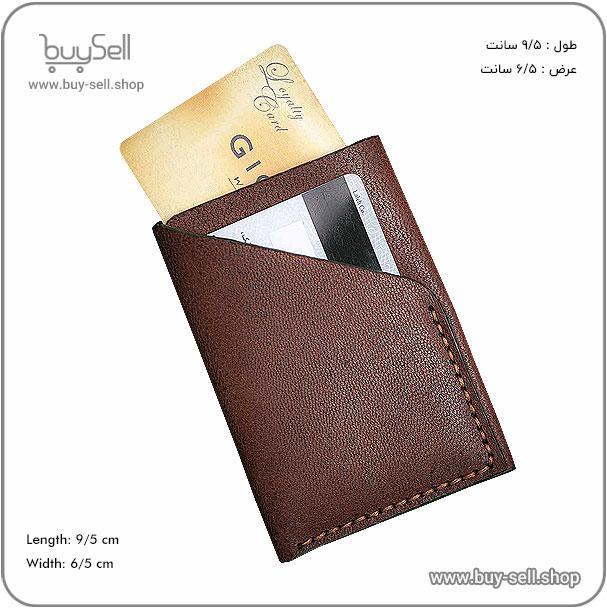
Product purchase offer: Leather card holder pattern
Minimalism is often misunderstood as simply owning fewer things. In the realm of leather goods, it is a more profound philosophy centered on intentionality, quality, and longevity. It means shifting the focus from quantity to quality, from fleeting trends to timeless design, and from disposable fashion to enduring value. A minimalist approach to leather involves carefully selecting items that serve a clear purpose, are exceptionally well-made, and possess a versatile aesthetic that transcends seasonal changes. It is about building a curated collection of pieces that you genuinely love and use, rather than amassing a closet full of items that provide only temporary satisfaction. This mindset applies equally to a wallet, a briefcase, a jacket, or a pair of shoes. The goal is to have fewer, better things that simplify your daily life and reduce decision fatigue.
When you adopt a minimalist approach, you naturally gravitate towards high-quality, full-grain leather. Unlike cheaper, corrected-grain leathers that are sanded down and coated with artificial layers, full-grain leather retains the hide's strongest, most durable part—the outer surface. This means it is more resistant to scuffs and scratches and, most importantly, it develops a rich, unique patina over time. Patina is the characteristic darkening and softening of the leather caused by oils from your hands and exposure to the elements; it is a visual history of the item's journey with you. Because a minimalist piece is designed for daily use over decades, not just a few seasons, the cost-per-use becomes incredibly low. While the initial investment is higher, a single, well-crafted leather bag that lasts 20 years is far more economical and sustainable than replacing five lower-quality bags over the same period.
A key benefit of minimalist leather goods is their inherent versatility. These items are typically designed with clean lines, neutral colors (like classic brown, black, or tan), and a lack of overt branding. This aesthetic allows a single piece to seamlessly integrate into various aspects of your life. A minimalist leather backpack can transition from a professional office setting to a casual weekend outing without looking out of place. A simple leather wallet or watch strap complements any outfit. This versatility reduces what psychologists call "decision fatigue"—the deteriorating quality of decisions made after a long session of choice-making. By owning fewer, more adaptable items, you streamline your daily routine. You spend less mental energy deciding which bag to use or which wallet matches your attire, freeing up cognitive resources for more important decisions.
Choosing a minimalist path with leather goods is inherently a more sustainable and often more ethical choice. The fast-fashion model, which encourages frequent disposal and replacement, has a significant environmental cost in terms of waste, water usage, and chemical pollution. By investing in one high-quality item that lasts for decades, you dramatically reduce your consumption footprint. Furthermore, brands that produce minimalist, heirloom-quality leather goods are more likely to prioritize transparent and ethical sourcing. They often work with tanneries that adhere to stricter environmental standards, such as those certified by the Leather Working Group, and are more conscious of their supply chain. This mindful approach to consumption aligns with a broader respect for resources, craftsmanship, and the artisans behind the products.
Minimalism in leather is not about austerity; it is about curation and meaning. When you own fewer possessions, each one carries more weight and significance. The scratches, marks, and patina that develop on a minimalist leather item tell your personal story. It becomes uniquely yours, a testament to your experiences. This process fosters a deep emotional connection that is impossible to achieve with mass-produced, disposable items. Instead of your style being defined by the latest trends, it becomes a reflection of your values—appreciating craftsmanship, longevity, and simplicity. This approach cultivates a more authentic and confident personal style, free from the constant pressure to consume.
The benefits of a minimalist approach to leather goods extend far beyond the physical items themselves. It is a holistic practice that promotes financial prudence through long-term value, reduces daily stress through simplicity, supports environmental sustainability, and enriches your life through meaningful ownership. By choosing quality over quantity, you invest in pieces that not only serve a functional purpose but also become cherished companions on life's journey. In a world of excess, the minimalist path offers a refreshing and rewarding alternative, proving that sometimes, less truly is more.
Minimalist leather goods are defined by their clean lines, high-quality materials, and absence of superfluous detail. This philosophy extends directly to their care. The goal is not to alter the leather with heavy products or aggressive techniques, but to preserve its inherent character and develop a graceful patina over time. Proper care enhances the natural beauty of the hide, allowing the story of its use to show in a subtle, elegant way. Unlike treated or painted leathers, minimalist pieces often feature full-grain or top-grain leathers that are more susceptible to environmental factors but also more rewarding to maintain. Understanding that care is an integral part of the minimalist aesthetic is the first step toward ensuring your items last for decades.
The cornerstone of preserving minimalist leather is consistent, gentle maintenance. Begin by keeping your items clean. After each use, wipe down bags, wallets, and accessories with a soft, dry, lint-free cloth to remove surface dust and dirt. For weekly care, a slightly damp cloth can be used, but it's crucial to avoid soaking the leather. Always allow the item to air dry naturally away from direct heat sources. For spills, blot immediately—do not rub—to prevent the stain from setting. Because minimalist designs lack excessive hardware or embellishments, cleaning is straightforward, focusing solely on the leather's surface. This routine prevents the accumulation of grime that can break down the leather's fibers and dull its finish over time.
Leather, like skin, can dry out and lose its suppleness. Conditioning is the process of replenishing the natural oils that keep leather soft and prevent cracking. For minimalist goods, a high-quality, pH-neutral leather conditioner is essential. Apply a small amount to a clean cloth and work it into the leather using gentle, circular motions. Let the conditioner absorb fully, often for several hours or overnight, before wiping off any excess with a dry cloth. The frequency of conditioning depends on climate and use; items in dry climates may need it every three to six months, while those in humid environments might require it less often. Over-conditioning can saturate the leather, so it's important to observe how the leather responds and adjust your schedule accordingly.
How you store your minimalist leather goods is as important as how you clean them. Improper storage can lead to permanent creases, color transfer, or moisture damage. Always store items in a cool, dry place away from direct sunlight, which can cause fading and drying. For bags, stuff them with acid-free tissue paper or a soft cloth to help them retain their shape; avoid using newspaper, as the ink can transfer. Do not store leather goods in plastic bags, as this traps moisture and can lead to mildew. Instead, use a breathable fabric dust bag, which is often provided with high-quality items. By creating an ideal storage environment, you protect the structural integrity and color of your minimalist pieces during periods of non-use.
Even with careful use, minimalist leather can acquire minor scratches or stains. The good news is that on quality full-grain leather, superficial scratches often blend into the patina over time, adding character. For deeper scratches, a small amount of conditioner rubbed gently into the area can help minimize their appearance. For water stains, allow the spot to dry completely; often, the mark will disappear. If it persists, a light conditioning may even out the leather's tone. It is vital to avoid using harsh chemicals, soaps, or silicone-based products, as they can strip the leather's natural finish and damage it permanently. For significant damage, consulting a professional leather restorer is always the safest course of action.
The ultimate reward for diligently caring for your minimalist leather is the development of a rich, unique patina. Patina is the gentle darkening and softening of the leather's surface that occurs naturally with age and handling. It is a visual record of an item's journey and is highly prized in minimalist design, as it enhances the object's authenticity and soul. This evolution makes each piece truly one-of-a-kind. By following a consistent care regimen, you are not just maintaining an object; you are participating in a process that adds value and depth. A well-cared-for minimalist leather good transcends being a mere accessory and becomes a timeless companion, its beauty deepening with each passing year.

 Saeede Bayat
May 04, 2025
 Buy Sell
Apr 20, 2025
 Saeede Bayat
Apr 28, 2025
 Saeede Bayat
Apr 23, 2025
 Buy Sell
Oct 25, 2025
Subscribe to the Buy Sell newsletter and enjoy its benefits.