


No products in the cart.

Discover 20 in-demand leather craft training manuals that cater to constant customer interest and provide a steady revenue stream for creators.
Leather is a durable and flexible material created by tanning animal rawhides and skins, most commonly from cattle. The key to transforming a perishable skin into a long-lasting material is the tanning process. This process uses chemical agents known as tannins to stabilize the protein structure of the skin, making it resistant to decay, water, and heat. The result is a versatile material prized for its strength, beauty, and unique ability to develop a patina—a desirable sheen or character that deepens with age and use. It is crucial to understand that not all leather is created equal. The quality, characteristics, and appropriate uses of leather vary dramatically based on the animal source, the part of the hide used, and, most importantly, the tanning and finishing methods employed.
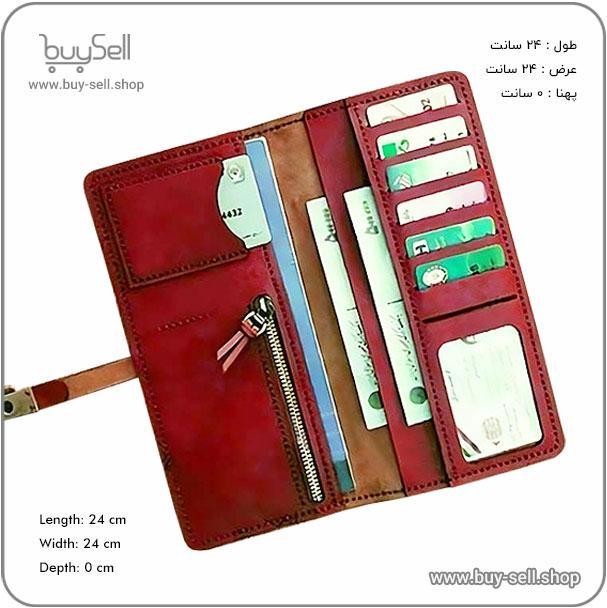
Product purchase offer : Leather wallet pattern
Navigating the different types of leather is the first step in making an informed purchase. The primary classification is based on the layer of the hide used. Full-grain leather is the highest quality, featuring the entire, unaltered grain layer of the hide, including natural markings like pores and scars. It is the strongest and most durable type and develops the best patina over time. Top-grain leather is the second-highest grade. It has been lightly sanded to remove the outermost surface and its imperfections, resulting in a softer, more uniform material that is thinner and more pliable than full-grain. It is often finished with a protective coating. Genuine leather is a term that can be misleading. Technically, it refers to a lower-grade leather where the top layer has been split away, and the remaining layers are used. It is less durable than top or full-grain options. Finally, bonded leather is a recycled product made from leather scraps bonded together with polyurethane or latex onto a fiber mesh. It is the least durable and authentic option.
Proper care is essential to preserve the beauty and extend the lifespan of your leather goods. The first rule of leather care is to always check the manufacturer's instructions, as treatments can vary based on the type of leather and its finish. However, some general principles apply. Regular dusting or vacuuming (for furniture) prevents abrasive dirt from grinding into the surface. Conditioning is critical for maintaining the leather's natural oils and preventing it from drying out, which can lead to cracking. Use a conditioner specifically designed for your type of leather (e.g., an oil-based conditioner for full-grain, a lighter cream for finished top-grain). Protect your items from prolonged direct sunlight and heat sources, which can cause fading and drying. For spills, immediately blot (do not rub) the liquid with a clean, absorbent cloth. Allow the item to air dry away from direct heat.
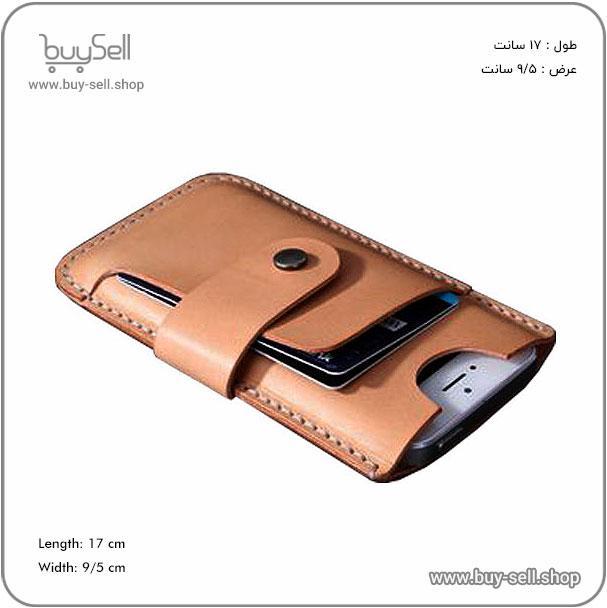
Product purchase offer : Leather Phone Case Pattern
When new to leather, it's easy to make well-intentioned errors that can damage your items. A frequent mistake is using the wrong cleaning or conditioning product. For example, using a harsh saddle soap on a delicate aniline-dyed leather can strip its color and natural oils. Similarly, using silicone-based sprays on high-quality leather can clog its pores and prevent it from breathing. Another common error is neglecting regular maintenance. Waiting until leather looks dry or dirty before caring for it often means the damage has already begun. Prevention is easier than restoration. Storing leather in plastic bags or non-breathable containers is also a mistake, as it traps moisture and can lead to mold and mildew growth. Always store leather in a cool, dry place inside a breathable cloth bag.
Armed with basic knowledge, you can confidently approach your first significant leather purchase. Start by assessing your needs. Is durability the top priority, or is aesthetic uniformity more important? This will guide you toward full-grain or top-grain leather, respectively. Always inspect the item closely. Look for consistent coloring and stitching. For full-grain leather, expect and appreciate natural markings; their absence might indicate a heavily corrected leather. Don't hesitate to ask the retailer specific questions: "Is this full-grain or top-grain leather?" "What is the recommended care routine?" Finally, consider the long-term. A high-quality leather item is an investment. It may have a higher initial cost, but its durability and ability to age gracefully often make it more economical and satisfying over time compared to lower-quality alternatives that need frequent replacement.
Understanding leather is a rewarding pursuit that enhances your appreciation for a timeless material. By grasping the fundamental differences between leather types, committing to a simple maintenance routine, and avoiding common pitfalls, you are well-equipped to select, use, and care for leather goods that will last for years, if not decades. This beginner's guide provides a solid foundation. As you gain experience, you will develop a deeper understanding of leather's nuances, allowing you to make even more informed choices and truly enjoy the unique character and longevity that quality leather offers.
In the world of leathercraft, an Advanced Technique Handbook is more than just a book of instructions; it is a comprehensive guide designed to elevate a craftsman's skill from intermediate proficiency to a master level. These handbooks delve into the intricate, often complex methods that are not covered in foundational tutorials. They serve as a bridge between basic competency and true artistry, providing detailed explanations, step-by-step procedures, and the underlying principles of sophisticated leatherworking. The content is typically curated by seasoned artisans and experts who have dedicated years to perfecting their craft, making these resources invaluable for anyone serious about achieving excellence in leatherwork.
Advanced handbooks systematically break down complex techniques into manageable learning modules. They focus on precision, consistency, and the subtle nuances that define high-quality leather goods. Key areas of focus typically include:
Even experienced crafters can fall into traps when attempting advanced techniques without proper guidance. A high-quality handbook anticipates these errors and provides clear strategies for prevention. One frequent mistake is rushing the preparation phase, such as insufficiently casing the leather before tooling, which leads to poor definition in the carved design. Another common error is using the wrong type of leather for a specific technique; for instance, attempting wet-molding with a non-malleable leather will result in failure. Handbooks provide essential checklists to guide material selection and process readiness. They emphasize the importance of patience, proper tool maintenance, and creating test pieces before working on a final project. By learning from the documented experiences of masters, crafters can sidestep costly and time-consuming errors.
An Advanced Technique Handbook is not meant to be read once and shelved. Its true value lies in its role as a long-term reference and a catalyst for continuous improvement. These guides encourage a methodical approach to learning, where each technique is practiced repeatedly until mastered. They often include project-based learning, where a series of progressively challenging projects incorporate the new skills. This structured practice builds muscle memory and deepens understanding. Furthermore, these handbooks often explain the "why" behind the "how," giving crafters the theoretical knowledge to adapt and innovate rather than just replicate. This transforms a hobbyist into a true artisan capable of solving complex design problems and creating unique, heirloom-quality pieces.
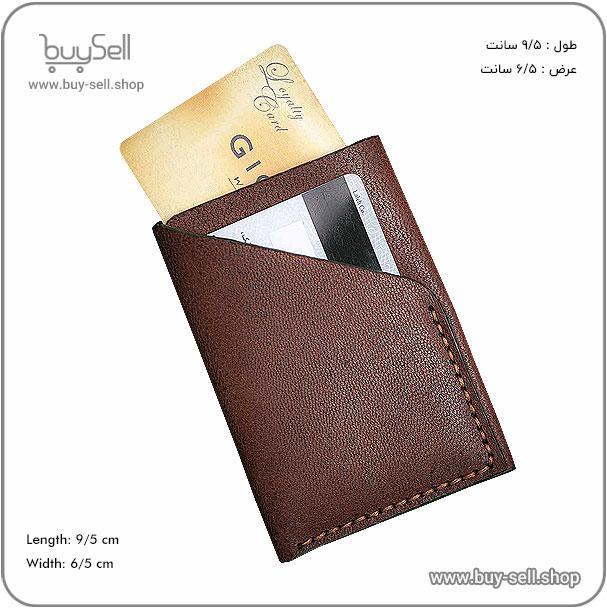
Product purchase offer : Leather card holder pattern
Investing in a well-written Advanced Technique Handbook is one of the most significant steps a leatherworker can take toward achieving mastery. It provides a structured, expert-led path through the complexities of the craft that would be difficult to navigate through trial and error alone. These resources consolidate generations of knowledge, offering clear, logical explanations and proven methodologies. By dedicating time to study and practice the contents of such a handbook, a craftsman gains not only new skills but also the confidence to tackle ambitious projects. Ultimately, these handbooks are essential tools for anyone committed to transforming their passion for leather into a professional-level art form.
Specialized project tutorials are in-depth, step-by-step guides focused on crafting specific leather goods that require advanced techniques and a deeper understanding of materials and tools. Unlike beginner tutorials that cover foundational skills like stitching a simple card holder, these tutorials dive into complex constructions, precision patterning, and specialized finishing methods. They are designed for the intermediate to advanced leathercrafter who has mastered the basics and is ready to tackle projects with multiple components, intricate designs, or specific functional requirements. These guides are crucial for building expertise, as they not only show you how to create a particular item but also explain the reasoning behind each step, teaching you how to problem-solve and adapt techniques to future projects.
A high-quality specialized tutorial is more than just a list of steps. It is a comprehensive educational resource built on several key components. First, it begins with a detailed material and tool list, specifying not just the type of leather (e.g., vegetable-tanned bridle leather for a briefcase), but also the precise weight or thickness, and any specialized tools like skiving knives, pricking irons, or edge creasers. Second, it includes accurate patterns or precise measurements, often with guidance on how to modify them for a custom fit. Third, it provides clear, high-resolution photographs or diagrams for every critical step, showing details like stitch direction, edge burnishing stages, and hardware installation. Finally, a great tutorial anticipates challenges and offers troubleshooting tips, explaining what to do if a stitch goes awry or an edge doesn't burnish smoothly.
Even experienced crafters can encounter setbacks when tackling specialized projects. One of the most common mistakes is underestimating the importance of material selection. Using leather that is too thin or too soft for a structured bag, for example, will result in a product that lacks shape and durability. Another frequent error is skipping the "mock-up" or prototyping phase. Creating a version from cheap fabric or scrap leather allows you to test the pattern and fit before cutting into your expensive hide. Rushing through critical steps like edge preparation is another pitfall; poorly skived or burnished edges can detract from an otherwise beautifully constructed piece. Finally, a lack of patience with adhesive setting times or finishing products can lead to seams that weaken or finishes that appear blotchy.
To illustrate the process, consider following a tutorial for a custom leather briefcase. This project embodies the need for specialization. You would start by carefully analyzing the tutorial's pattern to understand how the gussets, main panel, and handle are integrated. The tutorial would guide you through selecting a firm, 4-5 oz vegetable-tanned leather capable of holding its shape. Key steps would include precise skiving of the leather edges where multiple layers meet to reduce bulk, careful installation of robust hardware like solid brass locks and hinges, and the meticulous process of pocket construction. The tutorial would emphasize techniques for achieving straight, consistent stitching over long distances and methods for creating a high-gloss, durable edge finish that withstands daily use. Successfully completing such a project builds immense confidence and a transferable skill set for other large-scale items like duffel bags or travel cases.
Specialized project tutorials are the bridge between competency and mastery in leatherworking. They provide a structured path to acquiring advanced skills by applying fundamental techniques to complex, real-world objects. By carefully following these detailed guides, understanding the rationale behind each decision, and learning from inevitable mistakes, a leathercrafter develops not just the ability to replicate a project, but also the critical thinking and technical prowess to design and execute their own unique creations. The journey through specialized tutorials transforms a hobbyist into an artisan, equipped with the knowledge to tackle any leatherworking challenge with confidence and skill.
Before launching any marketing campaign for your leather training materials, it is crucial to define your target audience with precision. The leathercraft community is diverse, ranging from absolute beginners to seasoned artisans. Your marketing message will resonate differently with each group. For instance, beginners seek clarity, reassurance, and step-by-step guidance. They are looking for materials that demystify the craft, covering fundamentals like tool selection, basic stitching techniques, and simple project tutorials. In contrast, intermediate or advanced leatherworkers are interested in specialized skills—such as advanced pattern making, intricate tooling, exotic leather handling, or business development for their craft. By creating detailed buyer personas, you can tailor your content, language, and promotional channels to address the specific pain points and aspirations of your ideal student. This foundational step ensures your marketing efforts are targeted, efficient, and effective.
A value proposition is a clear statement that explains how your training materials solve your audience's problems, the specific benefits they will receive, and what distinguishes your offerings from competitors. In the context of leathercraft, a weak value proposition might be, "Learn how to work with leather." A strong one is more specific and benefit-oriented: "Master the art of hand-stitched leather goods with our video course, designed for beginners to create professional-quality wallets in just four weeks, even with limited tools." This statement highlights the outcome (professional-quality wallets), the timeframe (four weeks), and addresses a common barrier (limited tools). Your value proposition should be prominently displayed on your website, in your social media bios, and in all advertising copy. It is the core message that convinces a potential customer that your materials are the best solution for their needs.
Content marketing is an invaluable strategy for establishing yourself as a trusted authority in the leathercraft niche. Instead of directly selling your courses, you provide free, high-value content that attracts and engages your target audience. This builds trust and demonstrates your expertise. Effective content marketing tactics include:
By consistently delivering valuable content, you create a relationship with potential customers, making them more likely to invest in your premium training when they are ready.
Not all marketing channels will be equally effective for promoting leathercraft training. Your choice should align with where your target audience spends their time online. Key channels to consider include:
A multi-channel approach is often most effective, but it's better to master one or two channels initially than to spread yourself too thin across all of them.
Even with a great product, marketing missteps can hinder success. Be mindful of these common pitfalls. First, avoid being overly salesy. The leathercraft community values authenticity. Focus on building genuine connections rather than making hard sells. Second, do not neglect the power of social proof. Testimonials, reviews, and photos of your students' completed projects are incredibly persuasive. Feature them prominently on your sales pages and social media. Third, failing to showcase the quality of your content is a critical error. If you're selling video courses, ensure the production quality is high. Provide clear, detailed descriptions of the curriculum and learning outcomes. Finally, inconsistency can derail your efforts. A sporadic social media presence or an abandoned blog signals a lack of commitment. Develop a sustainable content calendar and stick to it to maintain engagement and build a loyal following.
Marketing your leather training materials is an ongoing process of building relationships and demonstrating value. It begins with a deep understanding of your audience and a compelling value proposition. By leveraging content marketing to establish authority and strategically using the right channels to reach potential students, you can create a sustainable stream of enrollments. Remember to avoid common mistakes by prioritizing authenticity, social proof, and consistency. Ultimately, effective marketing transforms your expertise into a valuable resource that empowers others to learn and excel in the timeless craft of leatherworking, building a reputable and profitable educational brand in the process.
In a field as tactile and detail-oriented as leathercraft, resting on your laurels is not an option. The market is dynamic, with evolving customer tastes, new material technologies, and fresh design trends constantly emerging. Investing in high-quality training manuals is not merely an initial step for a beginner; it is a strategic commitment to continuous improvement for any serious artisan or business owner. These manuals serve as permanent references for refining foundational skills like saddle stitching and edge finishing, while also providing a structured path to acquiring advanced techniques. By systematically building upon your knowledge, you ensure that the quality and sophistication of your work continue to rise, setting you apart from competitors who may have plateaued. This dedication to lifelong learning is the single greatest predictor of long-term viability, transforming a simple hobby into a sustainable and profitable enterprise capable of adapting to future market demands.
Exceptional craftsmanship is the foundation of a leatherworking business, but it is not the entire structure. To ensure lasting relevance, an artisan must also master the fundamentals of business. The most profitable training manuals go beyond stitch techniques and pattern making; they delve into pricing strategies, cost analysis, brand storytelling, and customer relationship management. Understanding how to accurately calculate your labor and material costs, known as your cost of goods sold, prevents underpricing and ensures profitability. Learning effective marketing principles allows you to communicate the unique value of your handcrafted goods to the right audience. By marrying technical skill with business intelligence, you create a resilient operation. You are no longer just a craftsperson reacting to orders but a savvy entrepreneur proactively shaping your brand's future, capable of navigating economic shifts and identifying new opportunities for growth and diversification.
A key challenge for any creative business is balancing contemporary trends with timeless design. A training library that focuses exclusively on fleeting fashions will quickly become obsolete. Conversely, one that ignores all modern developments risks appearing dated. The most valuable manuals teach the core principles of enduring design—proportion, functionality, and quality—which are the hallmarks of timeless leather goods that customers cherish for decades. Alongside this, they offer guidance on how to thoughtfully incorporate current trends, such as new color palettes, hardware finishes, or sustainable material choices, into your classic designs. This approach allows your business to remain fresh and exciting without compromising the heirloom quality that defines true craftsmanship. It enables you to attract new customers with contemporary flair while retaining a loyal clientele who value durability and classic style, thus future-proofing your product line against the whims of fast fashion.
follow us in telegram & instagram
Long-term relevance is intrinsically linked to sustainability, both in an environmental and a business sense. Modern training resources increasingly address the importance of sourcing ethical and eco-friendly leathers, such as vegetable-tanned hides, and implementing waste-reduction practices in the workshop. Adopting these sustainable methods is not just an ethical choice; it is a powerful marketing tool that resonates with a growing segment of conscious consumers. From an operational standpoint, scalability is crucial. Profitable manuals provide frameworks for streamlining your production process through workflow optimization, batch production, and perhaps even training an apprentice. They guide you on when and how to invest in more efficient tools without over-leveraging your finances. By building a business model that is both environmentally responsible and operationally efficient, you create a brand that is built to last, capable of growing sustainably without sacrificing the integrity of your craft or the health of your business.

 Saeede Bayat
May 04, 2025

 Buy Sell
Apr 20, 2025
 Saeede Bayat
Apr 28, 2025
 Saeede Bayat
Apr 23, 2025
 Buy Sell
Oct 25, 2025
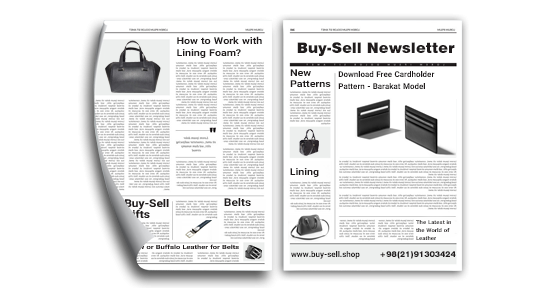
Subscribe to the Buy Sell newsletter and enjoy its benefits.