


No products in the cart.

Discover why selling digital design files is projected to be one of the most lucrative online businesses from 2026-2027. Learn the benefits and strategies to maximize your income.
The venerable craft of leatherworking is undergoing a profound modernization, significantly influenced by the rapid growth of the digital design market. This shift is more than just adopting new technology; it fundamentally alters how leather products are conceptualized, developed, and brought to market. Historically, design relied on labor-intensive manual sketching and physical prototyping, a process that was both time-consuming and resource-heavy. Today, advanced digital design software, 3D modeling, and virtual visualization tools are revolutionizing these stages, offering unprecedented precision, speed, and creative freedom. This digital paradigm allows designers to experiment with complex aesthetics, textures, and finishes without immediate material investment, accelerating innovation and reducing time-to-market in a rapidly evolving consumer landscape.
Digital design tools have fundamentally transformed early product development in leather, transitioning from manual methods to highly efficient virtual workflows. Computer-Aided Design (CAD) software enables meticulous creation of patterns, templates, and 3D models for items ranging from handbags to footwear. Designers can manipulate dimensions, alter silhouettes, and visualize various leather types and colors within a virtual environment. This iterative process drastically minimizes the need for physical prototypes, resulting in significant savings in material costs and time. High-fidelity 3D rendering capabilities generate photorealistic images of products before their physical existence, invaluable for internal reviews, stakeholder presentations, and preliminary marketing, fostering collaboration across teams.
Beyond basic modeling, specialized software simulates critical material properties for leather. These programs accurately mimic the drape, stiffness, and unique texture of different hides. This allows designers to virtually assess how cutting techniques, stitching, and finishing will affect a product's final appearance and functionality, optimizing both aesthetics and manufacturing. Advanced pattern-nesting algorithms intelligently arrange pattern pieces on a virtual hide, minimizing waste—a crucial factor for cost-efficiency and sustainability. This precision and adaptability inherent in digital design are instrumental in streamlining the entire product development pipeline, ensuring greater accuracy and faster iteration cycles.
Product purchase offer: leather keychain patterns

The expansion of the digital design market has revolutionized customization and consumer engagement within the leather industry. Digital platforms now enable brands to offer highly personalized products at scale. Customers can actively participate in the design process online, selecting specific leather types, colors, hardware, and even personalized engravings, all rendered in real-time through advanced visualization engines. This transforms the purchasing journey into an interactive design experience. For luxury leather goods, where individuality is paramount, digital configurators simplify communicating complex custom orders, ensuring accurate translation of a client's unique vision and boosting consumer confidence and satisfaction.
Digital designs also serve as powerful, cost-effective marketing assets. High-quality 3D renders and virtual product showcases reduce the need for extensive physical photo shoots for every variation, offering significant time and budget savings. These versatile assets are easily deployed across e-commerce sites, social media, and immersive digital showrooms, presenting leather collections dynamically. Augmented Reality (AR) applications further engage consumers, allowing them to virtually 'try on' accessories or place furniture in their own environments via smartphones. This blend of digital and physical interaction attracts new customers and strengthens loyalty, providing convenient and personalized ways to discover and acquire leather goods.
The digital design market’s growth is a significant catalyst for improving efficiency and promoting sustainability throughout the leather industry. By moving much of the design and prototyping workflow from physical to virtual, businesses drastically reduce their consumption of raw materials, energy, and chemicals typically used for samples. This reduction in physical waste directly contributes to a more environmentally responsible operational footprint. Precise digital pattern layouts optimize hide utilization, minimizing scrap leather during cutting. This optimization is vital for leather, a natural material with inherent variations, as digital tools intelligently adapt patterns to account for these characteristics, ensuring maximum yield and minimal waste.
Furthermore, digital tools enhance efficiency across the entire supply chain. Designers can share exact digital specifications with global manufacturing partners, reducing misunderstandings and costly rework. This precise communication facilitates faster production cycles and improves quality control, with every detail meticulously defined in the digital model. Virtual simulation of manufacturing processes allows for early identification and rectification of potential issues, saving time and resources. In an era prioritizing ethical sourcing and sustainability, adopting digital design methodologies offers leather businesses a concrete means to demonstrate environmental stewardship while boosting operational agility and long-term profitability.
The leather industry, in its various forms, presents a unique economic landscape where high consumer demand frequently converges with opportunities for low operational overhead. This dynamic creates a fertile ground for sustainable business models, particularly for artisans, specialized manufacturers, and direct-to-consumer brands. The inherent qualities of leather – its durability, timeless aesthetic appeal, versatility, and ability to age gracefully – underpin a consistent and often escalating consumer desire for products ranging from luxury goods to everyday utilitarian items. Simultaneously, strategic choices in production, sourcing, and distribution can significantly mitigate operating costs, allowing businesses to maintain healthy profit margins even in a competitive market. Understanding this balance is key to unlocking the full potential within the leather sector, fostering resilient enterprises that cater to an enduring market appetite while optimizing resource utilization.
The robust demand for leather products is not a fleeting trend but a testament to its intrinsic value and historical significance. Leather has been a material of choice for millennia, evolving from essential protective gear to a symbol of luxury and craftsmanship. Its natural strength and resilience ensure longevity, making leather goods a practical and enduring investment for consumers. Unlike many synthetic alternatives, leather develops a unique patina over time, enhancing its character and appeal rather than diminishing it. This inherent quality fosters a sense of authenticity and heritage that resonates deeply with buyers seeking quality and sustainability. Furthermore, leather's adaptability allows it to be transformed into an incredible array of products: footwear, apparel, accessories, furniture, and automotive interiors, each segment benefiting from its unique textural and tactile properties. The perception of leather as a premium material, often associated with quality, durability, and a classic aesthetic, drives its desirability across diverse demographics and price points. From bespoke handcrafted items that command high prices to mass-produced goods that offer accessible quality, the market for leather remains broad and consistently active, fueled by both practical necessity and aspirational desires.
Achieving low overhead in the leather business often hinges on smart operational strategies that leverage the material's characteristics and the industry's structure. One significant advantage is the sourcing of raw material: hides and skins are primarily by-products of the meat industry, making their initial acquisition potentially more cost-effective than materials requiring dedicated primary production. For smaller enterprises and artisans, focusing on small-batch production or made-to-order models can drastically reduce inventory holding costs and minimize waste from overproduction. Embracing craftsmanship over heavy industrial automation also contributes to lower capital expenditure. Skilled artisans, often working from modest workshops, can produce high-quality, high-value goods without the need for extensive machinery or large factory spaces. The longevity of leather products also indirectly lowers overhead by reducing the need for constant product refreshes and extensive marketing campaigns focused on newness. A well-made leather item often sells itself through word-of-mouth and its ability to withstand the test of time. Furthermore, direct-to-consumer (D2C) sales channels, whether online or through pop-up shops, eliminate intermediaries, cutting down on wholesale margins and distribution costs. This direct interaction allows businesses to build stronger customer relationships and gather valuable feedback while retaining a larger share of the revenue, all contributing to a leaner operational model.
The combination of high demand and low overhead is particularly pronounced and sustainable within niche segments of the leather market, especially those focused on artisanal quality and ethical practices. By targeting specific customer groups – such as enthusiasts for custom wallets, bespoke bags, specialized equestrian gear, or vintage leather restoration services – businesses can command premium prices without needing to compete on volume. These niches often value craftsmanship, material provenance, and unique design over mass-market trends, allowing smaller operations to thrive. Furthermore, the growing consumer awareness regarding sustainability and ethical production presents a significant opportunity. Businesses that prioritize sourcing leather from tanneries with environmentally responsible practices, utilizing vegetable-tanned leathers, or engaging in upcycling and recycling efforts, can differentiate themselves and attract a discerning clientele willing to pay more for products aligned with their values. This approach not only caters to a higher-value market segment but can also lead to more efficient use of materials and reduced waste, further contributing to lower overhead. By focusing on quality over quantity, building a strong brand identity around craftsmanship and sustainability, and engaging directly with their customer base, leather businesses can cultivate a loyal following and establish a resilient operational framework where high demand consistently meets optimized costs, ensuring long-term profitability and impact within the industry.
Product purchase offer: leather bag pattern

In the expansive world of leather craftsmanship and commerce, finding a niche is a critical prerequisite for enduring success. A niche refers to a specific, identifiable segment of the broader leather market with distinct needs or characteristics not adequately served by generalist offerings. Instead of appealing to every potential customer with a wide array of products, a niche strategy involves focusing intensely on a smaller, more homogeneous group. This specialization allows artisans and businesses to channel resources—time, skill, and marketing—with greater precision, fostering deeper connections with their target audience. The benefits are numerous: reduced direct competition, the ability to command premium pricing due to perceived specialization, and the cultivation of a loyal customer base valuing bespoke solutions. Defining this space means understanding who you serve, what unique problem you solve, or what specific desire you fulfill within the leather goods landscape. It's about becoming the go-to expert for a particular type of leather product or service, thereby enhancing market recognition and securing a sustainable competitive edge.
Identifying a profitable niche requires a blend of keen observation, market analysis, and introspection. One fundamental strategy involves thorough market research to pinpoint underserved areas or emerging trends, such as demand for sustainable, vegetable-tanned accessories for eco-conscious consumers, or specialized equestrian gear. Another powerful approach is to leverage personal passion and expertise; if you have a particular skill in restoring vintage items or working with exotic leathers, these can naturally lead to a specialized offering. Demographic targeting also plays a crucial role; understanding the age, lifestyle, and values of potential customers helps define a niche, like minimalist wallets for urban professionals or durable bags for outdoor enthusiasts. Product specialization is key, focusing exclusively on bespoke watch straps, intricate leather tooling, or a specific type of leather like shell cordovan. Geographic specialization or focusing on a specific price point (e.g., ultra-luxury bespoke items) are also viable avenues. The goal is to narrow the focus sufficiently so your offering stands out, yet broadly enough to ensure a viable customer base.
Once a promising leather niche is identified, the crucial steps involve developing a tailored offering and implementing highly focused marketing strategies. The development phase focuses on crafting products or services that meet and exceed the specific expectations of your chosen niche. This means investing in particular materials, acquiring specialized tools, or refining unique craftsmanship techniques. For instance, if your niche is luxury leather desk accessories, every detail, from leather choice to stitching, must convey unparalleled quality. Your unique value proposition needs to be crystal clear: what makes your niche offering distinctly superior? This proposition should be woven into your brand identity, storytelling, and product descriptions. Marketing within a niche is inherently more efficient. Instead of broad campaigns, target specific channels where your audience congregates, such as specialized online forums, niche social media groups, targeted ads, or collaborations with aligned influencers. Participating in curated craft markets or trade shows relevant to your niche can also provide direct access. Building a reputation as the authoritative specialist is paramount through consistent delivery, genuine community engagement, and active feedback seeking. This iterative process ensures your niche remains vibrant and your business thrives by serving its dedicated clientele.
While pursuing a niche offers significant advantages, potential pitfalls exist. One frequent error is choosing a niche too small to sustain a viable business; hyper-specialization can reduce competition, but a minuscule total addressable market won't generate sufficient revenue. Thorough market research, including market size and growth assessment, is essential. Another common mistake is a lack of genuine demand. A unique product might seem appealing, but if consumers aren't actively seeking it or willing to pay, the niche will fail. Validation through surveys or small-scale tests can ascertain genuine interest. Furthermore, entrepreneurs can become too rigid, failing to adapt offerings as market conditions or customer preferences evolve. Even within a niche, trends shift, and agility is critical for long-term relevance. Lastly, underestimating competition, even in a seemingly unique niche, can be detrimental. While direct competitors might be fewer, indirect alternatives or new entrants can quickly emerge. Continuously monitoring the market and innovating will help maintain your competitive edge. A successful niche strategy balances specificity with adaptability, ensuring a focused approach and resilience.
To elevate revenue streams in the leather industry, a foundational strategy involves expanding beyond staple products and exploring niche markets. While traditional leather goods like wallets, belts, and bags remain popular, innovation in design and material application can unlock new customer segments. Consider introducing bespoke items, personalized accessories, or specialized leather goods for industries such as equestrian, automotive, or high-end furniture. Thorough market research should drive each expansion, identifying gaps or underserved needs. Sustainable leather products, utilizing chrome-free or vegetable-tanned leathers, appeal to environmentally conscious consumers willing to pay a premium.
Diversification can also extend to various price points. Offering a premium luxury line alongside more accessible items can broaden market reach without diluting brand perception, if managed correctly. This multi-tiered approach captures value from different income brackets and preferences. Exploring new product categories, such as leather tech accessories (phone cases, laptop sleeves) or unique home decor items, can tap into evolving consumer trends. The key is to maintain the integrity and quality of leather while creatively adapting to modern demands, ensuring each new offering complements the existing brand identity.
Maximizing income isn't solely about increasing sales; it's equally about enhancing profitability through effective cost management and streamlined production. Evaluating the entire supply chain, from raw hide procurement to finished product distribution, can reveal significant efficiency gains. Strategic raw material sourcing, perhaps via long-term tannery relationships or bulk purchasing, reduces per-unit costs. Implementing lean manufacturing principles minimizes waste, inventory holding costs, and optimizes labor. This involves analyzing each production stage to eliminate non-value-added activities and bottlenecks.
Investing in modern machinery and technologies, while an upfront cost, leads to substantial long-term savings through increased precision, reduced material waste, and faster production. Automated cutting systems, for instance, optimize leather yield, a critical cost factor. Energy efficiency in workshops and tanning facilities significantly lowers operational expenses. Regular quality control checks reduce rework and scrap rates, upholding product reputation and minimizing returns. Proactive maintenance also prevents costly breakdowns and production delays.
A strong brand identity is paramount in the competitive leather market, enabling businesses to command premium prices and foster customer loyalty. This involves meticulously crafting a brand narrative communicating the craftsmanship, quality, and heritage of your leather goods. Effective branding extends beyond a logo, encompassing product aesthetics, user experience, packaging, and the story behind materials and methods. High-quality imagery, engaging content, and transparent communication about sourcing and sustainability significantly enhance perceived value. Businesses should invest in professional photography and storytelling to showcase the unique characteristics and durability of their leather items.
Strategic pricing is another critical lever for income maximization. This is not merely about covering costs but positioning products to reflect their value, market demand, and brand perception. For luxury leather goods, a premium price reinforces exclusivity and quality. Market penetration pricing suits new product introductions, while value-based pricing aligns with unique selling propositions. Regularly analyzing competitor pricing, understanding consumer willingness to pay, and clearly communicating the value proposition are essential. Fostering customer loyalty through exceptional service, personalized communication, and loyalty programs encourages repeat purchases and positive word-of-mouth, invaluable for sustained income growth.
In the contemporary global market, a robust digital presence and effective e-commerce strategy are indispensable for maximizing income in the leather industry. Establishing a professional, user-friendly website showcasing products with high-resolution images and detailed descriptions is the first step. This platform serves as a virtual storefront, accessible worldwide, significantly expanding market reach beyond physical retail. Implementing search engine optimization (SEO) techniques relevant to leather goods, targeting keywords like "handmade leather bags" or "bespoke leather accessories," ensures visibility to potential customers actively searching for such products.
Beyond a dedicated website, leveraging social media platforms allows direct engagement, brand building, and promotional campaigns. Visual platforms like Instagram and Pinterest are particularly effective for showcasing leather product aesthetics and craftsmanship. Integrating secure, diverse payment gateways on the e-commerce site, alongside efficient shipping logistics, is crucial for converting interest into sales. Email marketing campaigns, offering exclusive discounts or early access, can nurture leads and drive repeat business. Collaborating with influencers in fashion or lifestyle niches can also amplify brand visibility and generate traffic, ultimately translating into increased sales and a higher income trajectory for leather businesses.
The global demand for digital content is experiencing an unprecedented surge, a trend that is only set to intensify into 2026 and 2027. Industries from fashion and product development to gaming and marketing are increasingly reliant on ready-to-use digital assets to accelerate their creative processes and reduce time-to-market. This burgeoning ecosystem fuels a continuous need for high-quality, diverse, and accessible design files, making their creation and sale an exceptionally opportune venture for skilled individuals and studios alike.
Businesses, both large and small, are pivoting towards agile production methods that prioritize digital-first strategies. This shift includes leveraging pre-made design templates, custom graphics, and intricate component designs that can be rapidly integrated into larger projects or physical products. The efficiency and cost-effectiveness offered by purchasing digital files, rather than commissioning bespoke designs from scratch for every single need, positions this market as a cornerstone of future economic activity in the creative sphere.
The growing value of digital design files necessitates robust mechanisms for proving ownership and ensuring authenticity. Blockchain technology emerges as a critical enabler in this domain, providing immutable records of provenance and transaction history for digital assets. By leveraging blockchain, creators can unequivocally establish and transfer ownership of their unique designs, thereby combating piracy and safeguarding intellectual property in a decentralized manner. This transparency and security are paramount for building trust in the digital marketplace.
Furthermore, the management of digital assets and their associated rights will increasingly rely on sophisticated digital wallets. These wallets act as secure, personalized containers for storing access keys, licenses, and proofs of ownership for digital files. To protect these valuable digital holdings, users will depend on enhanced security protocols like Two-Factor Authentication (2FA). 2FA adds an extra layer of security by requiring two distinct forms of identification before granting access, such as a password combined with a code sent to a mobile device, significantly reducing the risk of unauthorized access and theft.
Artificial Intelligence (AI) is set to revolutionize the creation and personalization of design files, offering creators powerful tools to enhance their output and efficiency. AI algorithms can assist designers in generating countless variations of a core design, suggesting color palettes, optimizing layouts, and even creating intricate patterns with minimal human input. This dramatically increases the volume of sellable assets a creator can produce, opening up new avenues for profit by meeting diverse market demands more rapidly.
Beyond creation, AI will also play a pivotal role in delivering hyper-personalized design solutions. Consumers and businesses increasingly seek unique products that reflect their specific brand identity or individual preferences. AI can analyze trends, user data, and design specifications to generate tailor-made design files that cater to niche markets and individual clients, offering a level of customization previously unattainable. This capacity for personalized, scalable design will be a significant driver of profitability.
Product purchase offer: Leather pattern
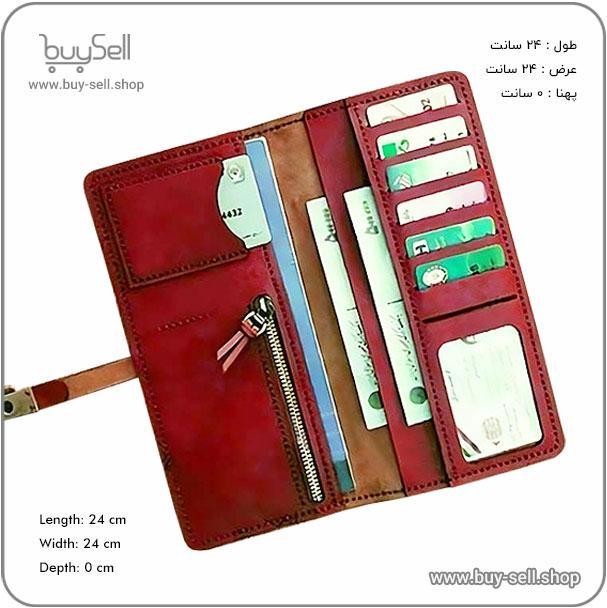
The platforms where digital design files are bought and sold are rapidly evolving to offer more sophisticated tools and features. Future marketplaces will not only facilitate transactions but also provide advanced analytics for creators to understand market trends, optimize pricing strategies, and identify profitable niches. Integration with design software and enhanced search functionalities will make it easier for buyers to discover and acquire the exact files they need, fostering a more dynamic and efficient marketplace.
Accompanying these platform advancements are more flexible and diverse licensing models. Beyond traditional one-time purchases, creators will increasingly offer subscription-based access to their entire portfolios, tiered licensing for different usage scales, and even limited-edition licenses for exclusive designs. These varied models allow creators to cater to a broader spectrum of buyers, from individual hobbyists to large corporations, thereby maximizing recurring revenue streams and broadening their market reach.
As global consciousness shifts towards sustainability, the inherent environmental benefits of digital products become a powerful selling point. Selling design files eliminates the need for physical production, packaging, and shipping, significantly reducing carbon footprints and waste. This aligns perfectly with the growing consumer and business preference for eco-friendly solutions, giving digital design files a distinct advantage in a market increasingly valuing ethical consumption.
Furthermore, the digital nature of design files inherently offers a global reach, transcending geographical boundaries. Creators from any part of the world can instantly connect with buyers across continents, democratizing access to a global market. This drastically reduces the barriers to entry for aspiring designers and small businesses, enabling a truly international exchange of creative work and fostering unparalleled opportunities for widespread profitability in the years leading up to 2026 and 2027.

 Saeede Bayat
May 04, 2025
 Saeede Bayat
Apr 28, 2025

 Buy Sell
Apr 20, 2025
 Saeede Bayat
Apr 23, 2025
 Buy Sell
Oct 25, 2025
Subscribe to the Buy Sell newsletter and enjoy its benefits.