


No products in the cart.

Discover practical strategies to create a consistent monthly income stream from a single, easy-to-manage file. Learn how to leverage simple tools for financial stability.
The "Simple File Concept," in its most fundamental digital interpretation, refers to any discrete, manageable unit of information that can be stored, retrieved, and processed. Far from being limited to documents or images on a traditional operating system, this concept underpins the very structure of digital identity, assets, and interactions across various platforms, including the burgeoning landscape of decentralized technologies. At its core, a simple file represents a parcel of data that holds specific meaning and function, allowing for structured access and manipulation. Understanding this concept is critical in navigating the complexities of modern digital security and asset management, especially when dealing with cryptographic elements where precise data handling dictates ownership and control. This foundational understanding allows us to appreciate how seemingly complex digital constructs are often built upon straightforward data units, each serving a vital purpose in a larger system.
In the realm of digital assets and decentralized networks, an individual's identity and ownership are often encapsulated within what can be considered "simple files" of data. An **EOA (Externally Owned Account)** is a prime example of such a concept. An EOA is a basic account type on blockchain networks like Ethereum, controlled directly by a private key. This private key is a secret number, effectively a simple, yet profoundly critical, data file. It is the sole piece of information required to sign transactions and control the assets associated with the EOA. Without this "file," access is impossible; with it, full control is granted. The security and management of this specific digital file are paramount, as its compromise means the loss of all associated assets.
Complementing the private key is the **Seed Phrase**, also known as a mnemonic phrase. This is a sequence of typically 12 or 24 common words, designed to be human-readable and memorable. Functionally, a seed phrase acts as a master "recovery file" that can deterministically generate one or more private keys, and thus multiple EOAs. It is an abstract, yet simple, digital file that represents the ultimate backup for a user's entire cryptographic wallet. Losing or exposing this simple word sequence is equivalent to losing control over all associated digital assets. Its simplicity belies its power, making its secure storage and careful handling the cornerstone of personal digital finance. The seed phrase itself, a string of words, acts as a compressed, highly potent data file from which all other key "files" can be derived.
Product purchase offer: leather bag pattern

While private keys and seed phrases are the ultimate "files" representing ownership, access to platforms that interact with these assets often relies on additional layers of protection. **2FA (Two-Factor Authentication)** is a security mechanism requiring two distinct forms of identification before granting access to an account. It doesn't directly manage the private key or seed phrase "files" themselves but acts as a critical gatekeeper to the services and interfaces that hold or manage them on your behalf (e.g., cryptocurrency exchanges, web wallets). The "simple file concept" here relates to the user's login credentials and the secondary authentication factor, each a distinct piece of information. For instance, knowing a password (one "file" of information) is insufficient; a second "file," such as a code from a mobile authenticator app or a biometric scan, is also required. This layered approach significantly reduces the risk of unauthorized access even if one factor is compromised, thereby protecting the digital assets and underlying key "files" accessible through that platform. It's an essential safeguard in a world where digital files are increasingly valuable targets for malicious actors.
The "Simple File Concept" continues to evolve with advancements in blockchain technology, as exemplified by proposals like **EIP-7702 (Ethereum Improvement Proposal 7702)**. This proposal aims to introduce a mechanism on the Ethereum network that allows Externally Owned Accounts (EOAs) to temporarily behave like smart contract accounts for a single transaction. Traditionally, EOAs are "simple files" controlled directly by a private key, while smart contract accounts possess more complex, programmable logic. EIP-7702 seeks to bridge this gap, enhancing the flexibility of EOAs. In terms of the simple file concept, this represents an evolution in how the fundamental "file" of an EOA's authorization can be interpreted and executed within a specific context. It doesn't change the underlying private key "file" but modifies how the network processes the permissions associated with it for a limited duration.
This development is part of a broader movement towards **Account Abstraction**, which seeks to make user accounts on blockchains more flexible, secure, and user-friendly. Instead of rigid distinctions between EOAs and smart contracts, account abstraction envisions accounts that can incorporate customizable security features, multi-signature capabilities, or social recovery mechanisms directly, blurring the lines of what a "simple file" of account control means. It moves towards a future where the definition of an account's "file" might include not just a private key but also embedded logic and conditions. This evolution highlights how the fundamental concept of a "simple file" of data remains central, even as its capabilities and interpretative complexity grow within advanced digital environments, continuously adapting to meet the demands for enhanced functionality and security in decentralized systems.
In the evolving landscape of digital finance and decentralized networks, the concept of an "income-generating file" transcends traditional notions of physical documents or spreadsheets. Instead, it refers to the critical digital credentials, keys, or smart contract functionalities that grant an individual control over their digital assets and potential revenue streams. These "files" are not tangible in the conventional sense but are cryptographic sequences or sets of instructions that determine ownership, access, and the ability to transact or interact within various blockchain ecosystems. Understanding what constitutes these digital files and how they operate is paramount for anyone navigating the digital economy, as their security and proper management directly correlate with the safety and accessibility of one's digital wealth. It’s about recognizing that in a decentralized world, the 'file' is often the key to unlocking your financial potential, rather than a document detailing it.
To effectively identify and secure your digital income streams, it's crucial to grasp the fundamental components that govern access and ownership. An Externally Owned Account (EOA) is the most common type of account on many blockchains, notably Ethereum. It's controlled directly by a private key, which is itself a long, secret number. Whoever possesses this private key effectively owns the EOA and all the assets associated with it. This key is your ultimate income-generating "file," as it authorizes all transactions originating from your account.
Complementing the private key, a Seed Phrase (also known as a mnemonic phrase) is a human-readable sequence of words generated from a private key. It serves as the master backup for one or more private keys, allowing users to recover or recreate their entire wallet and access their funds even if their device is lost or damaged. This phrase is arguably the most critical "income-generating file" you possess, as its compromise means complete loss of control over your assets. Safeguarding this phrase offline and securely is non-negotiable.
Finally, Two-Factor Authentication (2FA), while not directly a blockchain primitive, is a vital security layer for centralized platforms where digital assets might be held, such as cryptocurrency exchanges. It requires users to provide two different authentication factors to verify their identity, typically a password combined with a temporary code from an authenticator app or SMS. While EOAs are secured by private keys, 2FA protects access to accounts that manage these keys or assets on your behalf, adding an essential layer of defense against unauthorized access to these external custodians of your digital "files."
EOA: A user's personal blockchain address, controlled by a unique private key, which enables direct asset management.
Seed Phrase: A series of words acting as a master key to recover or backup an entire cryptocurrency wallet and its associated private keys.
2FA: An enhanced security measure that requires two distinct forms of identification to gain access to an account, typically used for centralized services.
The landscape of digital asset management is constantly evolving, with new proposals aimed at enhancing security, flexibility, and user experience. One such significant development is EIP-7702 (Ethereum Improvement Proposal 7702), which is part of a broader movement towards "account abstraction." Historically, Ethereum has distinguished between EOAs (controlled by private keys) and smart contract accounts (controlled by code). EOAs are simple but limited in functionality, while smart contract accounts offer complex logic but are less straightforward for everyday users.
EIP-7702 seeks to bridge this gap by allowing EOAs to temporarily behave like smart contract accounts, enabling them to execute complex logic, such as delegated transactions or batch operations, without fully converting to a smart contract wallet. This means your "income-generating file" (the private key controlling your EOA) could gain advanced capabilities, potentially allowing for features like social recovery, multi-signature requirements, or spending limits directly from your primary account, thereby integrating advanced security and management features previously exclusive to smart contracts. This proposal represents a potential shift in how users interact with and secure their digital assets, offering a future where the line between simple key control and programmable asset management becomes increasingly blurred, making your digital "file" more adaptable and powerful.
Safeguarding your income-generating files, particularly your private keys and seed phrases, is paramount in the digital asset space. The responsibility for security largely rests with the individual, as decentralized systems often lack a central authority for recovery. Best practices begin with the secure, offline storage of your seed phrase. This means writing it down on paper or engraving it on metal, storing it in multiple secure, geographically separate locations, and never digitizing it or sharing it with anyone. Hardware wallets, which are physical devices designed to securely store private keys offline, represent a significant advancement in protecting these crucial "files" from online threats. They require physical confirmation for transactions, effectively insulating your private key from internet-connected vulnerabilities.
Furthermore, implementing robust security measures for any centralized platforms you use, such as cryptocurrency exchanges, is critical. Always enable Two-Factor Authentication (2FA) using an authenticator app (like Google Authenticator or Authy) rather than SMS-based 2FA, which can be vulnerable to SIM swap attacks. Utilize strong, unique passwords for every account and consider using a password manager. Regular security audits of your own practices, staying informed about common scams (phishing, impersonation), and avoiding suspicious links or unsolicited requests for private information are ongoing duties. Your vigilance is the final, indispensable layer of security for your digital "files."
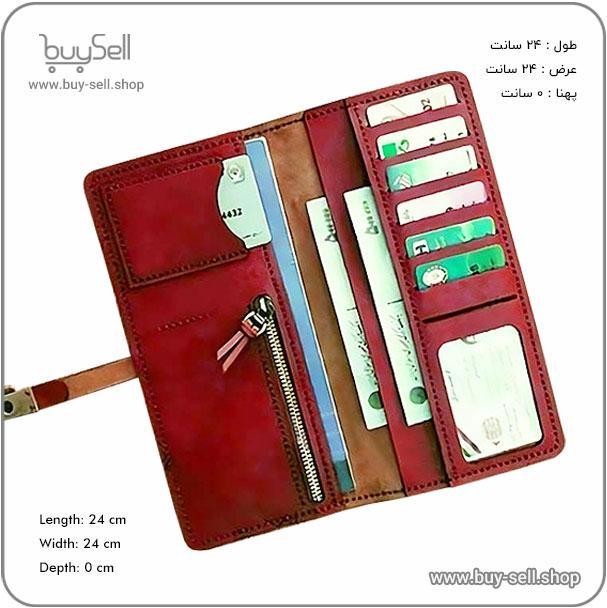
Product purchase offer: Leather pattern
Many individuals face financial loss in the digital asset space due to preventable errors in managing their income-generating files. Common mistakes include the digital storage of seed phrases, sharing private keys or seed phrases with seemingly legitimate support personnel, falling victim to phishing scams that trick users into revealing their credentials, or simply not understanding the fundamental security implications of self-custody. Neglecting to back up a seed phrase, or having only one copy stored insecurely, also frequently leads to irrecoverable losses. To counter these vulnerabilities, a proactive and disciplined approach is essential.
Here is a concise prevention checklist to help secure your digital income streams:
Secure Seed Phrase Offline: Write down your seed phrase on physical media (paper, metal) and store it in at least two separate, secure, and private locations. Never store it digitally or share it.
Utilize Hardware Wallets: For any significant amount of digital assets, invest in a reputable hardware wallet to keep your private keys isolated from internet-connected devices.
Enable Strong 2FA: Always use app-based Two-Factor Authentication (2FA) for all centralized accounts (exchanges, services), avoiding SMS 2FA where possible.
Employ Unique Passwords: Create strong, unique passwords for every online service, ideally using a password manager, and never reuse passwords.
Verify Everything: Double-check all transaction details, wallet addresses, and website URLs before confirming any action or entering credentials to avoid phishing and scam attempts.
Stay Informed: Regularly educate yourself on current security threats and best practices within the digital asset ecosystem.
In the contemporary business landscape, the concept of "files" extends far beyond physical cabinets, encompassing a vast array of digital assets critical to every industry, including the nuanced world of leather craftsmanship and commerce. For a leather business, efficient file structuring is not merely an organizational task; it is a strategic imperative that directly impacts profitability by enhancing operational efficiency, bolstering security, and facilitating informed decision-making. From design patterns and material sourcing documents to customer databases and financial records, every digital artifact holds potential value. A well-organized system reduces wasted time, mitigates risks, and unlocks opportunities for growth and innovation, ultimately translating into a healthier bottom line.
For a leather enterprise, digital assets range from intricate CAD designs for new products and high-resolution marketing imagery of finished goods to detailed supplier contracts and critical customer relationship management (CRM) data. Without a coherent structure, locating essential information becomes a time-consuming ordeal, leading to delays in production, missed marketing opportunities, and frustrating customer interactions. Profitability is eroded by inefficiency. Conversely, a clear, logical file architecture allows teams to quickly access necessary data, streamline workflows, and maintain consistency across all operations. This efficiency extends to compliance, inventory management, and even the strategic development of new leather lines, ensuring that every piece of information contributes positively to the business's goals.
Beyond mere accessibility, robust organization forms the bedrock of data security and integrity. Protecting sensitive information—be it proprietary leather treatment formulas or customer payment details—is paramount. A structured approach inherently includes considerations for access control, versioning, and backup protocols, safeguarding against data loss and unauthorized breaches. In an increasingly digital economy, where trust and reputation are vital, securing your digital files is as crucial as securing your physical workshop or storefront, directly influencing customer loyalty and brand value.
Securing digital assets is a non-negotiable aspect of profitable file structuring. Beyond simple folder permissions, modern businesses, including those in leather, must consider sophisticated security measures, especially as they engage with digital certifications, supply chain transparency initiatives, or even non-fungible tokens (NFTs) representing unique leather pieces or design rights. For secure access to critical accounts, Two-Factor Authentication (2FA) is indispensable. 2FA adds an essential layer of security by requiring two distinct forms of identification before granting access, such as a password combined with a code from a mobile device or a fingerprint. This significantly reduces the risk of unauthorized access to cloud storage, business software, or financial platforms, protecting valuable business data and financial assets.
When dealing with blockchain-based assets, like digital provenance records for exotic leathers or cryptocurrency for international transactions, understanding concepts like Externally Owned Accounts (EOA) and Seed Phrases becomes crucial. An EOA is a basic type of account on a blockchain, controlled by a private key, used by individuals or businesses to send and receive digital assets. It's akin to your personal bank account in a decentralized system. The security of an EOA hinges entirely on its Seed Phrase, a sequence of 12 or 24 words that serves as the ultimate backup and recovery mechanism for your digital wallet. Losing this phrase, or having it compromised, means losing access to all associated digital assets. Therefore, secure, offline storage of Seed Phrases, completely separate from the digital environment, is a critical component of a profitable digital asset strategy for any forward-thinking leather business.
Beyond basic organization and security, advanced file structuring and digital architecture can unlock new levels of operational efficiency and, by extension, profitability. This involves not just where files are stored, but how they interact and enable automated processes. Consider the implications for a leather business managing a global supply chain: securely tracking the origin of hides, certifying ethical sourcing, or managing payments to international suppliers. Integrating structured data with enterprise resource planning (ERP) systems or custom blockchain solutions can automate compliance checks and payment triggers, reducing manual errors and administrative overhead.
For future-oriented businesses exploring advanced blockchain capabilities, concepts like EIP-7702 (Ethereum Improvement Proposal 7702) hint at possibilities for greater flexibility and security. EIP-7702 proposes a mechanism that allows an Externally Owned Account (EOA) to temporarily behave like a smart contract account for a specific transaction. In practical terms for a business, this could mean granting temporary, limited signing authority for automated payments or attestations without fully exposing the EOA's private key. For example, a leather company could set up a secure, automated system to approve raw material shipments upon verification of certain conditions, without human intervention for each transaction, while maintaining a high level of security. This kind of architectural sophistication, though complex, promises enhanced security, automation, and adaptability, translating into significant long-term profitability gains through reduced operational friction and enhanced trust.
To ensure sustained profitability from your file structure, ongoing maintenance and adherence to best practices are essential. Firstly, establish clear and consistent naming conventions for all files and folders. This ensures universal understanding and ease of retrieval, whether for a new leather design iteration or a supplier invoice. Secondly, implement version control for critical documents, especially design files, marketing materials, and legal contracts. This preserves historical changes, prevents data loss from accidental overwrites, and allows for seamless collaboration without confusion, ensuring that the latest approved designs for leather goods are always in use.
Regular auditing and pruning of your digital assets are also crucial. Periodically review your file structure, archive outdated information, and delete redundant data to maintain efficiency and reduce storage costs. Crucially, integrate secure backup solutions, both local and cloud-based, to protect against data loss from hardware failure, cyber-attacks, or natural disasters. Finally, educate all team members on the established protocols for file creation, storage, and security. A robust file structure is a shared responsibility, and consistent adherence across the organization ensures that this vital operational backbone continues to contribute positively to the profitability and resilience of your leather business.
Achieving consistent monthly earnings in the intricate world of leather craft and commerce demands more than just producing high-quality goods; it requires strategic planning, astute market understanding, and robust operational execution. For businesses ranging from artisanal workshops creating bespoke items to larger enterprises manufacturing leather products, predictability in revenue is the cornerstone of sustainable growth and financial stability. This section explores actionable strategies designed to stabilize and enhance monthly income, ensuring a resilient business model even amidst fluctuating market conditions and consumer trends.
Relying on a single product line or sales channel can expose a leather business to significant risks. A fundamental strategy for consistent earnings is to diversify how income is generated. Beyond selling finished leather products like bags, wallets, or belts, consider expanding into related services and offerings. For instance, offering custom design services allows for premium pricing and caters to a niche market seeking unique, personalized items. Repair and restoration services for existing leather goods not only provide an additional income stream but also foster goodwill and demonstrate expertise in the material.
Furthermore, educational workshops or online tutorials on leather working techniques can tap into the growing interest in handmade crafts, providing both direct revenue from class fees and indirect benefits through increased brand visibility. Selling raw materials, such as specific cuts of leather, hardware, or specialized tools, to other crafters or hobbyists can also add a predictable component to monthly sales. Exploring business-to-business (B2B) opportunities, such as supplying components to other manufacturers or creating custom corporate gifts, can unlock larger, recurring orders that stabilize income far more than individual retail sales.
Another avenue for diversification includes licensing designs or patterns, which can generate passive income without requiring additional production effort. By creating multiple, distinct points of entry for customers and clients, a leather business can mitigate the impact of slow periods in any single area, thereby establishing a more robust and consistent financial foundation.
One of the most cost-effective ways to ensure consistent monthly earnings is to focus on retaining existing customers. Repeat business provides a predictable income stream and reduces the constant need to acquire new clients, which can be expensive and time-consuming. The foundation of customer loyalty in the leather industry lies in unwavering product quality and exceptional customer service. Durable, well-crafted leather goods naturally encourage repeat purchases and word-of-mouth referrals.
Implementing loyalty programs, such as points systems, exclusive discounts for returning customers, or early access to new collections, can incentivize continued patronage. Personalized communication, perhaps through an email newsletter highlighting new arrivals, care tips, or special promotions tailored to past purchases, strengthens the customer relationship. Providing excellent post-purchase support, including clear warranty information, repair assistance, or guidance on leather care, reinforces trust and encourages customers to return for future needs. Soliciting and acting upon customer feedback is also crucial, demonstrating that their opinions are valued and leading to continuous improvement in products and services.
By creating a positive and memorable customer experience from initial contact through years of product use, a leather business can transform one-time buyers into loyal advocates. These loyal customers not only make repeat purchases but also become valuable brand ambassadors, organically driving new sales and contributing significantly to predictable monthly revenue.
Operational efficiency, particularly in inventory management and production planning, directly impacts the consistency of a leather business's monthly earnings. Holding excessive inventory of expensive leather materials or finished products ties up capital, incurs storage costs, and risks depreciation or obsolescence. Conversely, insufficient stock can lead to missed sales opportunities and customer dissatisfaction. Striking the right balance is key to maintaining healthy cash flow and consistent profitability.
Implementing a robust inventory tracking system allows for real-time visibility into stock levels, enabling accurate forecasting of material needs and finished goods. Analyzing past sales data, especially seasonal trends, helps in optimizing production schedules to meet anticipated demand without overproducing. For instance, understanding peak demand for specific items around holidays allows for proactive manufacturing, ensuring products are ready for sale when consumer interest is highest. Similarly, knowing quieter periods can inform decisions on when to conduct maintenance, develop new designs, or focus on custom orders that have longer lead times.
Establishing strong relationships with suppliers ensures a reliable and timely flow of raw materials at competitive prices, preventing costly production delays. Just-in-time inventory practices, where materials are ordered and received only when needed for production, can minimize carrying costs. Efficient production planning also involves optimizing workflow, reducing waste, and standardizing processes where appropriate to ensure consistent quality and timely delivery, all of which contribute to stable sales and predictable earnings.
A consistent influx of new and returning customers is vital for predictable monthly earnings, and this is heavily influenced by strategic marketing and a strong online presence. For a leather business, showcasing the craftsmanship, durability, and unique aesthetic of products requires a concerted effort across various digital channels. Search Engine Optimization (SEO) is paramount; optimizing product descriptions, blog content, and website structure with relevant keywords (e.g., "handmade leather wallet," "full-grain leather bag," "custom leather goods") ensures that potential customers can easily discover your offerings when searching online.
Beyond visibility, engaging social media presence on platforms popular with your target audience allows for direct interaction, visual storytelling of your craft, and the promotion of new products or sales. Consistent posting, high-quality photography, and responsive engagement can build a community around your brand, fostering trust and anticipation for future releases. Email marketing campaigns, built on subscriber lists cultivated from website visitors and past purchasers, are an incredibly effective tool for direct communication, announcing promotions, sharing behind-the-scenes content, and driving traffic back to your sales channels.
Consider offering subscription services for leather care products or even exclusive 'drops' of limited-edition items, creating a recurring revenue stream and a sense of exclusivity. Collaborations with influencers or complementary brands can also expand reach and introduce your products to new audiences. By systematically nurturing an online presence and consistently implementing marketing initiatives, a leather business can generate a steady stream of inquiries and sales, transforming sporadic interest into reliable, month-over-month earnings.
The journey to achieving stable monthly income often begins with a foundational asset, which we refer to as a "simple file." In the context of digital endeavors, this isn't merely a document; it represents a crucial digital asset, a configuration, a set of access credentials, or even a smart contract definition that holds the potential for revenue generation. It could be anything from a key pair for a cryptocurrency wallet, a compiled script for an automated process, or a data file that underpins a service. The power of this "simple file" lies not in its physical size or complexity, but in its ability to be leveraged, managed, and scaled to produce consistent value. Recognizing its core utility and the opportunities it presents is the first step towards transforming it from a static component into a dynamic source of income that can grow over time with strategic management and careful expansion.
As you begin to scale any digital income stream, security becomes paramount. The integrity of your "simple file" and the assets it controls directly impacts your financial stability. One of the most critical elements in managing digital assets, particularly in the cryptocurrency space, is the **Seed Phrase**. This is a sequence of typically 12 or 24 words that serves as a master key to recover your digital wallet and all the funds associated with it. Losing or compromising your Seed Phrase means losing access to your assets, making its secure, offline storage absolutely essential. Beyond the Seed Phrase, implementing strong authentication measures is vital. **Two-Factor Authentication (2FA)** adds an extra layer of security, requiring not just your password but also a second piece of verification, such as a code from a dedicated app on your smartphone or a text message. This significantly mitigates the risk of unauthorized access, ensuring that even if a password is breached, your assets remain protected. Robust security protocols are the bedrock upon which any scalable digital income strategy must be built, protecting your initial investment and future gains.
To truly scale income from a "simple file," automation and strategic engagement with decentralized platforms are indispensable. Automation allows processes to run continuously and efficiently without constant manual intervention, multiplying the output derived from your initial setup. In the realm of blockchain and digital assets, understanding different account types is crucial. An **Externally Owned Account (EOA)** is a fundamental type of account on many blockchain networks, like Ethereum, controlled by a private key (which is derived from your Seed Phrase). EOAs are used to send transactions, hold cryptocurrency, and interact with smart contracts. By linking your EOA to various decentralized finance (DeFi) protocols, such as lending platforms, liquidity pools, or yield farming opportunities, you can automate income generation. These platforms often leverage smart contracts to manage assets autonomously, allowing your digital file (representing your EOA's access) to participate in earning strategies around the clock. This shifts the paradigm from active management to strategic oversight, enabling significant scalability.
Product purchase offer: Bracelet and accessory pattern

As the digital landscape evolves, so do the opportunities for scaling income. Advanced strategies often focus on improving user experience and increasing the flexibility of digital assets. One such innovation aims to bridge the gap between simple EOAs and more complex smart contract wallets. **EIP-7702 (Ethereum Improvement Proposal 7702)**, for instance, is a proposed standard that would allow smart contract wallets to temporarily behave like an EOA for a specific transaction. This is a technical advancement designed to simplify interactions and enhance compatibility, especially for users who prefer the enhanced features and security of smart contract wallets but sometimes need the directness of an EOA for certain applications. By simplifying complex interactions and making digital asset management more intuitive, such proposals can lead to broader adoption of services that leverage your "simple file," thus increasing potential income streams. Implementing or adapting to such advancements can streamline operations, reduce friction for users, and unlock new avenues for scaling your earnings significantly.
Achieving a stable monthly income from your simple digital file is an ongoing process that requires continuous attention and adaptation. Once initial income streams are established and scaled, the focus shifts to sustainability and further growth. This involves regularly monitoring the performance of your automated strategies, staying informed about market changes, and adjusting your approach as needed. Diversification of income sources, even if all stemming from the core utility of your "simple file," can mitigate risks and enhance stability. Furthermore, continuous learning about new technologies, updated security practices, and emerging opportunities in the digital asset space is crucial. The digital realm is dynamic, and what works today might need refinement tomorrow. By maintaining a proactive stance, continuously refining your strategies, and prioritizing both security and efficiency, you can ensure that your "simple file" continues to be a robust and growing source of consistent monthly income for the long term, adapting to new challenges and seizing new opportunities as they arise.

 Saeede Bayat
May 04, 2025

 Buy Sell
Apr 20, 2025
 Saeede Bayat
Apr 28, 2025
 Saeede Bayat
Apr 23, 2025
 Buy Sell
Oct 25, 2025

Subscribe to the Buy Sell newsletter and enjoy its benefits.