


No products in the cart.
Font designers can earn dollars by converting their works into standard digital files and selling them in international markets. After a font is professionally designed and prepared, it can be sold many times without additional costs and has no location restrictions. Providing attractive previews, transparent pricing and licensing will gain the trust of buyers.
Font design is an artistic and technical process in which letters, numbers, and symbols are created with a unified and functional identity. A good font is not only beautiful, but also legible, balanced, and appropriate for its intended use. The font designer first determines the overall style; for example, formal, modern, handwritten, or expressive. Then, by designing the base letters, the visual structure and rhythm of the font is formed. Paying attention to line thickness, letter proportions, and spacing is very important. Font design requires constant testing and refinement. The end result is a visual system that can be used in various brands, books, and designs.
Font design is one of the most specific and enduring branches of graphic design that can lead to a steady dollar income. A font is a digital product that, after being designed, is sold over and over again at no additional cost. A font designer can have an audience from all over the world; from graphic designers and publishers to brands and web developers. Unlike custom projects, sales-oriented fonts do not require a permanent presence. If the font is functional and of high quality, it will sell for years. This field is a combination of art, technical precision and business vision. Font design means building a long-term digital asset.
Product purchase offer: Panel laser cutting design

Ideation is the first and most creative stage in font design that shapes the overall identity of the font. In this stage, the designer looks for a specific concept; a concept that can convey a specific feeling, atmosphere or application. Inspiration can be taken from calligraphy, architecture, nature, old typographies or even different cultures. Reviewing existing fonts helps to avoid repetitive ideas. The clearer the idea, the clearer the design path. A strong idea differentiates the font in the market. This stage is the foundation of the font’s personality.
The choice of font style is made based on its end use and plays an important role in commercial success. Styles such as serif, sans serif, handwritten, dramatic or mono each have their own audience. A text font should be legible and balanced, while a display font focuses more on visual character. Knowing your target market is crucial in this choice. The right style will ensure that the font is used in exactly the right place. Choosing the right style will increase your chances of selling. This decision will determine the direction of the design.
The first step in font design is choosing the style and its purpose. You need to determine what your font is designed for; exhibition, text, handwritten, modern or classic. Examining the fonts available on the market will help you understand which styles are saturated and where there is opportunity. Drawing inspiration from calligraphy, typography or even architecture can help give your font identity. Successful fonts usually have a distinct personality. Choosing the right style will help your font find its target audience. This is the foundation of the entire project.
The design of the typeface is the most important and sensitive part of the font design process, as the final quality of the font directly depends on this step. In this stage, the designer first designs the basic letters to determine the overall structure of the font. The proportion of line thickness, letter height, and visual rhythm must be observed in all letters. Each letter must be beautiful on its own and look harmonious with other letters. Paying attention to readability at different sizes is very important. Continuous correction and comparing letters side by side is part of this process. Accurate design of letters creates a professional and reliable font.
At this stage, the formation of letters begins. Design usually starts with basic letters such as A, O, H or الف, ب, د to determine the overall structure. The proportion of thickness, spacing, and visual rhythm is very important. Each letter must be both beautiful and legible. Designing letters requires high precision and frequent corrections. Coordination between uppercase, lowercase, numbers, and symbols is very important. The quality of this stage directly affects the value of the font.
After the initial design, the letters must be entered into specialized font creation software. In this stage, vectorization, adjustment of points (Nodes), and correction of curves are performed. Kerning (the distance between letters) and spacing are among the most critical parts. The Unicode definition is essential for each character. The font must be technically error-free. The final output is usually provided in OTF or TTF formats. This step transforms the font from a design to a real product.
Digitization is the step in which the initial designs of the letters are converted into digital and vector form. In this step, hand-drawn designs or sketches are entered into software such as Illustrator or directly into font creation software. Correcting curves, adjusting control points, and smoothing lines are of great importance. Accuracy in this step ensures that the font maintains its quality at different sizes. Each character must be drawn accurately and without technical errors. Digitization forms the technical basis of the font. The quality of this step directly affects the professionalism of the font.
Font creation is the step in which the digitized letters are converted into a real font file. At this stage, the characters are placed in the font creation software and a Unicode is defined for each one. Adjusting the spacing between letters and kerning plays an important role in readability. The font is tested on different texts to fix the errors. Then the font is output in standard formats such as OTF or TTF. This stage makes the font ready for use and sale. Precise construction means a reliable and professional font.
There are specialized tools for font design. Glyphs is one of the most popular software among professional font designers. FontLab is a powerful option with advanced technical features. RoboFont is mostly used for professional designers and font coding. Adobe Illustrator is used for initial type design. FontForge is a free and open source option. Choosing the right tool increases the speed and quality of work. A good tool means complete control over the font.
Glyphs is one of the most popular specialized font design software among professional designers. This program has a simple but very powerful environment that makes it easy to design, edit, and manage characters. It has advanced features for kerning, spacing, and creating multi-weight fonts. Glyphs is very suitable for Latin and multilingual fonts. It provides standard and error-free outputs. It is relatively quick to learn. It is considered an excellent choice for professional font designers.
FontLab is a powerful and old font design software with extensive technical capabilities. This software is used for complex projects and professional fonts. Precise control over design curves and points is one of its advantages. FontLab is suitable for text and display fonts. It has testing and error checking tools. Its environment is a little more specialized. It is suitable for designers who need complete control.
RoboFont is mostly used by font designers who are familiar with scripting and programming. This software is very flexible. It is possible to customize the tools through Python. It is very useful for large projects and variable fonts. It is relatively more difficult to learn. It is used in professional font design studios. It is the tool of choice for advanced designers.
Adobe Illustrator is very useful for initial design of letters and detailed sketches. Many designers first design letters in this software. Strong vector tools provide high accuracy. It has a suitable output for transfer to font design software. Illustrator does not create fonts on its own, but it is an important complement. It is great for designing letterforms. Its role in the initial stage is very strong.
FontForge is a free and open source font design software. This program is a good option for people who are new to this field. It offers basic font design and creation features. It supports various font formats. Its environment is simple but a bit old. It is suitable for small projects. It is an economical option to start font design.
Product purchase offer: Statue laser cutting design

Before selling, the font must be thoroughly tested. It is essential to check the font display in different sizes and in various software. The final files must be neat and error-free. Adding a Readme file and a usage license is very important. Attractive preview images of the font are provided. Displaying the font in a poster, logo or real text helps the buyer. Professional preparation means increasing customer confidence.
Font preparation is a crucial step before publication and sale, ensuring the final quality of the product. At this stage, the font should be tested in different sizes and environments to ensure its readability and proper functioning. Checking the spacing between letters, kerning, and line alignment is very important. Correct font naming and weights should be standard and professional. Adding a help file, license, and usage description is essential. Attractive demos are prepared to introduce the font. A ready font means a reliable and market-ready product.
Font pricing depends on quality, usage, and target market. Display fonts usually have a higher price. Determining the type of license (personal, commercial, web, application) is very important. Transparency in the license prevents legal problems. Some designers offer multiple pricing levels. Smart pricing increases sales. A good font is worth its weight.
Font pricing should be based on the quality of the design, number of weights, usage, and target market. Display and specialty fonts usually have a higher price than general fonts. Checking the prices of similar fonts in international markets helps to make the right decision. Offering multiple pricing levels attracts different audiences. Pricing too low reduces the value of the work and reduces unreasonable sales prices. A balance between value and the customer's purchasing power is important. Smart pricing creates sustainable sales.
Font licensing specifies how and in what projects the buyer is allowed to use the font. Transparency in explaining the license prevents misunderstandings and legal issues. Some designers offer separate licenses at different prices. Setting usage limits is very important. The right license builds customer trust. Professional license management is part of the font business.
Selling fonts requires a professional presentation. An attractive title, detailed description, and high-quality images play a key role. Explain what the font is suitable for. A variety of sample texts builds buyer trust. Answer users’ questions. Updating the font increases sales. Successful sales are the result of quality + presentation + communication.
To successfully sell a font, first of all, you need to introduce it properly. Choosing a catchy name and a clear explanation of the font’s use, style, and benefits play a major role in attracting buyers. Using professional preview images and showing the font in real-world applications such as posters, logos, or websites builds trust. Choosing the right market and using relevant keywords makes the font visible. Reasonable pricing and transparency in licensing are important factors in the purchase decision. Quick responses to user questions and font updates increase sales. Font sales are a combination of quality, professional presentation, and effective communication with the audience.
MyFonts is the world's largest and most reputable font market and has a professional audience.
Creative Market is very suitable for modern and graphic fonts.
Font Bundles is useful for selling font packs.
Gumroad is great for direct and independent sales.
Etsy is popular for special and handwritten fonts.
Each market has its own audience. Choosing the right one means more sales.
MyFonts is the most reputable and specialized global market for selling fonts, and most of its customers are professional designers and brands. Entering this platform usually requires a portfolio review, but it gives the designer high credibility. Fonts are displayed in precise categories and have a high chance of being seen. It has a professional licensing system. Font prices are usually higher. If you have a quality font, it will sell well. MyFonts is very strong for personal branding.
Creative Market is one of the most popular marketplaces for modern and graphic fonts. Its audience is graphic designers, content creators, and small brands. It has a seller acceptance process but it is simpler than MyFonts. Visual presentation is very important in this marketplace. It is possible to sell font bundles. Prices are usually moderate. It is a good option for trendy fonts.
Font Bundles
Font Bundles are good for selling single fonts and multi-font packs. This marketplace focuses on selling high volumes at a reasonable price. Periodic discounts increase sales. Its audience is usually more general users. It is very popular for handwritten and decorative fonts. There is a lot of competition but the market is large. It is a good option for bulk sales.
Gumroad is a direct sales platform and is not limited to fonts. You have full control over pricing and licensing. Great for selling on social media. Easy to set up. Direct communication with customers is possible. Your personal brand is fully preserved. Suitable for independent designers.
Etsy is best known for creative and unique products, and handwritten and decorative fonts sell well there. Its audience is usually non-professional users and small businesses. Competition is high, but demand is also high. Presenting an attractive image is very important. Prices are usually lower. It is suitable for starting sales. Etsy gives access to a wide market.
Even the best font does not sell without visibility. Using social media, showing the design process and publishing samples attracts an audience. SEO within the marketplace with the right title and description is very important. Receiving positive feedback from buyers guarantees future sales. Personal branding makes the audience look forward to your next fonts. Continuous marketing sustains sales. Visibility means more sales.
Marketing plays a key role in the success of font sales, because even the best font won’t sell without visibility. The first step is to create professional previews that show the actual use of the font; such as using it in a poster, logo, or web design. An active presence on social media and sharing the design process engages the audience and builds trust. Choosing the right title, description, and keywords in the marketplace will increase search visibility. Receiving positive reviews and ratings from buyers will increase the credibility of the font. Collaborating with designers or providing a demo version can expand the audience. Ongoing marketing means stable sales and growing dollar revenue.
Dollar revenue and its sustainability
Dollar revenue from fonts usually grows gradually. As the number of fonts increases, sales become stable. A successful font can generate revenue for years. Personal branding plays an important role in sustainable revenue. Updating and adding new weights keeps sales alive. This path requires patience. But the result is a valuable digital asset.
The dollar income from font design is very attractive and scalable due to the digital nature of this product. A font is designed only once but can be sold many times to different customers around the world. Even selling at moderate prices creates high economic value due to exchange rates. International markets provide secure payment and access to a global market. Fonts that have a general use or unique style will sell more. As the number of fonts increases, the income also grows. This income model is not dependent on the designer’s physical presence.
Income sustainability is created when the designer works regularly and professionally. Releasing new fonts or adding more weights and languages to existing fonts keeps sales alive. Building a personal brand and recognizing the design style plays a key role in maintaining sales. Updating fonts and fixing bugs maintains customer trust. High-quality fonts sell even after years. Diversity in style and application broadens the market. Sustainability is the result of patience, quality and continuity.
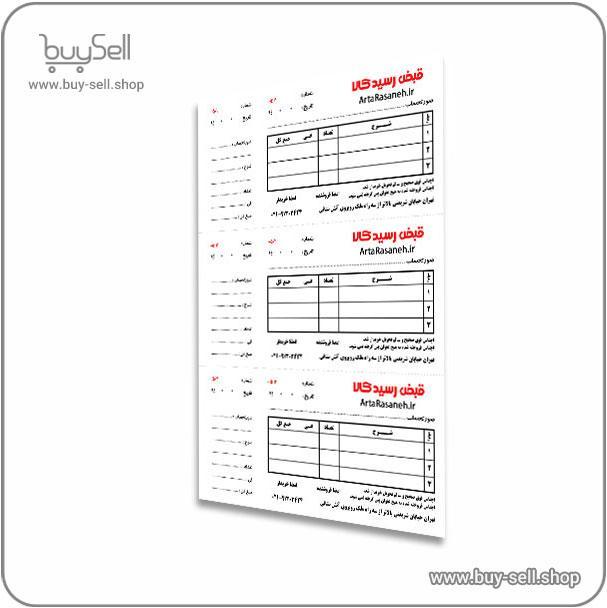
Product purchase offer: Receipt
Font design is not just an art, it is a long-term investment. From idea to sale, every step requires precision and quality. The right tools, professional presentation and choosing the right market pave the way. Font dollar income is sustainable and global. If you have expertise, patience and persistence, your font can earn you money for years. Font design is about creating a lasting visual signature
If you want to earn money from font design, look at this path as a long-term investment, not a quick win. Prioritize design quality and technical accuracy, because your reputation is your most important asset. Start with a specific style to form your business identity and gradually expand it. Study the global market and learn from user feedback. Professional presentation, clear licensing and good customer communication will multiply sales. Continuity in production and updating is the key to sustainable income. If you move forward with patience and focus, your font can generate dollar income for you for years.

 Saeede Bayat
May 04, 2025

 Buy Sell
Apr 20, 2025
 Saeede Bayat
Apr 28, 2025
 Saeede Bayat
Apr 23, 2025
 Buy Sell
Oct 25, 2025

Subscribe to the Buy Sell newsletter and enjoy its benefits.