


No products in the cart.

Discover essential tips for selecting high-quality leather bags, from material checks to style choices, ensuring durability and timeless appeal for everyday use.
Leather types are categorized based on the processing methods applied to animal hides, which influence their durability, appearance, and texture. At its core, leather begins as raw animal skin, primarily from cows, but also from sheep, goats, or exotic sources. The type emerges from how the hide is tanned— the chemical treatment that preserves it—and finished. Tanning can be vegetable-based, using natural plant extracts for a slower, eco-friendlier process, or chrome-based, which uses mineral salts for quicker results and a softer feel. Beyond tanning, the layer of the hide used matters: the outer layer retains natural grain patterns, while inner layers are smoother but less resilient. Understanding these definitions helps consumers distinguish high-quality pieces from imitations, ensuring purchases align with needs for furniture, clothing, or accessories. Each type balances aesthetics, strength, and cost, making informed choices essential in a market flooded with synthetic alternatives.
Leather falls into several broad categories, each suited to specific uses. Full-grain leather represents the premium option, using the entire top layer of the hide without sanding. It showcases natural imperfections like scars and wrinkles, which add character and enhance patina over time. This type excels in high-end bags and boots due to its toughness and breathability. Top-grain leather, the next tier, undergoes light sanding to remove blemishes for a uniform surface, then coated for added protection. It offers a refined look at a more accessible price, ideal for upholstery and jackets.
Lower grades include genuine leather, made from split hides below the top layer, which are thinner and less durable but still authentic. Often embossed to mimic full-grain textures, it's common in budget belts and wallets. Bonded leather, the most processed, consists of leather scraps ground up, mixed with binders, and pressed into sheets. It mimics leather's feel but lacks longevity, appearing in inexpensive furniture. Suede and nubuck provide textured alternatives: suede from the inner side of the hide, brushed for a velvety nap, and nubuck from top-grain lightly abraded for a similar softness. These shine in gloves and linings but require careful handling to avoid stains.
Distinguishing leather types involves sensory checks and simple tests. Start with touch: full-grain feels irregular and supple, with visible pores under light, while top-grain is smoother and more consistent. Genuine and bonded leathers often feel plastic-like or overly stiff, lacking the natural give. Smell the material—authentic leather has an earthy, animal scent, unlike the chemical odor of faux versions. A water test helps: real leather absorbs drops slowly, darkening temporarily, whereas synthetics bead them up.
Burn a small, inconspicuous thread if possible—leather smells like hair when singed, not burning plastic. These methods empower buyers to spot quality without advanced tools, avoiding disappointments in daily-wear items.
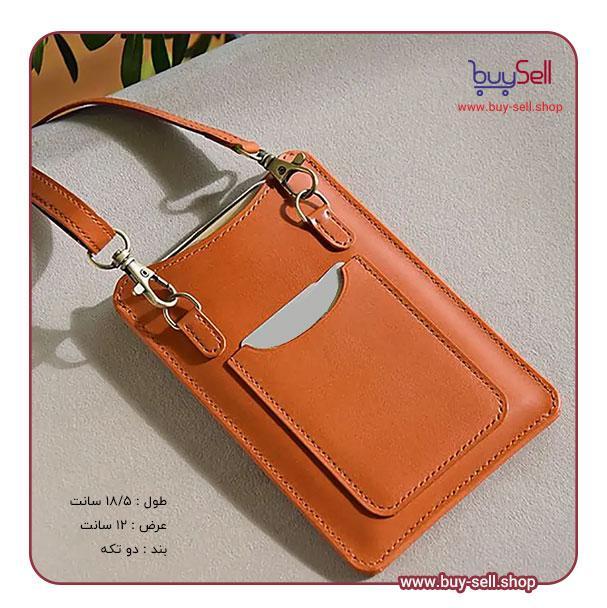
Product purchase offer: Leather Phone Case Pattern
Different leather types serve varied applications based on their properties. Full-grain suits rugged outdoor gear like saddles or watch straps, where durability withstands wear. Top-grain works well for fashion items such as handbags, offering elegance without fragility. Suede enhances casual apparel like shoes, providing softness for comfort, while bonded leather fits low-traffic areas like book covers.
Maintenance varies by type to preserve longevity. For full-grain and top-grain, use conditioner every few months to prevent cracking, and clean with a damp cloth followed by natural drying. Avoid direct sunlight to halt fading. Suede and nubuck need brushing to lift dirt, plus waterproof sprays for protection against spills. Bonded leather requires mild soap washes, but excessive moisture can delaminate it. Always test products on hidden spots first. Proper care extends life, turning investments into heirlooms rather than disposables.
Buyers often overlook key details, leading to mismatched purchases. A frequent error is confusing "genuine leather" with premium grades—it's a legal term for any real leather, not indicating quality. Another pitfall: prioritizing low price over type, resulting in bonded leather that peels quickly in upholstery. Neglecting tanning method assumptions full-grain is always vegetable-tanned; chrome versions are softer but less environmentally sound.
For maintenance, over-oiling full-grain causes greasiness, while machine-washing suede ruins its nap. Ignoring origin labels misses ethical sourcing cues. To sidestep these, research specific types before buying and follow care guidelines tailored to the leather's grade. This approach ensures satisfaction and sustainability in selections.
Grasping leather types unlocks better decision-making for personal and professional needs. From durable full-grain for longevity to versatile top-grain for style, each offers unique benefits. By identifying through touch, smell, and tests, and maintaining appropriately, users maximize value. Avoid common traps like misinterpreting labels or skimping on care. Ultimately, selecting the right type aligns with lifestyle, blending tradition and functionality in enduring products.
Quality indicators in leather refer to the observable and measurable characteristics that determine the material's durability, appearance, and overall value. These indicators help buyers, manufacturers, and designers assess whether a piece of leather meets industry standards for use in products like bags, upholstery, or clothing. At its core, leather quality stems from the tanning process, hide selection, and finishing techniques. Full-grain leather, for instance, retains the natural surface of the hide, showing imperfections that indicate authenticity but also potential weak points if not handled properly. In contrast, corrected-grain leather undergoes buffing and re-embossing to mask flaws, which can affect its longevity. Evaluating these indicators involves examining texture, color consistency, and resistance to environmental factors. By focusing on these elements, one can distinguish premium leather from lower-grade options without relying on certifications alone. This foundational understanding ensures informed decisions in production and purchasing, emphasizing that high-quality leather balances aesthetics with functionality.
Assessing leather quality requires a systematic approach that combines visual, tactile, and practical tests. Start with visual inspection: look for even coloration without blotches or dyes that bleed under light pressure. A high-quality leather piece should have a uniform grain pattern that feels natural rather than artificial. Tactile evaluation comes next—run your fingers over the surface to check for suppleness; premium leather bends smoothly without cracking or stiffness, indicating proper oil content from the tanning process. Thickness is another key metric, measured in ounces per square foot, where thicker hides often signify better strength for heavy-duty applications. To test durability, fold the leather repeatedly to observe if it develops creases or tears. Odor assessment is subtle but telling: genuine leather has a mild, earthy scent, while chemical smells suggest poor tanning. For advanced checks, expose a small sample to moisture or sunlight to see if it warps or fades. These methods, applied consistently, reveal inconsistencies early, allowing for adjustments in sourcing or finishing to elevate the final product.
Several tangible signs point to superior leather quality, each tied to the material's inherent properties. First, the grain structure stands out—full-grain or top-grain leather displays a distinct, irregular pattern from the animal's hide, avoiding the uniform embossing common in bonded leather, which is made from scraps and lacks resilience. Flexibility without brittleness is crucial; high-end leather maintains shape after stretching, thanks to natural oils that prevent drying out over time. Edge quality matters too: cleanly cut edges that don't fray or show loose fibers indicate skilled craftsmanship and robust material. Resistance to scratches and scuffs is another hallmark—while no leather is invincible, premium varieties recover better with minimal surface damage. Colorfastness ensures vibrancy endures, with dyes penetrating deeply rather than sitting on the surface. Finally, weight and heft provide clues; substantial leather feels solid in hand, reflecting a dense fiber structure from quality hides. Recognizing these indicators helps differentiate artisan-level products from mass-produced items, ensuring longevity in everyday use.
Common mistakes in evaluating leather quality can lead to suboptimal choices, so vigilance is essential. One frequent error is overlooking finishing treatments: some leathers receive heavy coatings that mimic quality but compromise breathability, causing the material to crack in humid conditions. Relying solely on price is another trap—inexpensive options might use inferior hides with hidden defects like thin spots that weaken under stress. Ignoring the source animal affects assessment; vegetable-tanned leather, derived from natural processes, ages gracefully but may initially feel stiffer than chrome-tanned alternatives, which prioritize speed over sustainability. Sample scenarios illustrate this: a bag with appealing shine might delaminate if it's bonded leather, while a matte full-grain wallet could patina beautifully over years. To prevent these issues, cross-verify indicators during procurement—test multiple pieces from a batch for uniformity. A prevention checklist includes documenting supplier tanning methods, performing abrasion tests, and consulting tactile references from known high-grade samples. By steering clear of these pitfalls, stakeholders maintain standards that enhance product reliability and customer satisfaction.
Integrating key quality indicators into leather workflows yields products that stand the test of time, blending tradition with practical innovation. From defining core traits like grain and suppleness to methodical assessments and avoiding evaluation errors, a holistic approach ensures excellence. In manufacturing, this means selecting hides that align with end-use demands—durable for footwear, soft for accessories. For consumers, awareness empowers better investments, reducing waste from premature replacements. Ultimately, prioritizing these indicators fosters a cycle of quality that elevates the leather industry, where authenticity and performance converge to create enduring value.
Product purchase offer: leather briefcase pattern

Leather styles refer to the aesthetic and functional variations in leather products, such as jackets, bags, or belts, designed to suit different preferences and occasions. Full-grain leather, for instance, retains the natural texture of the hide, offering a rugged, premium look ideal for durable outerwear. In contrast, top-grain leather undergoes light sanding for a smoother surface, providing a refined appearance suitable for formal accessories. Suede, with its brushed nap, adds a soft, casual vibe, perfect for shoes or gloves in everyday settings. Selecting a style begins with identifying the leather's finish and treatment, as these elements influence both visual appeal and longevity. Natural oils in vegetable-tanned leather age gracefully, developing a patina over time that enhances character, while chrome-tanned options resist water better for active lifestyles. Consider the product's intended use: a bold, distressed style might complement urban fashion, whereas a sleek, polished one aligns with professional attire. By grasping these style distinctions, buyers can align choices with personal aesthetics without compromising on quality.
Fit in leather items ensures comfort, mobility, and longevity, as leather molds to the body over time but starts with a precise initial selection. For jackets, measure chest and shoulder width while standing naturally, allowing space for layering without bagginess. Pants require attention to waist, inseam, and thigh measurements to prevent restriction during movement. Belts demand a notch that sits comfortably at the mid-hip level. A reliable method involves trying on the item in various postures—sitting, bending, and reaching—to test flexibility. Leather's natural give means a snug but not tight fit is optimal; it will soften with wear. Sizing charts provide baselines, but variations between brands necessitate in-person trials when possible. For online purchases, customer reviews on similar body types offer practical insights. Conditioning the leather post-purchase can enhance fit by softening stiff areas, but always prioritize measurements over visual estimates. This systematic approach minimizes returns and maximizes satisfaction in leather selections.
In everyday scenarios, selecting style and fit for leather boots involves balancing terrain needs with fashion. For urban walking, a low-profile Chelsea style in polished calfskin fits slim ankles and pairs with jeans, ensuring a secure heel without slippage. For hiking, rugged work boots in oiled leather with wider fits accommodate thicker socks and provide ankle support over uneven paths. In professional environments, a tailored leather blazer in a slim fit flatters the torso, with longer sleeves for cuff visibility under shirts, maintaining a sharp silhouette. For casual outings, an oversized leather tote in soft lambskin offers ample room without bulk, its structured fit preventing sagging when loaded. During seasonal transitions, a mid-length trench coat in waxed cotton-leather hybrid adjusts for layering, with adjustable cuffs ensuring wrist coverage in cooler weather. These examples illustrate how context guides decisions: a musician might choose flexible leather gloves with articulated fingers for performance ease, while a commuter opts for a fitted messenger bag that stays secure on a bike. Tailoring fit to activity enhances both functionality and style cohesion.
One frequent error in style and fit selection is overlooking body proportions, such as choosing a voluminous leather coat that overwhelms a petite frame, resulting in an unbalanced appearance. Another pitfall involves ignoring leather's weight; heavy full-grain pieces may strain shoulders if the fit lacks supportive seams. Buyers often select trendy styles without considering maintenance, like delicate nubuck that stains easily in rainy climates. Sizing up excessively for anticipated weight gain leads to ill-fitting items that gap or bunch. Neglecting to check hardware, such as zippers or buckles, can compromise fit integrity over time. For footwear, assuming standard widths ignores individual foot shapes, causing blisters from poor arch support. Rushing purchases without multi-angle inspections misses subtle flaws like uneven stitching that affect overall fit. To sidestep these, always prioritize versatile pieces that adapt to multiple outfits and verify return policies for fit adjustments. Awareness of these missteps fosters informed choices that endure beyond initial excitement.
To ensure lasting satisfaction with leather style and fit, store items in breathable dust bags away from direct sunlight to prevent fading or cracking. Regular conditioning with natural waxes keeps leather supple, preserving its molded fit. Rotate usage to allow natural oils to recharge, avoiding constant wear that accelerates breakdown. For fit alterations, professional cobblers can adjust hems or add padding without damaging integrity. When mixing styles, pair complementary textures—like smooth leather pants with a suede jacket—for harmonious ensembles. Budget for quality over quantity, as well-invested pieces maintain shape longer than cheap alternatives. Custom options, though pricier, guarantee precise fits for unique builds. By integrating these habits, selections evolve from mere purchases to enduring wardrobe staples that reflect personal evolution.
Budgeting wisely forms the foundation of success in any endeavor within the leather field, whether you're a hobbyist crafting custom wallets or a business owner managing a tannery operation. At its core, budgeting involves planning and tracking financial resources to ensure that expenditures align with goals, such as sourcing high-quality hides or investing in durable sewing equipment. In the leather sector, where material costs can fluctuate due to factors like animal supply and global trade, effective budgeting prevents overspending on premium full-grain leather while allowing room for essential tools like skiving knives or edge bevelers. By defining clear financial boundaries early, individuals and companies can prioritize needs over wants, fostering long-term sustainability in leatherworking projects or retail ventures.
In practical terms, budgeting in leather starts with assessing current finances, including income from sales of handmade belts or allocations for bulk leather purchases. It requires distinguishing between fixed costs, such as workshop rent, and variable ones, like dye supplies that vary with project volume. This structured approach not only minimizes waste—such as unused scraps from poor planning—but also builds resilience against market shifts, ensuring that passion for leather craftsmanship translates into viable economic practice.
Several proven methods help implement wise budgeting tailored to leather-related activities. The zero-based budgeting technique, for instance, assigns every dollar of income to a specific purpose, from procuring vegetable-tanned leather to marketing hand-stitched bags, leaving no room for unallocated funds. This method is particularly useful for small-scale leather artisans who must justify each expense, such as a new harness punch set, against potential revenue from custom orders.
Another approach is the envelope system, adapted digitally or physically, where funds are compartmentalized for categories like raw materials, tools, and finishing supplies such as beeswax or rivets. For leather businesses, tracking via spreadsheets allows real-time adjustments, ensuring that bulk buys of cowhide don't strain cash flow. Incorporating a 50/30/20 rule—allocating 50% to necessities like secure storage for hides, 30% to project-specific wants like specialized dyes, and 20% to savings for equipment upgrades—provides a balanced framework. Regularly reviewing these methods, perhaps monthly, keeps budgets dynamic and responsive to leather supply chain variations.
Consider a freelance leatherworker launching a line of personalized keychains. With a monthly income of $2,000, they allocate $800 for leather sheets and hardware, $400 for tools maintenance, and $200 for online promotion, leaving $600 for living expenses. This scenario highlights how prioritizing bulk leather purchases during sales can stretch the budget, yielding multiple products from a single hide and boosting profitability through efficient material use.
In a larger context, a small leather goods manufacturer faces seasonal demand spikes for bags. By budgeting $10,000 quarterly for chrome-tanned leather imports, they forecast production runs and negotiate supplier discounts, avoiding last-minute rushes that inflate costs. Another example involves a hobbyist upgrading their setup: starting with a $500 budget, they phase purchases—first a basic stitching awl, then leather scraps for practice—ensuring steady progress without debt. These scenarios demonstrate how tailored budgeting turns leather ambitions into achievable realities, emphasizing foresight in material selection and cost forecasting.
One frequent error is underestimating material variability, such as assuming all leather types cost uniformly, leading to budget overruns when switching from affordable split leather to costly top-grain options for a premium purse line. To counter this, research average prices per square foot and factor in waste percentages from cutting patterns, which can reach 15-20% in intricate designs.
Impulsive buying of gadgets, like an unneeded laser engraver, often derails plans; instead, create a wish list and evaluate return on investment based on project demands. Neglecting to account for indirect costs, such as shipping fees for international leather sources or workspace utilities, can also erode margins. A prevention checklist includes auditing expenses bi-weekly, consulting industry peers for cost benchmarks, and simulating budgets for new ventures like expanding into leather upholstery. By recognizing these pitfalls, leather enthusiasts maintain financial health and focus on creative output.
Mastering budgeting wisely empowers those in the leather field to thrive amid economic uncertainties, transforming raw hides into enduring creations without financial strain. By integrating clear definitions, robust methods, practical scenarios, and awareness of mistakes, individuals build a roadmap for fiscal prudence. Ultimately, consistent application of these principles not only safeguards resources but also amplifies the joy of leatherworking, whether crafting heirloom pieces or scaling a boutique brand. Committing to ongoing refinement ensures that budgeting remains a tool for growth, not restriction, in this tactile and timeless industry.
As leather markets evolve, adapting budgets to innovations like sustainable sourcing maintains competitiveness. This holistic mindset fosters resilience, allowing creators to invest confidently in their craft while honoring the material's rich heritage.
Leather bags come in various types, each requiring specific maintenance approaches to preserve their beauty and longevity. Full-grain leather, derived from the outermost layer of the hide, is the highest quality and develops a natural patina over time, but it's more susceptible to scratches and needs gentle handling. Top-grain leather is sanded and finished for a smoother surface, making it more resistant to wear but still benefiting from regular care. Suede and nubuck, which are brushed leathers, demand extra attention to avoid water damage and dirt buildup. Before diving into maintenance routines, identify your bag's leather type by checking for a natural grain pattern or consulting the manufacturer's label. This knowledge ensures you apply the right techniques without causing harm, extending the life of your investment.
Proper identification prevents common errors, such as using harsh cleaners on delicate suede that could ruin its texture. Always test any product on a small, inconspicuous area first to gauge the reaction. By understanding these distinctions, you set the foundation for effective maintenance that keeps your leather bag looking pristine.
Daily cleaning is crucial for preventing dirt accumulation that can degrade leather over time. Start with a soft, dry cloth or brush to gently remove dust and debris from the surface. For light stains, a damp microfiber cloth works wonders, but avoid soaking the leather as excess moisture can lead to cracking or warping. If your bag has metal hardware like zippers or buckles, wipe them separately with a dry cloth to prevent tarnishing. For interior linings, use a vacuum with a soft brush attachment to suck up crumbs or lint without abrading the fabric.
Consistency in daily habits, such as wiping down the bag after each use, especially if exposed to rain or urban grime, maintains its supple feel. Avoid household cleaners like soap or detergents, which strip natural oils from the leather. Instead, opt for specialized leather wipes designed for gentle, non-abrasive cleaning. This routine not only keeps the bag hygienic but also preserves its color and texture for years of stylish wear.
Leather naturally dries out over time, losing its flexibility and becoming prone to cracks. Conditioning replenishes the oils, keeping it soft and supple. Use a high-quality leather conditioner applied sparingly with a clean cloth in circular motions. Allow it to absorb for at least 20 minutes before buffing off any excess. For best results, condition your bag every three to six months, or more frequently if it's exposed to dry environments or sunlight.
Choose conditioners free from harsh chemicals or silicones that can build up and attract dirt. Natural options like beeswax-based formulas are ideal for full-grain leathers, enhancing their luster without altering the patina. Over-conditioning can make the leather greasy, so moderation is key. This step is essential post-cleaning to restore moisture balance, ensuring your bag remains an elegant accessory rather than a stiff, worn-out item.
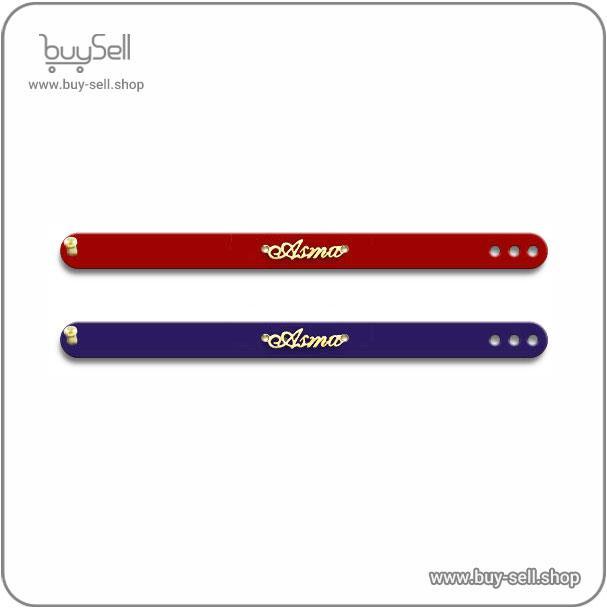
Product purchase offer: Bracelet and accessory pattern
Proper storage prevents deformation and environmental damage when your leather bag isn't in use. Always store it in a cool, dry place away from direct sunlight or heat sources, which can fade colors and dry out the material. Use a breathable dust bag or pillowcase to protect against dust, and stuff the interior with acid-free tissue paper to maintain shape and absorb humidity.
Avoid plastic bags or airtight containers that trap moisture and promote mold growth. If stacking bags, place heavier ones on the bottom to avoid pressure marks. For long-term storage, like seasonal changes, condition the bag beforehand and check it periodically. These practices safeguard your investment, preventing creases, discoloration, or mildew that could compromise the bag's integrity.
Leather bags are not always waterproof, so encountering water or spills requires immediate action. For water exposure, blot excess liquid with a dry absorbent cloth without rubbing, then let it air dry naturally away from heat. Once dry, apply conditioner to counteract any stiffness. Stains like ink or oil demand prompt treatment; for oil, sprinkle talcum powder to absorb it, let sit overnight, then brush away. Ink stains can be gently lifted with a pencil eraser or specialized remover, but test first.
For suede, use a suede brush to lift dirt and a waterproofing spray for future protection. Never use heat to dry wet leather, as it causes shrinkage. These methods minimize damage, restoring the bag's appearance while teaching you to be prepared with a basic care kit including brushes, cloths, and conditioners.
While routine maintenance handles most issues, certain damages like deep scratches, loose stitching, or hardware failure require professional intervention. Look for signs such as persistent odors, extensive cracking, or structural weakness that DIY methods can't fix. Reputable leather repair specialists use techniques like saddle stitching or color matching to restore items authentically.
Regular inspections during cleaning sessions help catch problems early, potentially saving costs. Investing in professional care every one to two years for high-use bags ensures longevity, making it a worthwhile expense for quality leather pieces. By knowing when to escalate, you avoid further deterioration and keep your bag in top condition.

 Saeede Bayat
May 04, 2025

 Buy Sell
Apr 20, 2025
 Saeede Bayat
Apr 28, 2025
 Saeede Bayat
Apr 23, 2025
 Buy Sell
Oct 25, 2025
Subscribe to the Buy Sell newsletter and enjoy its benefits.