


No products in the cart.
Explore the different types of leather, their properties, uses, and what makes each variety unique in quality and application.
Leather has been a prized material for thousands of years, valued across cultures and civilizations for its exceptional properties and versatility. Unlike synthetic alternatives or other natural materials, leather possesses a distinctive combination of characteristics that make it irreplaceable in many applications. Understanding what sets leather apart helps explain its enduring popularity in fashion, furniture, automotive interiors, and countless other industries.
Leather derives from animal hides and skins, primarily from cattle, sheep, goats, and pigs. This biological origin gives leather a complex fibrous structure that cannot be fully replicated by synthetic materials. The collagen fibers in animal skin are interwoven in a three-dimensional network, creating a material with exceptional strength relative to its weight. When properly tanned, these fibers become stable and resistant to decomposition while retaining flexibility.
The natural variation in fiber density and arrangement means that no two pieces of leather are identical. This inherent uniqueness adds character to leather products, with natural markings, grain patterns, and subtle color variations contributing to each item's individual appeal. These characteristics are often considered desirable features rather than flaws, distinguishing genuine leather from uniform synthetic materials.
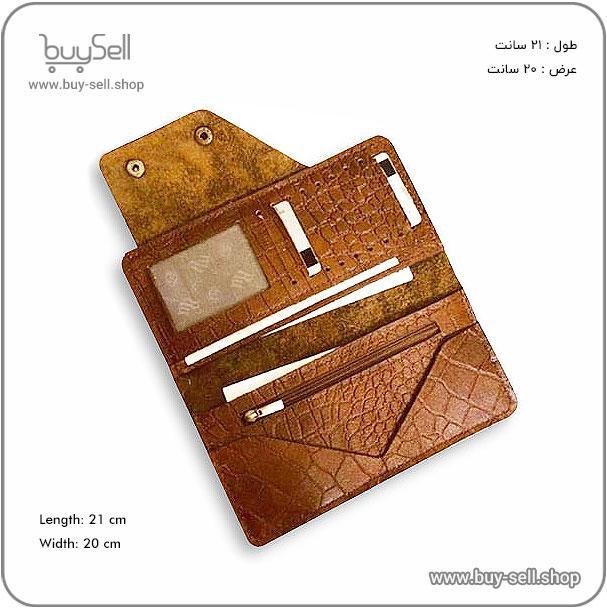
Product purchase offer: Leather wallet pattern
One of leather's most valued properties is its breathability. The porous structure of leather allows air and moisture vapor to pass through the material, making it comfortable to wear against the skin or sit upon for extended periods. This breathability helps regulate temperature, keeping the wearer cooler in warm conditions and warmer in cold environments. Leather footwear, for instance, allows feet to breathe while providing protection, reducing moisture buildup that can lead to discomfort.
This moisture management capability extends beyond simple permeability. Leather can absorb significant amounts of moisture without feeling wet to the touch, then release that moisture when conditions change. This hygroscopic property makes leather particularly suitable for items in direct contact with the body, such as gloves, jackets, and shoes, where comfort is paramount.
Leather's exceptional durability stems from its fibrous structure and the chemical changes that occur during tanning. Properly cared for leather products can last for decades, often outlasting items made from alternative materials. The material resists tearing and puncturing due to its interlocking fiber network, and it maintains its integrity even when subjected to repeated flexing and stress.
Perhaps more remarkably, leather often improves with age when properly maintained. As leather products are used, they develop a patina—a surface sheen and character that enhances their appearance. The material conforms to the shape of the user's body or the items it contains, becoming more comfortable and personalized over time. This aging process is generally viewed as adding value and beauty, creating a connection between the owner and the object that synthetic materials rarely achieve.
Leather's workability makes it suitable for an extraordinary range of applications. It can be cut, sewn, molded, embossed, dyed, and finished in countless ways to achieve different aesthetics and functional properties. Craftsmen can shape leather when wet and have it retain that shape when dry, allowing for three-dimensional forming impossible with many other materials.
The material accepts various treatments and finishes, from soft and supple garment leather to rigid and protective armor-grade leather. It can be made water-resistant, polished to a high gloss, or maintained with a natural matte finish. This adaptability allows leather to serve in contexts ranging from delicate bookbinding to heavy-duty industrial equipment, demonstrating a versatility that few materials can match.
These unique characteristics—natural origin, breathability, durability, aging properties, and versatility—combine to make leather a material that continues to be valued despite the availability of numerous alternatives. Its unique qualities ensure that leather remains relevant and desirable across diverse applications and cultures worldwide.
When selecting quality leather products, understanding the distinction between full grain and top grain leather is essential for making informed purchasing decisions. Both types originate from the uppermost layer of the hide, but they undergo different treatment processes that significantly affect their appearance, durability, and price point. Full grain leather represents the highest quality available, as it retains the entire grain layer with all natural markings, pores, and imperfections intact. This unaltered surface includes the densest fiber structure of the hide, making it exceptionally strong and resistant to wear. Top grain leather, while still considered premium, has its outermost surface sanded or buffed to remove natural blemishes and irregularities, creating a more uniform appearance at the expense of some durability.
The structural integrity of these two leather types differs considerably over time. Full grain leather contains the strongest fibers found in the hide, positioned in the tight grain layer closest to the hair. Because this surface remains untouched, it develops a rich patina as it ages, becoming more attractive and supple with use. The natural oils in the leather allow it to resist moisture better than other types, and its dense fiber structure makes it highly resistant to tearing and punctures. Products crafted from full grain leather can last decades when properly maintained, often improving aesthetically over the years.
Top grain leather, having been sanded to remove imperfections, loses some of the tightest fiber structure during processing. Manufacturers typically apply a finish coating to create a uniform color and texture, which protects the leather but also limits its breathability. While top grain leather remains durable and suitable for many applications, it generally does not develop the same distinctive patina as full grain. The applied finish may show wear patterns differently, sometimes cracking or peeling rather than aging gracefully. However, this consistency in appearance appeals to consumers who prefer a standardized look that remains relatively unchanged throughout the product's life.
The visual and tactile qualities of these leathers serve different aesthetic preferences. Full grain leather showcases the hide's natural beauty, including growth marks, scars, and variations in grain pattern. These authentic characteristics provide each piece with unique character that cannot be replicated. The surface feels more organic and varies slightly across different areas of the hide, reflecting the animal's natural features. For luxury goods, furniture, and heritage products, this authenticity commands premium prices and appeals to consumers who value traditional craftsmanship.
Top grain leather presents a more refined and consistent appearance that many find appealing for contemporary applications. The sanding process removes blemishes and creates a uniform canvas that accepts pigmented finishes evenly. This allows manufacturers to produce large quantities of identical-looking products with predictable color matching across production runs. The surface typically feels smoother and more consistent than full grain, though it may lack the depth and warmth of untreated leather. For products requiring color consistency or a modern aesthetic, top grain offers practical advantages despite its reduced longevity.
The cost difference between these leather types reflects their quality and the manufacturing processes involved. Full grain leather commands higher prices because only the finest hides qualify for this treatment—those with minimal scarring and damage that can be showcased rather than concealed. Additionally, less processing means manufacturers cannot disguise imperfections, requiring more selective sourcing. The superior longevity and aging properties justify the initial investment for consumers seeking lifetime purchases.
Product purchase offer: Leather shoulder bag and wallet set pattern

Top grain leather offers a more accessible price point while maintaining respectable quality standards. The sanding process allows manufacturers to use hides with minor imperfections that would be rejected for full grain applications, improving yield efficiency. For consumers prioritizing immediate aesthetics over long-term patina development, or those purchasing items expected to face heavy wear in shorter timeframes, top grain represents excellent value without compromising entirely on quality.
Exotic leathers represent a premium category of animal hides distinguished by their unique textures, patterns, and rarity. Unlike conventional bovine or ovine leathers, exotic varieties originate from reptiles, aquatic animals, and other specialized sources. These materials command higher prices due to their limited availability, complex processing requirements, and distinctive aesthetic qualities. Crocodile, alligator, python, ostrich, and stingray are among the most sought-after exotic leathers in luxury goods manufacturing. Each type possesses characteristic scale patterns, grain structures, and durability properties that make them ideal for high-end accessories, footwear, and upholstery applications.
The appeal of exotic leathers extends beyond visual impact to include exceptional longevity and performance characteristics. Many exotic hides demonstrate superior resistance to wear, water, and environmental stress compared to traditional leathers. However, working with these materials requires specialized knowledge and craftsmanship, as each variety demands specific tanning protocols, cutting techniques, and finishing methods to preserve its natural beauty and structural integrity.
Crocodile and alligator leathers rank among the most prestigious exotic materials in the luxury market. Crocodile leather features symmetrical, square-shaped scales with a refined appearance, while alligator displays a slightly more irregular pattern with a characteristic umbilical scar area. Both materials offer remarkable flexibility despite their armored appearance and develop a lustrous patina over time. The belly sections provide the most valued cuts, showcasing elegant tile-like scale arrangements that craftsmen carefully position for maximum visual effect.
Python and snake leathers present entirely different aesthetic qualities, characterized by their dramatic natural patterns and remarkable suppleness. Python skin exhibits bold diamond or irregular geometric patterns that vary depending on the species, while maintaining exceptional strength relative to its thickness. The scales create a three-dimensional texture that adds depth and movement to finished products. Snake leathers require meticulous handling during production to prevent scale loss and maintain pattern continuity across seams and edges.
Ostrich leather stands apart with its distinctive quill follicle pattern, creating raised bumps across the hide's surface where feathers once grew. This characteristic texture provides immediate recognition and tactile appeal, while the leather itself offers exceptional softness and durability. Full-quill ostrich, featuring the complete follicle pattern, represents the premium grade, whereas smooth ostrich from the legs and sides provides a more uniform appearance. The material's natural oils contribute to its resistance to cracking and stiffening, making it ideal for frequently handled items like wallets and handbags.
Stingray leather, also known as shagreen, possesses unique qualities among exotic varieties. Its surface consists of tiny calcium deposits creating a naturally textured, bead-like appearance that requires no embossing. This material demonstrates extraordinary durability and water resistance, historically making it valuable for sword handles and armor before transitioning to luxury applications. The central area features a distinctive star-shaped calcium ridge that artisans often position as a focal point in finished pieces. Unlike most leathers, stingray maintains its structure when wet and resists scratching and puncturing exceptionally well.
The exotic leather industry operates under strict regulatory frameworks governing animal sourcing and trade. International conventions monitor and restrict commerce in protected species, requiring documentation and certification for legal materials. Responsible manufacturers source from certified farms that maintain sustainable populations and humane practices, ensuring long-term species viability while meeting market demand. Consumers should verify authenticity through established dealers who provide proper documentation and transparency regarding material origins.
Distinguishing genuine exotic leathers from imitations requires understanding characteristic markers unique to each variety. Authentic materials display natural irregularities in scale size, pattern flow, and texture that synthetic alternatives cannot perfectly replicate. The edges of genuine exotic leathers reveal layered fiber structures, while artificial versions show uniform composition throughout. Professional authentication may be necessary for high-value purchases, protecting buyers from counterfeit products while supporting legitimate trade channels that contribute to conservation efforts through regulated sustainable harvesting programs.
Quality leather products begin with understanding the material itself. Genuine leather comes in several grades, with full-grain leather representing the highest quality tier. This grade retains the complete natural grain of the hide, including all the unique markings and pores that give each piece its distinctive character. Full-grain leather develops a rich patina over time, becoming more beautiful with age rather than deteriorating. Top-grain leather follows as the second-highest quality, with a slightly corrected surface that removes minor imperfections while maintaining durability. Lower grades include genuine leather and bonded leather, which use inferior portions of the hide or leather scraps compressed together. Recognizing these distinctions empowers consumers to make informed purchasing decisions based on their needs and budget.
Evaluating leather quality requires hands-on examination whenever possible. Begin by examining the surface texture closely. Quality leather displays natural variations, slight imperfections, and unique grain patterns that confirm its organic origin. Synthetic alternatives often exhibit unnaturally uniform patterns or repetitive textures. The smell test provides another reliable indicator, as genuine leather emits a distinctive, rich aroma, while imitation materials smell chemical or plastic-like. Flex the leather gently to observe how it responds. Premium leather feels supple yet firm, bouncing back to its original shape without excessive wrinkling or creasing. Check the edges and underside of the product as well. Quality manufacturers finish edges cleanly and leave the reverse side with a fibrous, suede-like texture rather than a fabric backing, which typically indicates bonded or faux leather.
The water absorption test offers additional verification. Place a small water droplet on an inconspicuous area. Genuine leather absorbs moisture gradually, darkening temporarily before drying, whereas synthetic materials repel water or absorb it too quickly. Weight also matters. Quality leather products feel substantial and dense compared to lighter synthetic alternatives. Finally, examine the stitching and construction. Premium leather goods feature even, tight stitching with strong thread, often using techniques like saddle stitching that ensure longevity.
Many consumers fall into predictable traps when selecting leather products. The most frequent error involves prioritizing price over quality. While premium leather commands higher prices, extremely cheap leather goods nearly always compromise on material grade, construction, or both. These bargain items wear out quickly, ultimately costing more through repeated replacements. Another mistake involves confusing heavily finished or corrected leather with quality. Some manufacturers apply thick coatings to inferior leather, creating an artificially smooth appearance that masks poor material underneath. This finish cracks and peels over time, revealing the substandard base.
Shoppers also frequently overlook the importance of brand reputation and craftsmanship. Established leather goods manufacturers invest in quality materials and skilled artisans, standing behind their products with warranties and guarantees. Conversely, unfamiliar brands with no verifiable history often produce inconsistent quality. Additionally, buyers sometimes ignore the intended use of their purchase. A leather jacket requires different characteristics than a wallet or belt. Selecting the appropriate leather type and thickness for your specific application ensures satisfaction and longevity.
After assessing quality indicators and avoiding common pitfalls, the final decision should balance several factors. Consider your budget realistically, recognizing that quality leather represents an investment that pays dividends through years of use. Evaluate the manufacturer's reputation through reviews and testimonials from verified purchasers. Examine care requirements, as different leather types demand varying maintenance levels. Full-grain leather needs conditioning and protection, while some treated leathers require minimal care.
Check warranty terms and return policies, which reflect manufacturer confidence in product quality. Reputable sellers offer reasonable return windows and address defects promptly. Finally, trust your instincts. Quality leather products feel right in your hands, exhibiting craftsmanship and attention to detail that justify the investment. By applying these principles systematically, you can confidently select leather products that provide lasting value, functionality, and aesthetic appeal for years to come.
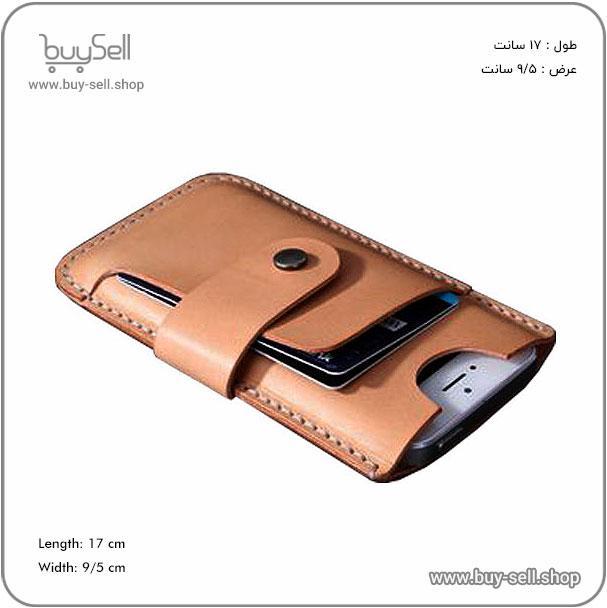
Product purchase offer: Leather Phone Case Pattern
Full grain leather represents the highest quality leather available and requires specific care to maintain its natural beauty and durability. This type of leather retains the complete grain surface with all its natural markings and imperfections, making it breathable and capable of developing a rich patina over time. To properly care for full grain leather, begin by regularly wiping the surface with a soft, dry cloth to remove dust and dirt. Apply a leather conditioner every three to six months to prevent the material from drying out and cracking. Avoid exposing full grain leather to direct sunlight for extended periods, as this can cause fading and deterioration. When the leather gets wet, allow it to air dry naturally at room temperature rather than using artificial heat sources which can damage the fibers. Store full grain leather items in a cool, dry place with adequate ventilation to prevent mold growth and maintain the material's integrity.
Top grain leather undergoes more processing than full grain leather, with the surface being sanded and refinished to remove imperfections, resulting in a more uniform appearance. This processing makes top grain leather slightly more resistant to stains but also requires consistent maintenance. Clean top grain leather products regularly using a damp cloth with mild soap, ensuring you wipe away any soap residue immediately to prevent buildup. Conditioning is essential for top grain leather, though it may require less frequent applications than full grain varieties. Apply a quality leather conditioner every four to six months to keep the material supple and prevent cracking. Because top grain leather has a protective finish, it can handle slightly more moisture than full grain, but you should still avoid soaking the material. For stubborn stains, use specialized leather cleaning products designed specifically for top grain leather, testing any product on an inconspicuous area first to ensure it does not discolor or damage the finish.
Suede and nubuck leather feature a distinctive soft, velvety texture created by buffing the inner or outer layer of the hide. These delicate materials require specialized care techniques that differ significantly from smooth leather varieties. Prevention is key when caring for suede and nubuck, so apply a waterproofing spray specifically designed for these materials before first use and reapply regularly according to product instructions. Use a suede brush with soft bristles to gently remove dirt and restore the nap of the material, always brushing in one direction to maintain the texture. For wet spots, blot immediately with a clean cloth and allow the item to air dry completely before brushing. Avoid using water or liquid cleaners directly on suede and nubuck, as moisture can cause permanent staining and damage. Instead, rely on dry cleaning methods using suede erasers for scuff marks and specialized suede cleaning blocks for tougher stains. Store suede and nubuck items away from direct sunlight and in breathable fabric bags rather than plastic to prevent moisture accumulation and texture degradation.
Bonded leather and genuine leather represent more affordable leather options created from leather scraps and fibers bonded together with adhesives, often with a polyurethane coating. While these materials are less durable than higher quality leathers, proper care can extend their lifespan significantly. Clean bonded and genuine leather surfaces regularly with a slightly damp cloth to remove surface dirt, avoiding excessive moisture which can break down the bonding agents. Use conditioning products sparingly, as over-conditioning can actually damage the synthetic layers present in these materials. Apply a small amount of leather conditioner designed for finished leather every six months or as needed if the surface appears dry. Protect bonded and genuine leather from sharp objects and excessive wear, as the surface coating can peel or crack more easily than natural leather. Keep these items away from heat sources and direct sunlight to prevent the synthetic components from breaking down prematurely. When storing, ensure adequate support to prevent creasing and folding that can permanently damage the thinner material structure characteristic of bonded and genuine leather products.

 Saeede Bayat
May 04, 2025

 Buy Sell
Apr 20, 2025
 Saeede Bayat
Apr 28, 2025
 Saeede Bayat
Apr 23, 2025
 Buy Sell
Oct 25, 2025
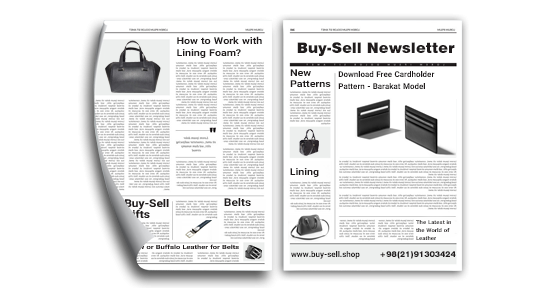
Subscribe to the Buy Sell newsletter and enjoy its benefits.