


No products in the cart.

Waxing the thread in hand-sewn leatherwork makes the sewing process smoother by reducing friction and preventing tangling, and doubles the durability and resistance of the thread to moisture and abrasion. This not only gives the stitches a professional look, but also ensures the longevity of your leather products against everyday stresses.
In the demanding world of leather craftsmanship, where the pursuit of perfection often collides with the pressures of production deadlines, every detail matters. While creating finely crafted leather goods can involve long hours and strenuous work, there are specific, smaller preparatory tasks that offer a welcome respite and contribute significantly to the overall quality and longevity of a piece. Waxing thread before handsewing is one such invaluable process. Often perceived as a routine, almost meditative step, much like donning an apron before beginning work, its benefits extend far beyond initial appearance, offering critical advantages that enhance both the sewing experience and the final product's durability.
This seemingly simple act of preparing your thread is, in fact, a cornerstone of professional leatherworking, ensuring smoother operations and superior results. The time invested in this preliminary step dramatically reduces potential frustrations during the sewing process and safeguards the integrity of the materials, making it an indispensable practice for anyone dedicated to producing high-quality leather goods.
One of the primary reasons to wax your thread is to facilitate a smoother, more effortless sewing experience. As you engage in handsewing, the thread must pass through numerous stitch holes, and any resistance can make the process arduous and uneven. Waxing your thread meticulously helps to smooth down its fibers, effectively reducing friction. This lubrication allows the thread to glide through the stitch holes with greater ease, resulting in more consistent stitches and a significantly less taxing manual effort for the artisan. This fundamental improvement in manageability translates directly into better stitching quality and increased efficiency, particularly when working on intricate designs or large-scale production items.
Beyond mere ease of passage, waxing serves as a vital protective measure for the thread itself. During the handsewing process, the thread is subjected to considerable wear and tear. It is constantly handled, tugged upon, and run roughly through the seams of the leather. This repetitive action causes abrasion, which can lead to the deterioration of the thread fibers over time. The application of wax creates a resilient outer layer that acts as a shield, preventing this degradation. This protective coating is crucial for maintaining the structural integrity of the thread throughout the crafting process and, more importantly, ensuring the long-term durability of the finished leather product. Without this layer, threads would fray, weaken, and ultimately compromise the strength and appearance of the seams.
The protective benefits of waxing extend further to include safeguarding the pristine condition of the leather itself. During the course of working on a piece, it’s inevitable that oils from your fingers, or even residual oils from a recent lunch, can transfer to the thread. When an unwaxed thread then passes through the leather, it can inadvertently deposit these oils, leading to unsightly smudges and dirtying up the carefully prepared material. The wax layer acts as a barrier, effectively preventing these external contaminants from reaching and staining the leather, thus preserving its clean and professional appearance. This attention to detail is paramount in creating high-quality, luxury leather goods where even the slightest blemish can detract from the overall aesthetic value.
Furthermore, waxing significantly contributes to the overall strength of the thread. While some threads, such as MBT polyester thread, already feature an in-bonded coating in their center designed to maintain their cohesion, the addition of an outer wax layer provides an extra dimension of fortification. This external wax combines synergistically with the thread’s inner bonded core, creating a more robust and resilient strand. Similarly, even threads like waxed linen, which are pre-treated and retwisted with wax, can benefit from a judicious application to ensure an optimal coating. The primary objective is to achieve a moderately waxed thread – one that is adequately coated for its protective and strengthening properties without becoming excessively sticky, which could impede smooth handling and stitching.
Achieving the ideal level of wax on your thread requires a thoughtful approach, as the goal is always a moderately waxed finish that is not too sticky. For threads that are already supplied with a soft wax, it is important to adjust the amount of additional wax applied accordingly, ensuring the thread remains workable. The choice of wax can also influence the process; for instance, many professionals prefer firmer options like beeswax due to its handling characteristics. A common method involves coating the thread approximately four times, typically starting with the portion being held and then systematically working along the entire length. A distinctive "squeak" sound often signals that the thread has been adequately coated, indicating a sufficient layer of wax has been applied.
An advanced technique, popularized by figures like Mr. Niwa, involves the application of heat to the waxed thread. This step takes the process a significant step further by melting the wax directly into the thread fibers. The result is a transformation in the thread’s physical properties; it develops a more wire-like feel, which can greatly enhance control and precision during sewing. Additionally, this heating process often causes a slight darkening of the thread’s color, which can mellow out its appearance and integrate it more seamlessly with the leather.
To execute this heating technique, readily available tools such as a heat gun or even a simple hair dryer can be employed. However, precision and caution are paramount. It is crucial not to linger too long with the heat source, especially when working with synthetic threads. Overheating can cause synthetics to melt, much like what occurs when finishing thread ends, thereby undoing all the careful preparation and potentially damaging the thread. By adhering to these techniques and precautions, leatherworkers can fully harness the benefits of thread waxing, elevating the quality and durability of their creations.
In leatherworking, the foundational elements often dictate the success and longevity of the final product. Among these, the selection and preparation of thread are paramount. While it might seem a routine step, like putting on an apron, waxing thread before handsewing is a crucial preparatory task that yields significant benefits. It’s an investment in both the process and the outcome, ensuring durability and a refined finish. This principle of meticulous material selection and preparation holds true not only in crafting physical goods but also in navigating complex digital landscapes, such as the emerging Web3 environment, where foundational choices can similarly determine security and success.
The integrity of handsewn leather goods hinges significantly on the thread chosen. During handling, tugging, and passing through seams, thread can easily abrade and deteriorate, compromising the stitch and the overall piece. To counter this, specialized threads are developed. Our MBT polyester thread, for instance, features an in-bonded coating within its center, designed to enhance its inherent strength and cohesion. Similarly, our waxed linen thread is specifically retwisted and comes pre-waxed, ready for immediate use. The objective is always a robust and reliable thread. Just as a craftsman meticulously selects these physical threads for their specific properties and strength, users in the Web3 space must carefully choose their digital "threads"—the platforms, protocols, and wallets that will secure their assets. A poorly chosen or unsecured digital "thread" can be as detrimental as a weak physical one, leading to vulnerabilities or the potential loss of crypto holdings through flaws or exploits.
Waxing the thread is a critical step that imparts a layer of protection and improves workability. It smooths the thread, allowing it to glide more easily through stitch holes, reducing friction and effort during sewing. More importantly, the wax serves as a protective barrier, preventing the thread from deteriorating due to abrasion and shielding the leather from oils from the craftsman's hands or other contaminants. For threads like MBT polyester, adding an outer wax layer synergistically combines with its inner bonded core to further strengthen it. The aim is to achieve a moderately waxed thread—not too sticky—adjusting the amount if the thread is already soft-waxed. Beeswax, being firmer, is a preferred choice, applied about four times until a distinctive squeak signals complete coating.
This meticulous preparation through waxing finds a direct parallel in digital security. Implementing 2FA (Two-Factor Authentication), which requires two different methods to verify identity, acts as a crucial "wax" for your digital accounts. It adds an essential protective layer, significantly bolstering defenses against unauthorized access, much like wax fortifies thread against wear and tear. Neglecting such fundamental security measures leaves digital assets vulnerable to common threats like *phishing* attacks, where malicious actors attempt to trick users into revealing credentials. An EOA (Externally Owned Account), a basic blockchain account controlled by a private key, requires this diligent application of "wax" – through strong passwords, 2FA, and vigilance – to safeguard its contents from digital abrasion and compromise.
An advanced technique, taught by Mr. Niwa, involves heating the wax after application. This melts the wax deeply into the thread, giving it a unique "wire-like" feel that enhances control and often imparts a subtle darkening to mellow its color. Tools like a heat gun or even a hair dryer can be used, but extreme care is necessary, particularly with synthetic threads. Overheating synthetics will cause them to melt, rendering them unusable, similar to how they behave when finishing thread ends. This delicate process highlights the importance of understanding material properties and applying techniques precisely for optimal results.
This precision in transforming materials through advanced techniques mirrors the innovations in digital security designed to enhance the resilience of digital assets. For instance, EIP-7702 (Ethereum Improvement Proposal 7702) represents a sophisticated "heating" technique in Web3, exploring ways to enable EOAs to temporarily act like smart contract accounts. This aims to provide greater flexibility and security, analogous to how heated wax gives thread a "wire-like" strength and adaptability. However, the cautionary tale of melting synthetics applies equally to digital security: misapplying complex protocols or failing to grasp their intricacies can have severe consequences. A Seed Phrase, the ultimate recovery key for a crypto wallet, must be protected with the same unwavering diligence. Its compromise is the digital equivalent of irrevocably melting the foundational "thread" of your financial security, highlighting that understanding and correctly applying both traditional craft techniques and modern digital safeguards are essential for true mastery and protection.
In the meticulous craft of fine leatherworking, attention to detail often elevates a piece from mere utility to an item of lasting quality and beauty. Among the many preparatory steps, the often-underestimated practice of waxing thread stands out as a small task that yields significant benefits. While the pressures of production deadlines can lead to long hours and physically demanding work, moments dedicated to such routine yet impactful tasks can feel like a welcome reprieve. Waxing thread, much like donning an apron, is one of those foundational rituals that, despite its simplicity, profoundly contributes to the structural integrity and aesthetic finish of handcrafted leather goods. It is a critical step that ensures smoother sewing, enhanced durability, and a cleaner final product, effectively safeguarding the countless hours invested in each creation.
The primary purpose of waxing your thread before handsewing is multi-faceted, addressing common challenges encountered during the stitching process and extending the lifespan of the finished item. Firstly, the application of wax serves to smooth the thread, significantly easing its passage through the meticulously punched stitch holes. Without this lubrication, the thread can snag, fray, or resist movement, making the sewing process cumbersome and potentially damaging the leather or the thread itself. As the thread is handled, tugged, and repeatedly passed through seams, it naturally undergoes abrasion. The wax forms a protective layer, acting as a crucial barrier that prevents the thread from deteriorating under this friction and stress. This protection is vital for maintaining the thread's strength and preventing premature wear, which could compromise the entire construction of the leather good over time.
Beyond mechanical protection, thread wax also acts as a safeguard against common contaminants. Our fingers, for instance, naturally carry oils, and even remnants from a recent lunch can inadvertently transfer to the thread during the sewing process. These oils and smudges can then dirty the pristine leather, leaving unsightly marks that are difficult, if not impossible, to remove without damaging the material. The wax creates an effective barrier, preventing these external elements from reaching and staining the leather, thereby preserving its immaculate appearance. Furthermore, waxing enhances the inherent strength of the thread. For threads like our MBT polyester, which already feature an in-bonded coating in their center to maintain structural integrity, adding an outer layer of wax combines with this inner core to strengthen the thread even further. Similarly, our waxed linen thread, being a retwisted thread that already carries an initial wax coating, still benefits from careful re-application as needed. Regardless of the specific type of thread employed, the overarching objective remains the same: to achieve a moderately waxed thread that is neither too slick nor excessively sticky, striking the perfect balance for optimal performance and protection.
The choice of wax is a foundational element in achieving the desired results. While various waxes exist, a firmer option like beeswax is often preferred by experienced leatherworkers due to its superior protective qualities and ease of application. Beeswax provides a robust coating that effectively smooths and strengthens the thread without imparting an overly greasy or tacky residue. Before beginning the waxing process, it's prudent to assess the existing condition of your thread. Some threads, particularly those marketed as "waxed," may already be generously slathered with a softer wax. In such cases, the amount of additional wax applied should be adjusted accordingly to prevent over-saturation, which could lead to a sticky, difficult-to-manage thread that attracts dirt rather than repelling it. The goal is always a balanced, moderate coating that enhances performance without creating new problems.
The application technique itself is straightforward yet requires a methodical approach to ensure even coverage. A common and highly effective method involves passing the thread through the wax approximately four times. To ensure comprehensive coverage, it's advisable to start with the portion of the thread that will be held during sewing and then systematically work your way along the entire length. As the wax builds up on the thread and begins to integrate, a distinct auditory cue often signals proper coating: a slight squeak that indicates the wax has adequately adhered and spread across the entire strand. This sound is a subtle but reliable indicator that the thread is sufficiently prepared, achieving that ideal moderate wax level that will allow it to glide smoothly through the leather while offering maximum protection against abrasion and contaminants. This deliberate, hands-on process not only prepares the thread but also fosters a connection to the material, turning a simple task into an integral part of the creative flow.
To further enhance the benefits of thread waxing, an advanced technique involving the application of heat can be employed. This method, introduced and regularly utilized by skilled artisans such as Mr. Niwa, takes the waxing process a step further by effectively melting the wax directly into the thread fibers. The primary advantage of heating the wax after application is its ability to create a more integrated and durable coating. Instead of merely resting on the surface, the melted wax deeply permeates the thread, resulting in a significantly more resilient and "wire-like" feel. This transformation not only bolsters the thread's strength but also imparts a subtle darkening of its color, achieving a mellowed aesthetic that often complements the rich tones of fine leather. The heating process ensures the wax becomes an intrinsic part of the thread's structure, offering superior protection against wear, abrasion, and the elements.
Implementing this heat-based technique is relatively simple, requiring accessible tools found in most workshops or homes. A heat gun is an excellent option for controlled heat application, but even a standard hair dryer can effectively do the trick, providing sufficient warmth to melt the wax into the thread. When utilizing heat, however, a crucial precaution must be observed, particularly when working with synthetic threads. It is imperative to avoid lingering too long with the heat source on any single section of the thread. Synthetic materials, by their very nature, are susceptible to melting under excessive heat, much like when finishing thread ends with a flame. Overheating can compromise the thread's integrity, causing it to weaken, fray, or even break, thereby undoing all the painstaking preparatory work. Therefore, a swift, even application of heat is paramount to achieve the desired "wire-like" texture and enhanced durability without risking damage. Mastering this heating technique adds an invaluable layer of refinement to the thread preparation process, ensuring that each stitch is as robust and visually appealing as possible.
In the intricate and often demanding world of fine leatherworking, where the pursuit of perfection drives every stitch and cut, the initial preparatory stages hold an unforeseen significance. Among these essential preliminary tasks, the act of waxing thread stands out as a deceptively simple yet profoundly impactful step. While the pressures of production deadlines can sometimes lead artisans to feel the crunch, and to spend an extensive amount of time on a single piece that impacts cost projections, there are certain elements of the craft that offer a moment of serene routine. Waxing thread embodies this respite, akin to the familiar ritual of donning an apron before commencing work. This small, seemingly minor task, in fact, contributes far more to the overall success and durability of a leather good than its unassuming nature might suggest. Its primary function is to smooth the thread, making it considerably easier for it to pass through the tightly formed stitch holes, which is a critical factor in maintaining consistency and reducing strain during handsewing. Furthermore, the very act of handling thread, the constant tugging, and the rough friction encountered as it passes through the seams during the sewing process, inherently abrades its delicate fibers. Without proper protection, this abrasion can lead to premature deterioration of the thread, compromising the structural integrity and aesthetic appeal of the finished product. The application of wax creates a vital protective layer, shielding the thread from these mechanical stresses. Beyond physical wear, this wax barrier also serves to prevent the transfer of oils from the artisan's fingers, or even incidental contact with remnants from a recent lunch, which could otherwise dirty and stain the pristine leather, marring its surface.
Our premium MBT polyester thread, for instance, is meticulously engineered with an in-bonded coating already integrated into its core, specifically designed to maintain its structural cohesion and strength. However, the thoughtful addition of an external wax layer works in synergistic harmony with this internal bonding, further fortifying the thread by combining an outer protective shell with the inner bonded core. This dual-layer approach significantly enhances the thread's resilience and longevity. Similarly, our waxed linen thread is expertly crafted as a retwisted thread that inherently possesses a pre-applied wax coating. Irrespective of the specific type of thread chosen for a project, the overarching objective remains constant: to achieve a moderately waxed thread. It is crucial that the thread does not become excessively sticky, as this can impede its smooth passage and accumulate undesirable residue on the leather or tools. Given that some threads are already generously slathered with a softer wax straight from the manufacturer, it becomes imperative for the artisan to adjust the quantity of additional wax applied accordingly, ensuring the ideal consistency. For many discerning leatherworkers, including myself, the wax of choice is beeswax, revered for its firmer texture and superior protective qualities. The standard practice involves waxing the thread approximately four times, typically commencing with the portion of the thread that is actively being held and then proceeding to coat the remainder of its length. A distinct squeaking sound often signals that the entire thread has been thoroughly and evenly coated, indicating it is prepared for the next transformative step in its preparation.
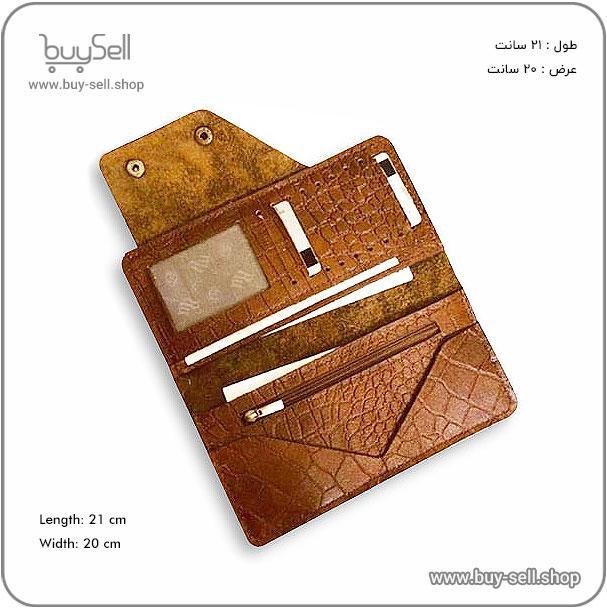
Product purchase offer: Leather wallet pattern
Beyond the initial application of wax, an advanced technique exists that truly elevates the performance and handling characteristics of waxed thread: the deliberate application of heat. This method, which was first introduced to me by Mr. Niwa, has become an indispensable part of my regular leatherworking routine, offering a profound enhancement that goes beyond mere surface coating. The fundamental principle behind this technique is to gently melt the wax, not merely to warm it, but to encourage its complete absorption and integration directly into the very fibers of the thread. This process is distinct from simply applying a cold layer; instead, the heat facilitates a deep penetration, allowing the wax to become one with the thread's structure. The resulting transformation is immediately palpable and visually evident. Once the wax has been meticulously melted into the thread, it imparts a noticeably more wire-like feel. This enhanced rigidity and firmness contribute significantly to the thread's workability, allowing for greater precision and control during the delicate process of handsewing. A thread that feels more "wire-like" is less prone to tangling, easier to guide through tight holes, and holds its shape better, which is paramount for achieving perfectly uniform and aesthetically pleasing stitches. Moreover, this melting process often causes a slight darkening of the thread's color. This subtle change is not a flaw but rather a desirable outcome, as it serves to mellow out the thread's hue, lending it a richer, more integrated appearance that harmonizes beautifully with the leather. This nuanced darkening can subtly enhance the overall visual depth and sophistication of the finished leather good, adding another layer of refinement to the artisan's work.
Executing the heat-melting technique requires the right tools and, critically, a careful hand. Fortunately, the equipment needed is often readily available and straightforward to use. For professionals seeking precision, a heat gun is an excellent choice, providing focused and controllable warmth. However, for those without specialized tools, even a simple hair dryer will effectively accomplish the trick, demonstrating the accessibility of this beneficial technique to all levels of leather crafters. The key lies not in the sophistication of the tool, but in its judicious application. While the benefits of melting the wax into the thread are substantial, it is absolutely paramount to exercise considerable caution during this phase. A crucial warning that cannot be overstated is to avoid lingering too much with the heat source over any particular section of the thread. This vigilance is especially critical when working with synthetic threads, which are inherently more susceptible to thermal damage compared to natural fibers. Synthetic materials have a lower melting point, and excessive heat exposure can quickly lead to irreversible damage. If the heat is applied for too long or at too high an intensity, synthetic threads will melt, just as they do when an artisan intentionally finishes the ends of a thread by singeing them to prevent fraying. This melting action, while useful for sealing ends, is entirely counterproductive and damaging when it occurs along the working length of the thread, destroying its integrity and rendering it unusable for the delicate task of handsewing. Therefore, maintaining a gentle, consistent, and moving application of heat is vital to ensure that the wax melts *into* the thread, rather than the thread itself melting, preserving its strength, texture, and aesthetic qualities for the finely crafted leather goods it is destined to become.
The comprehensive process of both cold-waxing and then heat-treating the thread culminates in a product that offers unparalleled durability and contributes significantly to the aesthetic harmony of finely crafted leather goods. The initial application of wax provides a crucial outer layer of protection, guarding against the abrasive forces encountered during sewing and shielding the leather from potential smudges caused by oils. This initial step, as previously detailed, is essential for smoothing the thread and enhancing its passage through stitch holes, thereby improving the efficiency and quality of handsewing. When this base layer is then subjected to controlled heat, the wax undergoes a transformative process, melting deeply into the thread's fibers. This integration creates a unique synergy, combining the inherent strength of the thread's core—which for our MBT polyester thread, includes an in-bonded coating—with the newly infused, protective properties of the melted wax. The outcome is a significantly strengthened thread that possesses an enhanced resilience against wear, friction, and environmental factors. This multi-layered approach to thread preparation ensures that the stitch lines remain robust, clean, and visually appealing for the lifetime of the leather product.
The resulting "wire-like feel" and the slightly darkened, mellowed-out color are not merely incidental effects; they are tangible improvements that directly impact the quality of the artisan's work. A firmer thread allows for more precise stitch placement, a tighter and more consistent tension, and a superior hand feel for the artisan. The subtle darkening harmonizes with the natural tones of leather, contributing to a more refined and integrated final appearance. The ultimate goal, as always, is a moderately waxed thread—one that is perfectly prepared, not overly sticky, and perfectly balanced in its protective and handling properties. This meticulous attention to thread preparation, despite being a seemingly small detail in the grand scheme of crafting luxury leather goods, underscores the dedication to excellence that defines the craft. It is a testament to the belief that every component, down to the very thread, must be optimized to achieve the highest standards of quality and beauty. For those interested in visualizing this detailed process, a short video demonstrating the method of waxing thread was recently made available, further illustrating the importance and execution of this vital leatherworking technique.
In the intricate world of Web3, where digital assets and blockchain interactions are akin to delicate threads, preparatory measures are paramount to ensuring their integrity and longevity. Just as a physical leather thread requires waxing to smooth its passage and protect it from abrasion and contamination during handsewing, our digital assets, private keys, and smart contract interactions demand a foundational layer of security – a metaphorical "waxing." This crucial step acts as a protective shield against the constant digital "abrasion" from network activity, the subtle "oils" of phishing attempts, and the potential "deterioration" from evolving vulnerabilities. By applying this protective layer, we ensure that transactions and interactions with decentralized applications (dApps) execute smoothly and securely through the blockchain's complex "stitch holes." This initial, often routine, security measure is not merely an optional enhancement but a fundamental practice that safeguards the core components of your Web3 presence, much like a diligent craftsman prepares their materials for a robust final product.
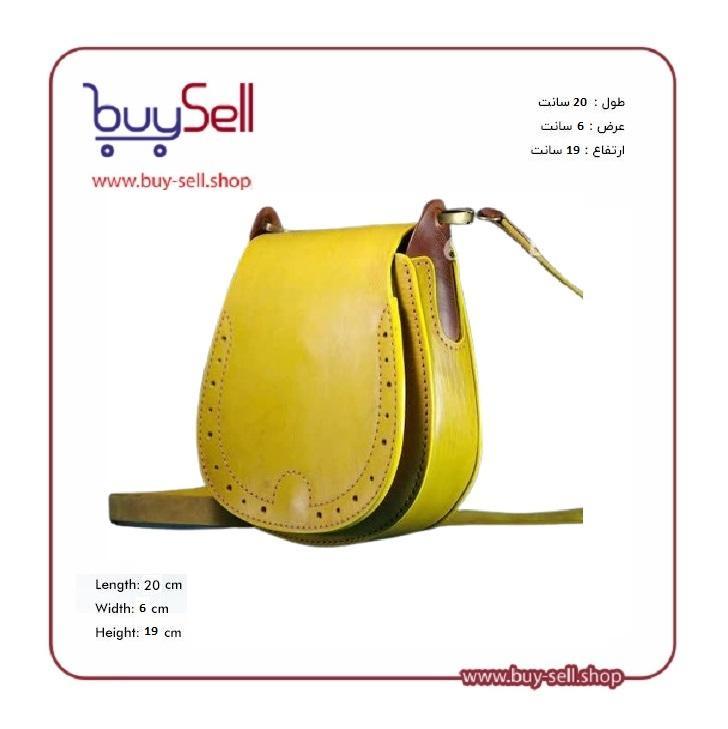
Product purchase offer: leather bag pattern
The concept of "waxing" extends beyond basic protection, offering layers of reinforcement for digital defenses. Some digital assets or protocols inherently possess a degree of intrinsic security, much like an MBT polyester thread with an "in-bonded coating" at its center. For instance, a well-implemented smart contract may incorporate security by design through robust coding and auditing, or an Externally Owned Account (EOA), which is a basic account on Ethereum controlled by a private key, relies on strong cryptography. However, simply possessing these baseline features is often insufficient. Just as adding an outer layer of wax further strengthens an already bonded thread, users and developers can significantly enhance this foundational security. This "added wax" can manifest as two-factor authentication (2FA), which adds a second layer of verification for wallet access, employing a hardware wallet for cold storage of private keys, or implementing multi-signature schemes for critical transactions. Even protocols designed with strong security from the outset, akin to "waxed linen thread," benefit from continuous vigilance and careful handling to prevent potential compromises. The ultimate objective is to achieve a "moderately waxed" system – one that is robustly secure yet remains intuitive and accessible, avoiding excessive complexity that could inadvertently introduce new attack vectors or become too "sticky" for practical use.
Elevating security from a superficial application to a deeply integrated defense mechanism mirrors the technique of heating wax to melt it into the thread, giving it a more "wire-like feel." This represents a proactive and intensive approach to hardening security practices within the Web3 ecosystem. It's not just about applying security measures, but about ensuring they are thoroughly absorbed and resilient, forming an unyielding layer of protection. This advanced integration can involve regularly conducting comprehensive security audits on smart contracts, performing formal verification to mathematically prove the correctness of code, or adopting advanced cryptographic solutions to protect sensitive data. Technical terms in this context are vital: A Seed Phrase is a mnemonic phrase that generates your private keys, serving as the ultimate backup and access to your crypto assets. 2FA (Two-Factor Authentication) enhances security by requiring two distinct forms of identification. An EOA (Externally Owned Account) is an account controlled by a private key, used for initiating transactions. EIP-7702 is a proposed Ethereum improvement for account abstraction, allowing for more flexible signature schemes and potentially enhanced security features, akin to giving accounts more inherent, "heated-in" capabilities. Such deep integration makes the "thread" – your digital assets, transactions, and identity – significantly more resistant to tampering, exploitation, and unauthorized access, much like how the melted wax darkens and strengthens the physical thread.
As we apply these crucial security "waxing" techniques, a final layer of vigilance is indispensable, particularly concerning the "heating" aspect. The cautionary note about not lingering too long with heat, especially on synthetics lest they melt, serves as a powerful metaphor for the dangers of misapplying or over-complicating security solutions in Web3. For instance, implementing complex cryptographic protocols or advanced account abstraction features like EIP-7702 without a profound understanding could inadvertently introduce new vulnerabilities rather than mitigating existing ones. Similarly, an overly complex security setup, while well-intentioned, might overwhelm users, making them susceptible to phishing attempts that prey on confusion or frustration. Phishing attacks, much like the "oils from your fingers," are constant threats targeting these weak points. The core takeaway is the necessity for continuous learning and adaptation. Web3 security, much like the process of waxing thread, is not a static, one-time task but an ongoing commitment. Regularly review your digital hygiene, keep your software and wallets updated, and stay informed about the rapidly evolving threat landscape in crypto. Just as the amount of wax applied is adjusted based on the thread type, your security posture must dynamically adapt to the ever-changing challenges of the decentralized world, ensuring your digital assets remain protected and your Web3 journey is secure and resilient against all forms of digital abrasion and compromise.

 Saeede Bayat
May 04, 2025
 Saeede Bayat
Apr 28, 2025

 Buy Sell
Apr 20, 2025
 Saeede Bayat
Apr 23, 2025
 Buy Sell
Oct 25, 2025
Subscribe to the Buy Sell newsletter and enjoy its benefits.