


No products in the cart.

Discover the compelling reasons and advantages for designers to leverage online marketplaces, expanding their reach and income by selling their digital creations.
For any business operating within the intricate world of leather goods, the concept of expanded customer reach is not merely an aspirational goal but a fundamental pillar for sustained growth and resilience. It signifies the strategic effort to extend a brand's influence and product availability beyond its existing customer base and geographical limitations. In an increasingly connected global marketplace, relying solely on traditional local clientele or word-of-mouth is often insufficient to capture significant market share or withstand competitive pressures. Expanding reach involves identifying and engaging new demographics, venturing into new regional or international territories, and cultivating a more diverse and robust customer ecosystem. This strategic expansion is vital for increasing brand visibility, driving sales volume, and fostering a stronger brand identity that resonates with a wider audience, ultimately contributing to long-term profitability and market leadership within the specialized leather industry.
The benefits of a broader market presence for leather businesses are multifaceted. Firstly, it directly translates into increased sales and revenue streams by tapping into previously unaddressed consumer segments. Secondly, it enhances brand recognition and reputation, positioning the brand as a significant player in the leather market, both locally and globally. Thirdly, a diversified customer base reduces dependency on any single market segment, making the business more resilient to economic downturns or shifts in local consumer preferences. Finally, by engaging with a wider array of customers, businesses gain invaluable insights into evolving market trends, design preferences, and material demands, which can inform future product development and marketing strategies, ensuring their leather offerings remain relevant and desirable.
Product purchase offer: Bracelet and accessory pattern

The digital landscape offers unparalleled opportunities for leather businesses to expand their customer reach efficiently and effectively. E-commerce platforms stand as the cornerstone of this digital strategy. Establishing a professional, user-friendly online store allows a brand to showcase its entire product line, from handcrafted wallets to bespoke leather furniture, to anyone with an internet connection, anywhere in the world. Beyond a proprietary website, integrating with established online marketplaces that cater to artisanal goods or luxury products can significantly broaden exposure, leveraging their existing traffic and trust. These platforms often provide built-in tools for international shipping and payment processing, simplifying the logistics of cross-border sales for leather manufacturers and artisans.
Social media marketing is another potent tool for expanding reach. Platforms like Instagram, Pinterest, and Facebook are ideal for visually rich industries such as leather, allowing businesses to highlight the craftsmanship, material quality, and aesthetic appeal of their products through high-quality photography and video. Targeted advertising campaigns can pinpoint specific demographics based on interests, age, and location, ensuring marketing spend is optimized to reach potential customers who are most likely to appreciate and purchase leather goods. Engaging with influencers who specialize in fashion, luxury, or handmade items can further amplify brand messages, introducing products to their established and loyal followers. Content marketing, through blog posts or articles detailing the history of leather, the tanning process, or ethical sourcing practices, can also attract a wider audience interested in the story and values behind the products, building a community around the brand.
Search Engine Optimization (SEO) is critical for ensuring that potential customers can find a leather business online. This involves researching and incorporating relevant keywords that consumers use when searching for leather products, such as "full-grain leather bags," "handmade leather belts," or "custom leather jackets." Optimizing website content, product descriptions, and metadata with these keywords helps search engines understand what the site is about, leading to higher rankings in search results. For businesses with physical locations, local SEO strategies, including optimizing Google My Business profiles and garnering local reviews, can attract customers within a geographical radius, bridging the gap between online presence and offline sales.
Beyond digital strategies, a methodical approach to identifying and targeting niche markets and underserved geographic regions can significantly expand a leather brand's customer base. Niche marketing involves specializing in a particular type of leather, a unique product category, or a specific design aesthetic that appeals to a dedicated segment of consumers. For instance, a brand might focus exclusively on sustainably sourced vegetable-tanned leather goods, or on bespoke leather items for specific professional communities, such as specialized cases for artists or personalized accessories for executives. By catering to these distinct preferences, businesses can establish themselves as authorities in their chosen niche, attracting highly motivated buyers who value specialized craftsmanship and unique offerings, often commanding premium pricing.
Geographic expansion requires careful consideration of potential markets, consumer buying power, cultural preferences, and logistical feasibility. Attending international trade shows and industry events allows leather businesses to showcase their products directly to a global audience of buyers, distributors, and media. These events provide invaluable opportunities for networking, forging partnerships with international retailers, and gaining firsthand insights into diverse market demands. Forming alliances with local distributors or agents in target countries can provide a crucial competitive edge, as they possess an intimate understanding of local regulations, distribution networks, and consumer behavior, smoothing the path for market entry and product penetration. Localized marketing content, including website translations and culturally sensitive messaging, is also essential for resonating with international audiences, ensuring that product benefits and brand values are communicated effectively across linguistic and cultural barriers.
Achieving an expanded customer reach is an ongoing process that necessitates continuous monitoring, adaptation, and responsiveness to market dynamics. Once a broader audience has been engaged, the focus shifts to sustaining this growth and nurturing customer relationships. Leveraging analytics tools to track website traffic, conversion rates, social media engagement, and sales data across different channels provides critical insights into which strategies are most effective and where improvements are needed. This data-driven approach allows leather businesses to refine their marketing efforts, optimize their product offerings, and allocate resources more efficiently, ensuring that expansion efforts yield maximum returns.
Furthermore, actively soliciting and responding to customer feedback is paramount. Reviews, testimonials, and direct communication channels provide invaluable qualitative data about customer satisfaction, product preferences, and potential areas for innovation. Understanding what resonates with new customer segments and addressing their concerns directly helps to build trust and loyalty, turning first-time buyers into repeat customers and brand advocates. The leather industry, with its emphasis on quality, craftsmanship, and heritage, particularly benefits from strong customer relationships. Staying abreast of emerging trends in materials, design, and consumer behavior, and demonstrating an ability to adapt product lines or marketing approaches accordingly, will ensure that a leather business remains competitive and continues to expand its reach in an ever-evolving global market.
Passive income represents earnings derived from an endeavor in which an individual is not actively or continuously involved. Unlike traditional employment, passive income streams generate revenue with minimal ongoing effort once an initial setup is complete. In the digital landscape, avenues for cultivating such income have expanded dramatically, leveraging existing assets, knowledge, or digital creations. The appeal lies in the potential for financial independence and around-the-clock earnings, transcending geographical limitations and conventional work structures. This paradigm shift encourages individuals to think strategically about wealth creation, moving beyond linear income models to embrace scalable and autonomous financial opportunities facilitated by technology.
The digital realm presents a diverse portfolio of strategies for generating passive income. One prominent method involves the utilization of Decentralized Finance (DeFi) protocols, where individuals can lend their digital assets or stake them to earn interest or rewards. Staking involves locking up cryptocurrency to support the operations of a blockchain network, and in return, participants receive newly minted tokens or transaction fees. Lending, conversely, allows users to provide liquidity to borrowing pools and earn interest from borrowers. Beyond direct asset involvement, passive income can also stem from digital content creation through platforms that offer ad revenue, subscriptions, or affiliate commissions. Examples include monetized blogs, YouTube channels, or online courses that continue to generate income long after their initial creation. Furthermore, the burgeoning market of Non-Fungible Tokens (NFTs) offers opportunities for creators to earn royalties each time their digital artwork or collectible is resold on a secondary market, establishing a perpetual passive revenue stream. Investing in dividend-paying cryptocurrencies or real estate tokenization projects also represents emerging avenues for recurring income.
Navigating the digital passive income landscape requires a robust understanding of fundamental security and technical concepts. At the core of digital asset ownership is the Externally Owned Account (EOA), a basic type of account on blockchain networks like Ethereum, controlled by a private key. Safeguarding this key is paramount. Associated with EOAs, a Seed Phrase (or recovery phrase) is a sequence of words that acts as a human-readable form of your private key, enabling the restoration of your wallet and access to your funds across different devices. Losing or compromising your seed phrase means losing access to your assets forever. Another vital security layer is Two-Factor Authentication (2FA), which adds an extra step to the login process beyond a password, typically involving a code sent to a mobile device or generated by an authenticator app. This significantly reduces the risk of unauthorized access to exchanges or platforms hosting your digital assets. While not a direct security measure for users, EIP-7702 (Ethereum Improvement Proposal 7702) is an advancement aimed at improving account abstraction on Ethereum. It proposes a mechanism for Externally Owned Accounts to temporarily behave like smart contract accounts (specifically, to sponsor transactions), potentially enhancing user experience and enabling more sophisticated security features or automated passive income strategies. Understanding such advancements hints at more flexible and secure ways to manage digital assets and interact with passive income protocols in the future.
While the promise of passive income is alluring, the digital asset space is not without its inherent risks. One of the most significant challenges is the volatility of cryptocurrencies and other digital assets. Values can fluctuate wildly, impacting the principal investment and, consequently, the passive income generated. Investors must be prepared for potential dips and understand that past performance is not indicative of future results. Another serious concern involves scams and fraudulent schemes, often referred to as "rug pulls" in the DeFi space, where developers abandon a project and abscond with investor funds. Thorough due diligence is non-negotiable; always research projects, their teams, and their underlying technology meticulously before committing funds. Over-leveraging or chasing exceptionally high, unsustainable returns can also lead to substantial losses. Furthermore, failing to properly secure digital assets can result in theft. Neglecting to protect one's seed phrase, using weak passwords, or falling victim to phishing attacks are common errors that can lead to irreversible financial loss. Regular security audits of smart contracts involved in staking or lending protocols are also critical, as vulnerabilities can be exploited.
Establishing a sustainable passive income stream in the digital arena requires careful strategic planning and a long-term perspective. Instead of seeking "get-rich-quick" schemes, individuals should focus on building diversified portfolios across various passive income strategies to mitigate risk. This could involve a combination of staking stablecoins, earning royalties from digital creations, and potentially participating in vetted DeFi lending protocols. Continuous education is paramount, as the digital asset space evolves at an accelerated pace. Staying informed about new technologies, market trends, and regulatory changes can help in adapting strategies and identifying emerging opportunities. Starting with a modest investment and gradually scaling up as confidence and knowledge grow is a prudent approach. It is also crucial to maintain accurate records for tax purposes, understanding that passive income from digital assets is typically subject to taxation in most jurisdictions. Ultimately, successful passive income generation is not about avoiding effort entirely, but about front-loading effort into research, setup, and risk management to create enduring streams of revenue that support financial goals without constant active management.
Product purchase offer: Leather pattern
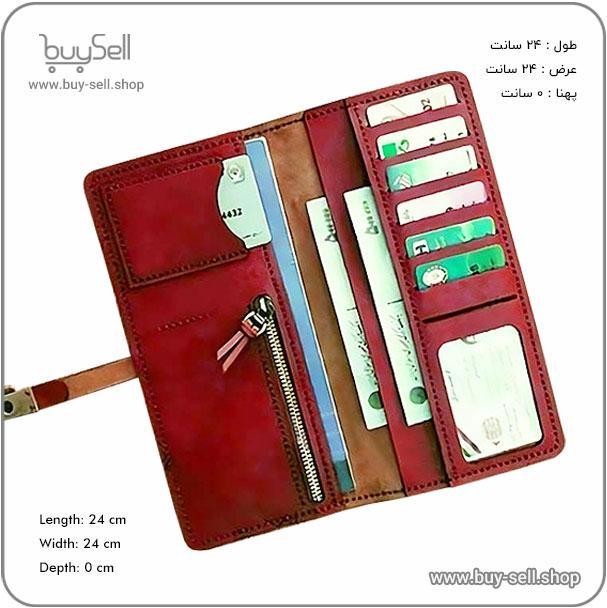
In the dynamic and often intricate world of leather, a streamlined sales process is not merely a convenience but a strategic imperative. It refers to the optimization of every step involved in converting a potential customer into a loyal patron, from initial inquiry to post-purchase support. For businesses dealing with raw hides, finished leather, or leather goods, the complexity can be high, involving diverse product specifications, varying lead times, and specific client requirements. An efficient sales workflow ensures that these complexities are managed effectively, leading to faster transaction times, reduced operational costs, and significantly enhanced customer satisfaction. By meticulously examining and refining each stage, companies can eliminate redundancies, minimize errors, and allocate resources more intelligently, ultimately bolstering their competitive edge in a market that values both quality and efficiency.
Efficiency in the context of leather sales means achieving desired outcomes with minimal waste of time, effort, and resources. For a leather enterprise, this translates into a sales journey that is transparent, predictable, and remarkably smooth for both the sales team and the customer. It begins with clear lead qualification, ensuring that sales efforts are focused on genuinely interested and suitable prospects. Subsequent stages involve providing accurate product information, timely quotations, and precise inventory availability without undue delays. Given the specialized nature of leather products, often with variations in grade, origin, and finish, clarity in communication is paramount. An efficient process ensures that product knowledge is readily accessible to the sales force, enabling them to answer inquiries confidently and correctly. Moreover, it reduces the friction often associated with negotiation and contract finalization, setting the stage for a positive customer experience from the outset. Ultimately, defining efficiency means establishing measurable key performance indicators (KPIs) such as lead-to-conversion rates, average sales cycle length, and customer retention metrics, which then guide continuous improvement efforts.
The modern sales landscape is heavily reliant on digital innovation, and the leather industry is no exception. Implementing robust digital tools is fundamental to achieving a truly streamlined sales process. Customer Relationship Management (CRM) systems stand as the cornerstone, allowing businesses to meticulously track customer interactions, manage leads, monitor sales pipelines, and store vital client information. This centralization of data ensures that every member of the sales team has access to the same up-to-date information, facilitating personalized and consistent engagement. Furthermore, sophisticated e-commerce platforms equipped with detailed product configurators and secure payment gateways enable customers to browse, select, and purchase leather products with ease, regardless of geographical barriers. For B2B transactions, specialized portals can offer tiered pricing, bulk order functionalities, and integrated request-for-quote (RFQ) features. Automated communication tools further enhance efficiency by sending instant order confirmations, shipping updates, and follow-up messages, reducing manual tasks and freeing up sales personnel to focus on higher-value activities like relationship building and strategic selling. Integration with inventory management systems provides real-time stock levels, preventing overselling or miscommunication about product availability, which is crucial for high-value and often limited leather materials.
A streamlined sales process extends beyond the point of purchase, encompassing the entire order fulfillment journey to ensure a superior customer experience. Once an order is placed, efficient internal workflows must kick into action. This includes rapid order processing, accurate picking and packing from inventory, and seamless integration with logistics partners. For leather products, proper handling and packaging are critical to preserve material quality during transit. Implementing a robust warehouse management system (WMS) can optimize storage layouts and picking routes, significantly reducing fulfillment times. Transparency in shipping is another key component; providing customers with clear tracking information and proactive updates builds trust and manages expectations. Post-sales support is equally vital. An efficient system ensures that customer inquiries, returns, or feedback are handled promptly and professionally. This might involve dedicated customer service portals, clearly defined return policies, and feedback mechanisms that allow businesses to continuously gauge customer satisfaction and identify areas for improvement. By optimizing every touchpoint from initial interest to post-delivery satisfaction, leather businesses can cultivate stronger customer loyalty, encourage repeat purchases, and foster positive word-of-mouth referrals, turning a transactional relationship into a lasting partnership.
Streamlining a sales process is not a one-time project but an ongoing commitment to excellence. The market, customer expectations, and technological landscape are constantly evolving, requiring businesses to adapt and refine their strategies. Regular analysis of sales data is crucial for identifying bottlenecks, uncovering inefficiencies, and pinpointing areas where the process can be further optimized. This involves scrutinizing conversion rates at each stage of the pipeline, analyzing the average time spent on specific tasks, and evaluating customer feedback to gain actionable insights. Implementing feedback loops, both internal (from the sales team regarding process challenges) and external (from customers regarding their experience), provides invaluable qualitative data. Based on these insights, businesses can then implement agile adjustments, test new approaches, and measure their impact. Training and development for the sales team are also paramount, ensuring they are proficient with new tools, updated processes, and refined selling techniques. By fostering a culture of continuous improvement, leather businesses can ensure their sales process remains agile, efficient, and responsive to the ever-changing demands of the industry, securing sustained growth and long-term customer relationships in a competitive global market.
In the competitive landscape of leather goods, effective marketing and consistent exposure are not merely optional strategies but fundamental pillars for sustained growth and profitability. The inherent quality and artisanal appeal of leather products demand a robust presence that communicates their value proposition to a discerning audience. Benefits extend far beyond simple recognition, encompassing everything from brand perception to market dominance, ultimately shaping a company's trajectory in a sector rich with history and craftsmanship. By strategically positioning products and brand narratives, leather businesses can cultivate a loyal customer base, differentiate themselves from competitors, and unlock new avenues for expansion.
The initial and most direct benefit of focused marketing efforts is the significant boost in brand awareness. In a market saturated with countless options, a leather brand must stand out and be easily identifiable. Exposure ensures that potential customers encounter the brand repeatedly, fostering familiarity and recall. This goes beyond just seeing a logo; it involves understanding the brand's unique story, its commitment to quality, its ethical sourcing practices, or its design philosophy. For a premium product like leather, where craftsmanship and heritage often play a crucial role, consistent visibility helps to embed these values into the consumer's mind. When a potential buyer thinks of purchasing a high-quality leather item, a well-marketed brand becomes a top-of-mind consideration, significantly increasing the likelihood of engagement and subsequent purchase. This foundational recognition is the bedrock upon which all other marketing benefits are built, transforming an unknown entity into a recognized and trusted name within the industry.
Beyond mere recognition, strategic marketing and broad exposure play a critical role in establishing and reinforcing a leather brand's credibility and fostering deep-seated trust among consumers. Leather products often represent a significant investment, and buyers naturally seek assurance regarding durability, authenticity, and ethical production. Consistent and positive exposure through various channels, whether it's via glowing product reviews, features in respected publications, or active engagement on professional social media platforms, validates the brand's claims and reinforces its reputation. When a brand consistently presents itself as knowledgeable, transparent, and committed to excellence, it naturally builds a reservoir of trust. This trust is invaluable; it encourages first-time buyers to take the leap, and more importantly, it cultivates loyalty among existing customers, transforming them into repeat purchasers and brand advocates. A credible brand can command premium pricing, as consumers are willing to pay more for the assurance of quality and reliability that trust provides. In an industry where legacy and quality are paramount, the ability to project an image of trustworthiness through consistent exposure is a definitive competitive advantage.
Ultimately, the cumulative effect of heightened brand awareness and enhanced credibility translates directly into tangible commercial benefits: increased sales and expanded market penetration. As more consumers become aware of a leather brand and develop trust in its offerings, the conversion rate from awareness to purchase naturally increases. Effective marketing campaigns, whether digital or traditional, are designed to guide potential customers through the sales funnel, from initial interest to final transaction. Moreover, broad exposure allows a leather brand to reach new demographics and geographic regions that might have been inaccessible otherwise. This expansion into untapped markets is crucial for long-term growth. For instance, participation in international trade shows or targeted digital advertising campaigns can introduce a brand to a global audience, opening up export opportunities. The ability to articulate unique selling propositions through compelling content and advertising copy helps differentiate products in a crowded marketplace, persuading customers to choose one brand over another. Sustained exposure also contributes to a higher volume of repeat business and cross-selling opportunities, as satisfied customers are more likely to return for additional purchases or explore other items within the brand's product line, further solidifying its market position and revenue streams.
Beyond immediate sales figures, the sustained benefits of marketing and exposure significantly contribute to building robust brand equity, which is crucial for a leather company's long-term viability and resilience. Brand equity represents the added value a recognized brand name gives to a product. For leather goods, this means that a well-known and respected brand can command higher prices, enjoy greater customer loyalty, and exhibit stronger market performance even during economic fluctuations. Consistent positive exposure helps to cement the brand's perception as a leader or innovator within the leather industry, making it more attractive for potential collaborations, strategic partnerships, and talent acquisition. A strong brand identity, amplified through continuous marketing, also acts as a barrier to entry for new competitors, making it harder for nascent brands to capture market share without similar levels of investment in awareness and trust-building. In essence, effective marketing and broad exposure transform a mere producer of leather goods into a valuable asset with an enduring legacy, ensuring its relevance and profitability for years to come.
In today's digital economy, where creativity often translates directly into valuable digital products, safeguarding these assets is paramount for designers. This includes unique graphics, digital art, software, templates, or blockchain-based collectibles. Risks range from unauthorized access and theft to data loss and intellectual property infringement. Implementing a comprehensive security strategy is not just a best practice; it's a fundamental requirement for maintaining creative control, ensuring business continuity, and preserving client trust. As designers increasingly leverage online marketplaces to distribute their work, applying robust protective measures becomes even more critical to secure both your creations and your professional reputation.
The first line of defense for any digital asset begins with fundamental cybersecurity hygiene. This includes creating and consistently using strong, unique passwords for every online account, especially those connected to your design work, marketplaces, and financial information. A strong password should be complex, combining uppercase and lowercase letters, numbers, and symbols, ideally managed with a reputable password manager. Beyond passwords, implementing Two-Factor Authentication (2FA) is crucial. 2FA adds an essential layer of security by requiring two different methods to verify your identity before granting access. Typically, this involves something you know (your password) and something you have (a code from a mobile authenticator app, a physical security key, or an SMS). Even if a malicious actor obtains your password, they cannot access your account without the second factor, significantly reducing unauthorized access risk.
Product purchase offer: leather bag pattern

Protecting the actual digital files of your creative work—from initial sketches to final renders—is essential. A cornerstone of this protection is a robust backup strategy. Designers should regularly back up all projects and important data to multiple locations, such as secure cloud storage services (with encryption) and local backups on external hard drives or network-attached storage devices. Ensuring these backup devices are encrypted adds another layer of security. Furthermore, version control systems are invaluable for tracking changes, collaborating, and recovering previous iterations in case of accidental deletion or corruption. Employing data encryption for sensitive files, even on your primary workstation, prevents unauthorized access if your device is lost or stolen. Regularly reviewing access permissions for shared files helps control who can view, edit, or download your proprietary designs, maintaining intellectual property integrity.
Beyond technical security, understanding the legal and conceptual aspects of digital ownership is vital. For designers, this primarily revolves around intellectual property (IP) rights, including copyright and trademarks. When selling digital products on online marketplaces, it is important to understand their terms of service regarding IP ownership and licensing. Most marketplaces facilitate the sale of licenses for your digital products while you retain the underlying copyright. Proactive steps like clearly stating licensing terms, including digital watermarks on preview images, and embedding metadata within your files can help assert ownership. In cases where disputes arise, clear documentation of creation dates, original files, and copyright registrations (if applicable) strengthens your position. Familiarizing yourself with digital rights management (DRM) tools also offers insights into how your work is protected from unauthorized redistribution, ensuring your creative efforts continue to generate value.
As the digital landscape evolves, many designers are exploring selling unique digital assets like NFTs on blockchain-based marketplaces. Protecting these assets requires specific knowledge. A critical concept is the Seed Phrase, a list of typically 12 or 24 words that serves as the master key to your cryptocurrency wallet and all digital assets within it. Losing your seed phrase means permanent loss of access; sharing it grants immediate full control. It must be stored offline, securely, never digitally recorded. Your wallet interacts with the blockchain through an Externally Owned Account (EOA). An EOA is a standard account on a blockchain, such as Ethereum, controlled by a private key derived from your seed phrase. EOAs are used to send and receive cryptocurrency and interact with smart contracts. Understanding that EOA control depends entirely on its private key's security is fundamental. Furthermore, advanced concepts like EIP-7702 are emerging. EIP-7702 (Ethereum Improvement Proposal 7702) introduces a new transaction type enabling an EOA to temporarily delegate its signing authority to a smart contract for a single transaction. This provides greater flexibility for managing on-chain assets and interactions, potentially offering enhanced security features for future marketplace transactions or more sophisticated ways to manage digital asset transfers on the blockchain. Staying informed about these developments is key to future-proofing your digital asset protection strategy.

 Saeede Bayat
May 04, 2025

 Buy Sell
Apr 20, 2025
 Saeede Bayat
Apr 28, 2025
 Saeede Bayat
Apr 23, 2025
 Buy Sell
Oct 25, 2025
Subscribe to the Buy Sell newsletter and enjoy its benefits.